







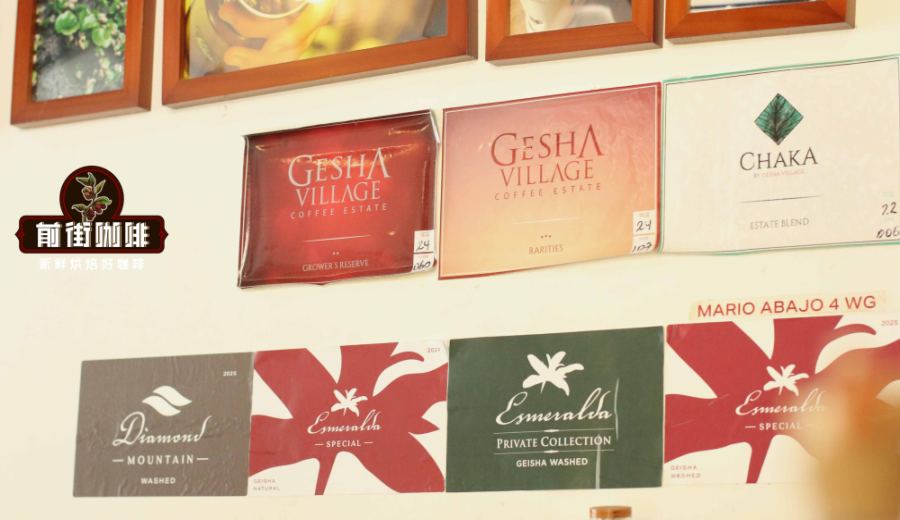
Introduction:As a representative of top-tier specialty coffee, the Gesha variety has a complex and highly representative grading system. Both Hacienda La Esmeralda in Panama and Gesha Village Estate in Ethiopia have their own independent grading systems, ranging from Red Label, Green Label to Auction lots and Gold Label, among others. Different grades not only vary in flavor but also represent differences in yield and quality thresholds. This article delves into the grading logic of these two major estates, detailing the flavor profiles, regional information, and recommended brewing methods for each batch, along with practical pour-over suggestions — an essential beginner’s guide to understanding the Gesha variety.
The Gesha coffee variety has long become a legendary cultivar in the specialty coffee world. Its unique citrus, floral, and tea-like flavors have made it the dream bean for many coffee enthusiasts and competition baristas. However, the quality and price of Gesha coffee can vary greatly, and the key lies in the grading system behind it. Currently, the main grading systems on the market come from two renowned estates — Hacienda La Esmeralda (Panama Geisha Estate) and Gesha Village Coffee Estate in Ethiopia, both of which have their own independent and rigorous classification standards.
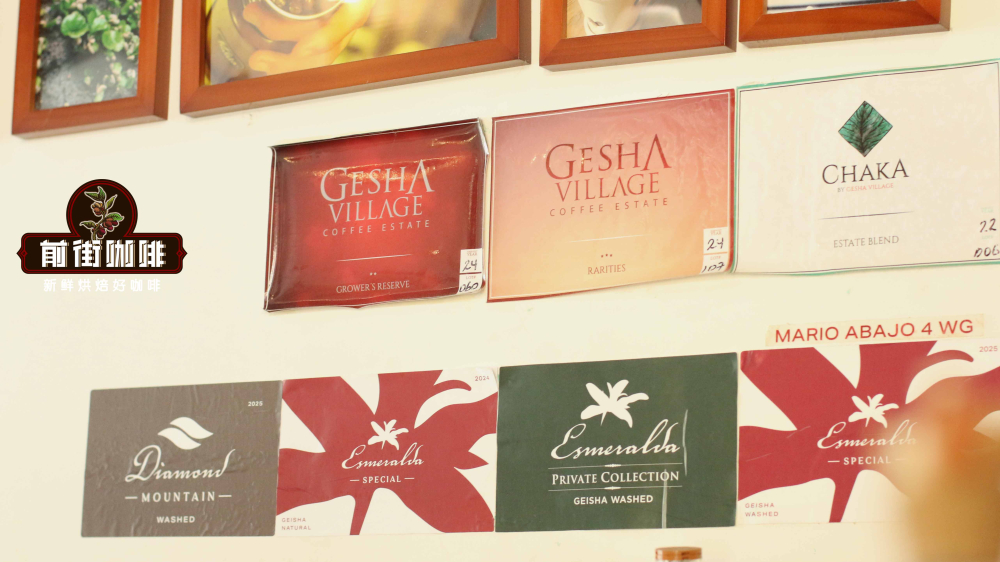
Hacienda La Esmeralda categorizes its Gesha coffee into two main types: Red Label and Green Label. The Red Label typically represents auction-grade or high-altitude selected batches, while the Green Label is considered a daily-drinking specialty-grade Gesha. On the other hand, Gesha Village Estate offers a more diverse grading system, including Auction, Gold Label, Red Label, Green Label, and the Chaka blend. Each category not only features distinct flavor layers but also represents different production ratios and levels of refinement.
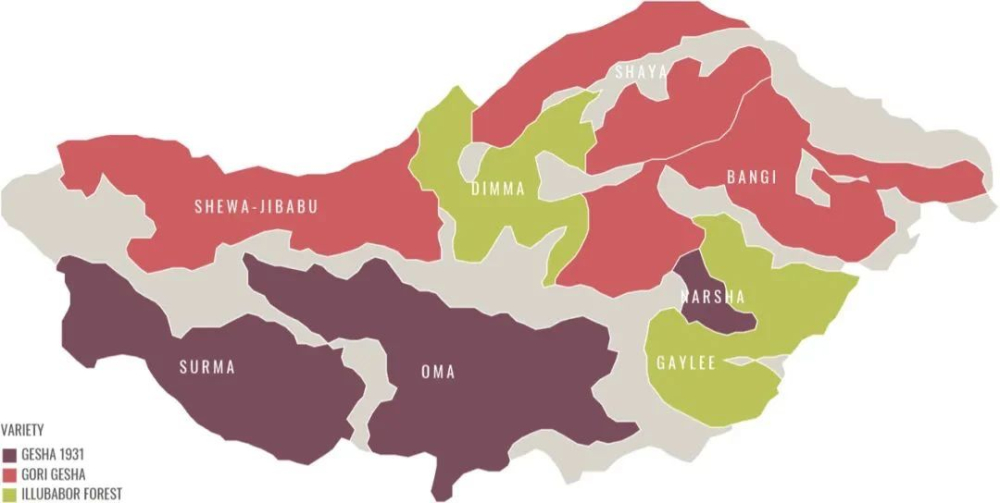
The grading system of Gesha Village Estate can be said to be one of the most comprehensive and representative systems available today. The estate is located near the Gesha Mountain forest in the Bench Maji region of Ethiopia, featuring multiple cultivation blocks with unique microclimates. Below, we will introduce in detail the five major grading batches of Gesha Village Estate, supplemented with practical pour-over recommendations and parameter settings, so you can gain a deeper understanding of the characteristics and brewing essentials of each grade.
[Auction Batch: The Symbol of Top-Tier Gesha]
The Auction batch of Gesha coffee accounts for only about3.7%of the estate’s annual production, making it an extremely carefully selected offering. These beans must go through an exceptionally rigorous selection process and are only available through the annual “Gesha Village Coffee Estate Global Auction.” According to 2018 data, the cupping scores of the Auction batch ranged between88.15~92.67 points, making it truly top-of-the-top.
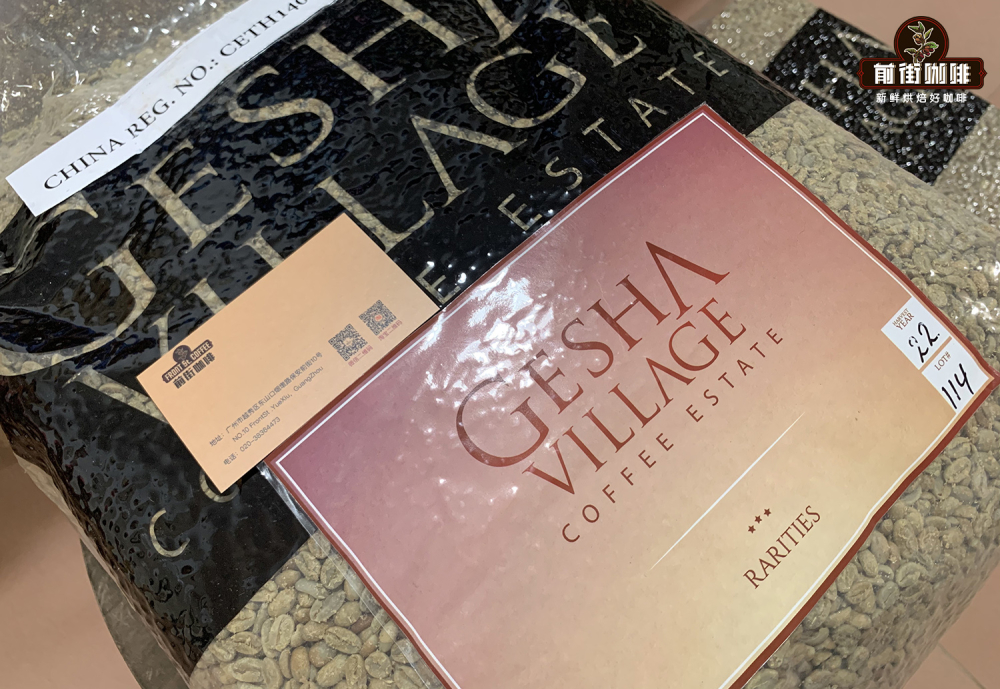
The Auction batch is further divided into “Champion's Reserve” and “Farm Reserve,” such as the famous Gesha Village 2018 Auction Lot RSV.6, which belongs to this grade. These beans typically exhibit very high complexity and unique terroir characteristics, making them highly sought-after by professional baristas and collectors.
[Gold Label Batch: Preferred Choice for Competitions and High-End Roasters]
The Gold Label batch accounts for approximately10%of the annual production. Though not as rare as the Auction batch, it remains one of the highest-quality grades from Gesha Village Estate. These coffees are usually of theGesha 1931variety and are processed using natural (dry) fermentation for 32 days, resulting in rich fermented wine-like aromas, citrus acidity, and a fruity berry juice profile.
Gold Label coffee is often chosen as competition beans and is a preferred high-end ingredient for many professional roasters. With a distinctive and layered flavor profile, it is ideal for brewing with a V60 using a1:15 coffee-to-water ratio, a91°C water temperature, and amedium-coarse grind (80% passing through a #20 sieve)to fully highlight its complex fruitiness and sweetness.
[Red Label Batch: High Cost-Performance Specialty Gesha]
The Red Label batch makes up about15%of production and is the most representative specialty-grade batch at Gesha Village Estate, aside from the Auction and Gold Label batches. These coffee beans all score abovethe SCA standard of 88 points, showcasing the classic Gesha Village flavor profile. While slightly less intense and complex than the Gold Label, they still deliver outstanding performance at a more accessible price point.
Common Red Label varieties include Gorigeisha, often processed naturally. Flavors include coconut, licorice, cream, chocolate, and citrus, with a full-bodied mouthfeel and pronounced nutty notes. It is recommended to use aV60, 1:15 coffee-to-water ratio, 91°C, and fine sugar grind (EK43 setting 10),brewed via pulse pouring, with total brew time controlled around2 minutes and 10 secondsto fully express its layered complexity.
[Green Label Batch: Traceability with Single-Farm and Single-Variety Origins]
The highlight of the Green Label batch is that it comes froma single farm plot and a single variety. Each batch provides detailed traceability information, including farm name, variety, and processing date, making it the preferred choice for consumers seeking consistent flavor profiles and origin transparency. Although no specific products are detailed here, the Green Label maintains stable quality and is ideal for coffee lovers interested in exploring the nuances of individual plots.
[Chaka Batch: An Approachable Option with Diverse Blending]
The Chaka (CHAKA) batch is the only blend offered by Gesha Village Estate, combining beans from various plots and across the entire harvest season, featuringthree major varieties: Gesha 1931, Gori Gesha, and Illubabor Forest 1974. This batch is available in both natural and washed processing methods, with the natural version being particularly popular.
The flavor of the Chaka batch is relatively mild, with bright acidity reminiscent of citrus and grapefruit, followed by creamy, chocolatey, and caramel undertones, making it suitable for everyday drinking. For pour-over, it is suggested to use a1:15 ratio, 91°C, fine sugar grind (EK43 setting 10), and Hario V60, following the process: “35 seconds bloom → pour to 125ml in 1 minute → then pour to 225ml in 1 minute 50 seconds,” for a total brew time of about2 minutes and 10 seconds, highlighting its balanced fruit tones and sweetness.
Additionally, the Gold Label, Red Label, and Chaka batches of Gesha Village Estate all utilize the natural (dry) processing method. The process involves initial removal of floaters, followed by drying the beans in thin layers on African-style raised beds covered with plastic sheeting. Throughout this period, the beans are frequently turned and sorted to ensure even drying without insect damage or discolored beans. The overall drying period lasts about18 to 30 days, which is a crucial factor in shaping their rich sweetness and full-bodied flavors.
Finally, Gesha Village Estate maintains strict numbering and management protocols for each production block, aiding not only in flavor traceability but also ensuring a high level of consistency in planting, harvesting, and processing across all batches. Whether you’re a beginner or a seasoned coffee professional, understanding these grading and processing details allows you to select, brew, and appreciate the boundless charm of Gesha coffee with greater precision.
The above content is compiled by CoffeeHunters, a coffee news website.


