







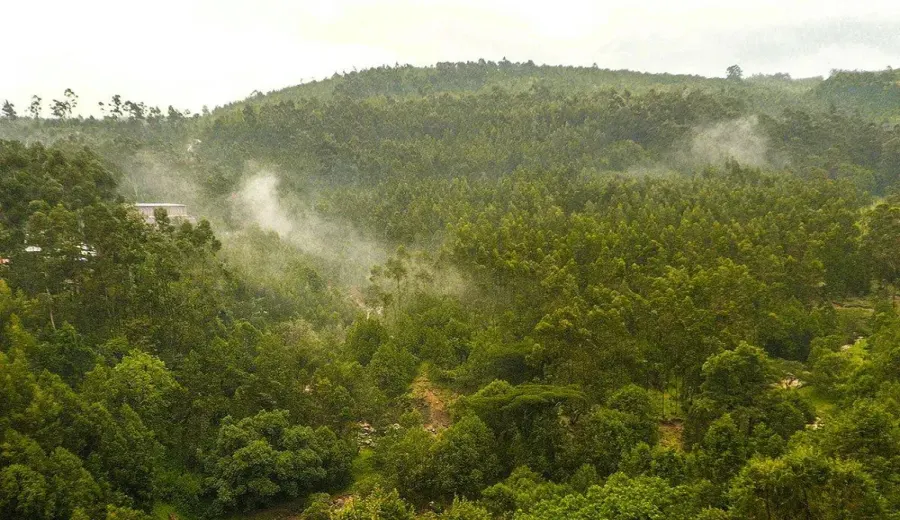
Introduction:Step into the Kafa Biosphere Reserve in Ethiopia, known as the "natural museum of coffee varieties," and explore the origins and diversity of wild Arabica coffee. This article delves into the historical background, ecological environment, challenges, and how a cup of washed wild coffee from this region reveals layered flavors of bergamot, floral notes, and apricot through its processing.
Hidden deep within the lush greenery of southwestern Ethiopia lies a mysterious forest revered as the "natural museum of coffee varieties" — the Kafa Biosphere Reserve. This area is not only home to the most diverse range of Arabica coffee varieties in the world but also nurtures around 5,000 different wild coffee trees, making it a genetic sanctuary for the coffee world. In this piece, we will take readers through the historical context, ecological setting, and the unique coffee flavors that originate from this pristine forest.
Where does the name Kafa come from?The term "Kafa" (also spelled Kaffa) originates from the name of an ancient kingdom — the Kingdom of Kafa. This tribal kingdom, located in what is now southwestern Ethiopia, was incorporated into the Ethiopian Empire in 1897, later became part of the Southern Nations, Nationalities, and Peoples' Region, and is now situated in the northern part of the South West Ethiopia Peoples' Region, widely known as the Kaffa Zone.
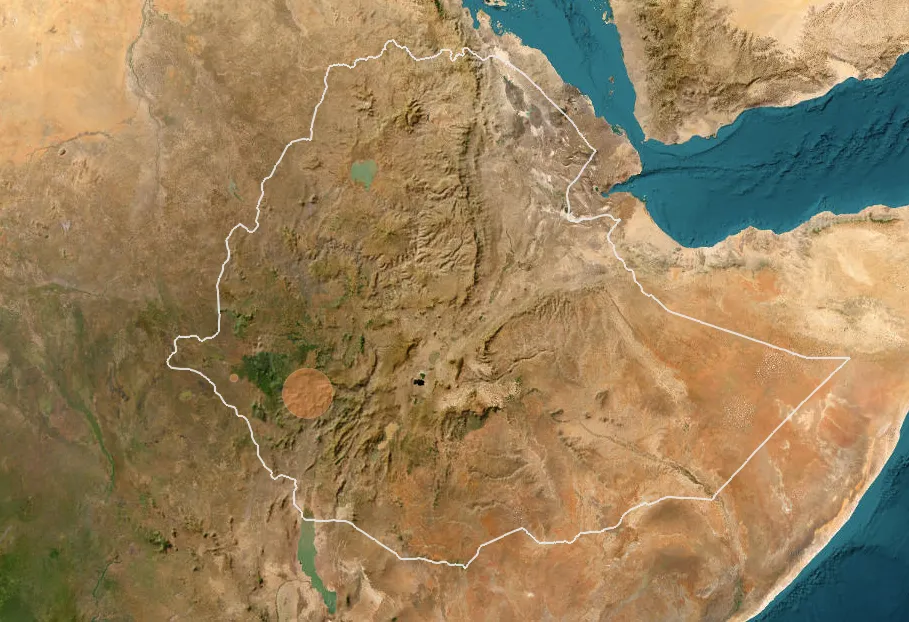
Ethiopia’s geography and climate are highly contrasting, featuring everything from humid tropical rainforests to harsh arid deserts. From satellite imagery, the greenest areas of the country are concentrated in the west, particularly at the junction of the Gambela, Oromia, and SNNPR regions, with the verdant heart being the Kafa Biosphere Reserve.
As one of the most forested regions in Ethiopia, the Kafa Biosphere is not only blessed with breathtaking natural landscapes but is also considered the birthplace of modern Arabica coffee. Interestingly, the "Gesha" mentioned in many coffee variety legends is actually located in the western part of the Kafa region, highlighting the deep connection this area has with coffee.
According to data from the German Nature and Biodiversity Conservation Union, the Kafa Biosphere covers an area of approximately 760,144 hectares, over half of which — about 422,260 hectares (55.6%) — is covered by pristine forest. Over centuries of natural evolution, around 5,000 varieties of coffee trees have naturally emerged here, making it the most abundant region in known Arabica coffee varieties and thus earning the titles "treasury of coffee genes" or "natural museum of coffee varieties."
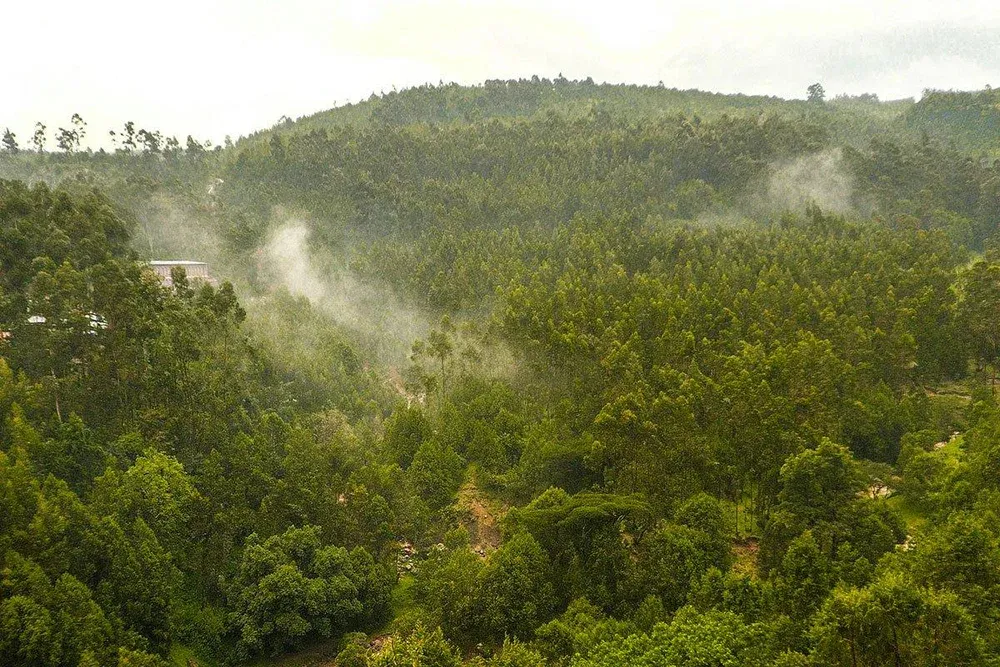
Walking into this forest, you’ll find an environment strikingly similar to typical high-altitude cloud forests: layered mountains, dense vegetation, humid air, soft soil, and rich flora and fauna. But its most distinctive feature is the abundance of undomesticated wild coffee trees, mostly growing between altitudes of 1,400 to 2,100 meters under the shade of tall trees. These trees reproduce naturally through seed dropping and germination, with almost no traces of human cultivation.
However, this precious natural heritage is under threat. Due to long-term human activities such as farming and illegal logging, large areas of pristine forest have been converted into agricultural land. Data from the Food and Agriculture Organization (FAO) shows that between 1988 and 2008, Kafa Forest lost up to 11,000 hectares of vegetation annually. Without immediate conservation efforts, this forest of wild coffee trees, shaped by thousands of years of evolution, could vanish completely within the next 10 to 20 years.
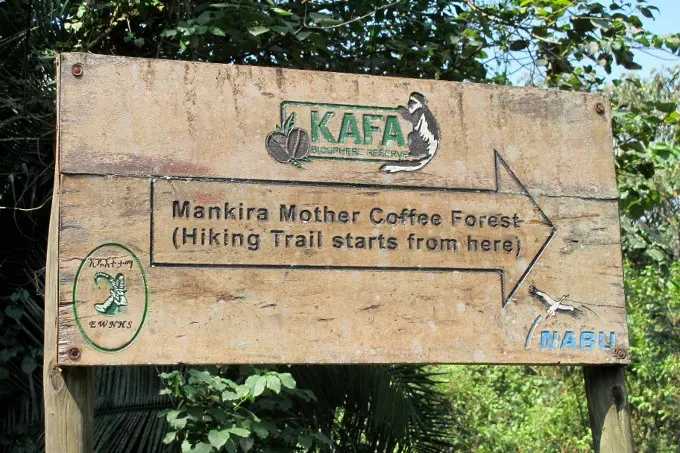
To protect this oasis, since 2010, the NABU organization under the United Nations has designated parts of the original Kafa forest as an international-level ecological conservation zone and launched a series of preservation programs aimed at safeguarding this globally vital gene bank of wild Arabica coffee. Currently, about 30 coffee cooperatives have been established around the reserve, responsible for collecting naturally ripe red coffee cherries from the forest while ensuring the harvesting process respects the natural ecosystem.
The reason these wild coffee trees produce such diverse and unique flavors lies in the distinctiveness of their growing environment: high altitude, ample shade, nutrient-rich red soil, coupled with stable rainfall and a mild microclimate, all contribute to a coffee quality vastly different from that grown on conventional farms.
To get closer to the forest's original flavors, we specially selected a washed coffee bean from the Kafa Forest, processed with a medium-light roast to highlight its bright acidity and delicate floral and fruity aromas.
[Coffee Information]
Origin: Kafa Primeval Forest, Ethiopia
Elevation: Approximately 1,800 meters
Variety: Heirloom
Processing Method: Washed
Grade: G1 (the highest grade in Ethiopia)
[Flavor Profile]
The dry aroma carries subtle white floral notes, lemon peel, and fresh citrus scents; the wet aroma releases sweet notes of apricot and orange.
Upon tasting, a clear fruit acidity is immediately noticeable, accompanied by layers of lemon, sweet orange, nectarine, green tea, and caramel. As it cools slightly, the fleshiness of apricot and green grapes becomes more pronounced, offering an overall refreshing mouthfeel. The aftertaste leaves a gentle sweetness of melon and nuts, leaving a lingering impression.
This washed Kafa Forest coffee not only showcases the diverse potential of Ethiopian wild coffee but also gives us a glimpse into how this ancient forest, through the power of nature, cultivates astonishingly unique coffee flavors. For coffee enthusiasts seeking heirloom varieties and authentic profiles, this is definitely worth exploring and savoring.
The above content is compiled by CoffeeHunters, a coffee news website.


