








Introduction:As the birthplace of Arabica coffee, Ethiopia boasts the world’s richest coffee gene pool. This article delves into the terroir characteristics, altitude, and processing methods of the country’s nine premium coffee regions—from the citrusy floral notes of Yirgacheffe to the wild fruity profiles of Harrar—helping you understand the unique flavor profiles of each area. It also provides background on the Heirloom heirloom variety and shares practical V60 pour over parameters and roasting suggestions to help you master everything from regional traits to cup flavors.
Ethiopia is not only the cradle of Arabica coffee but also home to the world’s most diverse coffee varietal resources. The country is divided into nine premium coffee regions, each with distinct altitudes, climates, and microclimates that give rise to uniquely different coffee flavor characteristics. From the world-renowned Yirgacheffe to the exotic Harrar region, the beans grown in these lands showcase astonishingly varied flavor profiles.
Yirgacheffe Region, originally part of Sidamo, was later designated as a separate region due to its exceptional coffee qualities. With elevations ranging from about 1,700 to 2,100 meters and a cool, fresh climate, this area is ideal for coffee cultivation. Its coffee is celebrated for bright acidity, citrus, and floral notes, making it one of the regions that best represents East African coffee flavors. Sun-drying is the common processing method, resulting in rich sweetness and complexity.
Sidamo Regionis located in southern Ethiopia, featuring diverse terrain and rich microclimates, with planting altitudes between 1,400 and 2,200 meters. Coffee from this region often exhibits pronounced floral and citrus characteristics, quite similar to Yirgacheffe. The Guji zone (formerly part of Sidamo), with its fertile black soil and significant day-night temperature variation, produces high-quality coffee. The Hambela sub-region, the highest-altitude area within Guji, is an important source of specialty coffee.
Harrar Regionis situated in eastern Ethiopia at elevations of 1,500 to 2,400 meters. The climate is hot and dry, with annual rainfall of only about 1,000 mm, so nearly all coffee is processed via sun-drying. The coffee here features intense and wild flavors, often with strong funky notes, berry tones, and jasmine aromas. It is a classic example of bold coffee, ideal for those who prefer stronger flavor profiles.
Limu Regionmostly grows Heirloom heirloom varieties, at altitudes of approximately 1,850 to 1,900 meters. Though production is limited, the flavors are clear, often with herbal, brown sugar, and sandalwood notes, along with bright acidity. This region mainly targets European and American markets, excelling in diverse processing methods such as washed, natural, and semi-washed, yielding complex and layered flavor expressions.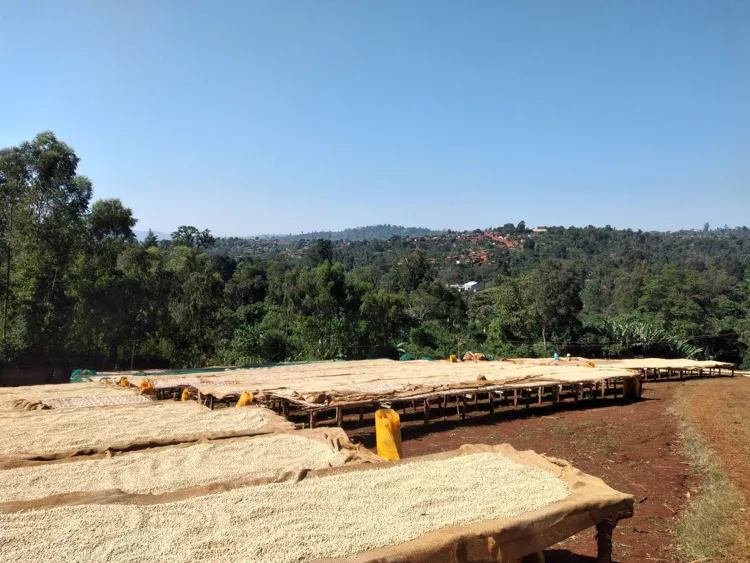
As forGimbi Region, it is one of Ethiopia’s main commercial coffee producing areas, with elevations between 1,350 and 1,850 meters and an annual output of up to 70,000 tons, accounting for one third of the country’s exports. Gimbi coffee has a strong flavor profile; natural processing yields nutty notes with light acidity, while washed processing results in a clean, low-acidity cup similar to Central American beans. It is also quite popular in the Taiwanese market. With stable flavors and good cost-performance, it is a common base bean for many coffee shops.
Illubabor Regionis located in the far west of Ethiopia, at elevations of 1,350 to 1,850 meters. Its coffee is often used as a blend component for Gimbi lots, offering balanced and mellow flavors, though it is generally not classified as specialty grade. The neighboringGimbi and Lekempti Regions, at elevations of 1,500 to 1,800 meters, produce beans that resemble Harrar’s longberry types. Sun-drying is the dominant processing method, and the coffee features bright, fruity acidity and fruit-forward profiles, well-received in the U.S. market.
Additionally,Teppi and Bebeka Regions, at elevations of 1,000 to 1,900 meters and 900 to 1,200 meters respectively, produce larger beans with pronounced wild character and lower acidity. Production is limited, and they rarely circulate as specialty beans. Finally, the alternativeLake Tana Region, located by Lake Tana, lacks fixed plantations and features coffee trees naturally scattered across forests and farmland. With an annual yield of less than 10 tons, it is reputed to have the most “divine” flavor among Ethiopian coffees. Grown at around 1,840 meters, its uniqueness makes it highly collectible.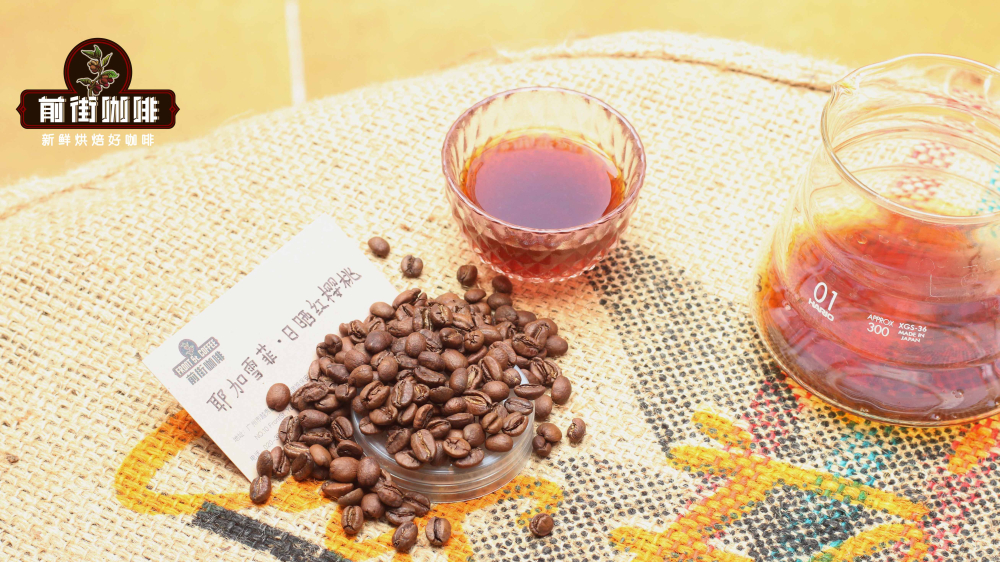
When discussing Ethiopian coffee, one must mention its rich diversity ofHeirloom heirloom varieties. As the country holds 99% of the world’s coffee genetic resources and official detailed varietal information is not publicly available, exports are mostly labeled generically as Heirloom. Some representative varieties include the JARC series (developed by the Jimma Agricultural Research Center, including disease-resistant strains 74110, 74112, and 74158), Dega (meaning “cool highland,” noted for its aroma when roasted), and Kurume (an adaptive variety in Yirgacheffe known for its fruity richness).
In terms of processing methods, Ethiopian coffee primarily employsnatural (sun-dried) and washedprocesses. Washed processing highlights the coffee’s inherent flavors, resulting in a clean and bright cup; natural processing imparts richer aromas and sweetness, making it a common and distinctive technique in the country.
Taking a renowned roaster as an example, their roast profile for Sidamo Huakui employed a light roast to emphasize fruitiness. Using a Yangjia 800N roaster with 550g of beans and an inlet temperature of 200°C, strict control over temperature and air damper settings led toa drop temperature of 198.1°C, fully showcasing the coffee’s layers and aromas.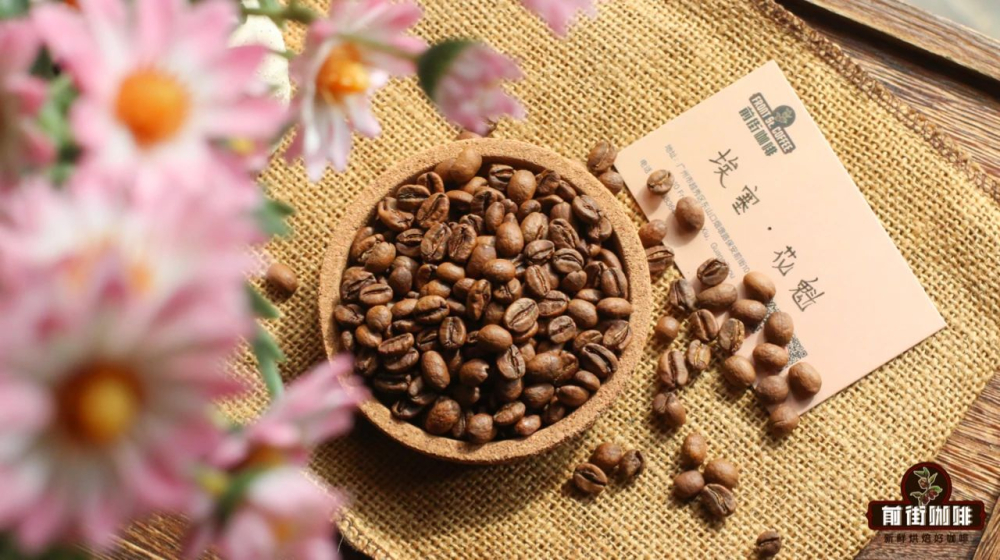
For pour over recommendations, use a V60 filter (water temperature 90°C, brew ratio 1:15, grind size 80% passing through a #20 sieve). Aftera 30-second bloom with 30g of water, proceed with incremental pouring to reach 225g total, with a total extraction time of about 2 minutes. This parameter balances flavor release while avoiding over-extraction, particularly highlighting the fruity acidity and aromatic layers of Ethiopian beans.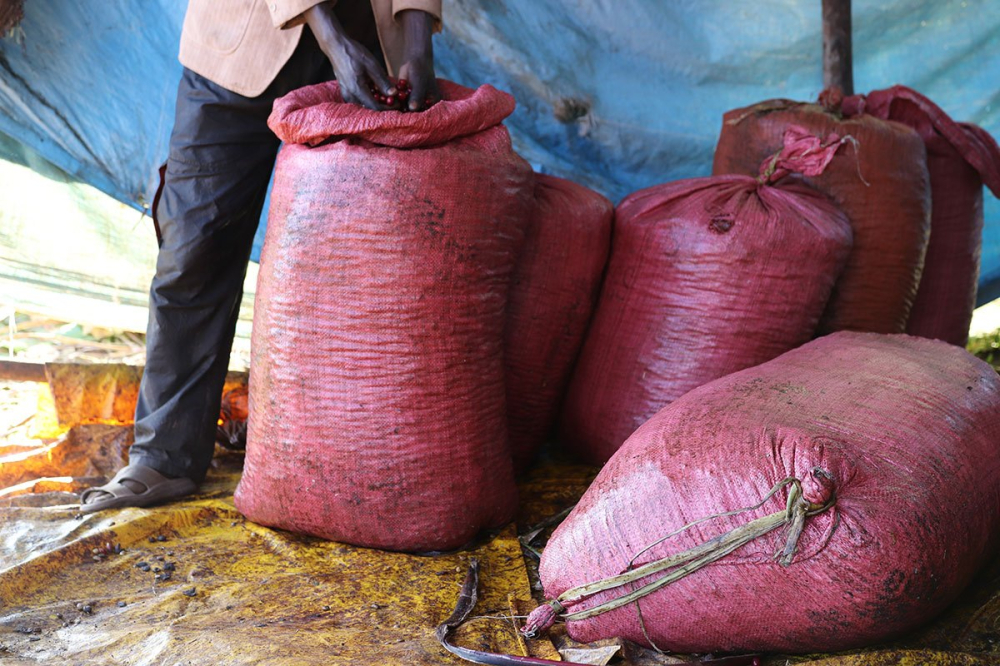
The above content is compiled by CoffeeHunters, a coffee news website.


