







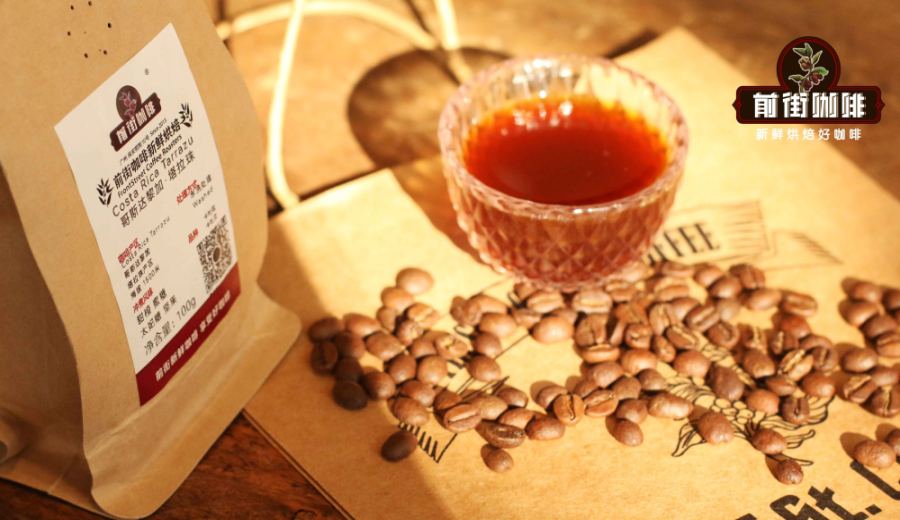
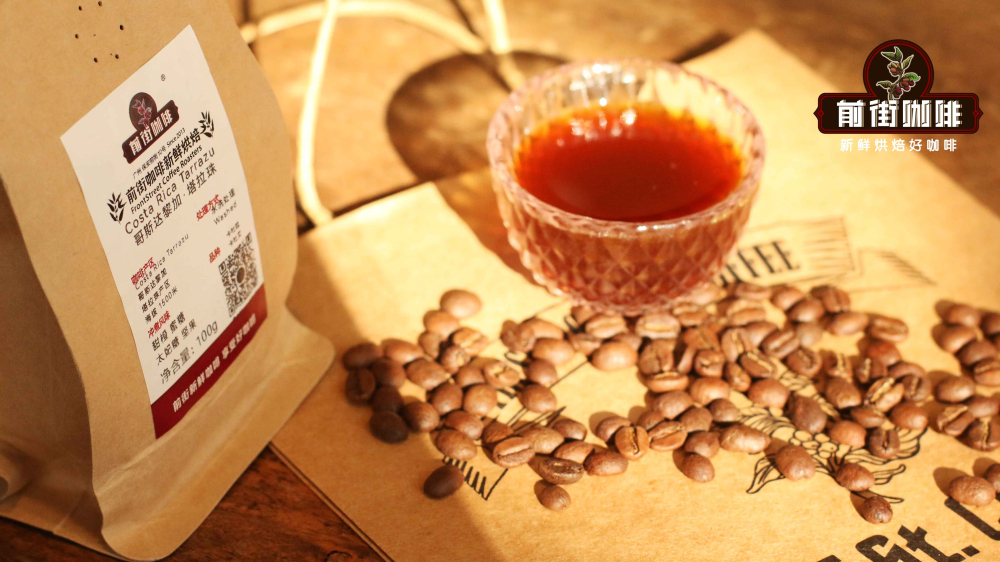
Introduction:Even with the same natural (sun-dried) processing method, coffee beans from the three major regions of Costa Rica—Tarrazú, West Valley, and Central Valley—each boast distinct flavor profiles. This article provides a detailed comparison of three specialty beans: the Pilon Micromill, Genesis, and Black Soul, covering aspects such as regional environments, processing methods, roast profiles, cupping notes, and pour-over flavors to help you gain an in-depth understanding of the local characteristics and diversity of Costa Rican natural coffees.
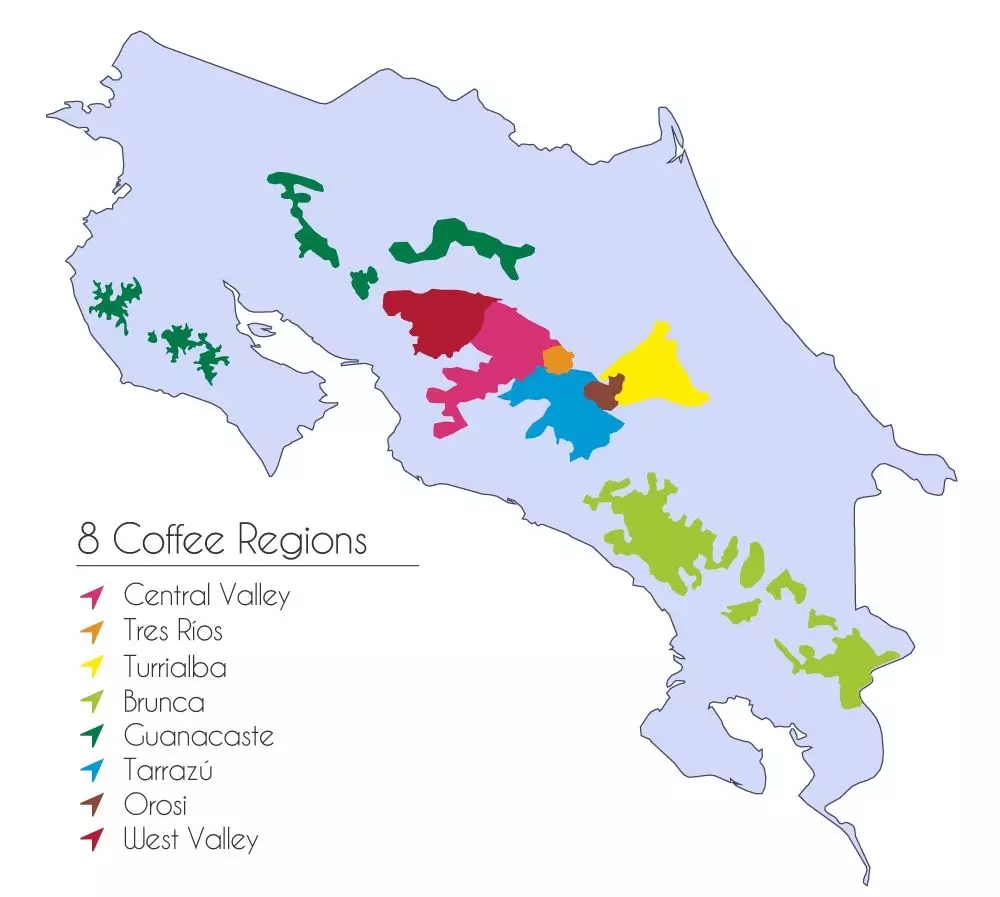
As a key origin for specialty coffee in Central America, Costa Rica’s diverse microclimates and high-altitude environments have given rise to numerous regions with unique flavor profiles. Even when using the same natural processing method, differences in geography, coffee varieties, and post-harvest techniques across regions can result in distinctly varied flavor profiles. This article will take you on an in-depth comparative journey of three natural coffees: the Pilon Micromill from Tarrazú, Genesis from the West Valley, and Black Soul from the Central Valley, analyzing their uniqueness comprehensively—from regional background and green bean condition to brewing performance.
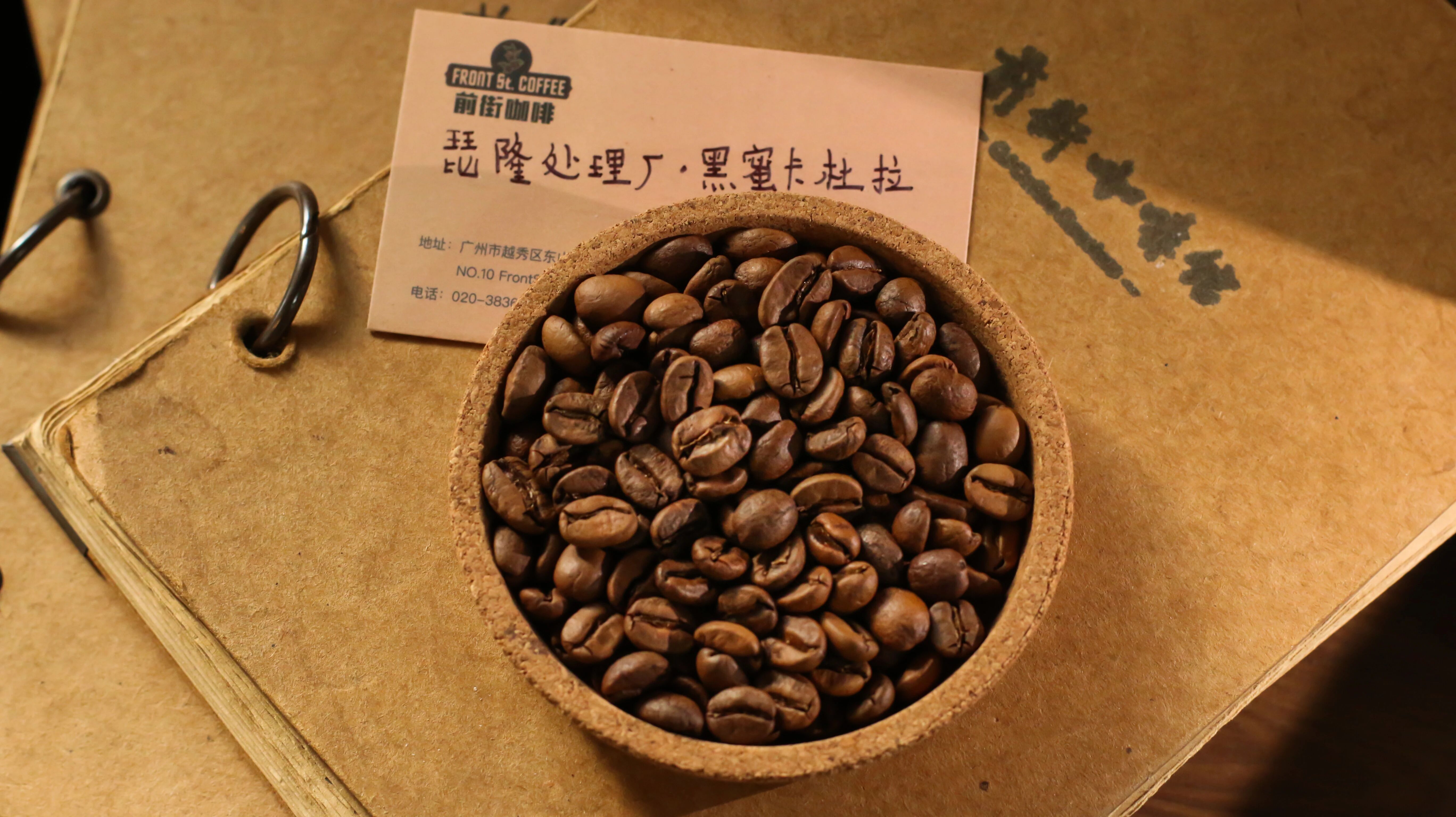
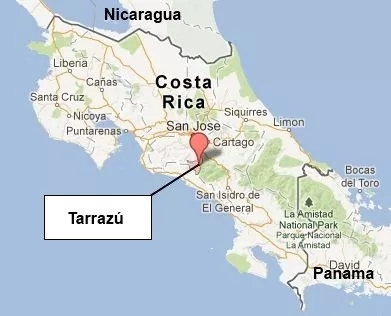
First up is the 【Pilon Micromill】 from the Tarrazú region. This coffee uses the honey process—specifically black honey—and is produced by the renowned Pilon Micromill in Costa Rica, which is also the world’s first facility officially approved by the government to carry out fully sun-dried processing. The mill is known for its rich tropical fruit and nutty chocolate flavor notes, making it suitable for brewing with a variety of methods, including pour-over, French press, cold brew, and moka pot.Tarrazú is located in a volcanic zone, with high altitudes and fertile volcanic soils, coupled with high humidity and abundant rainfall, providing excellent growing conditions for coffee.Over ninety-five percent of the coffee in this area is classified as Strictly Hard Bean (SHB), typically grown at elevations above 1500 meters, laying the foundation for intense flavors.
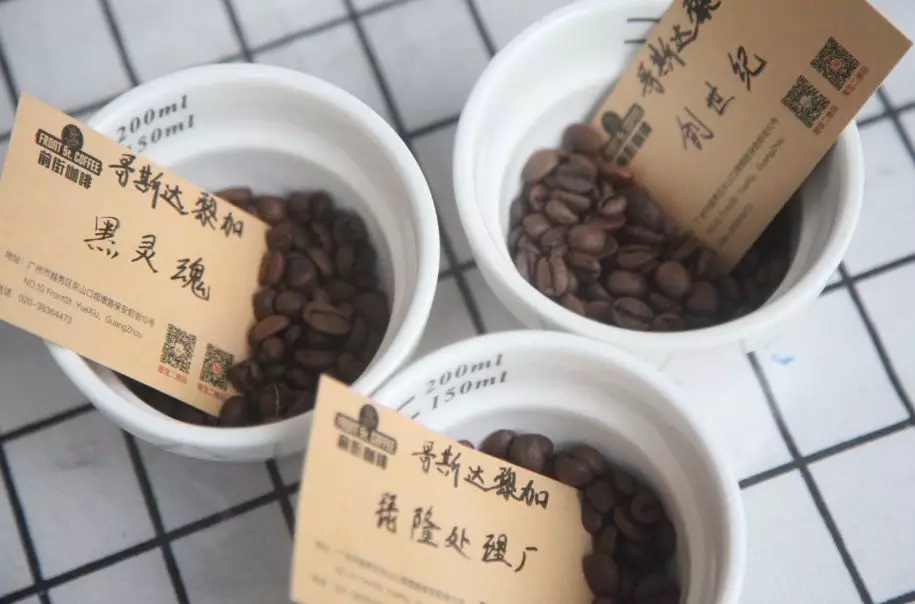
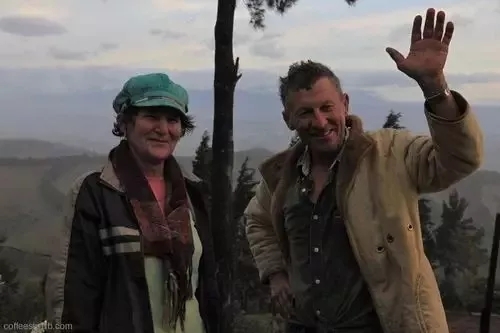
Next is the 【Genesis】, a natural coffee from the West Valley—one of Costa Rica’s seven major coffee-growing regions. This area is known for its abundant sunshine, moderate annual average temperature (around 21.5°C), and high annual average relative humidity (81%), along with plentiful rainfall, making it highly suitable for cultivating high-altitude coffee. Notably, the dry season in the West Valley overlaps with the harvest period,allowing for natural sun drying—an approach that is relatively rare among many of Costa Rica’s coffee regions. Genesis is managed by Oscar and Mercedes Méndez, who focus on micro-lot production and work closely with local smallholder farmers. After purchasing the cherries, they process them themselves, ensuring each batch can be traced back to its original farm.
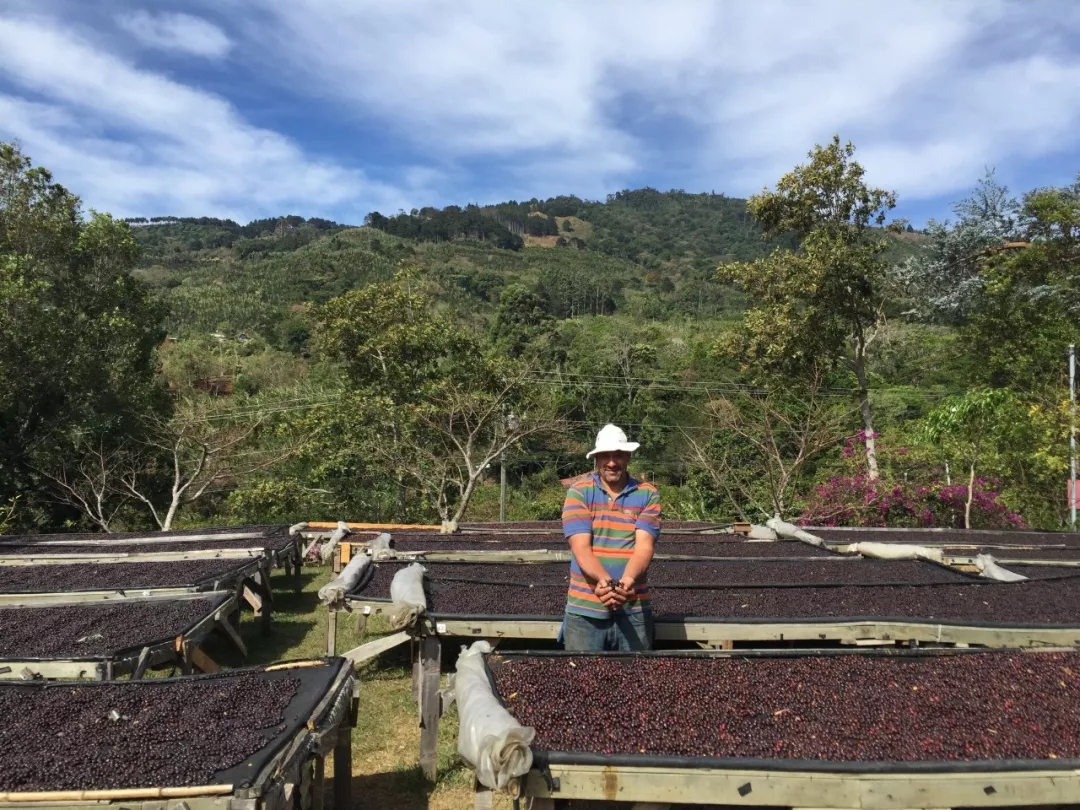
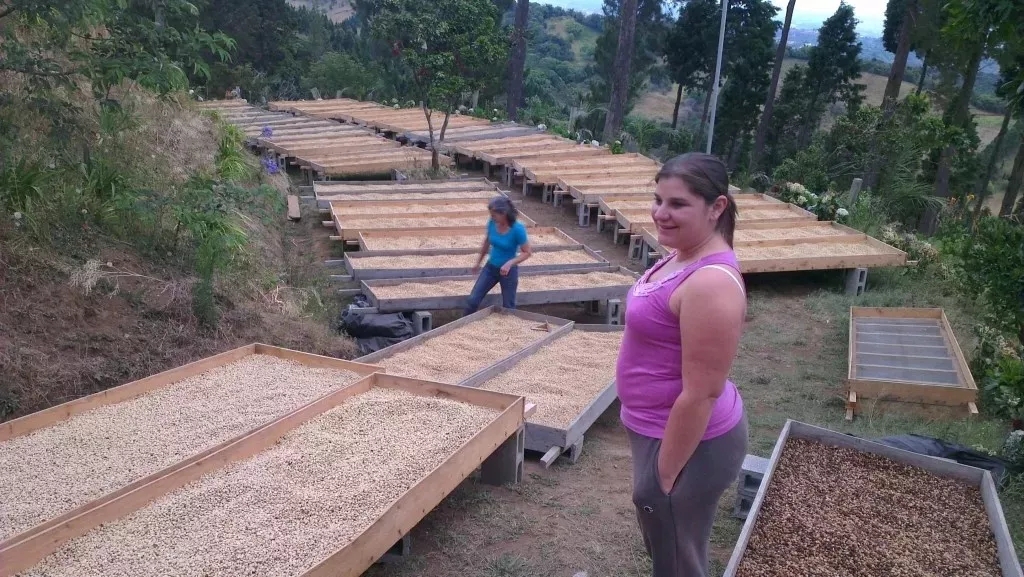
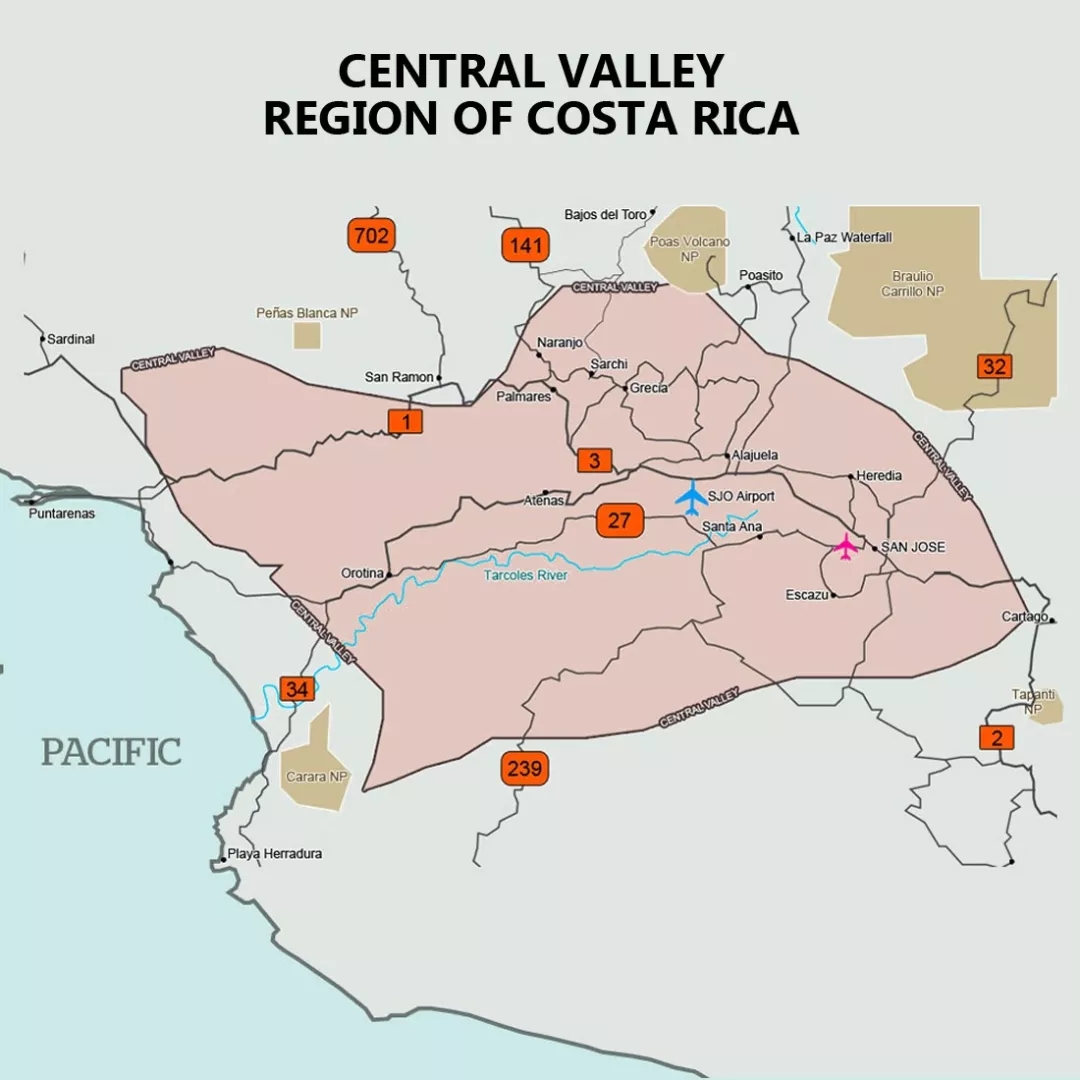
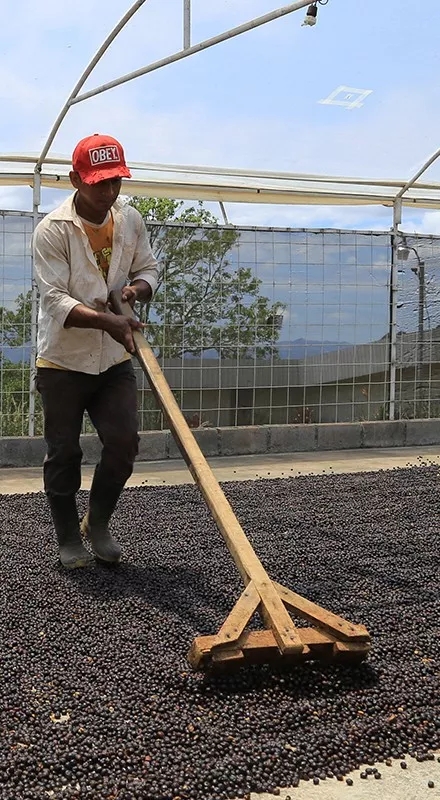
The final coffee is the 【Black Soul】 from the Las Lajas Estate in the Central Valley. This region is surrounded by three volcanoes—Irazú, Barva, and Poás—boasting fertile soils and diverse microclimates, particularly well-suited for developing coffees that balance bright acidity with delicate aromas. The estate was one of the early pioneers in the field, having invested in related technology development even before the rise of Costa Rica’s refined natural trend. Estate owner Francisca and her team carefully select the ripest coffee cherries using a BRIX (sugar content) meter and employ African raised beds for post-harvest drying to preserve more fruity aromas and complexity.


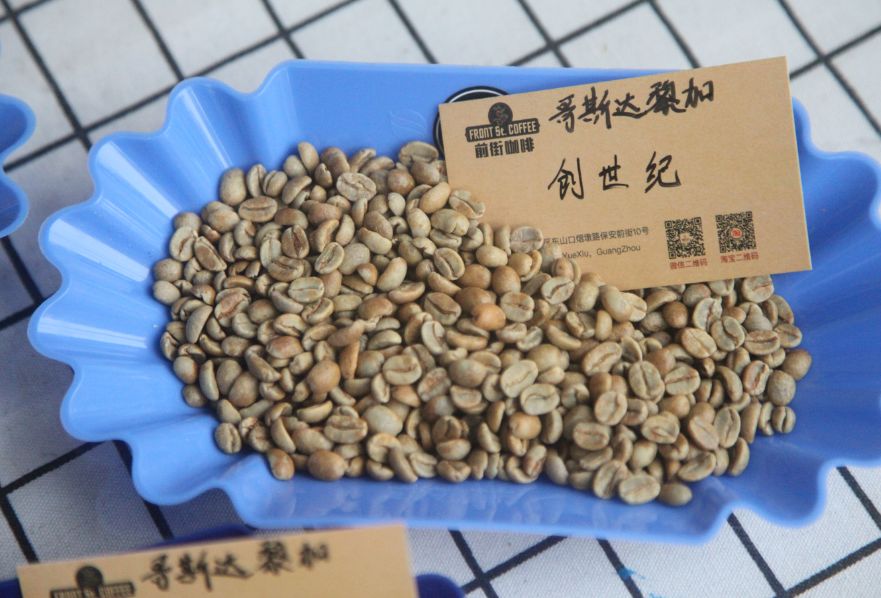
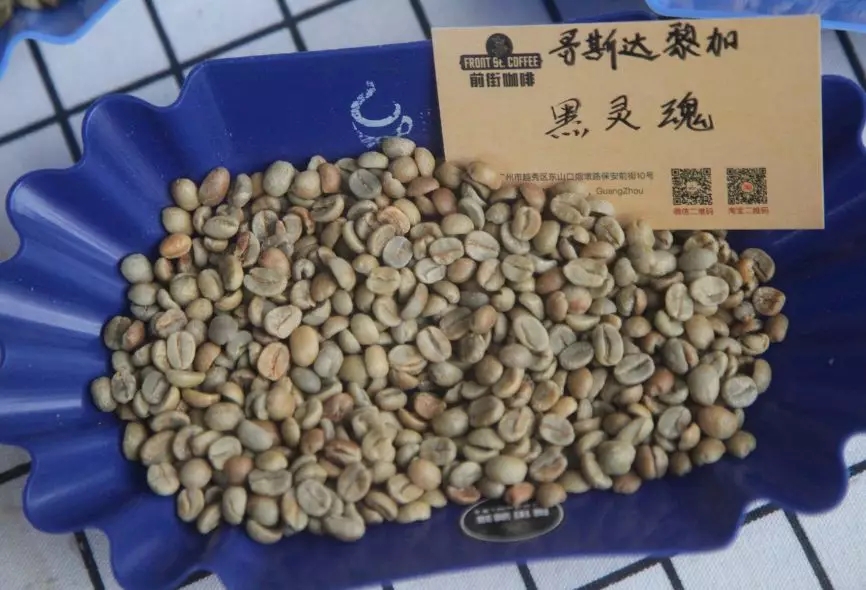
Looking at the green bean appearance, the 【Pilon】 uses the Caturra variety, with minimal silverskin remaining and a bluish-green bean color, accompanied by natural aromas of black plum and berries;the 【Black Soul】 and 【Genesis】 are blends of Caturra and Catuai varieties, with more silverskin and a distinctly yellowish bean hue. The 【Black Soul】 emits a faint hawthorn-like sour aroma, while the 【Genesis】 has fresh notes of fermented berries and grass. These visual and olfactory traits often also hint at the flavor direction during subsequent brewing.
In terms of roast profiles, all three beans are roasted to a medium-light level to preserve the fruity and fermented complexity brought by the natural processing.The 【Pilon】 reaches the yellowing point at 5 minutes 25 seconds, with first crack starting at 9 minutes 22 seconds and an exit temperature of 196°C; the 【Genesis】 has first crack beginning at 9 minutes at a temperature of 185.7°C; the 【Black Soul】 starts first crack at 8 minutes 50 seconds at 185.4°C. Each bean has a slightly different Roast Delta value, reflecting the roaster’s strategic adjustments to highlight specific flavor attributes. Among them, the 【Pilon】 has the highest Delta value (12.7), indicating a more extended roast curve that helps bring out complex fermented aromas.
In cupping performance, the 【Pilon】 displays intense fermented winey aromas, accompanied by layered flavors of orange, almond, berries, sweet rice wine, and whiskey, resulting in a bold and well-defined flavor profile; the 【Genesis】 presents gentle fermented fruity notes with citrus, cream, nuts, and cocoa, finishing with a slight tea-like aftertaste for a more balanced taste; the 【Black Soul】 offers pronounced floral and fermented fruit aromas, with citrus, sweet orange, and plum acidity dominating the cup, delivering a juicy mouthfeel, and a refreshing fruit-tea-like finish.
For actual pour-over brewing, it is recommended to use a Hario V60 filter, with water temperature around 90°C, grind size at 80% passing through a Chinese standard No. 20 sieve (BG 5R), a 1:15 coffee-to-water ratio, and a step brewing method to fully showcase the unique characteristics of each bean.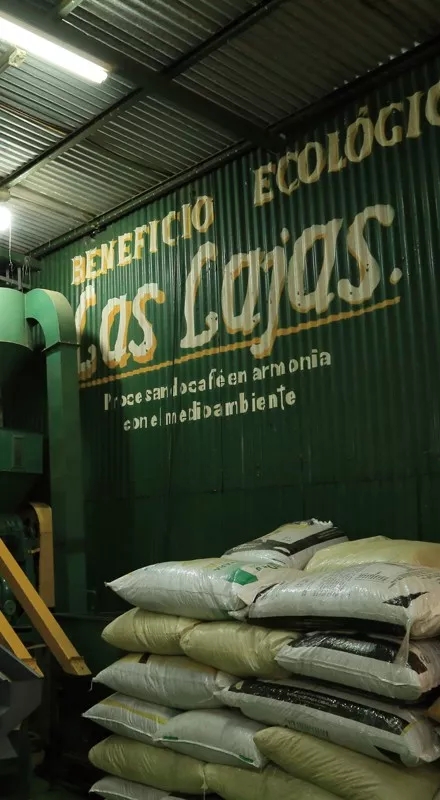
In summary, these three natural coffees from different regions of Costa Rica, though sharing the common trait of fermented aromas, each excel in aroma type, flavor focus, and mouthfeel expression.The 【Pilon】 offers intense wine-like aromas, akin to sipping a tropical fruit brew; the 【Genesis】 delivers a balanced profile, integrating layers of chocolate, nuts, and cream; the 【Black Soul】 highlights the vibrant acidity and juiciness of tropical fruits. Whether you’re just getting into natural coffee or looking to explore the unique charm of Costa Rica’s micro-regions, these three beans are must-try classics.
The above content is compiled by CoffeeHunters, a coffee news website.


