







Introduction:Cold brew coffee, with its refreshing and smooth characteristics, has become the top choice for iced coffee in the summer. This article delves into the scientific principles behind low-temperature, long-duration extraction, details the recommended coffee-to-water ratio and grind size for home brewing, and recommends several light-roasted beans well-suited for cold brew—helping you master this DIY coffee skill and enjoy a purer coffee flavor.
In recent years, cold brew coffee has sparked a trend in the global specialty coffee scene, especially during hot summers, becoming the go-to choice for many seeking a refreshing taste. Compared to traditional high-temperature hot water extraction, cold brew involves steeping coffee grounds in cold water over an extended period, usually taking 8 to 12 hours, resulting in a distinctly different flavor experience.
Because it doesn’t undergo high-temperature processing, cold brew effectively reduces bitterness, astringency, and the release of excessive oils, leading to a smoother and cleaner overall taste. However, due to the prolonged contact between coffee grounds and water, it can release a higher concentration of caffeine, and sometimes even carry a slight aroma reminiscent of mild alcohol fermentation. If the concentration is too high, it may also cause dizziness or discomfort in some drinkers.

So why does low-temperature extraction significantly reduce the bitterness and astringency of coffee? The key lies in the fact that a cooler environment effectively suppresses the release of large-molecule bitter compounds and high-body compounds. At the same time, the extended steeping time allows small-molecule flavor compounds ample opportunity to dissolve, resulting in a cold brew that often features clear, layered flavors and a richer mouthfeel.
However, without the explosive acidity and sweetness brought by high temperatures, if the beans themselves lack sufficient fruit acidity and sweetness, the overall drink can easily become monotonous and dull. Therefore, selecting freshly roasted coffee beans with bright fruit acidity and a clear flavor profile is crucial for cold brew. The quality differences in beans are magnified during the cold brew process, so it’s recommended to choose products with strict selection and stable flavor.
It’s worth mentioning that cold brew coffee has become an important item driving summer coffee sales in recent years. Its popularity not only surpasses that of traditional iced coffee but has also successfully attracted a new generation of consumers, primarily from the millennial demographic. With international chains like Starbucks launching various cold brew variations—such as nitrogen cold brew and velvet cold brew—since 2015, the drink’s popularity has remained consistently high.
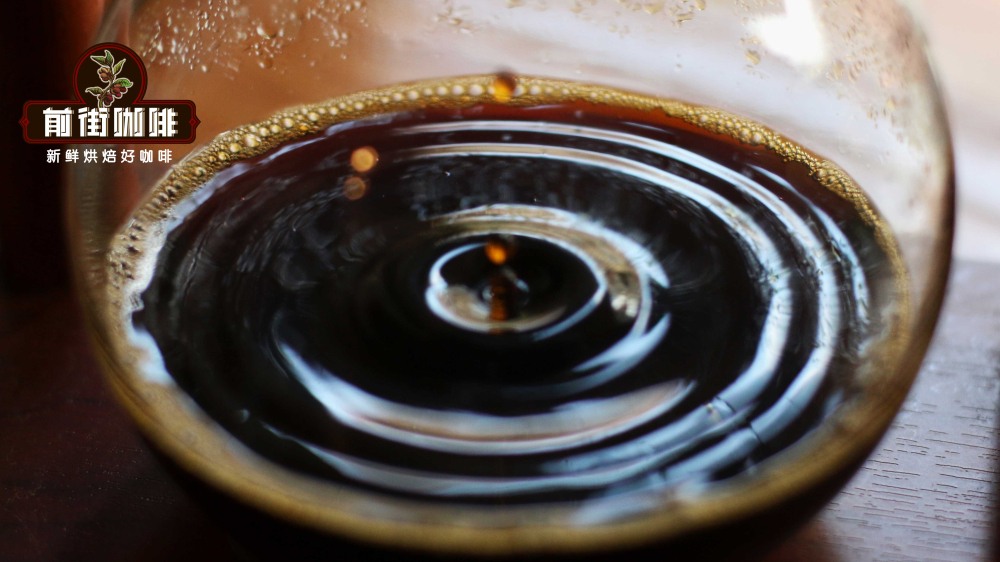
Although ordering a cup of cold brew at a café can be quite pricey, mastering the correct ratio and technique allows you to easily replicate this popular iced coffee at home. First, in terms of grind size, because water molecules are less active in a low-temperature environment, it’s recommended to adjust the grind to be slightly coarser than that used for pour over coffee—roughly similar to the coarseness of white sugar, but not too fine, with a 70–75% passing rate through a Chinese standard No. 20 sieve being ideal.
Generally speaking, to make 1 to 2 servings of cold brew coffee, it is recommended to use30 grams of coffee grounds, paired witha 1:13 coffee-to-water ratio, which equates to approximately390 to 400 milliliters of cold or ice water. After thoroughly mixing the coffee grounds with cold water, pour the mixture into a clean, oil-free, airtight container and let it steep in the refrigerator for 8 to 12 hours. This period allows the coffee to fully infuse and extract delicate, balanced flavors.
After extraction, be sure to thoroughly filter out the coffee grounds. It’s recommended to use high-quality filter paper to ensure the coffee liquid is clear and free of impurities. Improper filtering can easily lead to a cloudy or sediment-filled final product, affecting both taste and appearance. Additionally, since some flavor compounds in cold brew coffee have not yet fully released right after brewing, it’s advisable to let it chill and rest for 3 to 4 hours before drinking, as this will result in a rounder, brighter flavor.
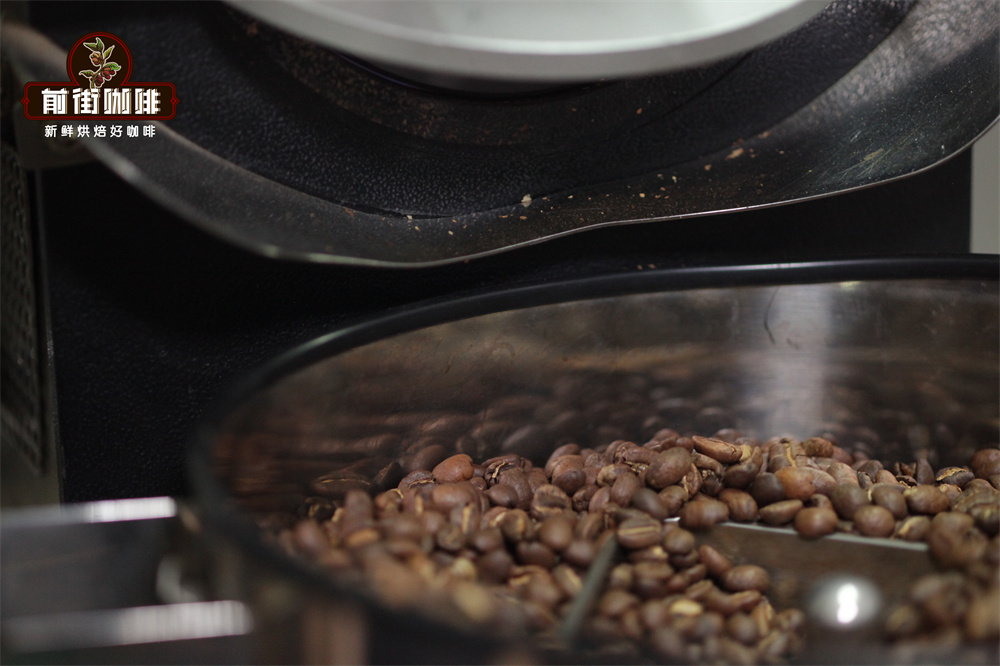
In terms of bean selection, lightly roasted coffee beans often better showcase the unique charm of cold brew. For example, beans from Ethiopia’s Yirgacheffe region often feature bright flavors such as citrus, white floral notes, honey, and tea-like undertones; Kenyan beans are known for their rich acidity and sweetness, with tasting notes like cherry tomato, black plum, plum, and caramel; Costa Rican beans, with their dried fruit fermentation aromas and red floral profiles, often deliver a creamy almond-like body.
If you’re looking to explore more distinctive flavor combinations, you might also consider beans from regions like Colombia’s Huila, which often exhibit sweet fruit tones such as passionfruit, blackcurrant, and apricot when brewed as cold brew—adding a unique flavor layer to your summer iced coffee.
The above content is compiled by CoffeeHunters, a coffee news website.


