







Introduction:Geisha coffee is renowned for its unique jasmine-like floral aroma, bright citrus notes, and honey-sweet aftertaste, making it a highly sought-after variety among specialty coffee enthusiasts worldwide. This article delves into the roasting strategies for Geisha, exploring how medium-light roasting perfectly highlights its floral and fruity flavors, while comparing the characteristics of different producing regions and processing methods. It also provides practical pour-over brewing tips and storage advice to help you master the allure of Geisha from beginner to advanced levels.
In recent years, Geisha coffee has held a prominent position in the specialty coffee scene, often praised as “a coffee that doesn’t taste like coffee” due to its elegant jasmine, citrus fruit aromas, and honey-like sweetness. Compared to traditional coffees with their heavy bitterness, Geisha offers a more juice-tea-like refreshing texture, with a clean and bright acidity, rich layers, and a long-lasting finish.
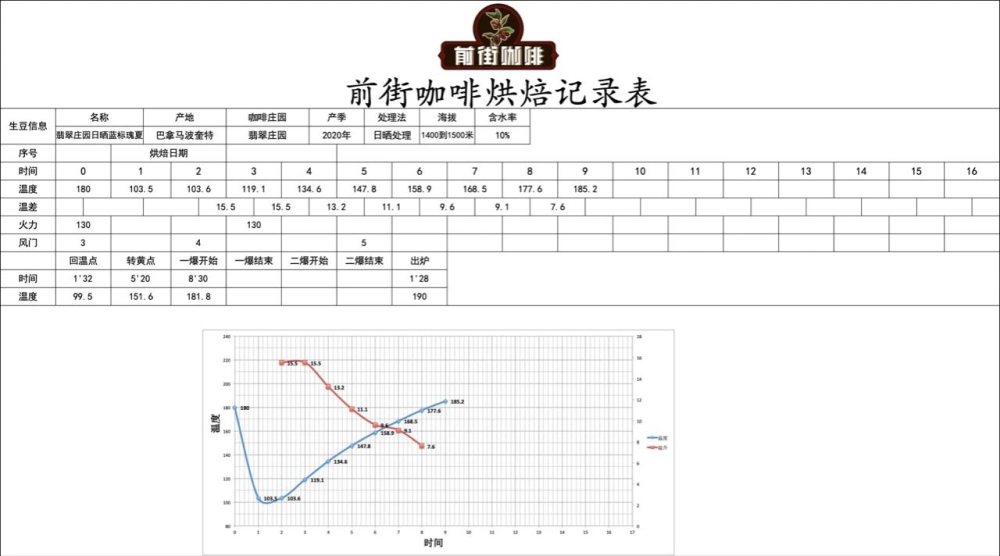
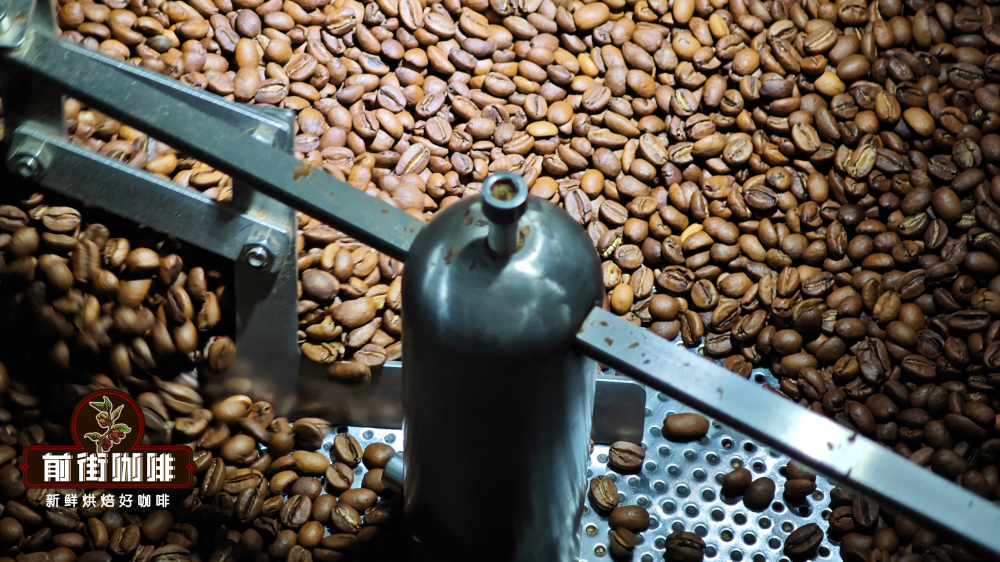
The roasting strategy for Geisha coffee primarily focuses on medium-light roasts, aiming to preserve its inherently excellent acidity and delicate floral and fruity aromas. For example, the Blue Label Geisha from La Esmeralda Estate extends the drying phase during roasting to ensure even heat distribution between the bean surface and core, further unlocking its hidden aromatic potential. Medium-light roasting not only retains the soulful essence of Geisha but also presents more robust flavor layers during brewing.
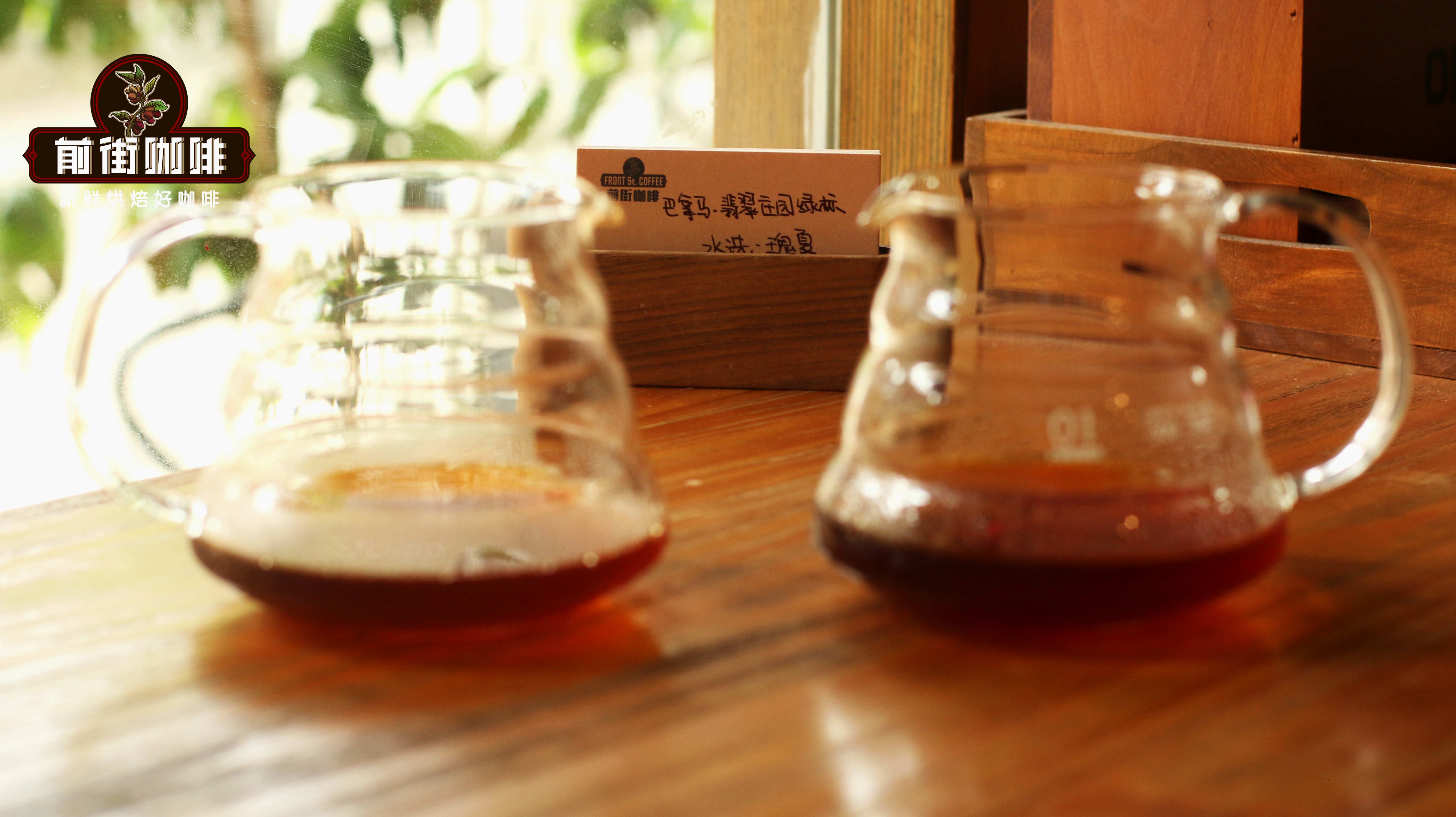
However, medium-light roasting also means the coffee beans have higher density and hardness, so it’s necessary to appropriately increase the water temperature and use a slightly finer grind size during brewing to improve extraction efficiency and fully release its aromatic compounds. If the grind is too coarse or the water temperature is too low, it can easily lead to under-extraction, resulting in bland flavors or even sharp acidity.
Geisha coffee originally comes from the Geisha Mountains in Ethiopia (Geisha Mountain), and its name sounds similar to the Japanese word for “geisha.” Starting in 1931, these coffee beans were transplanted through Kenya, Tanzania, and Costa Rica before finally taking root in Panama in the 1960s. After nearly half a century of obscurity, Geisha finally gained fame by winning the Best of Panama Cup Tasting Championship consecutively between 2005 and 2007.
What makes Panamanian Geisha truly unique is its connection to the region’s special microclimate. The combination of high-altitude volcanic soil, ample cloud cover, and a rich ecological environment together cultivates Geisha’s intense floral notes, delicate fruit acidity, and multi-layered mouthfeel. Especially in the Boquete region, close to the Barú Volcano, with its fertile soil and cool climate, it is an ideal environment for Geisha cultivation. Among them, the Geisha from Hacienda La Esmeralda is an especially representative and iconic example.
Beyond Panama, producing regions such as Costa Rica and Colombia have also gradually begun cultivating Geisha, showcasing distinct regional flavor profiles. For instance, Finca Las Lajas Micromill in the Tarrazú region of Costa Rica uses a raisin honey processing method to create a richly sweet and viscous Geisha coffee. This processing method preserves the complete mucilage layer and undergoes prolonged sun drying, imparting a deeper sweetness and intense aroma to the coffee, resulting in a more compact flavor and a long-lasting finish.
Colombia’s Huila region is no less impressive. The locally produced “Hanami Geisha” combines the Geisha, Caturra, and Catuaí varieties, using the washed processing method to present a classic and balanced flavor profile. When brewed at high temperatures, it emits herbal aromas of chamomile and pink peppercorn; at medium temperatures, it reveals bright acidity and sweetness of Valencia oranges and honey; and at lower temperatures, it transitions into a mild almond-like aftertaste. It’s a Geisha coffee with highly dramatic flavor shifts depending on brew temperature.
In terms of processing methods, Geisha is mostly processed using two traditional techniques: washed and natural (sun-dried). The washed process emphasizes a clean and clear flavor profile by fermenting to remove the mucilage layer and then sun-drying to reduce moisture content, ultimately delivering a delicate and bright acidity along with regional terroir characteristics. In contrast, the natural process involves drying coffee cherries in the sun for extended periods, sometimes with special fermentation treatments, giving the coffee a fuller juiciness and intense sweetness.
Specifically, the washed process includes steps such as floatation to remove defective beans, removal of pulp and skin, fermentation to remove mucilage, rinsing with clean water, and final sun drying. The natural process may involve drying in greenhouses, oxygen-isolated fermentation, or even retaining 100% of the fruit flesh for deep fermentation to further enhance flavor intensity and sweetness.
For pour-over brewing of Geisha, it is recommended to use a medium-fine grind size (e.g., about 80% passing through a 20-mesh sieve in China, roughly the coarseness of coarse sugar), paired with a V60 filter cone, a water temperature of around 91°C, and a coffee-to-water ratio set at 1:15. Use a three-stage pouring method: start with a 30-second bloom using twice the coffee’s weight in water (about 30 grams) to release carbon dioxide and stabilize subsequent extraction. Then pour in a small circular motion up to 125 grams for the first pour, continue to 225 grams, and then stop. The total extraction time should be controlled to around 2 minutes.
The freshness of the coffee beans is crucial to the flavor of Geisha. It is generally recommended to choose beans roasted within 5 days and allow a 4–7 day resting (degassing) period to let residual carbon dioxide fully dissipate for optimal flavor expression. If purchasing pre-ground coffee, there’s no need for resting, but since ground coffee has a larger surface area exposed to air and oxidizes faster, it’s best to brew it as soon as possible to enjoy the best flavor.
The above content is compiled by CoffeeHunters, a coffee news website.


