








Introduction:Want to dive deeper into the variety characteristics of Colombian coffee and its export grading system? This article will take you through the diverse flavor profiles of Colombian coffee — from classic Caturra to the disease-resistant new variety Castillo — while analyzing FNC’s rigorous grading standards to help you grasp the essence of this major South American coffee powerhouse more precisely.
Colombian coffee has always played a significant role in the global specialty coffee market. Its uniquely favorable low-latitude, high-altitude geography creates coffee beans with rich and varied flavor layers. From the widely planted Caturra in earlier years to the disease-resistant Castillo in recent times, Colombian coffee varieties have continued to evolve over decades. Meanwhile, the strict quality control mechanism implemented by the National Federation of Coffee Growers (FNC) has established a systematic grading standard. This article will provide an accessible overview of the evolution, main producing regions, and official grading system of Colombia’s major coffee varieties, helping coffee enthusiasts gain a more comprehensive understanding of the unique charm of this South American coffee kingdom.

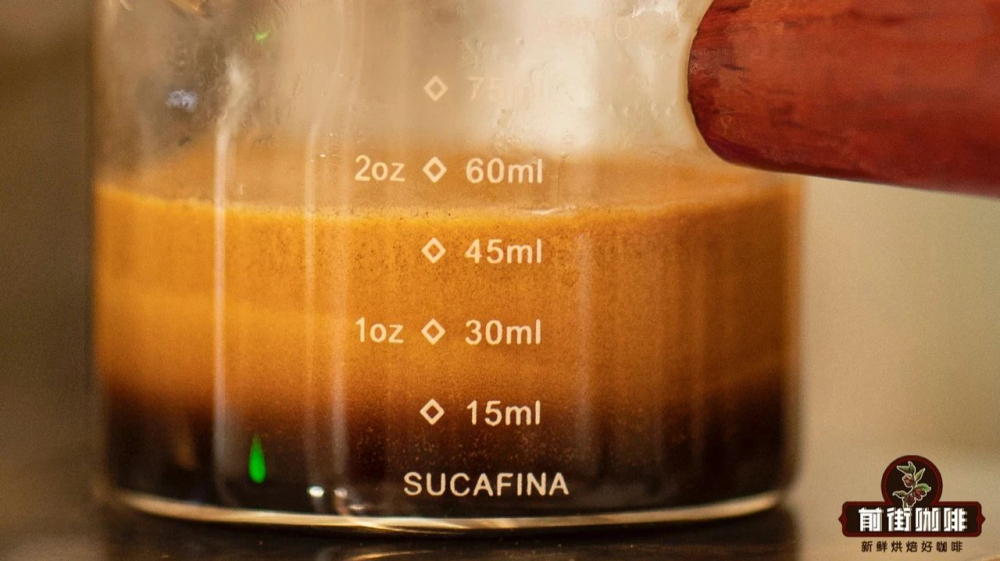
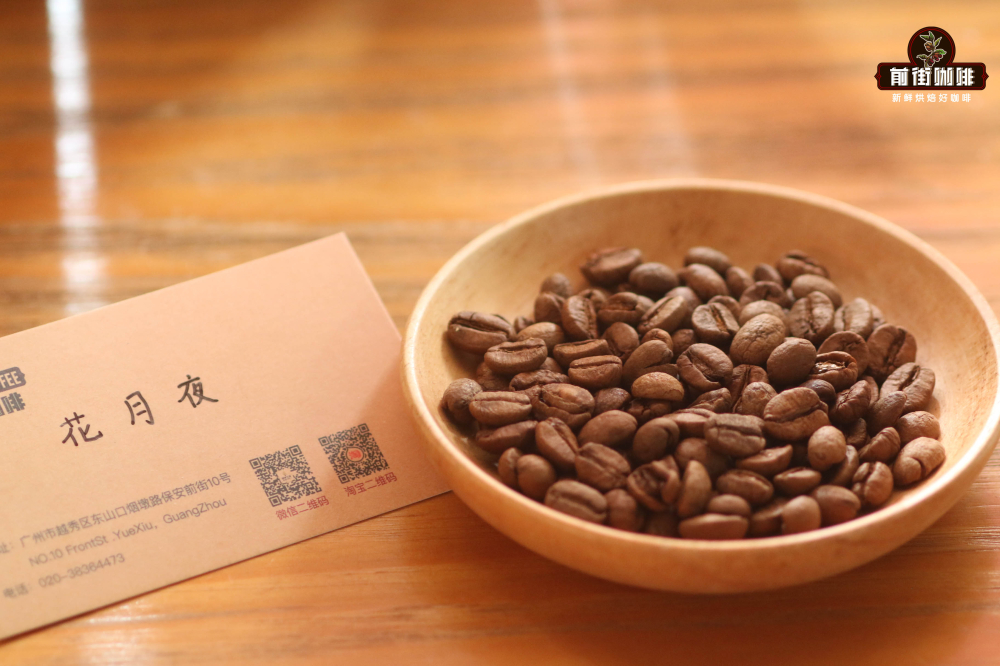
In the specialty coffee market, the choice of espresso blends often determines the final flavor profile. Taking a well-known coffee brand as an example, its classic espresso blend formula has long drawn consumer attention. In the early days, the brand used a combination of beans from Brazil and Colombia, which enhanced the nutty notes of espresso and improved overall body, making it smoother when paired with milk. However, many consumers often mistakenly assume that Brazilian and Colombian coffees taste similar, though in reality the differences are significant. Brazilian coffee typically features lower acidity and a prominent body, whereas Colombian coffee offers a richer flavor spectrum. For instance, a single-origin bean from a certain brand — “Flower Moon Night” — showcases distinct rose floral notes, intense strawberry jam sweetness, and as the temperature drops, fermentation aromas emerge, with the finish shifting toward chocolate tones.
Currently, Colombia ranks third globally in coffee production, with nearly all of it managed and exported under the unified coordination of the National Federation of Coffee Growers (FNC). As a non-profit organization, the FNC represents over 50,000 coffee producers, most of whom operate small family farms. As one brand pointed out in analyzing the differences between Brazilian and Colombian producing regions, Colombia’s growing environment holds clear advantages: low latitude combined with high altitude, along with diverse terrain, provides ideal conditions for coffee cultivation.
In the development history of Colombian coffee varieties, Caturra and the Colombia variety have played pivotal roles. Introduced from Brazil in the 1960s, Caturra gradually replaced the earliest Typica variety; by the 1980s, the Colombia variety (Variedad Colombia), developed by Cenicafe, further significantly reduced the presence of Typica. The Colombia variety is a descendant of a Caturra and Timor hybrid, and although it shares lineage with the common Catimor, it has undergone multi-generational crossbreeding with Arabica varieties, resulting in a notably more elegant flavor profile. Notably, the cultivation of the Colombia variety took over 15 years, involving more than five generations of selection between 1968 and 1982, and was launched just before the first outbreak of coffee leaf rust in Colombia in 1983, offering farmers a degree of disease resistance.
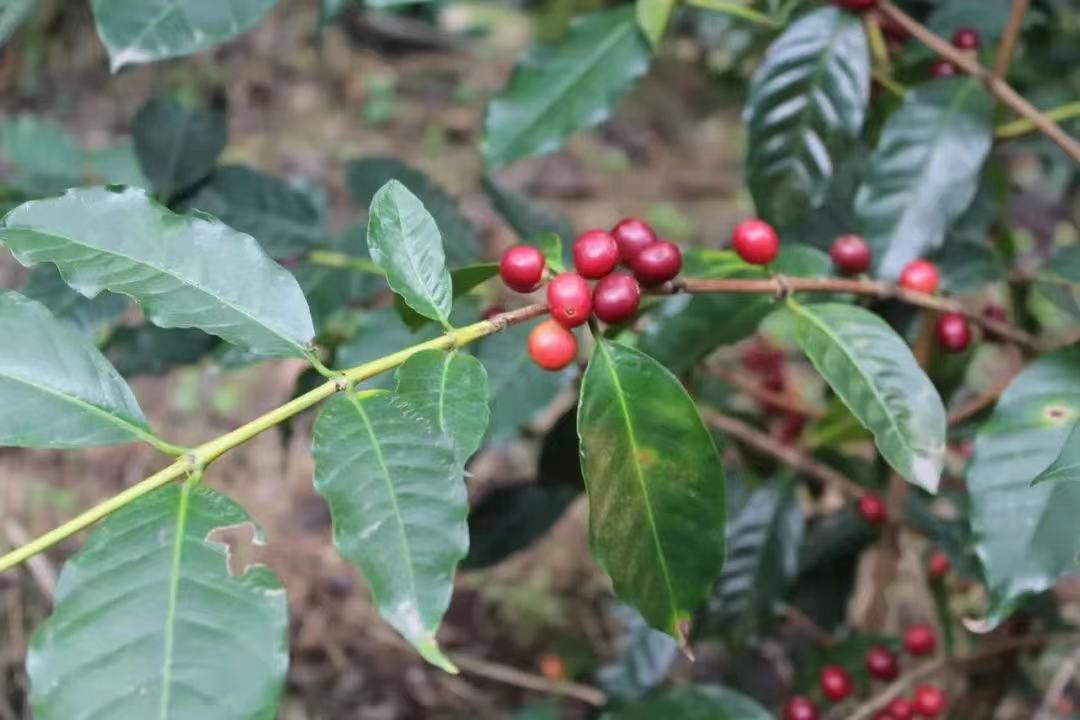
However, with the emergence of coffee berry disease (CBD) in the early 2000s, the FNC continued investing in variety improvement, eventually launching the more disease-resistant Castillo variety in 2005. This achievement, known as the “Rust-Free Colombia Plan,” successfully helped the producing regions recover and elevate coffee quality. Today, Castillo has become one of the most widely planted varieties in Colombia. For example, a certain brand’s “Cherry Blossom” is of the Castillo variety, with the following recommended extraction parameters: use a V60 #01 filter, 15 grams of coffee grounds, a 1:15 coffee-to-water ratio, water temperature at 90°C, and medium-fine grind (approximately 78% passing through a #20 sieve). The specific steps are as follows: first pour 30 grams of water for a 30-second bloom, then pour to 125 grams in the second stage, and finally to 225 grams in the last stage, with total extraction time controlled to around 2 minutes. This coffee features pronounced spice notes, with aromas of mugwort and berry jam, along with strong enzymatic character.
Colombia’s specialty coffee beans mainly come from high-altitude regions in the south, including San Agustín in the department of Huila, Popayán in Cauca, as well as areas in Nariño and Tolima. These producing regions generally sit above 1,500 meters in altitude, and the coffee produced there often exhibits delicate floral notes. Overall, Colombian coffee is characterized by balanced acidity and sweetness, prominent caramel aromas, and full sweetness. Together, these regions form the famous “Coffee Triangle,” extending from south to north along the Andes Mountains.
The main coffee-producing regions in Colombia include: Antioquia (centered around Medellín, accounting for 18% of total production), Tolima (Ibagué region), Caldas (Manizales, 29% of total production), Valle del Cauca (Cali, 13% of total production), Huila (Neiva, 5% of total production), Cauca (Popayán, 4% of total production), and Santander (Bucaramanga).
It is particularly important to note that altitude has an extremely significant impact on coffee flavor. In high-altitude environments, due to lower temperatures and thinner oxygen levels, the ripening process of coffee cherries slows down, allowing the beans more time to accumulate sugars and aromatic compounds, thereby forming a richer flavor profile. To ensure export quality, the FNC has established a strict grading system, primarily classifying coffee beans based on size, shape, and screening results:
Supremo 18: Large, flat-shaped beans screened through an 18-mesh sieve, with a 10% flexibility allowance, but must include 17-mesh retained beans.
Supremo 17/18: Large, uniformly flat beans that must remain on a 17/18-mesh sieve, with a 5% flexibility allowance, but must include 14-mesh retained beans.
Excelso EP 10% and 5%: Medium to large flat beans that must remain on a 15-mesh sieve, with an allowance of 10% or 5% of beans falling through to 14/12-mesh sieves.
UQG (Usually Good Quality): Usually good quality, referring to beans below 14-mesh but above 12-mesh, accounting for no more than 1.5%.
The above content is compiled by CoffeeHunters, a coffee news website.


