








Introduction:Colombia is the world’s third-largest coffee-producing country, renowned for its bright acidity, rich sweetness, and distinctive flavor complexity. This article delves into the evolution of Colombia’s major coffee varieties—such as Caturra, Colombia, and Castillo—while exploring the characteristics of each producing region, the official grading system, and offering practical pour-over and espresso brewing recommendations to help you better understand the specialty coffee potential nurtured by the Andes Mountains.
Colombia ranks as the third-largest global coffee producer, and its coffee is widely praised for its bright acidity, outstanding sweetness, and nuanced, multifaceted flavor profiles. From the classic Caturra and the iconic Colombia variety to the disease-resistant Castillo, each variety’s development reflects the relentless efforts of local agricultural institutions like FNC and Cenicafe in combating leaf rust and coffee berry disease. This article will take you deep into the evolution of Colombian coffee varieties, the distribution of major producing regions, the official grading standards, and through practical brewing parameters, uncover the secrets behind how highland-grown beans can deliver notes of rose, berry compote, and chocolate in the finish.

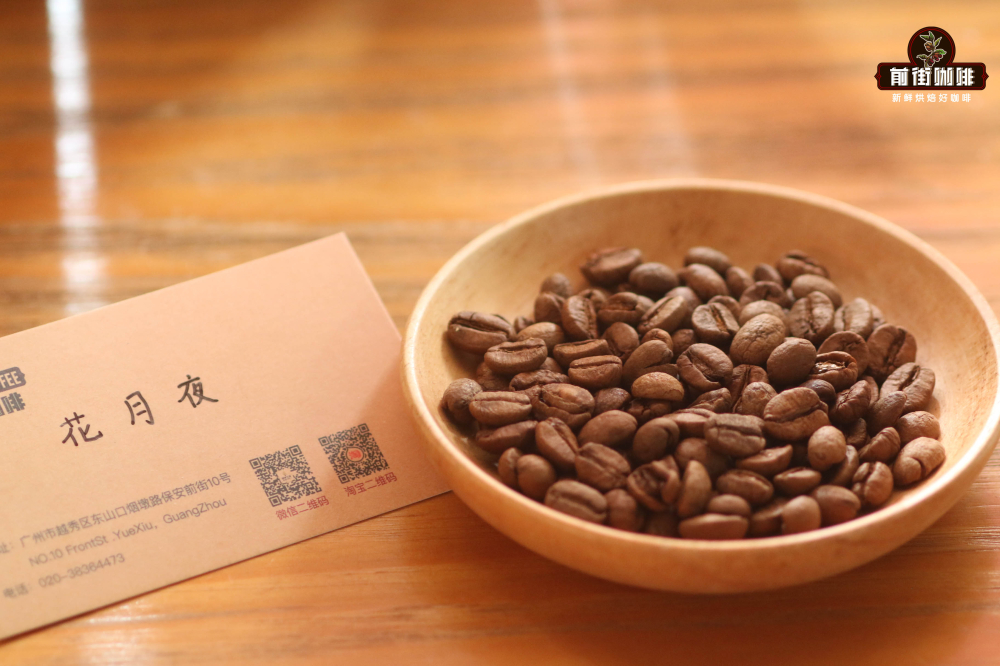
Many consumers, when selecting Colombian coffee, often hear about the traditional espresso blend “Brazil + Colombia.” This formula is designed to enhance the nutty profile of espresso, improving body and milk compatibility. However, Brazilian and Colombian coffees actually have very different flavor profiles. Brazilian beans typically exhibit lower acidity and a heavier mouthfeel, while Colombian beans showcase more complexity and fruity notes. For example, a single-origin Colombian coffee from a certain brand, "Flower Moon Night," delivers clear rose floral notes with intense strawberry jam flavors. As it cools, subtle fermentation undertones emerge, with the finish transitioning into a mellow chocolate tone.
 Colombia currently ranks third in global coffee production, with nearly all output coordinated by the nonprofit organization—Colombia’s National Federation of Coffee Growers (FNC)—which oversees production and export. The FNC represents over 50,000 producers, primarily smallholder family farms. Colombia’s exceptional geographical conditions—including low latitude, high altitude, and diverse terrain—provide an ideal environment for coffee cultivation, also laying the foundation for its unique flavor characteristics.
When it comes to coffee varieties in Colombia, Caturra and Colombia are two main pillars. As early as the 1960s, Caturra—originating from Brazil—gradually replaced the original Typica variety. By the 1980s, the FNC introduced the newly cultivated “Colombia” variety, which significantly reduced the planting ratio of Typica. It’s worth noting that the Colombia variety is a hybrid resulting from the crossbreeding of Caturra and Timor (a member of the Typica lineage), and not the commonly seen Catimor on the market. Despite genetic similarities, the FNC emphasizes that through generations of crossbreeding among Arabica varieties, the Colombia variety achieves a more elegant and refined flavor expression, far surpassing typical Catimor varieties.
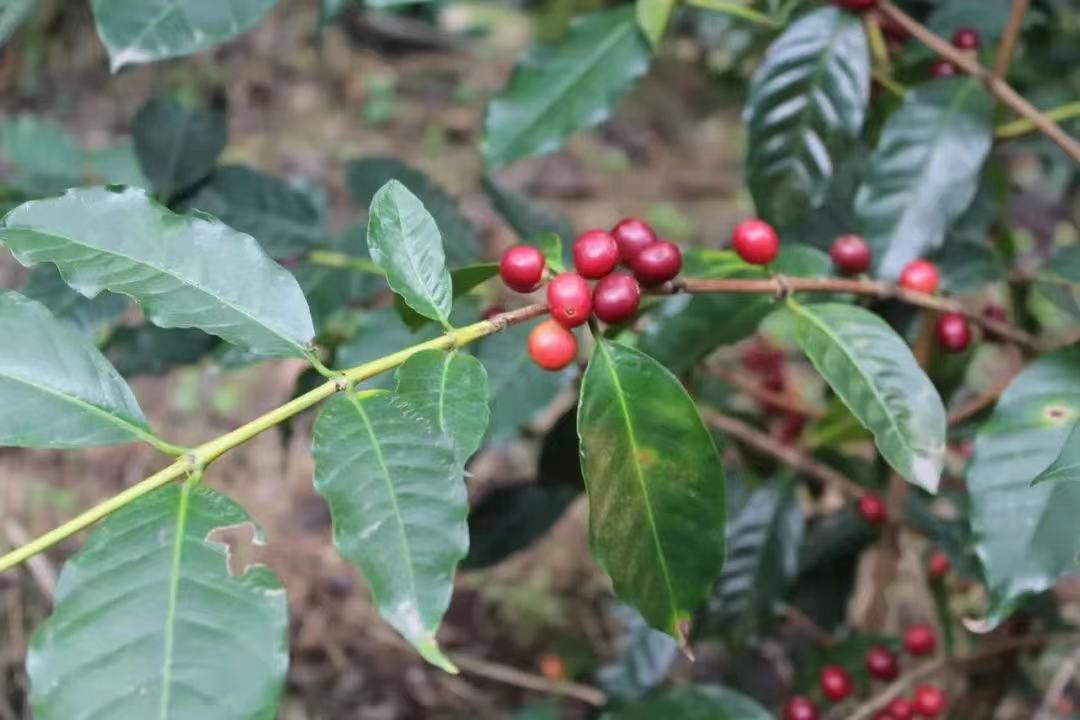
 The Colombia variety (Variedad Colombia) was successfully developed by Cenicafe after more than five generations of breeding research between 1968 and 1982. It was already cultivated before the first large-scale outbreak of coffee leaf rust in Colombia in 1983, effectively helping farmers weather the crisis. However, research did not stop there. With the emergence of coffee berry disease (CBD) in the early 2000s, the FNC continued investing in variety improvement, leading to the development of new disease-resistant varieties such as Tabi and Castillo.
Castillo was officially promoted to coffee farmers in May 2005, marking a significant milestone in the FNC’s “Rust-Free Colombia Plan,” which aims to revitalize and enhance the production capacity of high-quality Colombian coffee. To this day, Castillo has become the most widely planted coffee variety in Colombia. Taking practical extraction as an example, one brand uses a three-stage extraction method to showcase Castillo’s potential: using a V60 #01 filter, 15g coffee dose, 1:15 brew ratio, water temperature controlled at 90°C, and grind size at medium-fine (approximately 78% passing through a #20 sieve). The first 30g water is poured for a 30-second bloom, followed by the second pour to 125g, and the final pour to 225g, with total extraction time around 2 minutes. This method fully highlights Castillo’s unique spice tones, prominent berry compote flavors, and intense fermentation character.
Colombia’s specialty coffee mainly comes from the southern highlands, where elevations mostly exceed 1500 meters, including regions like Santa Rosa de Cabal in the Valle del Cauca, Popayán in Cauca, and areas in Nariño and Tolima. The coffee produced in these regions typically features delicate floral notes, clear acidity, pronounced sweetness, and captivating caramel aromas. This area, known as the “Coffee Triangle,” stretches from south to north along the Andes Mountains and is the core region for high-quality Colombian coffee.
 The main coffee-producing regions in Colombia are as follows: Antioquia (centered around Medellín, accounting for about 18% of total production), Tolima (centered around Ibagué), Caldas (centered around Manizales, about 29% of total production), Valle del Cauca (centered around Cali, about 13%), Huila (centered around Neiva, about 5%), Cauca (centered around Popayán, about 4%), and Santander (centered around Bucaramanga).
In Colombia, altitude is a key factor influencing coffee flavor and quality. High-altitude regions have thinner oxygen levels and cooler temperatures, slowing down the ripening process of coffee cherries. This allows for greater accumulation of sugars and aromatic compounds, resulting in richer flavor profiles. To ensure export quality, the FNC strictly grades all export batches, primarily classifying them based on bean size, shape, and defect rate:
Supremo 18: Must pass through an 18-mesh sieve, allowing up to 10% to pass through a 17-mesh sieve, with the rest retained above 18 mesh; beans are large and smooth in appearance.
Supremo 17/18: Passes through a 17/18-mesh sieve, allowing up to 5% to fall to a 14-mesh sieve, must remain above 17/18 mesh; beans are uniformly plump.
Excelso EP: Primarily above a 15-mesh sieve, allowing up to 10% or 5% to fall to a 14/12-mesh sieve; considered medium-to-large-sized flat beans.
UQG (Usual Good Quality): Passes through a 14-mesh sieve but not beyond a 12-mesh sieve, with an extremely low defect rate, allowing only up to 1.5% of low-quality beans to be mixed in.
Understanding the varietal background, regional characteristics, and grading system of Colombian coffee can help you make more precise judgments when selecting or brewing, whether you’re pour-over or espresso brewing, to fully showcase its unique regional flavors.
The above content is compiled by CoffeeHunters, a coffee news website.


