








Introduction:In recent years, the Sakura series from Colombia’s Paradise Estate has garnered significant attention, particularly the Castillo variety processed through double anaerobic washed fermentation, which stands out with its unique flavors of mugwort, berries, and strawberry jam. This article delves into the high-altitude specialty bean’s regional background, varietal characteristics, processing technique details, and provides expert roasting profiles and pour-over recommendations to help coffee enthusiasts understand its SOE potential and actual flavor performance.
A certain brand’s small black cup featuring Paradise Estate SOE has brought this premium Colombian coffee from Cauca to the attention of more consumers. In fact, Paradise Estate had already built a strong reputation in China’s specialty coffee market as early as 2019 thanks to its unique processing methods, with the Sakura and Strawberry series becoming favorite collections among many seasoned coffee drinkers. This article focuses on the Colombian Paradise Estate Sakura coffee beans introduced by a particular café, dissecting the origins of its unique flavors step-by-step — from the growing environment and varietal genetics to the processing craft — and sharing practical roasting and brewing parameters.

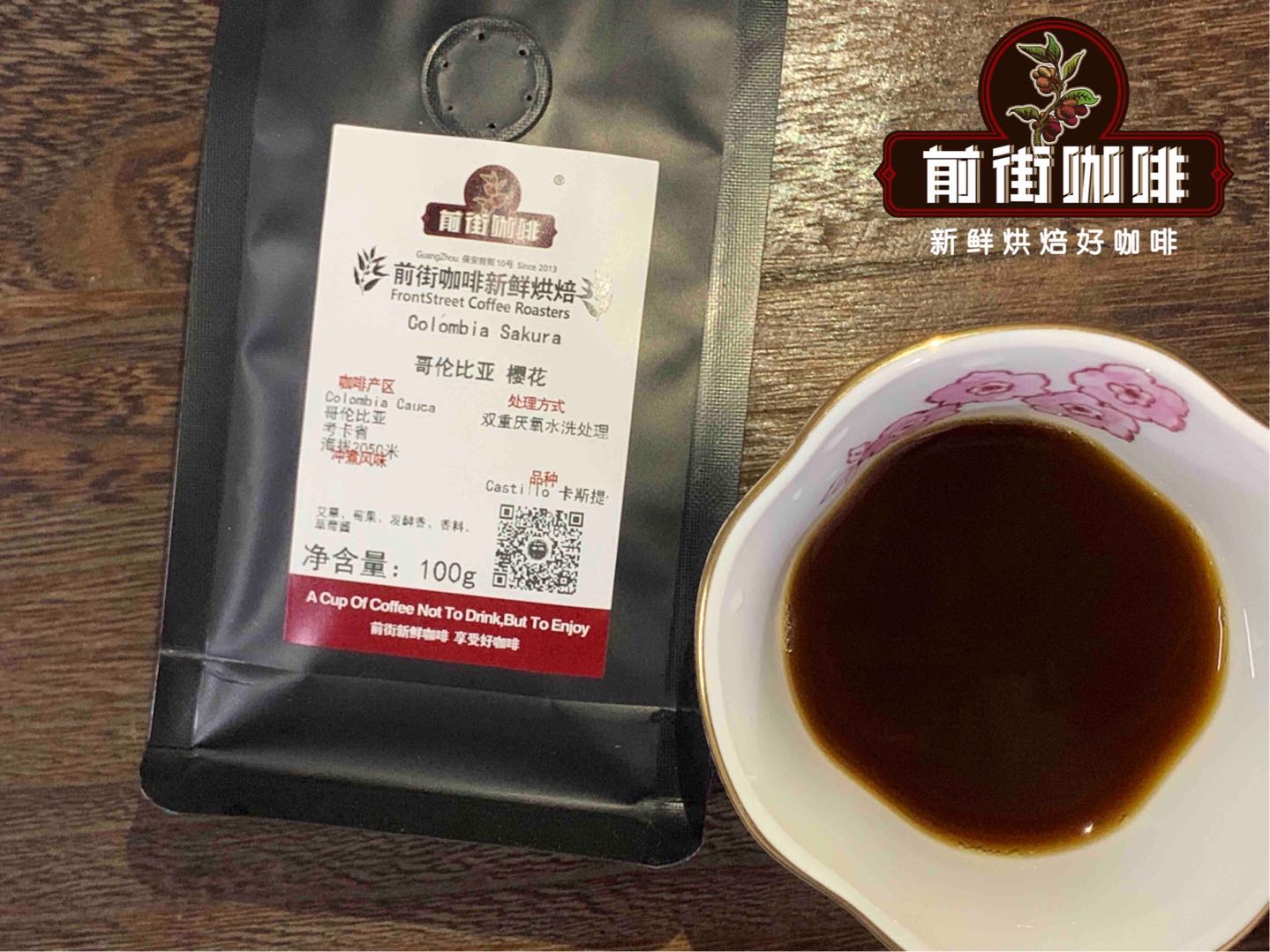
These coffee beans, marketed with a “Sakura” flavor profile, are actually grown at Paradise Estate in Colombia’s Cauca Province, at an altitude as high as 2,050 meters. The high-altitude environment slows the ripening process of the coffee cherries, allowing the beans to accumulate richer sugars and flavor compounds. The selected Castillo variety is a disease-resistant, high-yield cultivar developed by Colombia’s coffee research institute in 2005 through five generations of hybridization between Timor and Caturra — Timor itself being a natural hybrid of Arabica and Robusta, which brings inherent resistance to leaf rust; Caturra inherits the elegant flavor profile of Bourbon and adapts well to dense planting. The combination of the two gives Castillo both disease resistance and strong flavor potential.
The processing method is the core highlight of these beans: employing double anaerobic washed fermentation, with the entire process taking place in sealed stainless steel containers. The stainless steel material helps avoid absorption of foreign odors, ensuring the purity of the flavor; the anaerobic environment makes the fermentation process more stable, reducing external variable interference and allowing aromatic compounds to be fully preserved. According to actual cupping feedback, this processing method imparts distinct notes of mugwort, berries, and spices, with a rich strawberry jam sweetness lingering in the aftertaste.The flavor profile is clear and well-layered..
Paradise Estate was founded in 2008 by Mr. Diego Samuel, initially as a small family farm covering just 2.5 hectares. He continuously reinvested profits into coffee agricultural research, dedicated to exploring the limits of specialty flavor expression. In 2015, he won first place in a regional Colombian competition for the first time, gaining widespread recognition from then on. The estate now grows a diverse range of varieties including Castillo, Bourbon, Pacas (a dwarf bourbon), and Geisha, while also constantly experimenting with new processing techniques.
For these Sakura coffee beans, it is recommended to use a medium-light roast to preserve the fruit character. Practical roasting parameters (using a Yangjia semi-direct-fire 800N roaster and 300g of green beans as an example): charge the drum at 190°C, with initial flame power at 140 and air vent at 3; at the turning point 1 minute and 42 seconds in, when the drum temperature drops to 140°C, adjust the air vent to 4 and maintain the flame power; yellowing of the bean surface (around 151.8°C) marks the start of the drying phase — if the drum temperature reaches 150°C at this point, reduce the flame power to 120; at 8 minutes and 38 seconds, observe ugly wrinkles and black spots appearing on the bean surface, accompanied by the transition from toast aroma to coffee aroma, indicating the prelude to first crack; at 9 minutes and 7 seconds, first crack begins, open the air vent to 4 and allow development to continue for 2 minutes and 10 seconds, finally dropping the beans at 195°C. This roast curve balances bright acidity with a full-bodied sweetness.
For pour-over brewing, it is recommended to use a V60 filter cone, with water temperature controlled at 90–91°C, 15 grams of coffee to a 1:15 coffee-to-water ratio, and medium-fine grind size (78% extraction through a #20 standard sieve). Freshly roasted beans (ideally used within 5 days post-roast) will deliver the best flavor, typically with a rest period of 4–7 days being optimal. The specific brewing method involves a three-stage pour: start with a 30-gram bloom for 30 seconds; then pour slowly in a small stream centered until reaching 125 grams, and when the water level is about to uncover the coffee bed, increase the pour rate to add water up to 225 grams; total extraction time should be controlled between 2 minutes and 00 seconds to 2 minutes and 10 seconds. This method helps to highlight bright citrus acidity, soft floral notes, and the spicy and fruity aftertaste in the finish.
Regarding the performance of these beans as an SOE: their fresh and unique flavor profile, when used to make Americano, can present rich aromatic qualities, especially suiting those who enjoy a balance between fruity acidity and sweetness; however, if used in an SOE latte, the richness of the milk may mask some of the more delicate flavors. It is recommended to try the black coffee form first to fully experience its distinctive character.
The above content is compiled by CoffeeHunters, a coffee news website.


