







Category: Coffee Knowledge
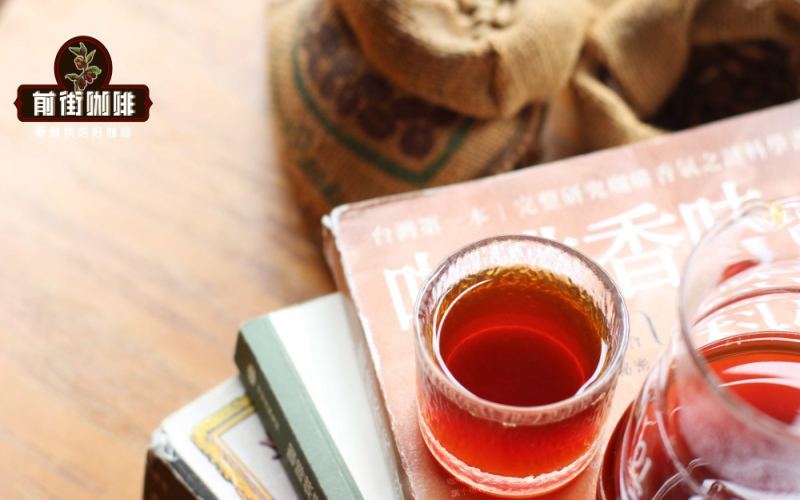
A Complete Guide to the Five Tiers of Ethiopia's Gesha Village|How to Choose Between Auction, Gold, Red, Green, and Chaka Grades
The coffee beans from Ethiopia's Gesha Village Estate are renowned for their unique flavors, but many consumers find its grading system confusing. This article provides an in-depth analysis of the differences between the five tiers—Auction, Gold, Red, Green, and Chaka—explaining the production ratio, flavor profiles, and recommended brewing methods for each batch. It also explores how microclimates and coffee varieties in each growing area influence the final cup, helping coffee enthusiasts make informed choices when selecting Gesha Village coffees. [more…]
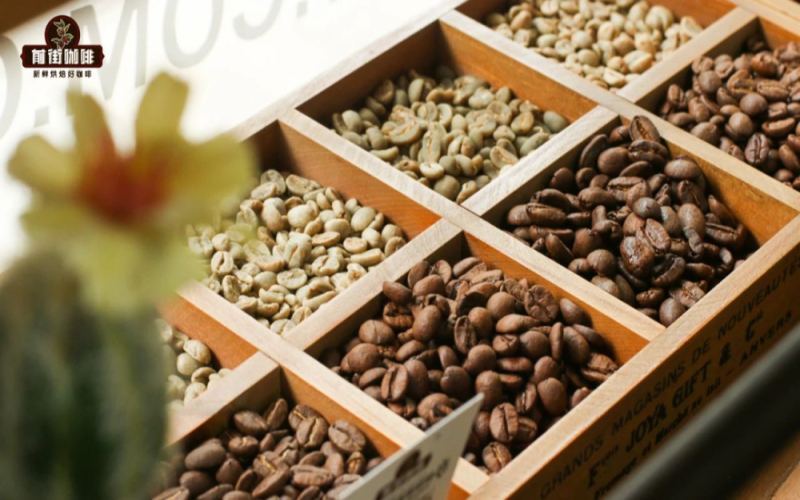
Kenyan Coffee Peaberry vs Flat Bean: A Full Analysis of Flavor Differences and Brewing Parameters
Many coffee enthusiasts believe that peaberries produce better flavors due to receiving more nutrients, but is this really the case? This article takes the PB (peaberry) beans and AA-grade flat beans from Kenya’s Sasiche Estate as a comparison, and conducts an in-depth analysis of the true performance of the two bean types — from variety origins, washed processing methods, roast curve designs, to actual cupping and pour over brewing. In addition to revealing the truth behind the flavor differences between peaberries and flat beans, it also provides professional roasting and extraction recommendations to help you find your own optimal flavor balance. [more…]
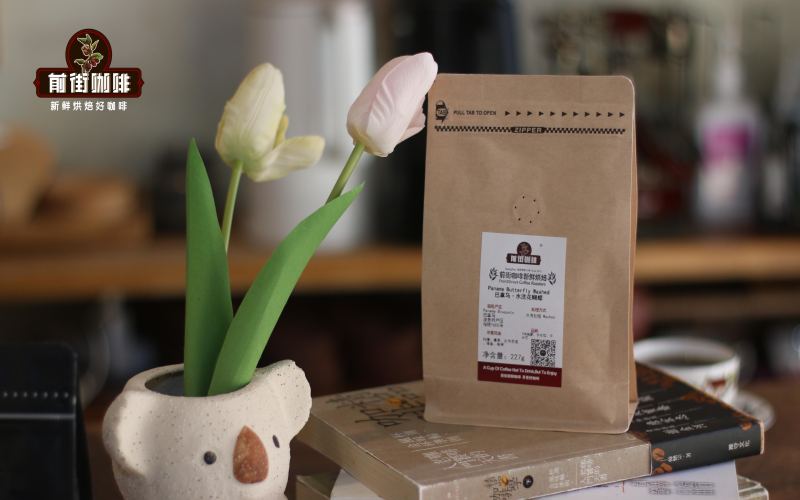
Panama Hua Hudie Bean Analysis: Is the Geisha Blend a Single Origin? Sun-Dried vs. Washed Flavor Comparison & Pour Over Recommendations
The Panama Hua Hudie is often regarded as an "affordable Geisha alternative" due to its blend of 70% Geisha with other varieties, but its identity actually lies somewhere between a single origin and a blend. This article provides an in-depth analysis of its varietal composition, regional characteristics, and processing differences. Through actual cuppings of both the washed and sun-dried versions, we explore how these two processing methods influence flavor profiles. We also offer practical pour over parameters to help you better capture the potential of this popular bean. [more…]
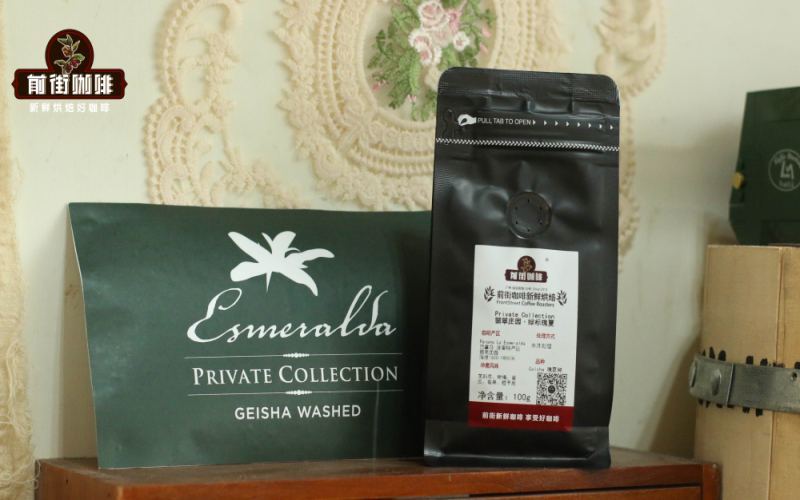
The Ultimate Guide to Panama Geisha Origins: Boquete Region, La Esmeralda Farm Plots Classification, and Red & Green Label Pour Over Parameters
Dive deep into the sacred growing grounds of Panama Geisha — the Boquete region. Explore the classification system of the three premier plots at La Esmeralda Farm, and understand the differences and flavor profiles between Red Label and Green Label Geisha. This article provides practical V60 pour over recommendations and detailed flavor analysis to help you fully grasp the essence of this premium coffee. [more…]
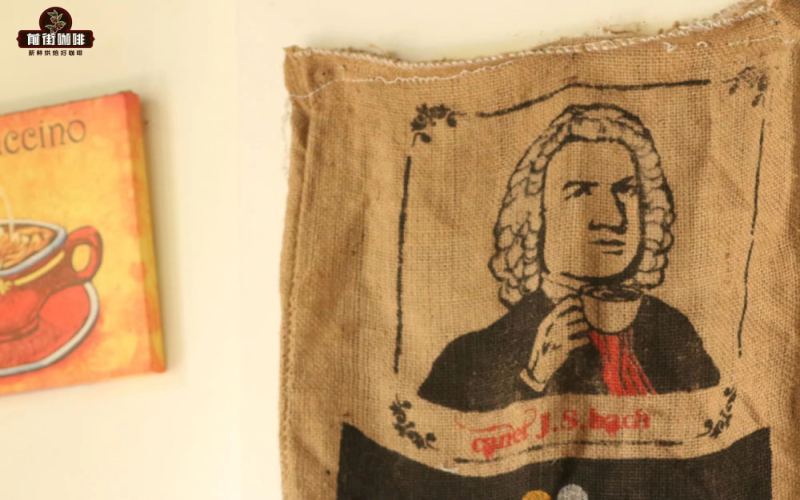
How many calories are in black coffee? What are the effects of drinking too much iced Americano? A complete guide to black coffee for beginners
The "斋啡" (literally "vegetarian coffee") often heard in Hong Kong dramas actually refers to black coffee without sugar or milk. But it’s not just a single type of drink—it encompasses various brewing methods such as pour over and espresso. This article will start with historical context, introducing the evolution of espresso machines, the origins of Americano coffee, and also delve into the key variables of espresso extraction such as pressure, grind size, and coffee-to-water ratio. It will also explain the potential health impacts of long-term excessive consumption of iced Americano, helping readers fully understand this common yet worthwhile beverage. [more…]
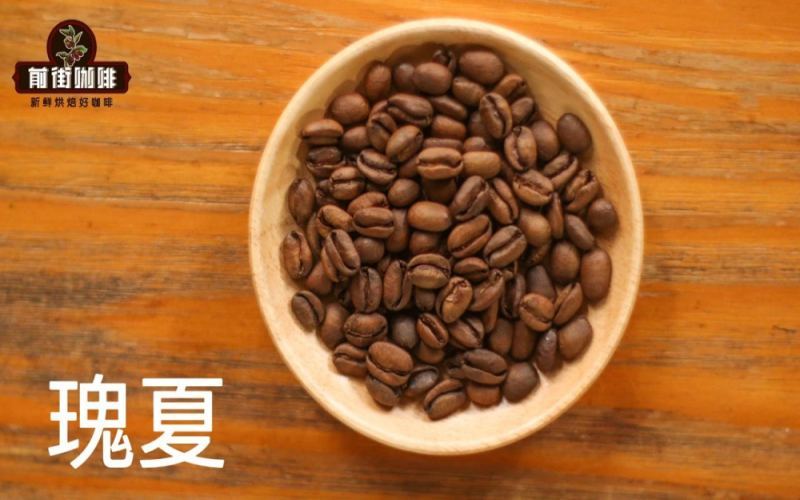
What’s the difference between Panamanian and Ethiopian Geisha beans? A complete guide to pour-over brewing and grade selection
Geisha coffee has gained immense popularity in recent years, but did you know that despite sharing the same name, Geisha beans from Panama and Ethiopia actually differ greatly in flavor and grade classification? This article provides an in-depth analysis of the differences between Panama’s Emerald Green Label, Green Label, and Ethiopia’s Gesha Village Gold Label, Red Label, Green Label, and Chaka, helping you make choices based on taste and budget. It also offers step-by-step instructions and key parameters for pour-over brewing, so you can easily enjoy high-quality Geisha flavors at home. [more…]

Ethiopia Gesha Village Geisha Gold Label: A Complete Guide to Its Varietal Origins & Pour Over Parameters
The grading labels of Geisha coffee can often be confusing — what exactly is the difference between Gold Label, Red Label, and Green Label? This article delves into the varietal background, origin characteristics, and grade positioning of the Ethiopia Gesha Village Geisha Gold Label. It also explains in detail the connection between Geisha 1931 and Panamanian Geisha. Additionally, professional pour over recommendations and flavor profiles are provided to help coffee enthusiasts fully grasp the essence of this top-tier bean, from selection to brewing. [more…]
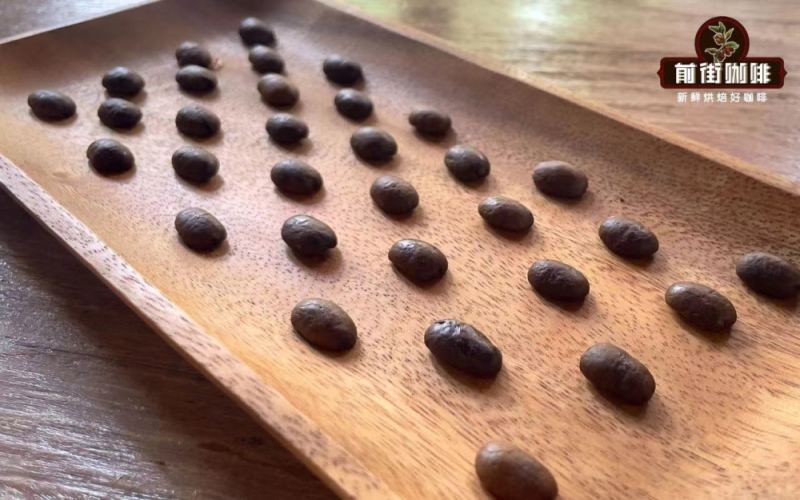
A Comprehensive Guide to the Grade Differences Between Indonesian Mandheling and Golden Mandheling, Plus Pour Over Brewing Parameters and Flavor Profiles
Renowned for its bold, full-bodied profile with low acidity and herbal-bitter undertones, Indonesian Mandheling is a top choice for coffee lovers who prefer dark roast flavors. This article provides an in-depth analysis of the differences between regular Mandheling and PWN Golden Mandheling in terms of origin, processing method, grade, and price. It also details recommended pour over brewing parameters for Golden Mandheling, along with actual flavor profiles. Additionally, you’ll learn how to identify authentic beans and gain practical tips for home brewing dark roast beans—helping you better appreciate the allure of Mandheling. [more…]
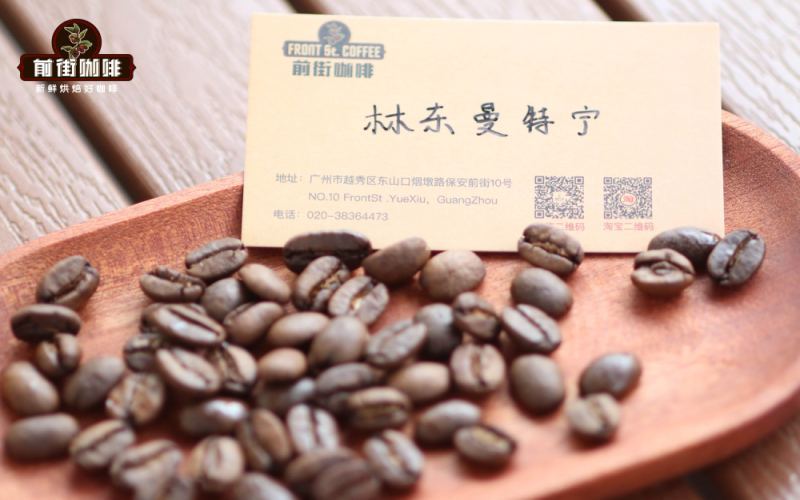
A Complete Guide to Indonesian Mandheling Wet-Hulled Processing: Flavor Characteristics & Pour Over Parameter Practical Guide
Indonesian Mandheling coffee is renowned for its rich, full-bodied profile with distinctive herbal and woody notes, and this distinct character stems from its unique “wet-hulled” processing method. This article provides an in-depth breakdown of each step of the wet-hulled process, explores how Indonesia’s humid climate influences the choice of this method, and analyzes its impact on coffee flavor and defect rates. It also offers practical pour over recommendations, including grind size, water temperature, brew ratio, and three-stage pouring techniques, helping you brew a flavorful cup at home. [more…]
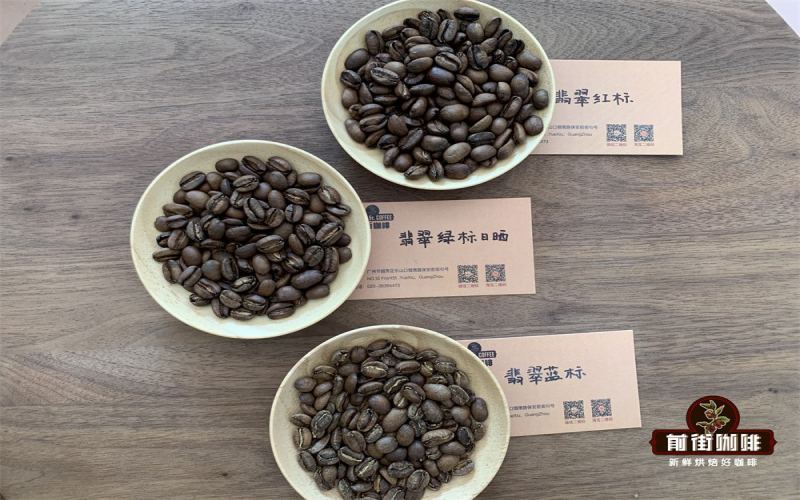
Unveiling the Flavors of Guatemalan Geisha Coffee: Washed Processing from Acatenango and Pour Over Recommendations
This article delves into the Guatemalan Geisha coffee from the Acatenango region, comprehensively analyzing its distinctive charm—characterized by layered flavors, floral aromas, and honey-like sweetness—from the geographical conditions of the region, the historical background of the variety, to its intricate flavor profile. It also provides a detailed overview of the washed processing method used in this region, along with practical pour over parameters and techniques tailored for medium-light roasted beans. This is an essential guide for coffee enthusiasts seeking to understand the multifaceted nature of Geisha. [more…]
Colombia Las Nubes Estate Bourbon Pointu: A Beginner’s Guide to Pour Over Brewing & Flavor Profile of Low-Caffeine Coffee
As an extremely rare variety among naturally low-caffeine coffees, Bourbon Pointu not only contains only about 0.6% caffeine but is also favored by coffee enthusiasts for its delicate and balanced flavor. The Colombian Las Nubes Estate version, introduced by a well-known coffee brand, is grown in the high-altitude region of the Yacuqui Valley. It was personally supervised for transplantation by Camilo Merizalde, the estate owner whose beans have won multiple WBC championships, and its annual production is extremely limited. This article [more…]
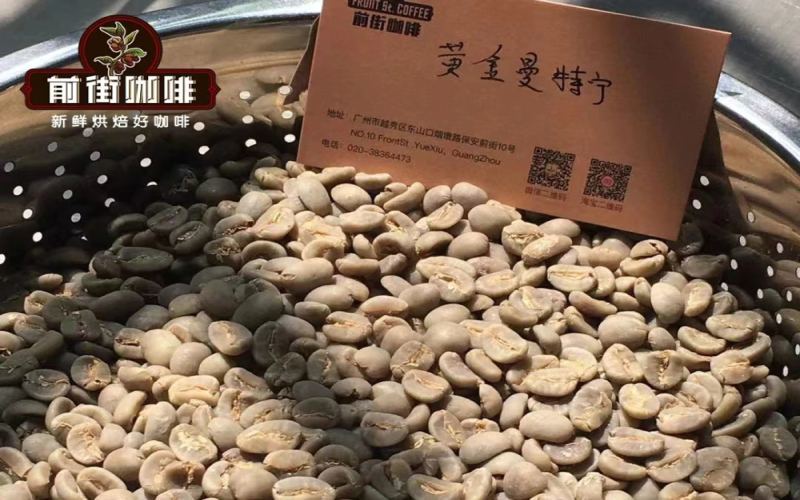
How to Choose Italian Coffee Beans? A Complete Guide to Roast Levels & Brewing Pairings
Choosing the right roast level for your Italian coffee beans can completely transform the flavor of your espresso or latte. From the bright, acidic notes of light roasts to the balanced, full-bodied taste of medium roasts, and the rich, bitter-sweet depth of dark roasts—each roast level offers unique aromatic profiles and ideal extraction methods. This guide details the flavor characteristics, best-use scenarios, and practical tips for all three major roast types, complemented by classic visuals to help you find your perfect match based on drinking preferences. [more…]
A Comprehensive Guide to Brazil’s Catuai Coffee Variety: Flavor, Cultivation, and Selection Tips
Catuai is one of the mainstream coffee varieties in Brazil. It was developed through a cross between the New World and Caturra varieties, combining wind and rain resistance with high yield characteristics, though its flavor profile is relatively mild. This article delves into its hybrid background, cultivation advantages and disadvantages, explores the differences between red and yellow fruit types, and offers practical evaluations to help you fully understand this classic yet understated Arabica hybrid. [more…]

How to roast Huakui coffee beans? A complete guide to the light roast curve and pour over parameters for Sidamo Natural G1
This article provides an in-depth analysis of Huakui, a top-grade Natural G1 coffee bean from Ethiopia’s Yirgacheffe region, introducing its origin background, processing method, and version evolution. It also details the key adjustments for a professional light roast curve, including charge temperature, drying time, first crack phase, and development time, along with practical V60 three-stage pour over techniques to help you brew Huakui’s captivating tropical fruit aroma and rich aftertaste at home. [more…]
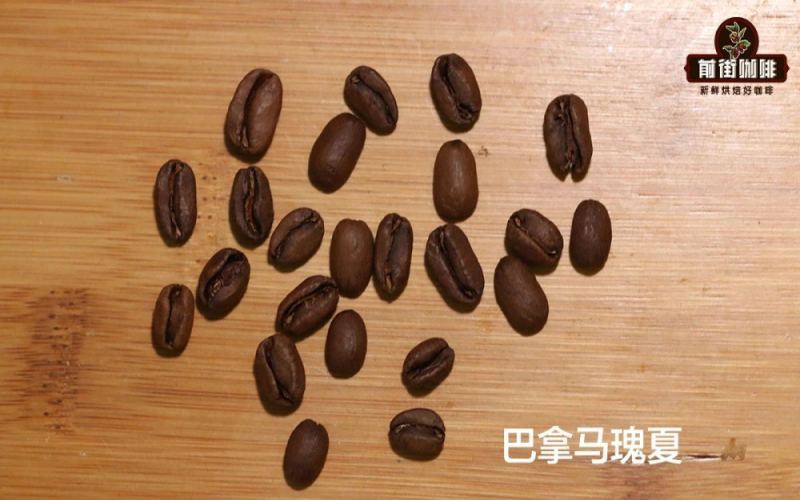
In-depth Analysis of Ethiopia Gesha Village Red Label Gesha: Origin of the Region, Variety Differences, and Pour Over Guide
Did you know that the seeds of Panamanian Gesha originated from Ethiopia? This in-depth article introduces the Gesha Village estate located in southwestern Ethiopia, taking you through how this 500-hectare farm — the world’s only farm dedicated exclusively to growing the Gesha variety — was born from wild coffee forests. It analyzes the sun-dried processing characteristics of the Red Label Gesha and the differences among its three main varieties, while also providing practical pour over parameters and techniques to help you fully unlock the unique floral, fruity aromas, and sweetness of Gesha. [more…]
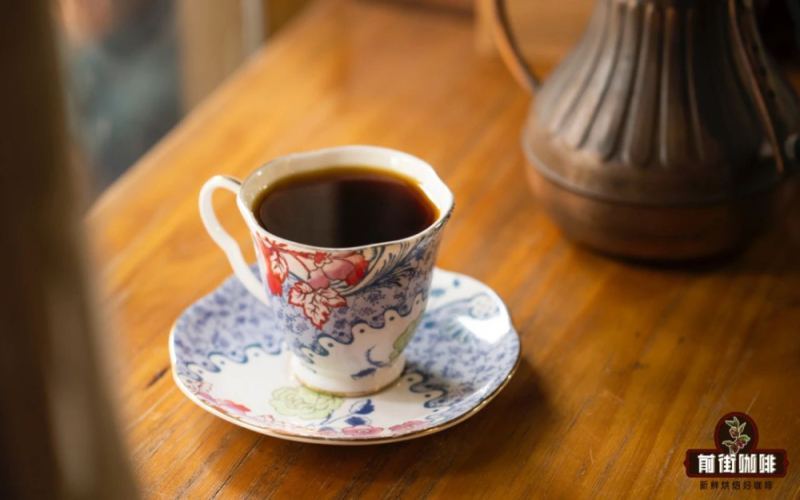
How to Choose Ethiopian Gesha Village Gold Label Gesha? A Complete Guide to Varietal Origins, Plot Differences & Pour Over Recommendations
Wondering why the Gold Label Gesha from Gesha Village commands such high prices and how it differs from other red or green label coffees on the market? This article delves into the background of the Gesha Village growing region, altitude conditions, and the breeding history of the Gold Label Gesha varietal 'Gesha 1931'. It explains the grading logic behind the 'label' system, analyzes the characteristics of its main growing plots and cupping flavor profiles. Finally, practical pour over brewing parameter recommendations are provided to help you master the key details — from bean selection to brewing. [more…]

A Comprehensive Guide to Panamanian Geisha Coffee: From Origins to Flavor Profiles & Pour Over Tips Across Three Grades
Renowned for its vibrant floral and fruity aromas and distinct bright acidity, Geisha coffee is a star variety cherished by specialty coffee enthusiasts. But do you know its legendary journey from the wild forests of Ethiopia to Panama’s Hacienda Esmeralda? This article delves into the origins of the Geisha variety, explores the differences among Hacienda Esmeralda’s three grades—Red Label, Green Label, and Blue Label—and provides practical pour over parameters along with flavor comparisons to help you better appreciate the allure of this top-tier coffee. [more…]
Complete Guide to Bourbon Coffee Varieties: Flavors and History from Red Bourbon to SLN28
As an important branch of the Arabica species, Bourbon coffee includes various mutated varieties such as Red Bourbon, Yellow Bourbon, Pink Bourbon, and the rare SLN28 (Slim Tip), each with unique flavor profiles and cultivation characteristics. This article delves into the origins of the Bourbon family, its global spread, the sensory traits and growing essentials of each variety, helping coffee enthusiasts fully understand the differences among these classic varieties and master practical advice on selection and brewing. [more…]
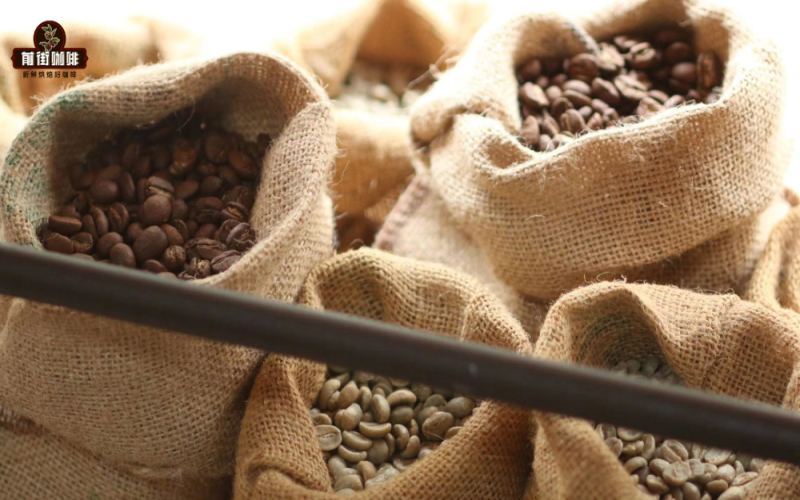
Getting Started with Brazilian Yellow Bourbon Pour Over | Flavor Analysis of Queen’s Estate and Medium-Dark Roast Extraction Techniques
Want to understand why Brazilian Yellow Bourbon is considered an important representative of specialty coffee? This article delves into the characteristics of the Yellow Bourbon variety, which originated from genetic mutation, focuses on the cultivation background of Queen’s Estate in the Mogiana region, and explains in detail how medium-dark roasting brings out its unique sweetness. It also provides practical V60 three-stage pour over parameters and flavor profiles. Whether you’re a beginner or an advanced enthusiast, you can master the brewing essence of this classic Brazilian bean. [more…]
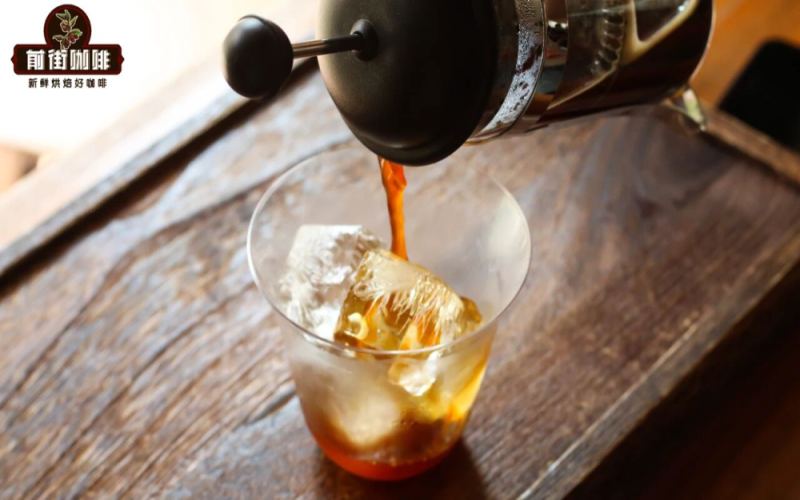
French Press 1-Minute Brewing Practical Guide: How to Quickly Extract Geisha Coffee
Tired of waiting three to four minutes for a French Press brew? This article compares various quick brewing methods through experimentation — from simple immersion to step-wise stirring — to find the key parameters that can extract the delicate acidity, sweetness, and floral-fruit notes of Geisha coffee in just one minute. Whether you prefer a clean juice-like profile or a richly layered cup, you’ll find a brewing solution that suits your taste. [more…]