







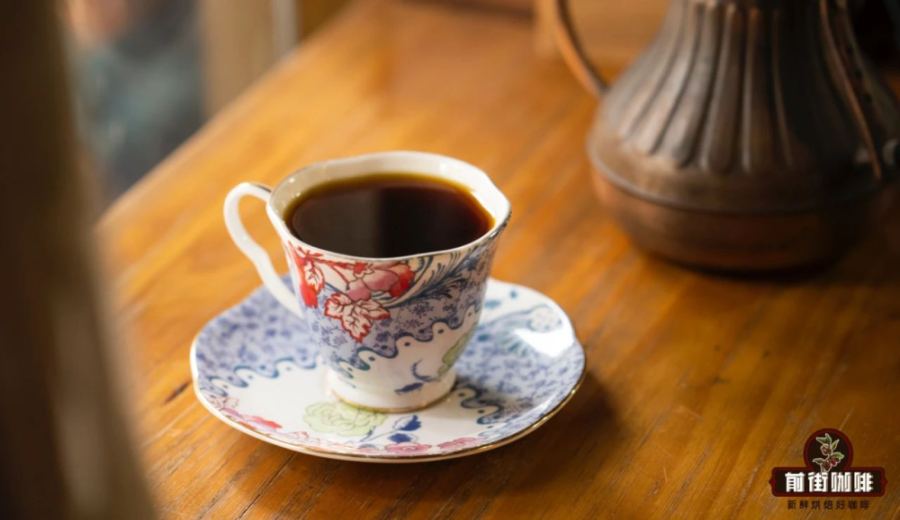
Introduction:Want to understand why the Gold Label Gesha from Gesha Village commands such high prices, and how it differs from other red or green label offerings on the market? This article takes an in-depth look at the growing region of Gesha Village, its altitude conditions, and the breeding history of the Gold Label Gesha variety “Gesha 1931”. It explains the grading logic behind the different “labels”, analyzes the characteristics of its main growing plots and cupping flavor profiles. Finally, it provides practical pour over parameters to help you master every key detail from bean selection to brewing.
In the specialty coffee scene, the “Gold Label” Gesha from Gesha Village has long been noted for its premium quality and rarity, yet it also puzzles many coffee enthusiasts: How is this coffee different from the Red Label of Hacienda Esmeralda? Why is it so expensive? In fact, these color-coded Gesha grades are mostly terms coined in the Chinese market for easier memorization. The true differences in quality and the underlying logic must be explored through their original English names and the regional classification system.
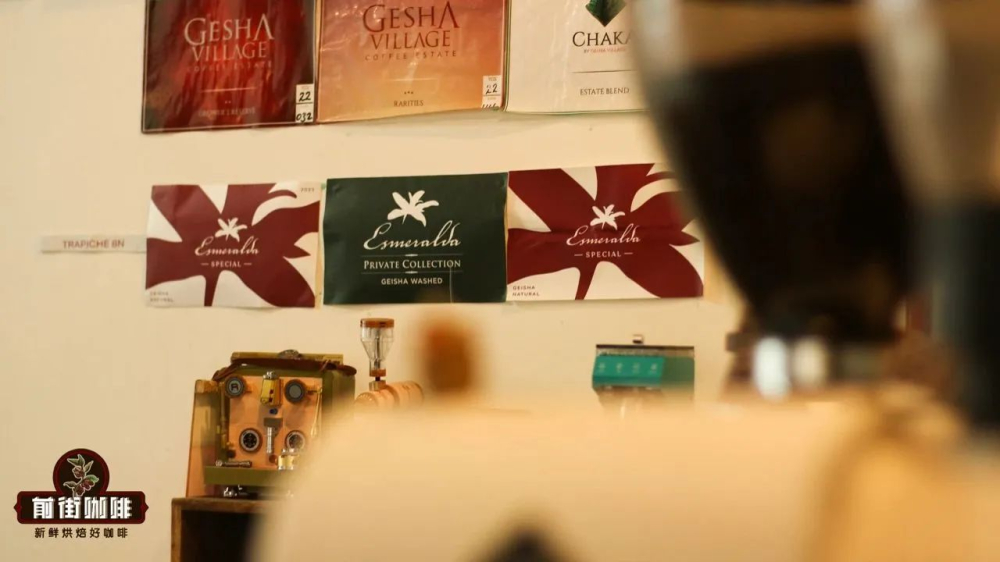
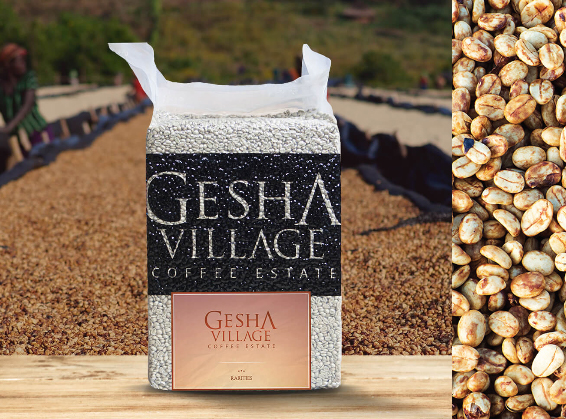
Common labels like “Gold” and “Red” are actually named based on the dominant color of the product’s packaging. For example, the “Red Label” (Esmeralda Special) from Hacienda Esmeralda is actually the estate’s highest-grade Gesha, requiring a cupping score of 91 or above, with each batch accompanied by detailed origin information. Meanwhile, Gesha Village’s “Gold Label”, known in English as “Rarities”, meaning “rare treasures”, represents the estate’s highest-quality offerings aside from auction lots—making up about 10%of total production—with each batch also providing clear plot origins to help trace flavor variations.
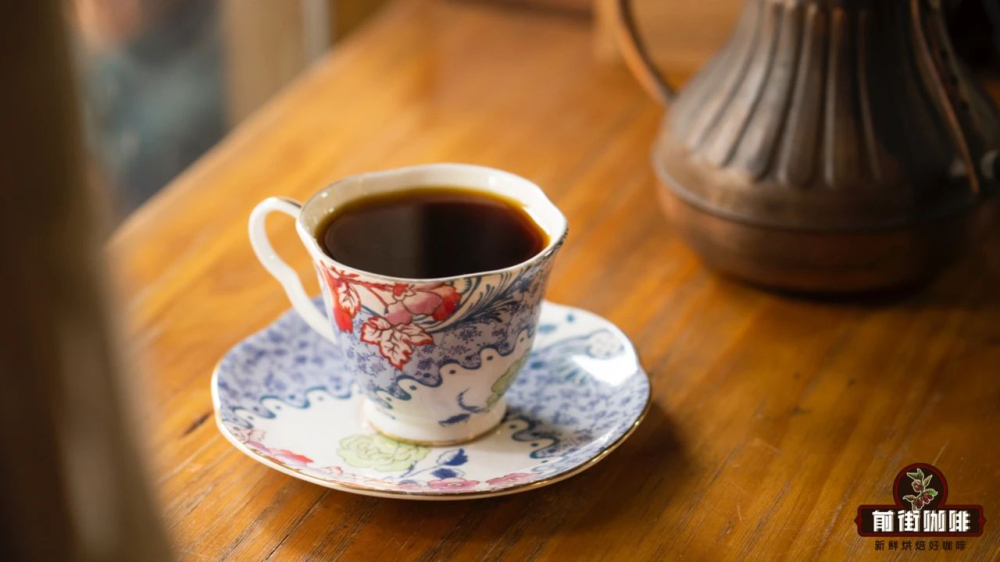
Gesha Village is located in the southwest of Ethiopia, near the border with South Sudan, within the Bench Maji zone, and covers nearly 500 hectares of planted area, surrounded by pristine forests and spectacular scenery. The region’s altitude generally exceeds 1900 meters, with some plots even reaching 2069 meters. The high-altitude environment allows coffee cherries to ripen slowly at lower temperatures, helping accumulate richer flavor compounds. This area is also considered one of the legendary birthplaces of the Gesha variety, and still preserves many original forest-grown cultivation methods, supported by local smallholder farmer cooperatives.
The Gesha variety can be traced back to 1931, when it was discovered in the Kaffa coffee forest in southern Ethiopia. Initially sought for its disease resistance, it was thus named “Gesha,” related to the nearby Gesha mountain. The variety was later sent to Kenya, Uganda, Tanzania, and other regions for research, and in 1953, it entered the CATIE research center in Costa Rica under the code T2722. However, due to its high growth demands and low yield, it was long overlooked until the 1960s, when it was introduced to Panama and demonstrated its potential in the high-altitude environment of Hacienda Esmeralda, finally gaining fame after winning the 2004 BOP competition.
The “Gesha 1931” variety at Gesha Village was selected by the estate owner Adam and a team of experts, referencing the appearance and flavor characteristics of Panamanian Gesha, and was chosen from the Gesha region within Ethiopia. It was named to commemorate its year of discovery. Although its flavor profile is similar to that of Panamanian Gesha, it is not genetically identical. Additionally, Gesha Village grows two other varieties: Gori Gesha and IIIubabor Forest, the latter being a disease-resistant variety suited for specific microclimates.
Based on varying altitudes, soil types, and shade conditions across different plots, Gesha Village plants Gesha in eight distinct zones. Among them, the OMA, SURMA, and SHEWA-JIBABU plots have the highest elevations, with SHEWA-JIBABU averaging as high as 2069 meters—an important area for producing high-quality coffee. The Gold Label Gesha mainly comes from these high-altitude microclimate zones, utilizing refined plot management and variety allocation strategies to ensure each batch showcases unique flavors.
This particular lot of Gold Label Gesha from Gesha Village is sourced from the Oma plot, with an altitude between 1900–2040 meters, and the variety is “Gesha 1931”. Processed using the natural (sun-dried) method, during cupping it clearly reveals a rich array of aromas and flavors, including citrus, berries, cream, caramel, melon, and honey. The cup is full-bodied with a long-lasting finish.
If you wish to brew this high-quality Gesha at home, it is recommended to use freshly roasted beans, ideally within 7 to 30 days post-roast. Lightly roasted Gesha beans tend to be harder in texture, and require slightly higher water temperature and finer grind size to bring out the aroma. It is recommended to use a V60 dripper, with water temperature controlled at 91-92°C, coffee dose 15 grams, coffee-to-water ratio of 1:15, and grind size approximately at 20 mesh sieve passing rate 80%(similar in coarseness to fine sugar).
The suggested brewing steps are as follows: Begin with a 30-second bloom, pouring 30 grams of water, gently circling to evenly expand the coffee grounds. Then proceed with the second pour of 95 grams of hot water, waiting until the coffee bed has descended halfway before adding the final 100 grams of water, for a total brew water volume of about 225 grams. Maintain a gentle flow and pour from the center throughout to avoid over-agitation leading to uneven extraction—this way, the delicate flavor layers of the Gold Label Gesha can be fully revealed.
The above content is compiled by CoffeeHunters, a coffee news website.


