







Category: Coffee Knowledge
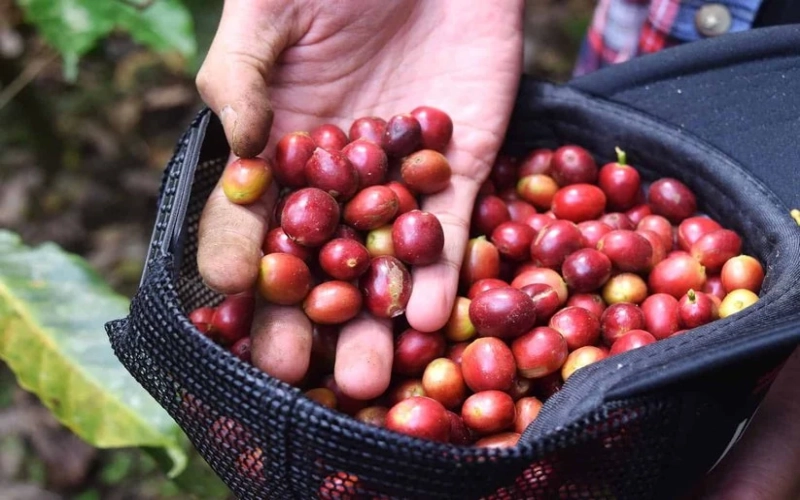
Indonesian West Java Jember Honey-Processed Beans: Flavor Profile & Brewing Recommendations
Coffee from West Java in Indonesia is often overlooked, yet its flavor profile presents a striking contrast to that of Sumatra. This article delves into the climate and soil conditions of the Tegalgondo highland region in West Java, traces the planting history dating back to the Dutch colonial period, examines how the ICCRI research institute has driven varietal improvement, and provides a detailed introduction to the cupping characteristics and practical brewing parameters of the local Jember variety honey-processed beans—helping you better understand this understated yet uniquely flavored coffee. [more…]
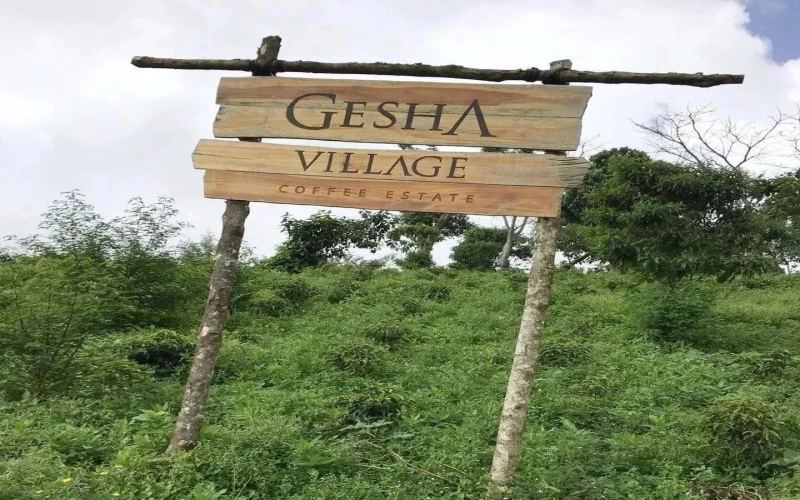
Analysis of Ethiopian Gesha Village Gold Label Gesha Beans: Pour Over Guide for Gori Gesha & 1931 Varieties
Ethiopian Gesha Village is one of the key birthplaces of the Gesha variety. Its Gold Label Gesha coffee primarily features the Gori Gesha and Gesha 1931 varieties, processed with a 32-day natural sun-drying method, showcasing unique floral and fruity aromas along with a rich mouthfeel. This article provides a detailed breakdown of Gesha Village’s grading system, characteristics of its main growing blocks, as well as professional pour over parameters and flavor profiles to help you better understand the brewing essentials of this highly sought-after auction-grade coffee bean. [more…]
Recommended Coffee Beans with Balanced Sweetness and Acidity | Pour Over Brewing Parameters and Beginner’s Guide
Many people mistakenly think that coffee tastes only bitter and astringent, but in fact, high-quality specialty beans can showcase a rich variety of flavors — from berries and honey to floral notes. This article selects five coffee beans with well-balanced sweetness and acidity, and bright flavor profiles. From Sidra and Strawberry Milk to Yunnan Typica, not only do we introduce their distinctive characteristics in detail, but we also provide practical pour over brewing parameter suggestions to help you find your ideal flavor. [more…]

Recommended Pour Over Coffee Beans: 4 Balanced Flavor Options with Medium Roast, Neither Acidic Nor Bitter
Looking for a pour over coffee bean that is neither acidic nor bitter, with a balanced flavor? This article delves into the true meaning of 'balance' in coffee tasting, starting with the harmony of acidity, sweetness, bitterness, and body. We also recommend 4 classic medium roast beans, including Brazil Yellow Bourbon, Costa Rica Tarrazu, Papua New Guinea Heavenly Bird, and Strawberry Sugar Blend. From bean variety characteristics to brewing suggestions, we help you find a smooth, everyday-drinking option. [more…]
A Complete Guide to Ethiopian Gesha Village Coffee: How to Choose Between Auction Gold, Red, Green, and Chaka Lots? Pour Over Parameters and Flavor Profiles
The Gesha coffee from Ethiopia’s Gesha Village Estate is often confused with Panama’s Hacienda La Esmeralda, but it has its own unique grading and flavor system. This article provides an in-depth analysis of the origins of Gesha Village Estate, its management of 8 distinct plots, the strict grading logic behind its auction lots—Gold, Red, Green, and Chaka—and offers information on the origin, roasting, and pour over recommendations for each grade, helping you choose the right Gesha based on your taste preferences. [more…]

Is 9 bar extraction pressure ideal for espresso? A complete guide to grind size and dose adjustment
Want to brew rich-tasting espresso at home? Extraction pressure and grind fineness are key. Many home machine users struggle with failing to reach 9 bar pressure, resulting in sour and thin coffee. This article delves into the principles behind pressure formation and provides precise adjustment tips from three aspects: grind coarseness, dose amount, and tamping technique, helping you master the core secrets of stable, high-quality extraction. [more…]
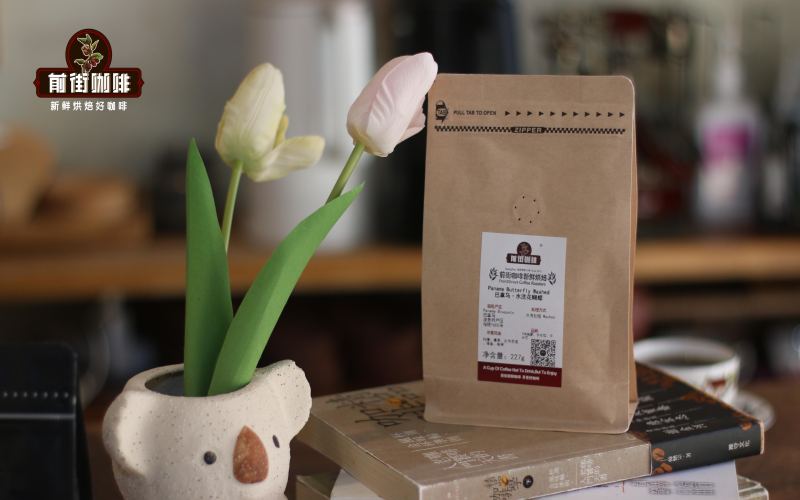
Panama Geisha Butterflies Variety Composition Analysis: Washed vs. Sun-Dried Flavor Comparison and Brewing Recommendations
Although Panama · Geisha Butterflies is a Geisha blend, it is often regarded as a high-cost-performance single-origin bean due to its single-region origin and consistent processing method. This article delves into its variety composition of 70% Geisha and 30% Caturra and Catuai, explores why it is categorized as a single-origin coffee, and provides a detailed comparison of extraction parameters, flavor profiles, and suitable brewing methods between the washed and sun-dried versions, helping you grasp the actual performance of this popular bean. [more…]
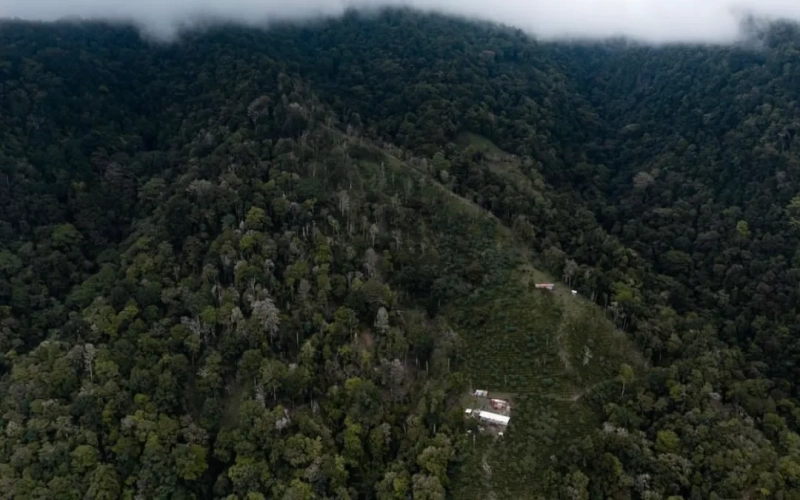
How to Brew Panama Elida Geisha Natural Sun-Dried Beans? Full Analysis of Flavors and Growing Background
Panama's Elida Estate is a high-altitude specialty coffee region meticulously cultivated by the Lamastus family over four generations. Their natural sun-dried Geisha beans are renowned for their floral and fruity aromas, along with delicate sweetness. This article delves into the estate’s geographical advantages, processing methods, and explores the unique flavor profile of this natural sun-dried bean, along with recommended brewing techniques—offering you a comprehensive understanding of this popular specialty coffee from origin to cup. [more…]

Flavor Profile of Panamanian Donkey Estate Geisha | Sun-Drying Techniques & Cupping Notes
Take an in-depth look at Panama’s Donkey Estate, a renowned coffee farm on the verge of celebrating its centennial. Discover how its exceptional terroir and refined sun-drying craftsmanship produce a Geisha coffee with delicate and captivating flavors. This article offers a comprehensive analysis of this highly acclaimed sun-dried Geisha—from the estate’s history and geographical environment to its processing methods and cupping characteristics—and provides practical flavor profiles and roasting references. [more…]
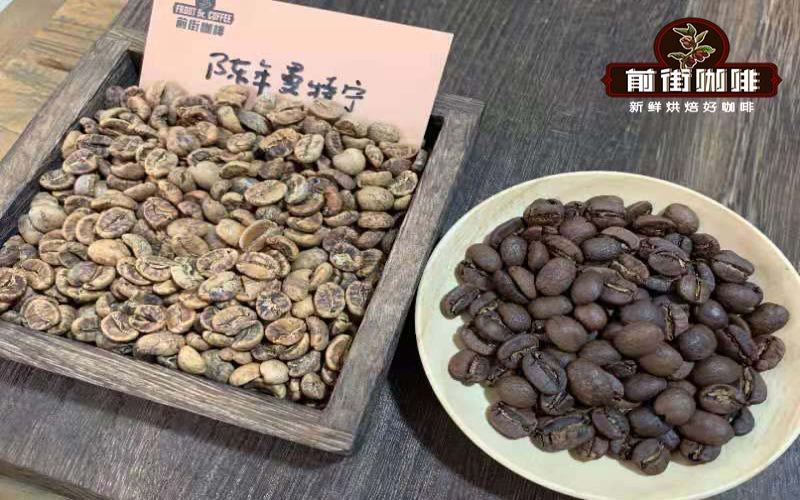
Flavor Analysis of Aged Sumatra Mandheling: Storage Techniques, Flavor Development, and Beginner Recommendations
Aged Sumatra Mandheling is a type of coffee bean that has undergone long-term natural aging, known for its uniquely rich and full-bodied flavor. This article delves into the storage process of aged Mandheling, the reasons behind its flavor transformation, and how it differs from freshly roasted beans. It also introduces key points for selecting high-quality Indonesian Mandheling, helping coffee enthusiasts understand the origins and characteristics of this classic coffee variety. [more…]
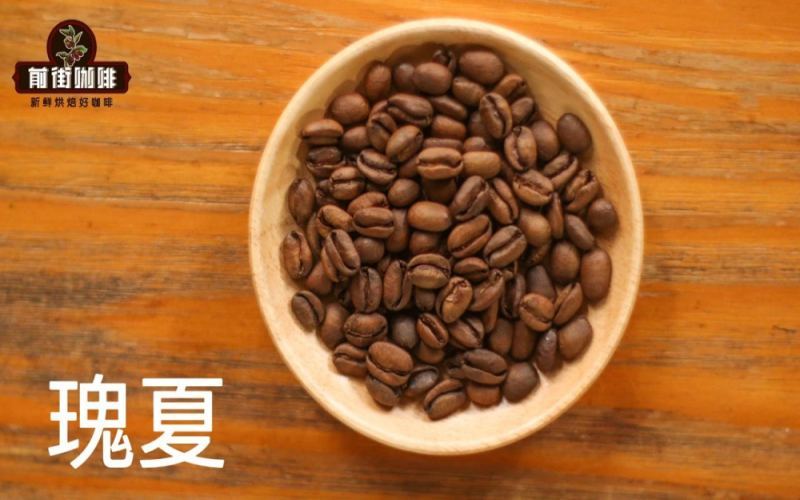
A Comprehensive Guide to Panama vs. Ethiopian Geisha: From La Esmeralda to Gesha Village, Including Filter Brewing Techniques
Geisha coffee, renowned for its distinctive floral and fruity aromas and complex layers of flavor, is highly sought after by specialty coffee enthusiasts. This article delves into a comparative analysis of the development background, regional characteristics, and flavor profiles of Panama’s La Esmeralda Estate and Ethiopia’s Gesha Village Estate. It also provides detailed insights into the differences and purchasing recommendations for six representative Geisha beans. Additionally, professional-grade filter coffee brewing parameters are included — covering water temperature control, pouring techniques, and blooming time — to help you brew vibrant and flavorful Geisha coffee at home. [more…]
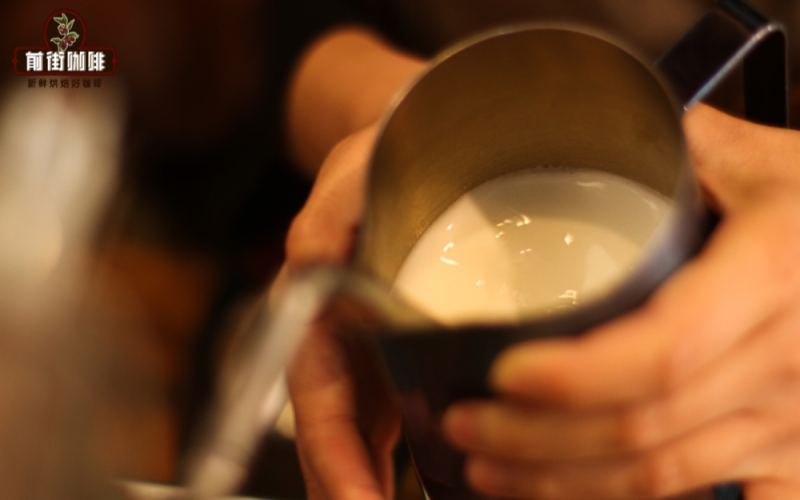
Complete Beginner’s Guide to Making Latte at Home: 6 Key Steps from Milk Frothing to Perfect Latte Art
Want to make a latte at home that’s as smooth and delicate as those from a café? The key lies in mastering the science of milk frothing and the correct blending techniques. This article delves into the science behind steaming milk, helping you understand the roles of milk fat and lactose during the frothing process. It also provides practical solutions to three common issues—under-extracted espresso, poor milk texture, and incorrect frothing technique. From bean selection tips to a six-step operation guide, it walks you through creating a professional-grade latte step by step. [more…]
Analysis of Ethiopian Guji Coffee Varieties: Characteristics of 74110 and 74112 and the Flavors of Shakiso Wako
Dive deep into Shakiso Wako, the star coffee from Ethiopia’s Guji region, and explore the heritage varieties 74110 and 74112 behind it, as well as the unique flavor characteristics of this lot from the Sewana washing station. This article will guide you through the origin background, variety origins, and actual tasting notes to fully understand this specialty coffee with a clear structure, pronounced sweetness, and citrusy profile—highly valuable for both pour over brewing and advanced coffee appreciation. [more…]

How to brew Panama Aurora Gesha Natural? A full guide to flavor profile and pour over parameters
The Aurora Estate’s Ironman Gesha Natural, known for its bright berry acidity and sweet orange juice-like flavors, even won the BOP championship. This article provides an in-depth analysis of its terroir background and variety history, and from a professional perspective offers pour over recommendations — including optimal grind size, water temperature, coffee-to-water ratio, and pouring techniques — to help you fully master the brewing secrets of this top-tier Gesha. [more…]

How to pair coffee with milk? Analyzing the flavor of milk coffee from bean variety and brewing methods
The combination of milk and coffee has stood the test of time, but not every type of coffee bean is suitable for adding milk. This article delves into key factors such as body, brewing methods, roast levels, and regional characteristics to analyze which coffee beans pair more harmoniously with milk. It also recommends practical coffee bean options suitable for making milk coffee, helping readers find their own balance of flavors in milk coffee. [more…]

Recommended Pour Over Coffee Beans: Medium Roast Offers Balanced Flavor Without Being Too Acidic or Bitter – Four Options from Beginner to Advanced
When selecting pour over coffee beans, the roast level is key to achieving balanced flavor. A coffee that is neither too acidic nor too bitter often comes from a medium roast, which highlights sweetness while avoiding overly sharp acidity or bitterness. This article features four carefully selected medium roast single-origin and blended pour over beans—from the classic Brazilian Yellow Bourbon to the popular Strawberry Candy blend—covering various regional characteristics and brewing recommendations to help you find a well-balanced cup that suits your taste. [more…]
In-depth Analysis of Costa Rica’s Coffee Growing Regions: A Complete Guide to Varietal Characteristics and Elevation Classification
Want to know why Costa Rican coffee has such unique flavors and consistent quality? This article delves into the country’s geography and historical background to show you how this Central American nation, blessed with volcanic soil and an exceptional climate, produces Arabica beans with a perfect balance of acidity and sweetness, along with rich aromas. We will also take an in-depth look at the characteristics of the main coffee varieties grown locally, and provide a detailed explanation of the seven-tiered coffee classification system based on elevation—so you can understand the quality grade just by looking at the information on the coffee bag. [more…]
Complete Guide to Making Cold Drip Coffee: Key Techniques from Coffee-to-Water Ratio to Cold Storage
Cold drip coffee is beloved by many coffee enthusiasts for its uniquely rich flavor and long shelf life. This article provides a comprehensive walkthrough of the entire process—from equipment preparation, grind size, coffee-to-water ratio, to drip rate control—and shares practical tips such as using room-temperature water instead of ice water to shorten brewing time, while avoiding fridge odors affecting the flavor, helping you easily brew a cup of cold drip coffee with rich layered taste. [more…]

A Detailed Guide to La Esmeralda Geisha Grading: Red, Green, and Blue Label Flavor Profiles & Buying Tips
La Esmeralda Estate’s Geisha coffee from Panama is world-renowned for its unique flavors, but the grading standards of Red Label, Green Label, and Blue Label often confuse coffee enthusiasts. This article provides an in-depth analysis of the cultivation altitude, processing methods, and cupping score differences among the three grades, along with professional pour over parameters and flavor comparisons to help you accurately choose the right Geisha beans—whether you're looking for auction-level collectibles or everyday enjoyment. [more…]
Honduras' Six Major Coffee Regions and Grading Standards: How to Choose Between SHG and EP? A Pour Over Beginner's Guide
Honduras has recently risen to become one of the world’s top ten coffee-exporting countries. Thanks to its high-altitude cultivation and rigorous grading system, it produces Arabica beans with unique flavor profiles. This article provides an in-depth analysis of the country’s six main coffee-growing regions, the characteristics of its key coffee varieties, and a detailed explanation of the two internationally recognized grading standards—SHG and EP. It will guide you through every step from origin to cupping, helping you master the essentials of selecting Honduran specialty coffee. Whether you prefer pour over or espresso, you’ll find the perfect Honduran coffee for your taste. [more…]