







Introduction:Many coffee enthusiasts believe that peaberries yield superior flavors due to their exclusive access to nutrients, but is this really the case? This article compares Kenya’s Sasicini Estate PB peaberries with AA-grade flat beans as controls, analyzing their true performance through varietal origins, washed processing methods, roast curve design, and practical cupping and pour-over brewing. In addition to uncovering the truth behind the flavor differences between peaberries and flat beans, it also offers professional roasting and extraction advice to help you find your own optimal flavor balance.
In discussions among coffee lovers, it’s common to hear that “peaberries taste better than flat beans,” with the belief that because peaberries monopolize the nutrients meant for two seeds, their flavors are more concentrated and layered. But does this notion have scientific backing? To test this common belief, we obtained PB peaberries (the peaberry grade) and AA-grade flat beans from Kenya’s Sasicini Estate, conducting a comprehensive comparative analysis from varietal background, processing method, roast design, to cupping and pour-over brewing.
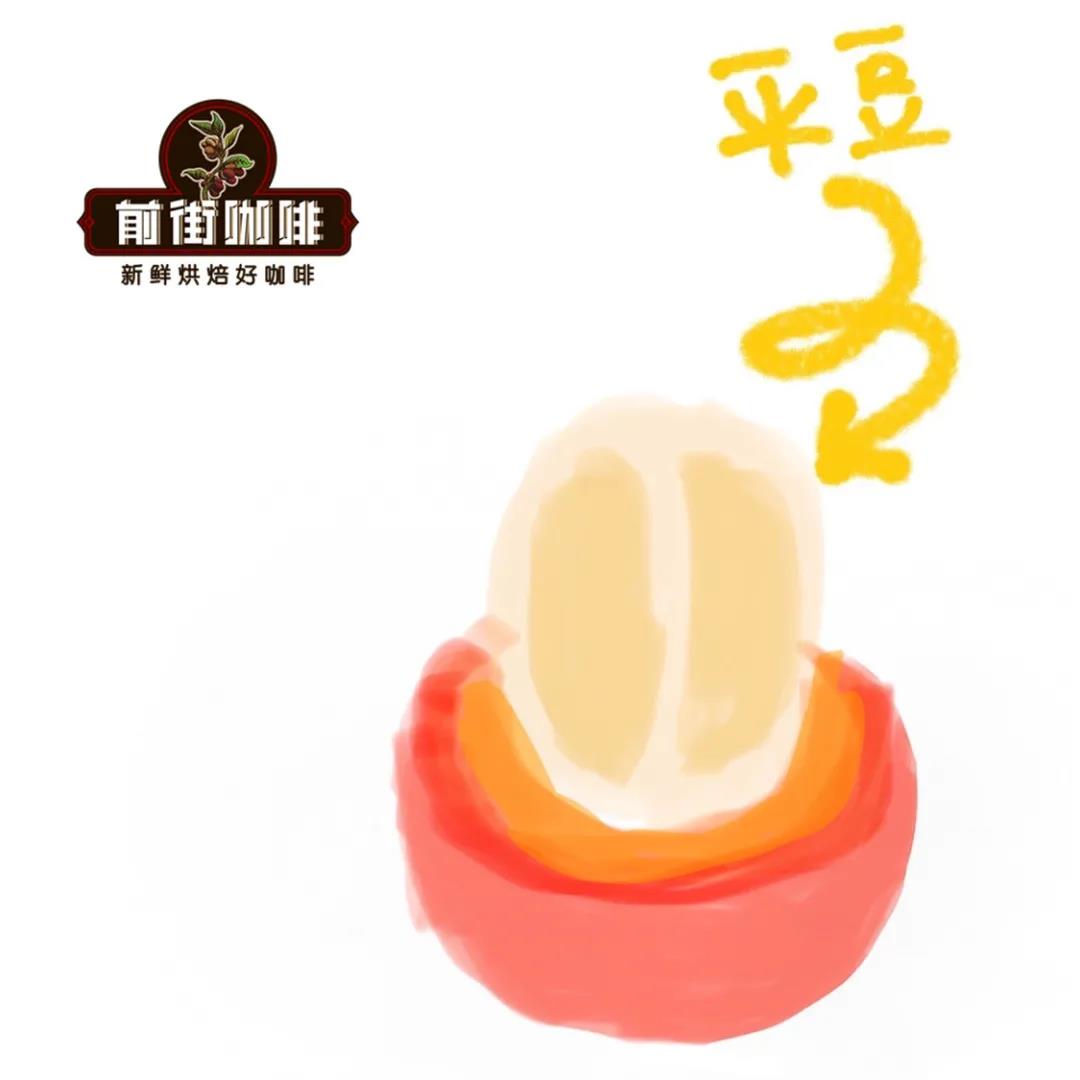
First, let’s understand the common shapes of coffee beans. Most commercially available coffee beans exhibit a standard shape with one flat side and one convex side, known as flat beans. However, in certain cases, the seeds inside the coffee cherry do not split into two halves, and instead, only one seed absorbs all the nutrients, resulting in a round and plump oval shape—this is what we call a peaberry, also commonly referred to as a small peaberry or pearl bean.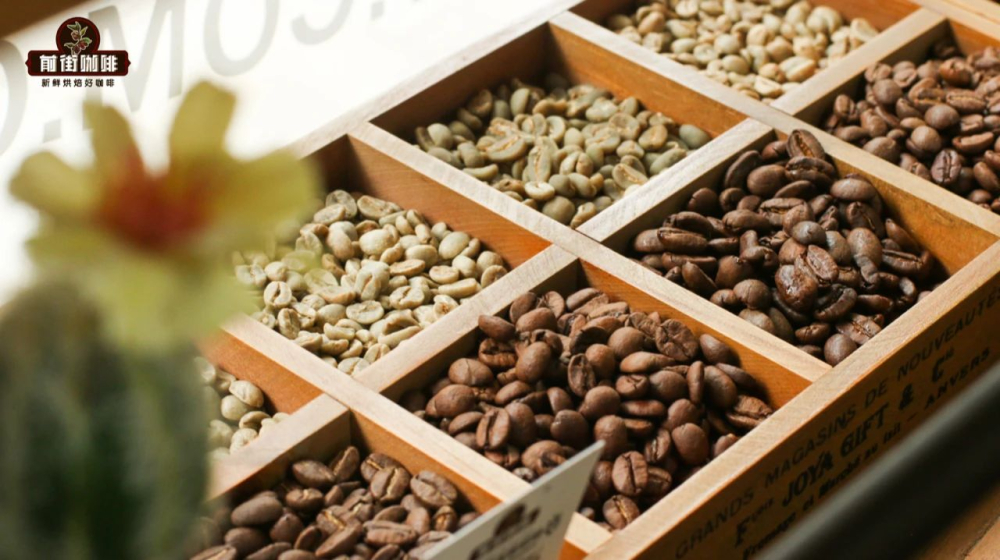
The cause of peaberry formation remains not entirely clear, but it mostly occurs during the early stages of coffee cherry development, when one seed fails to split normally, allowing the other to grow in the full space and ultimately form a rounded exterior. Due to their rarity, peaberries typically account for only 5% to 10% of the total yield per tree and often appear on the branches of younger coffee trees, which is why they are often considered a special grade and processed separately.
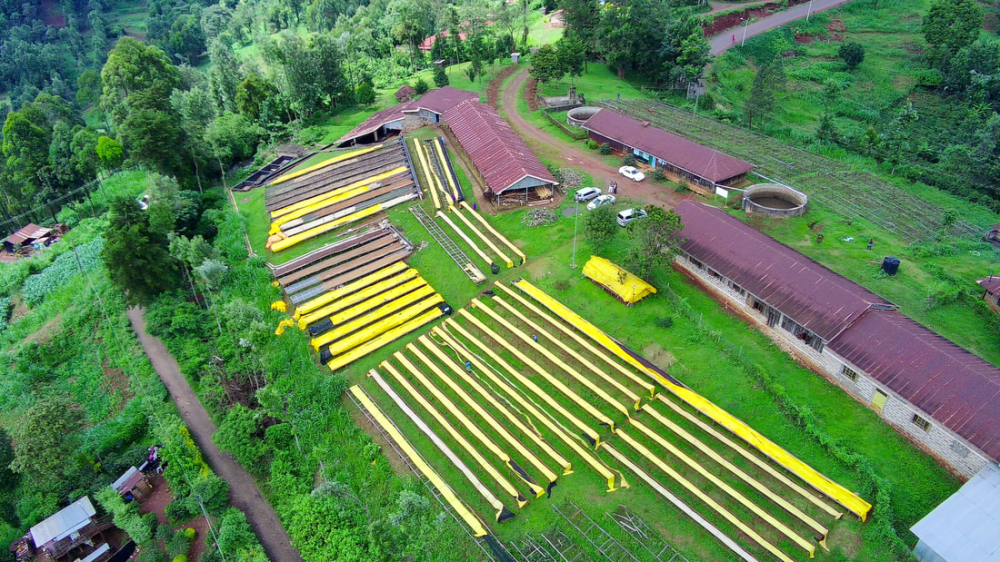
In Kenya, located in the central region, the Kiambu area is renowned for its high altitude and fertile red soil, making it home to many specialty coffees. Among them, Sasicini Estate is situated here, with planting elevations ranging between 1,500 and 2,000 meters. The red soil offers excellent drainage and is slightly acidic, complemented by moderate sunlight year-round and distinct wet and dry seasons, providing an ideal growing environment for coffee trees.
The two beans compared in this article both come from the same estate, but both employ Kenya’s classic washed processing method: first removing the outer skin and pulp of the coffee cherry, then fermenting the beans enzymatically for 12 to 18 hours, followed by washing away the residual mucilage, and finally spreading the beans with their parchment layer evenly to reduce moisture content from about 50% down to 12% to 14% using sunlight or mechanical assistance. This process not only enhances cleanliness but also preserves the bright acidity and complex aromas unique to Kenyan coffee.
In terms of variety, the coffee from Sasicini Estate is mainly planted with SL28 and SL34, both of which originated from the breeding program at Scott Laboratories. These varieties are highly resistant to drought and disease, and are known for their outstanding clarity of acidity, complex fruit tones, and rich mouthfeel. SL28, in particular, is famed for its bright, high acidity with notes of lemon, bird’s eye cherry, and citrus, while SL34 often exhibits deeper notes of grape and blackcurrant, adding more layers to the overall flavor profile.
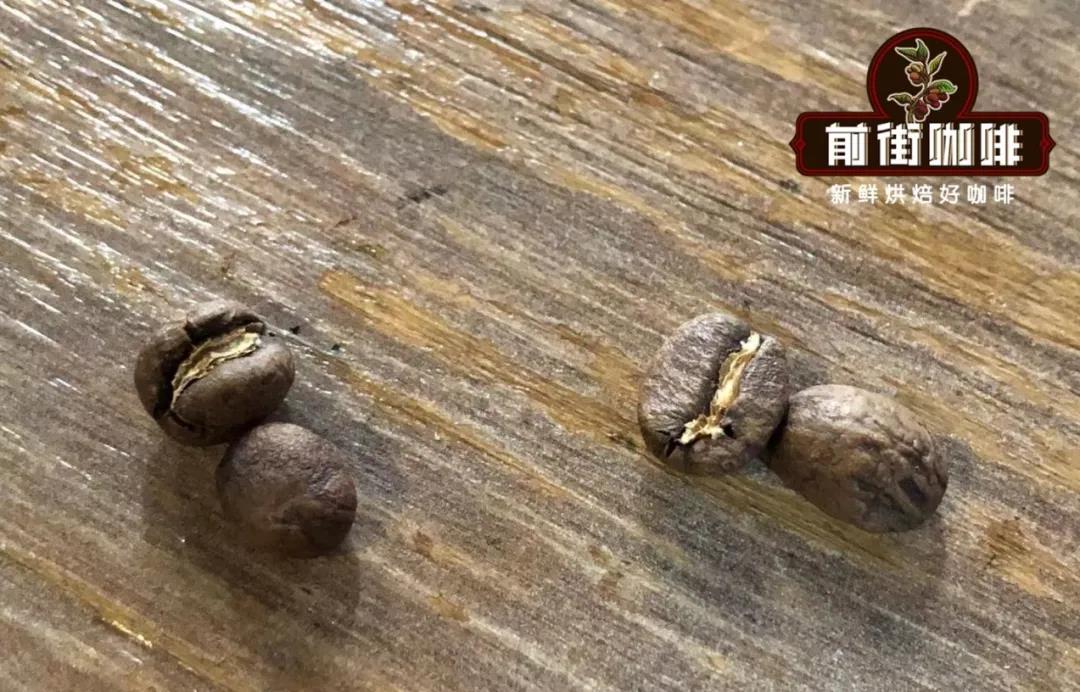
In actual roasting practice, the differences between peaberries and flat beans are mainly reflected in heat conduction and the difficulty of achieving uniformity. Due to their smaller size and higher density, peaberries are heated more evenly in the drum, but have slightly lower thermal penetration. Therefore, roasters need to pay special attention to extending the drying stage to ensure heat penetrates the core of the bean, then applying appropriate heat to reach the first crack, in order to fully develop berry and honey-like aromatic characteristics. For this roast, the first crack development phase was controlled at approximately 2 minutes and 17 seconds, with a charge temperature of 197°C, aiming to enhance the berry juice-like sensation and rich aftertaste.
As for the AA-grade flat beans, due to their fuller body and tighter structure, the roast curve is set to a medium-light level, with a slightly higher charge temperature starting at 160°C, maintaining steady heat after the first crack begins, and achieving a final drop temperature of about 193.8°C. This aims to highlight the bright acidity and juice-like mouthfeel of Kenyan coffee, while preserving a moderate level of sweetness and aroma longevity.
Actual cupping results show that PB peaberries exhibit a distinct berry tone in the dry fragrance, with caramel notes in the wet aroma. The flavor profile includes cherry tomato, honey, almond, plum, and dark plum, presenting clear fruit acidity and a rich mouthfeel. Meanwhile, the AA-grade flat beans display a similar berry and caramel foundation, but the flavors lean more toward cherry tomato, dark plum, nuts, and honey, with relatively brighter acidity and a slightly nutty, juice-like aftertaste.
For practical pour-over brewing, it is recommended to use a medium-fine grind size with a 20-mesh sieve passing rate of 75%, with water temperature controlled at 90°C to avoid over-extraction leading to bitterness or insufficient temperature affecting acidity expression. A 1:15 coffee-to-water ratio is used, with a total extraction time of about 2 minutes, divided into three pours: the first pour adds 30g of water for a 30-second bloom; the second pour uses a center-circle method to add 125g of water at about 5cm height to minimize agitation of the coffee bed; the final pour slowly adds water from the center outward to a total of 225g, at a rate of about 4g/s, completing extraction once the dripper has fully drained.
Combining cupping and pour-over brewing experiences, the flavor differences between peaberries and flat beans are not significant. Although peaberries may have a slight advantage in roast uniformity due to their size and heat absorption properties, which can affect flavor clarity, this is more a result of differences in roasting and processing rather than any inherent superiority of peaberries themselves. Therefore, the claim that “peaberries taste better than flat beans” is more influenced by psychological expectation and scarcity, rather than an objective, absolute judgment of flavor performance.
The above content is compiled by CoffeeHunters, a coffee news website.


