








Introduction:Geisha coffee is renowned for its distinctive floral and fruity aromas and bright acidity, making it a star variety beloved by specialty coffee enthusiasts. But do you know the legendary journey of Geisha—from the wild forests of Ethiopia to Panama’s Hacienda Esmeralda? This article delves into the origins of the Geisha variety, explores the differences among Hacienda Esmeralda’s three grades—Red Label, Green Label, and Blue Label—and provides practical pour over parameters and flavor comparisons to help you better appreciate the charm of this top-tier coffee.
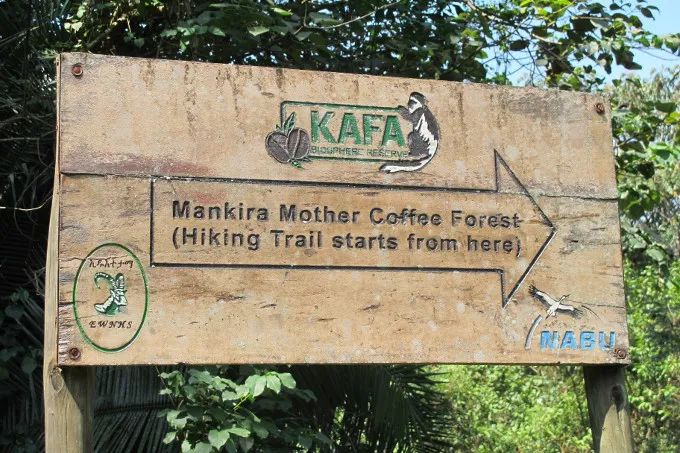
The reason Geisha (Geisha) coffee has become a focal point in the coffee world lies not only in its unique aroma and acidity profile but also in its dramatic discovery and rise to fame. This variety can be traced back to 1931, when it was discovered in the Kaffa forests of southern Ethiopia, named after the nearby Gesha mountain where it was found. Initially, researchers collected it in search of new disease-resistant varieties, but Geisha did not receive much attention at first.
Over the following decades, the Geisha variety was introduced to Kenya, Uganda, and Tanzania, but due to its low yield and delicate plant structure, it performed poorly in most regions. In 1953, the variety, identified as T2722, was sent to CATIE’s Tropical Agricultural Research and Higher Education Center in Costa Rica, yet it still failed to gain favor with farmers. It wasn’t until the 1960s, when CATIE brought T2722 to Panama, that Geisha began to find its stage.
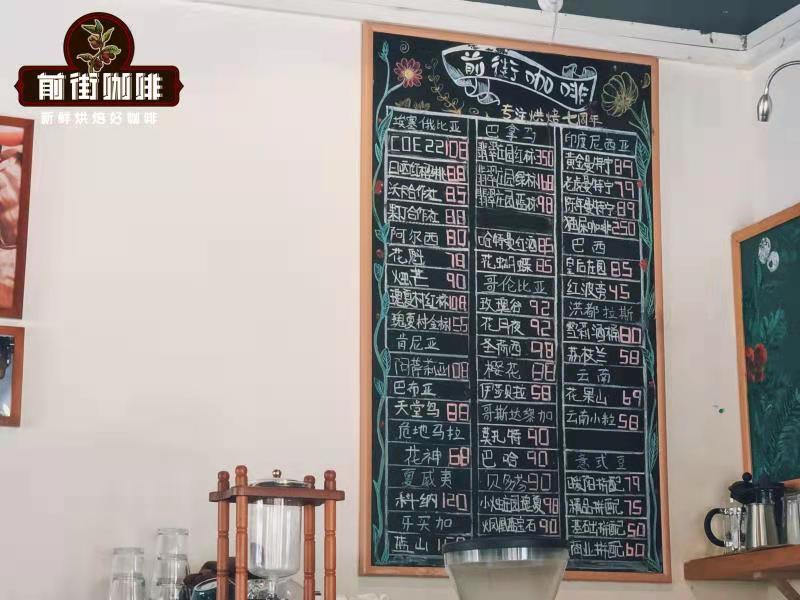
After arriving in Panama, Geisha was initially just one of many cultivated varieties. It wasn’t until Daniel Peterson of Hacienda La Esmeralda noticed its performance in high-altitude environments that it began to stand out. In the 1990s, the estate planted coffee in the high-altitude Jaramillo region, where many coffee trees were affected by leaf rust, but Geisha demonstrated remarkable resistance to the disease. Daniel decided to transplant Geisha from mixed variety plots and cultivate it separately in even higher-altitude blocks, gradually establishing the foundation for its unique flavor profile.
In 2003, after numerous trials and cuppings, Hacienda Esmeralda finally discovered the astonishing potential of Geisha. That year, Geisha exhibited intense white floral notes, bright citrus acidity, and a finish marked by berry and bergamot flavors, leaving everyone astonished. The following year, it entered the BOP (Best of Panama) competition under the name “Geisha” and achieved instant fame, subsequently becoming a leader in the global specialty coffee market.
Today, Hacienda Esmeralda classifies Geisha into three grades—Red Label, Green Label, and Blue Label—based on altitude and processing methods, with each grade offering distinct flavor characteristics and market positioning.
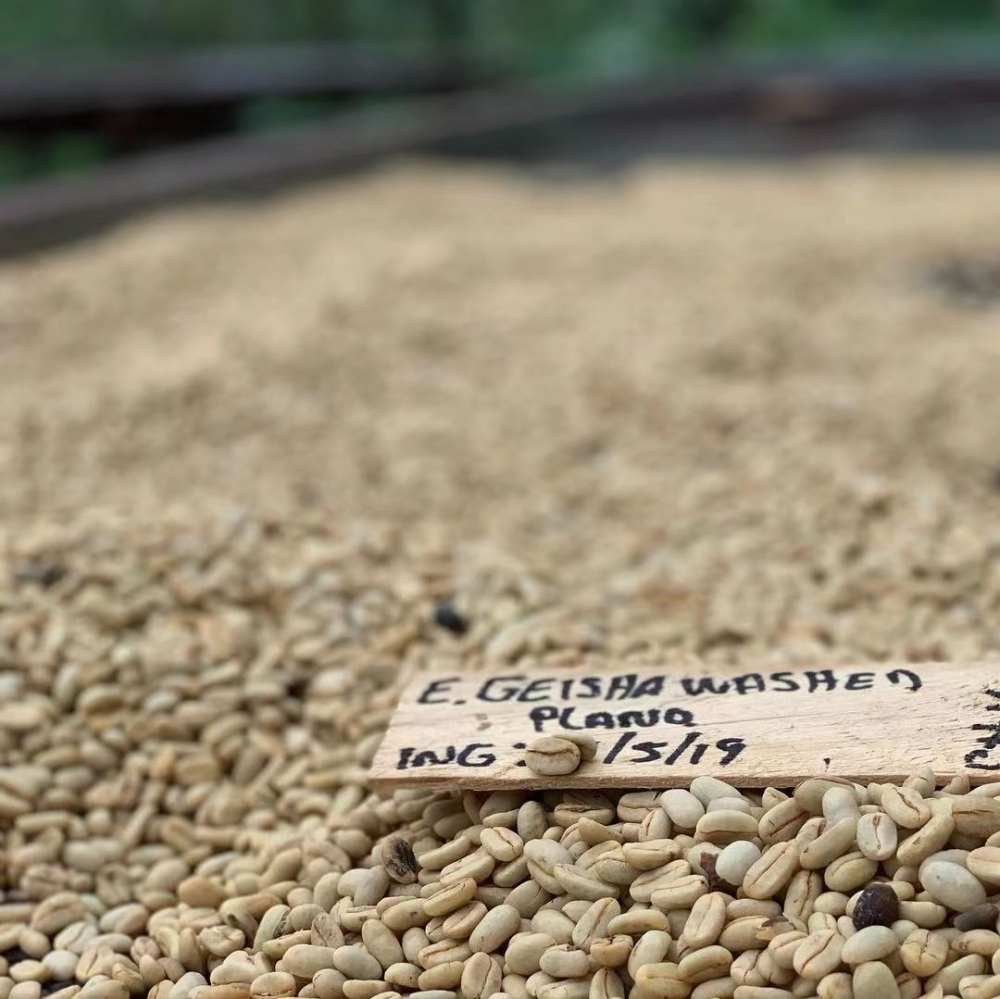
Hacienda Esmeralda Red Label Geisha: Auction-grade Premium Flavor
Red Label Geisha is grown at altitudes between 1600 and 1800 meters, primarily from the high-altitude Jaramillo and Cannas Verdes farms. It represents the highest quality Geisha beans within the estate. Cupping scores for this grade often exceed 90, making it a highly sought-after item at global auctions. Its aroma is dominated by bright floral and citrus notes, with a rich flavor profile often featuring sweet juice-like sensations of tropical fruits, berries, and apricots. The acidity is vibrant, and the aftertaste is long-lasting.
Red Label Geisha is typically processed using washed or natural (sun-dried) methods, with the natural batches accentuating its tropical fruit flavors. The natural processing method involves drying the entire coffee cherry directly in the sun, allowing the beans to slowly ferment within the fruit pulp and absorb more fruity aromas. The typical drying period lasts around 3 to 5 days, followed by 72 hours in a dryer to stabilize moisture content, before the pulp is finally removed to complete the processing.
This premium-grade Geisha is usually available only through annual auctions, making it a highly coveted item for coffee enthusiasts and professional roasters alike.
Hacienda Esmeralda Green Label Geisha: The Value Option
Green Label Geisha also comes from Hacienda Esmeralda, grown at altitudes between 1600 and 1800 meters, but consists of micro-lots blended from the Jaramillo and Quiel farms. As such, it is not auction-grade, yet it retains the classic floral, fruity notes and clear citrus acidity of Geisha. It offers a juicy, layered taste profile, making it suitable for consumers who appreciate Geisha flavors but have a more limited budget.
Green Label Geisha is also available in both washed and natural processing options, with the washed version delivering a crisper taste, brighter acidity, and clearer fruit flavors—ideal for brewers who prefer a cleaner profile. The brand’s Green Label uses the washed process, showcasing a more transparent acidity and clean aftertaste.
Hacienda Esmeralda Blue Label Geisha: Distinctive Flavor & Brand Transformation
Blue Label Geisha is grown at relatively lower altitudes, around 1400 to 1500 meters, and is a blend from the Jaramillo, Canas Verdes, and El Velo farms. This Geisha typically features subtle floral notes and pronounced fermentation characteristics, presenting a sweet berry-like juice flavor with high sweetness and an aftertaste that hints at honey and oolong tea.
It’s worth noting that between 2019 and 2022, Hacienda Esmeralda temporarily halted production of Blue Label Geisha, supplying those lots to external brands. One such brand launched “Las Rocas,” also known as Volcanic Rock Geisha—the commonly seen Blue Label version in the market. Although it is slightly lower in grade compared to Red and Green Labels, Blue Label still embodies the essential traits of Geisha, making it suitable for coffee lovers seeking a different flavor experience.
Practical Pour Over Recommendations & Extraction Parameters
To fully highlight Geisha’s delicate floral notes and complex fruit acidity, a light roast is recommended, along with precise brewing parameters to bring out its layers. Practical testing suggests using a Hario V60 dripper, with a water temperature set at 91°C, a brew ratio of 1:15, and a grind size of approximately EK43s scale 10 (about 80% passing rate through a Chinese standard 20-mesh sieve).
A three-stage extraction is recommended: begin with a 30-second bloom using 30 grams of water, then pour in a slow circular motion until reaching 125 grams for the first pour; once the water level drops and is about to expose the coffee bed, continue pouring to 225 grams before stopping, and allow the dripper to drain naturally. The total extraction time is around 2 minutes.
These parameters effectively balance extraction yield and flavor expression, particularly well-suited for light-roast Geisha, preventing over-extraction that could lead to bitterness while highlighting bright acidity and complex aromas.
Flavor Comparison Summary
Red Label Geisha excels in rich floral and fruity notes, with a layered flavor profile, bright acidity, and sweet aftertaste, representing the pinnacle of the Geisha range. Green Label showcases clear fruit acidity and a juicy mouthfeel, making it great for everyday drinking with excellent value. Blue Label offers a milder profile with fermentation nuances and berry-like juice tones, ideal for coffee enthusiasts looking to explore different flavor directions.
No matter which grade you choose, Geisha represents the perfect combination of Panama’s high-altitude microclimates and refined processing techniques, serving as an important symbol of specialty coffee culture.
The above content is compiled by CoffeeHunters, a coffee news website.


