







Introduction:The term "斋啡" often heard in Hong Kong dramas actually refers to black coffee without sugar or milk. But it is not just a single type of beverage—it encompasses various brewing methods such as pour over and espresso. This article will explore its historical background, introduce the evolution of espresso machines, the origins of Americano, and delve into key variables in espresso extraction such as pressure, grind size, and coffee-to-water ratio. It will also discuss the potential health impacts of long-term, excessive consumption of iced Americano, helping readers fully understand this common yet nuanced form of coffee.
In many Hong Kong drama scenes, it’s common to hear characters order: "Give me a cup of 斋啡, please." Here, "斋啡" refers to black coffee without sugar or milk. While most people think of black coffee as simply coffee without additives, it can actually be divided into two main brewing categories—pour over and espresso—each with its unique extraction method and flavor profile.
Pour over coffee is a brewing method that emerged during the third wave of coffee, emphasizing the expression of the coffee bean's original flavors and is commonly seen in the specialty coffee scene. Espresso, on the other hand, represents the second wave of coffee, producing a rich coffee liquid through high-pressure extraction, with its most familiar form being the classic espresso and its derivative, the Americano.
When talking about espresso, we must mention the development history of the espresso machine. As early as the 1880s, the first espresso machine made its debut at the World’s Fair in Turin, Italy, and was granted a patent. However, this machine was not mass-produced at the time. It wasn’t until 1901 that a designer from Milan obtained a patent for a commercially viable technology. Five years later, the La Pavoni company officially launched the world’s first commercial espresso machine, laying the foundation for modern espresso.
As time progressed, in the 1930s, a Milanese barista added a piston lever to the espresso machine, giving rise to the characteristic crema (a brownish foam) on espresso. This layer of foam not only brings intense aroma but also serves as an important indicator of coffee freshness. In 1961, the E61 machine introduced by Faema is regarded as the predecessor of the modern espresso machine. This semi-automatic machine allowed baristas to precisely control extraction pressure and time without relying on a manual lever. Its horizontal boiler design also brought baristas and customers closer together, further promoting the development of Italian coffee culture.
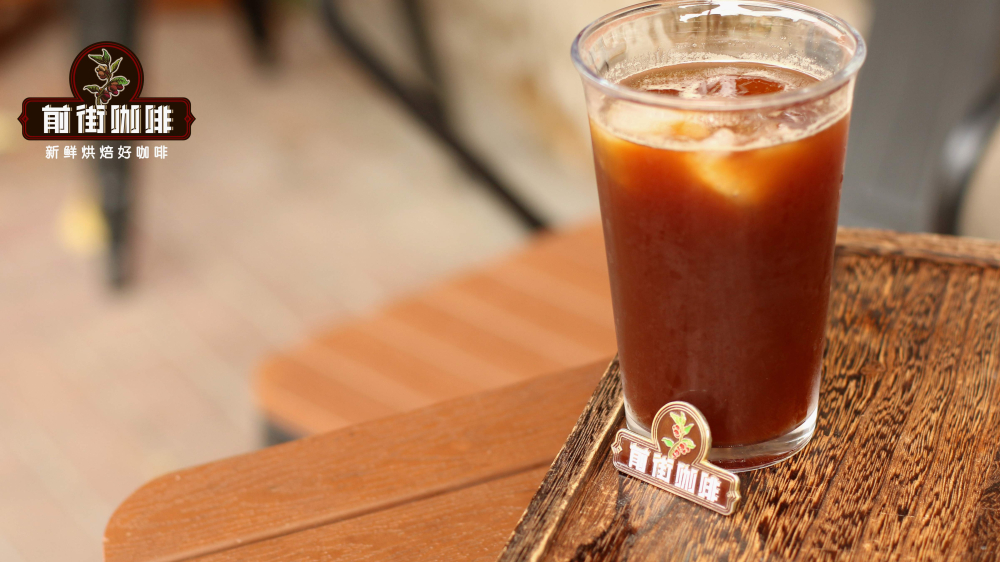
As for the name "Americano," it is related to American soldiers during World War II. At the time, American troops stationed in Europe found the local coffee too strong and hard to drink, so they diluted the espresso with hot water to create a milder flavor. Europeans disapproved of this practice and jokingly called this diluted coffee "Americano," a name that has stuck ever since.
Traditional Americano is usually made by combining one or two shots of espresso with hot water. This brewing method softens the originally intense coffee flavor while retaining some of its original taste, making it more approachable for beginners.
So, how many calories does a pure black coffee actually have? The answer is: almost zero. If you don’t add any sugar, creamer, or other sweeteners, the calorie content of black coffee itself is negligible. A cup of around 240 ml of black coffee may contain only about 1 to 2 kcal. For this reason, many people enjoy drinking black coffee in the morning or after exercise, hoping to gain a boost of energy or promote metabolism.
However, if you consume large amounts of iced Americano over a long period—that is, drinking a lot of black coffee at room temperature or lower—it may irritate your stomach, especially for those with sensitive digestive systems, potentially causing acid reflux, stomach pain, and other discomforts. In addition, excessive caffeine intake may also lead to side effects such as insomnia, palpitations, and anxiety. It is recommended to limit daily caffeine intake to within 400 mg, which is roughly equivalent to 3 to 4 cups of regular-strength Americano.
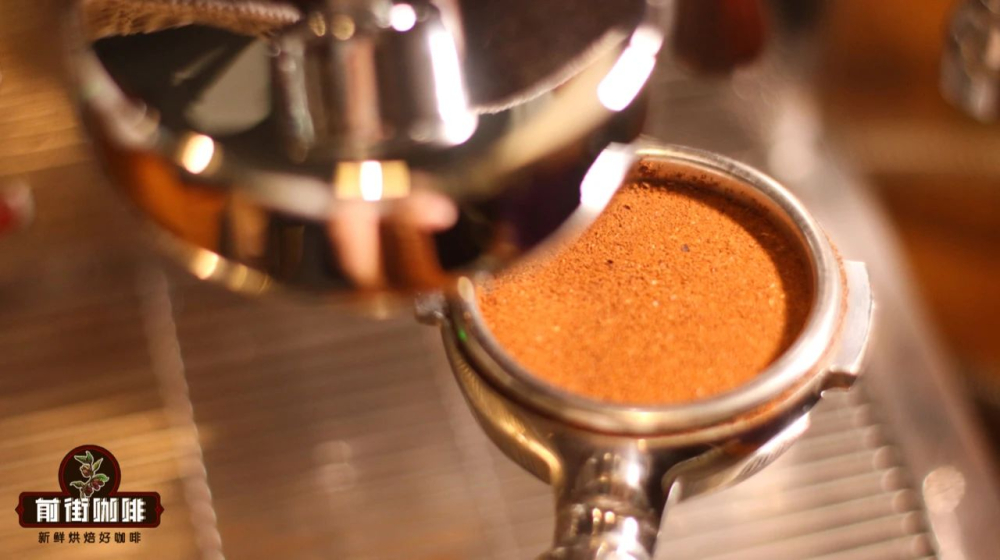
If you want to brew an Americano at home that’s close to café quality, understanding the extraction parameters is essential. For example, the standard coffee-to-water ratio for espresso is typically 1:2—that is, 20 grams of coffee grounds yield 40 grams of espresso, which is then diluted with hot water at a 1:6 ratio to make a cup of approximately 240 ml Americano. During extraction, pressure is ideally maintained at around 9 bar, with water temperature generally controlled between 90.5 and 96°C. Grind size should be adjusted based on the bean roast level and equipment characteristics, and the amount of coffee used depends on the portafilter basket size, with around 20 grams of coffee typically used for a double shot.
Finally, regarding crema, it is an important criterion for evaluating whether an espresso is fresh and properly extracted. This foam, composed of carbon dioxide and volatile aromatic compounds, not only affects the appearance but also directly influences the first impression of the coffee’s flavor. Freshly roasted coffee beans can often produce richer and finer crema, delivering a smoother and more layered taste experience.
The above content is compiled by CoffeeHunters, a coffee news website.


