







Category: Coffee Knowledge

A Complete Guide to Panamanian Geisha Coffee: From Its Ethiopian Origins to Premium Pour Over Brewing
Did you know that the name "Geisha" coffee actually comes from a mountain in Ethiopia? How did this once-obscure coffee variety rise to fame at Panama's Hacienda Esmeralda and become a global representative of top-tier specialty coffee? This article will delve into the historical roots, varietal characteristics, regional differences of Geisha, and provide expert pour over brewing recommendations and flavor analysis — helping you master the allure of this legendary coffee from beginner to connoisseur. [more…]
Decoding the Flavors of Ethiopian Heirloom Coffee Beans: The Variety Secrets Behind Heirloom and Brewing Recommendations
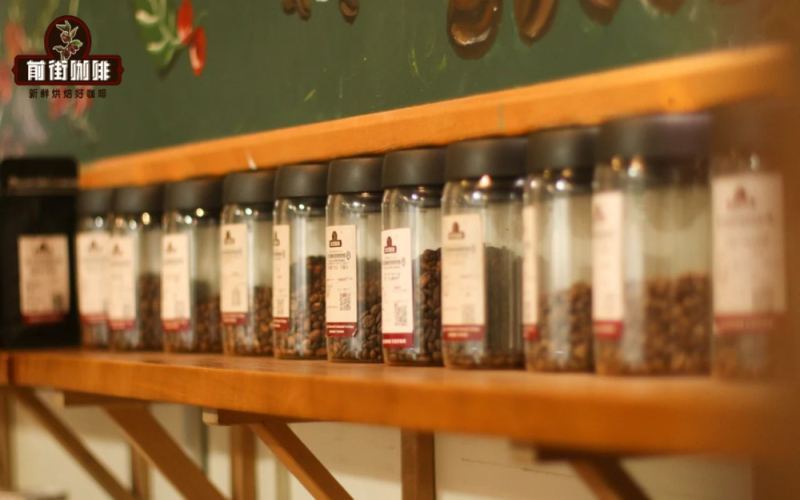
Ethiopian coffee is often labeled as Heirloom, yet few truly understand what this term means. This article delves into the origins of this broad designation—from cultivation practices and variety classification to green bean grading systems—to help you understand why Ethiopian beans vary in size and exhibit such diverse flavors. Through blind taste tests, we analyze the flavor differences between large and small coffee beans and provide practical brewing references to help you better appreciate the complex flavors of this coffee from its birthplace. [more…]

Luckin Coffee’s Lightning-Fast IPO in Just 17 Months: Quality and Market Challenges Behind Affordable Coffee
In 2019, Luckin Coffee set a global record for the fastest IPO in just 17 months, with its financing scale becoming the largest in Asia on the NASDAQ that year. How did this brand, which expanded rapidly through online delivery and generous subsidies, shake up the domestic market dominated by Starbucks? This article delves into Luckin’s capital strategy, the current state of China’s coffee consumption, and the quality debates surrounding its “Master Coffee,” helping readers rationally assess the opportunities and challenges behind affordable coffee. [more…]

Ethiopia Gesha Village Gold Label Gesha Cupping: How Does the Natural Process from the Oma Plot Create Captivating Floral and Fruity Notes?
The Gesha variety originates from Ethiopia, not Panama. This time, the industry takes an in-depth look at the "Gold Label Gesha" from the Oma plot of the Gesha Village Estate, which belongs to the Gesha 1931 variety. Through a refined natural processing method, it delivers complex and enchanting tropical fruit, honey sweetness, and jasmine-like notes. This article covers everything from the estate background, growing altitude, and variety origin, to processing methods, roasting, and pour over recommendations, helping you fully grasp the brewing and tasting essentials of this top-tier African Gesha. [more…]

Cold Brew vs. Ice Drip Coffee: A Comparison | Extraction Parameters, Flavor Profiles & Beginner’s Guide
With its refreshing, smooth taste and mild acidity, cold brew coffee has become a favorite beverage in both summer and autumn. But do you know how it differs from ice drip coffee? This article delves into the historical background of cold brew, suitable water temperatures, extraction principles, and provides a detailed comparison of the brewing techniques and flavor characteristics between cold brew and ice drip, helping you find the most suitable cold extraction method based on your personal taste. [more…]
Aeropress Positive Pressure Brewing Guide: Ideal Grind Size & Flavor Comparison
In addition to the common inverted method, the official Aeropress brewing guide also recommends using positive pressure extraction. However, many users remain uncertain about which grind size is most suitable for this method. This article uses light to medium roasted beans as an example, testing three common grind sizes through practical experimentation. It analyzes their differences in aroma, acidity-sweetness balance, clarity, and body, helping you find the ideal positive pressure brewing setup for your taste. [more…]

How to Choose Filter Drip Coffee Bags? Origins, Evolution, Differences from Instant Coffee, and Beginner-Friendly Specialty Arabica Recommendations
Filter drip coffee bags combine the flavor of pour over brewing with the convenience of instant preparation, making them a daily choice for many coffee enthusiasts. But do you understand the evolution of their design? What are the key differences compared to instant coffee? This article details the origins and technological advancements of filter drip coffee bags, compares their fundamental distinctions from instant coffee, and recommends several beginner-friendly specialty Arabica filter drip coffee bag sets to help you make more informed choices in both flavor and selection. [more…]
How does the Ethiopian Gesha Village Gold Label Gesha taste? A full breakdown of its grade classification and pour over parameters
As one of the few specialty coffee farms in Ethiopia that practices large-scale cultivation of a single variety with strict grading, Gesha Village’s Gold Label Gesha accounts for only 5% of its annual production, yet delivers an exceptional quality comparable to auction lots. This article delves into Gesha Village’s four-tier grading system, highlights the varietal background and natural processing details of the Gold Label Gesha, and provides professional roasting profiles and V60 pour over parameters—helping you understand how this high-altitude Gesha, grown at nearly 2000 meters above sea level, expresses citrus, tea-like notes, and a juicy profile. [more…]
How to choose between Ethiopia Yirgacheffe and Sidamo G1? Washed and natural processes offer vastly different flavors
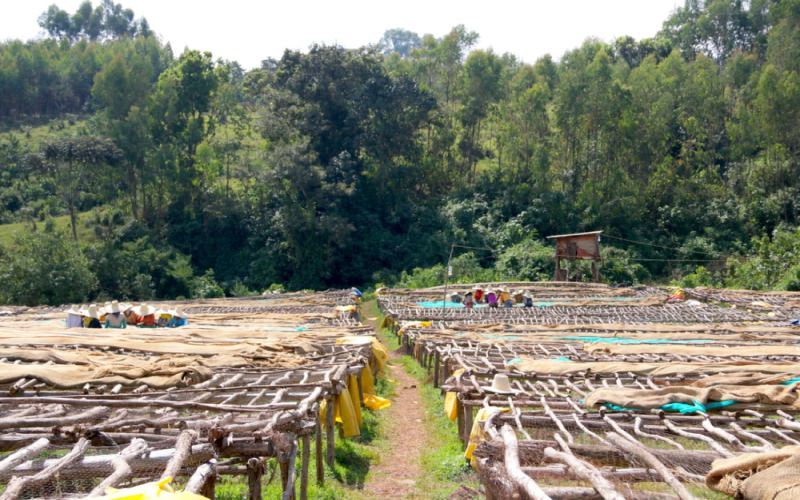
Yirgacheffe and Sidamo are both renowned coffee-growing regions in Ethiopia, but Yirgacheffe has long been a top-tier specialty coffee thanks to its pronounced floral and citrus notes. This article delves into the differences between these two major regions, with a special focus on Grade G1 beans processed via washed and natural methods. From green bean grading and processing techniques to actual flavor profiles, we’ll give you a comprehensive understanding of Yirgacheffe’s captivating sweet-and-acid balance and unique aromas—offering practical guidance for buying coffee beans or trying out pour over brewing. [more…]
How to brew Yirgacheffe Red Honey Processed beans in a pour over? Full red fruit flavors and brewing tips
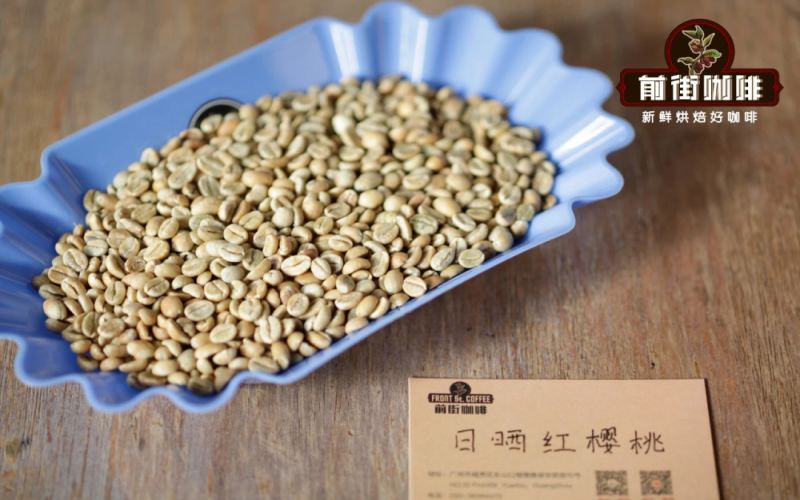
This article provides an in-depth analysis of a G1-grade coffee bean from Ethiopia’s Yirgacheffe region, crafted using the red honey processing method, with a special focus on how the “full red fruit” processing technique influences its flavor. From harvesting standards and anaerobic pre-fermentation to long sun-drying periods and mucilage retention, we explore the key steps that contribute to this coffee’s vibrant floral and fruity aroma, rich sweetness, and lingering aftertaste. Practical pour over brewing recommendations are also included to help you fully unlock its potential. [more…]
Comprehensive Analysis of Variety, Processing, and Pour Over Parameters for Ethiopia Gesha Village Chaka Lot
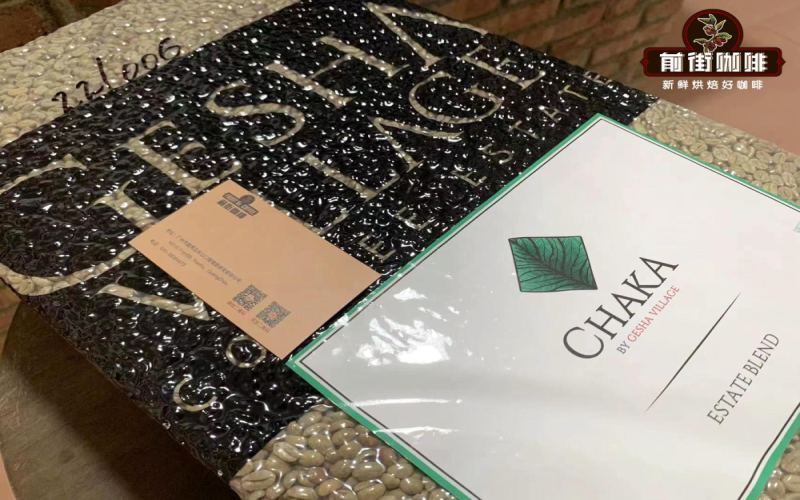
This article provides an in-depth introduction to the CHAKA lot of coffee produced by Ethiopia’s Gesha Village, covering everything from its regional background and variety composition, to its natural (sun-dried) processing method, roast profile, and cupping flavors. It also offers a practical Hario V60 pour over brewing guide, analyzing flavor differences under high and low temperature extractions. A must-read for fans of Gesha profiles and advanced pour over enthusiasts. [more…]
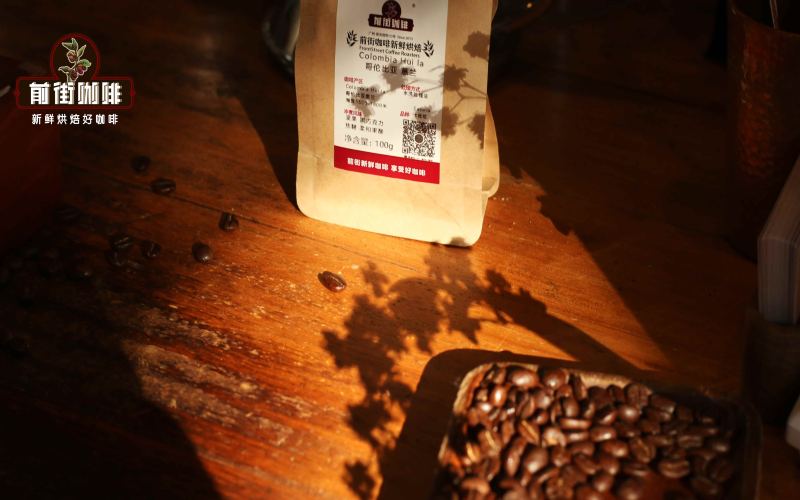
Colombian Hope Estate Geisha Coffee Beans: Region, Processing & Flavor Analysis | Pour Over Recommendations & Tasting Guide
The Hope Estate Geisha is an exquisite representative of Colombia’s high-altitude coffee regions, beloved by coffee enthusiasts worldwide for its distinctive fruity aromas and clear, layered profile. This article delves into the estate’s geographical location, green bean processing methods, and competition history, while providing a detailed analysis of the roast strategy, flavor profile, and pour over recommendations for this washed Geisha—offering you a comprehensive understanding of this popular coffee bean from region to cup. [more…]
How to Make Cold Brew Coffee? A Complete Guide to Water Temperature, Coffee-to-Water Ratio, Ice Drip Comparison, and Flavor Adjustment
Cold brew coffee is renowned for its low-temperature slow extraction, which preserves more floral and fruity aromas while reducing acidity and bitterness, making it a top choice for many coffee enthusiasts in autumn and winter. This article delves into the extraction principles of cold brew, explores how water temperature, grind size, coffee-to-water ratio, and brewing time affect flavor, and provides practical tips for adjusting overly bitter, sour, or weak-tasting brews. Additionally, it compares the craft differences and flavor characteristics of cold brew and ice drip coffee, and offers guidance on selecting beans with different processing methods to help you [more…]

A Complete Guide to Costa Rica Gesha Blend: Milagro Strawberry Candy Pour Over Parameters and Flavor Profile
Did you know? Costa Rica was actually one of the earliest places where Gesha was introduced—even before Panama. This article dives deep into a strawberry candy-flavored Gesha blend from Milagro Estate in the Tarrazú region of Costa Rica. Comprising 50% Gesha and other premium varieties, it is processed with raisin honey to deliver intense sweetness and aroma. We’ll take you through its varietal background, processing method, ideal V60 pour over brewing parameters, and expert-level flavor analysis—so you can brew an exceptional cup at home. [more…]

A Complete Guide to Specialty Coffee from Africa: From Ethiopia to Kenya, Master Varieties, Processing Methods, and Flavors
As the birthplace of coffee, Africa is home to many iconic coffee-growing regions. This article delves into the coffee cultivation environments, mainstream varieties, common processing methods, and unique flavor profiles of key producing countries such as Ethiopia, Kenya, and Rwanda. It also includes practical pour over recommendations and parameter references to help you gain a more comprehensive understanding of the diverse charm of African coffee. [more…]

How to choose Yirgacheffe coffee beans? Analysis and recommendations on washed, natural, and village-grade flavors
As the most representative specialty coffee region in Ethiopia, Yirgacheffe is renowned for its distinctive floral and fruity aromas as well as bright acidity. However, within this region, various flavor profiles emerge due to differences in villages and processing methods, making it difficult for beginners to choose. This article provides an in-depth analysis of three popular Yirgacheffe coffee beans—Washed G1 Guji Dingding, Classic Washed Everyday Bean, and Natural Red Cherry—from processing techniques, flavor profiles to suitable brewing methods, helping you find the one that suits your taste best. [more…]
Ethiopian G1 Yirgacheffe vs. Sidamo Coffee Flavor Analysis | Washed Processing Complete Guide
An in-depth comparison of the flavor characteristics of Ethiopian G1 Yirgacheffe and Sidamo coffees, analyzing the reasons behind the high cost and the craftsmanship details of washed processing. From the flavor profiles of the two major regions, the G1 grade standards, to the actual tasting differences between washed Gedicho and natural red cherry, this guide provides practical references for selecting specialty coffee beans—beneficial for both beginners and advanced coffee enthusiasts. [more…]
Complete Guide to Espresso Crema: Formation Principles, Color Analysis & Extraction Essentials
Crema (coffee foam) is not just an aesthetic feature of espresso—it’s a key indicator of extraction quality. Beneath this golden-brown, velvety layer lies a delicate interplay of carbon dioxide, melanoidins, and pressure. Understanding how crema forms, why it dissipates, and what different colors signify can help both coffee enthusiasts and professionals refine their extraction techniques and elevate the flavor of every shot of espresso. [more…]
Analysis of Colombian Hopes Estate Geisha: Flavor Profile of Washed Light Roast from Huila Region & Pour Over Parameters
A certain coffee estate is located in the highlands at an altitude of 1750 meters in Colombia’s Huila region, renowned for its Geisha variety. Through washed processing and light roasting, it showcases bright citrus, bergamot, and honey notes. This article details the background of the estate, its growing environment, and competition history, while thoroughly dissecting the flavor profile—from dry aroma to aftertaste—of a certain brand’s Hopes Estate Geisha. It also provides practical pour over recommendations and extraction parameters, suitable for coffee enthusiasts who enjoy premium light roasts with fruity profiles. [more…]
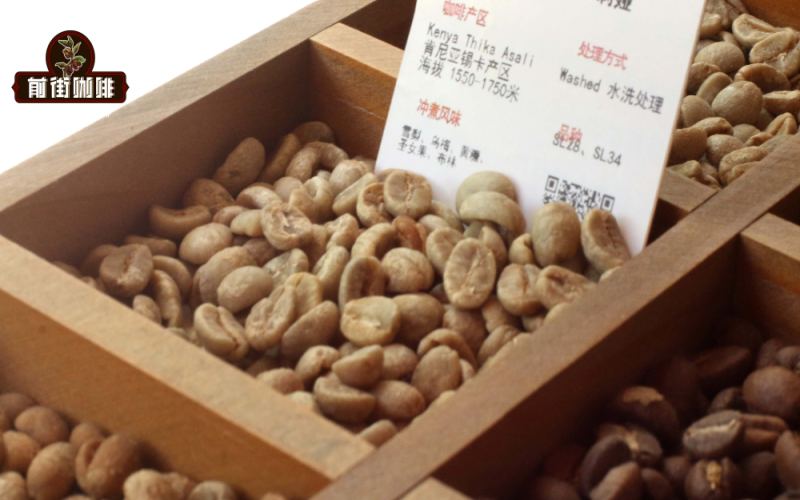
How Is Kenyan Double Washed Coffee Made? Process Breakdown + Flavor Profile & Recommendations
Kenyan double washed coffee is renowned for its high fruit acidity and rich balanced body, making it a key choice for coffee enthusiasts exploring African flavors. This article delves into the complete production process of double washing—from density sorting, double fermentation to sun drying—analyzing how each step shapes its unique flavor. It also features a representative medium-light roasted Kenyan bean, letting you experience the captivating taste interwoven with cherry tomatoes, berries, and caramel layers. [more…]