







Introduction:Choosing the right roast level for espresso beans can completely transform the flavor of an espresso or latte. From the bright and acidic notes of a light roast, to the balanced and mellow profile of a medium roast, and the rich, bitter-sweet intensity of a dark roast—each roast level offers unique aromatic characteristics and suitable brewing methods. This article details the flavor profiles, ideal usage scenarios, and practical advice for the three main roast types, while retaining classic images to aid understanding, helping you find the coffee beans that best suit your taste preferences.
Green coffee beans contain a variety of aromatic compounds and flavor precursors, but these components undergo chemical changes such as Maillard reactions and caramelization during roasting due to high temperatures, which in turn affect the final aroma profile and taste structure. Therefore, roast level is actually one of the key factors that determine the direction of a coffee’s flavor. Although many people believe that espresso can only be made with dark-roasted beans, in reality, light roast, medium roast, and even very dark roast beans can all be used for espresso extraction—the difference lies in whether the resulting flavor profile aligns with personal taste preferences.
In Italian tradition, dark roasting (commonly referred to as Italian roast) has always been the mainstream choice. These coffee beans, after prolonged high-temperature treatment, turn dark brown with an oily sheen, with acidity almost disappearing, giving way to intense caramel sweetness and a full body. The large amount of carbon dioxide accumulated within the beans, under the high pressure of espresso machines, forms a rich golden crema layer. This not only delivers a strong smoky aroma but also makes the milk frothing process for lattes and other milk-based coffees smoother and more stable. If you’re passionate about making specialty coffee drinks and are seeking a bold flavor experience,it is recommended to choose a dark roast blend that has been roasted for over 12 minutes, with visibly oily bean surfaces—such beans often include a small amount of Robusta to enhance intensity and crema performance.
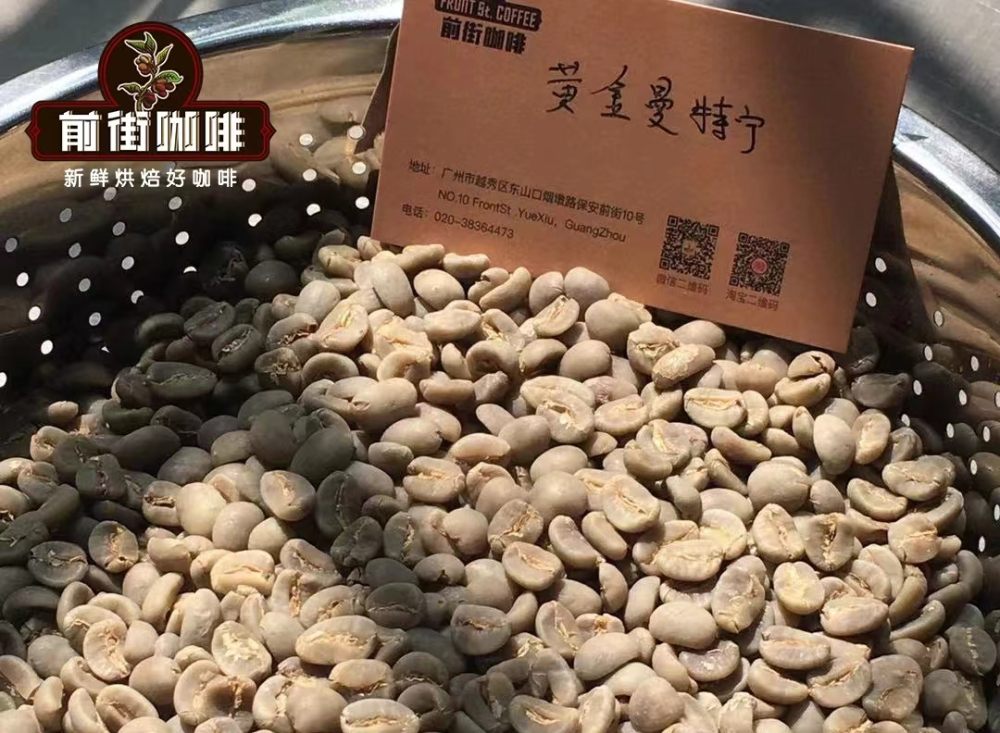
Light roast coffee beans are typically roasted for a shorter time, removed from heat when the core temperature reaches around 195–205°C. At this stage, the beans exhibit a light cinnamon color (similar to American cinnamon roast or half-city roast), accompanied by the crisp sound of the “first crack.” Due to the limited heating time, the acidity within the beans (such as fruity and citrus notes) is largely preserved, but caramelization is minimal. As a result, the overall flavor tends to be bright and lively, with relatively less prominent sweetness and body. This type of bean is particularly well-suited for high-acidity single-origin beans from African regions such as Ethiopia and Kenya, highlighting vibrant fruit aromas like cherry, blueberry, or passionfruit. However, due to their low body and high volatility of acids, they can easily produce sharp acidity or unbalanced flavors when used for espresso,so it is recommended to prioritize low-pressure brewing methods such as pour over, French press, or cold brewto fully showcase their delicate layers of aroma. Common representatives of light roast include certain Ethiopian Yirgacheffe natural lots or Panamanian Geisha, all of which fall into this flavor style.
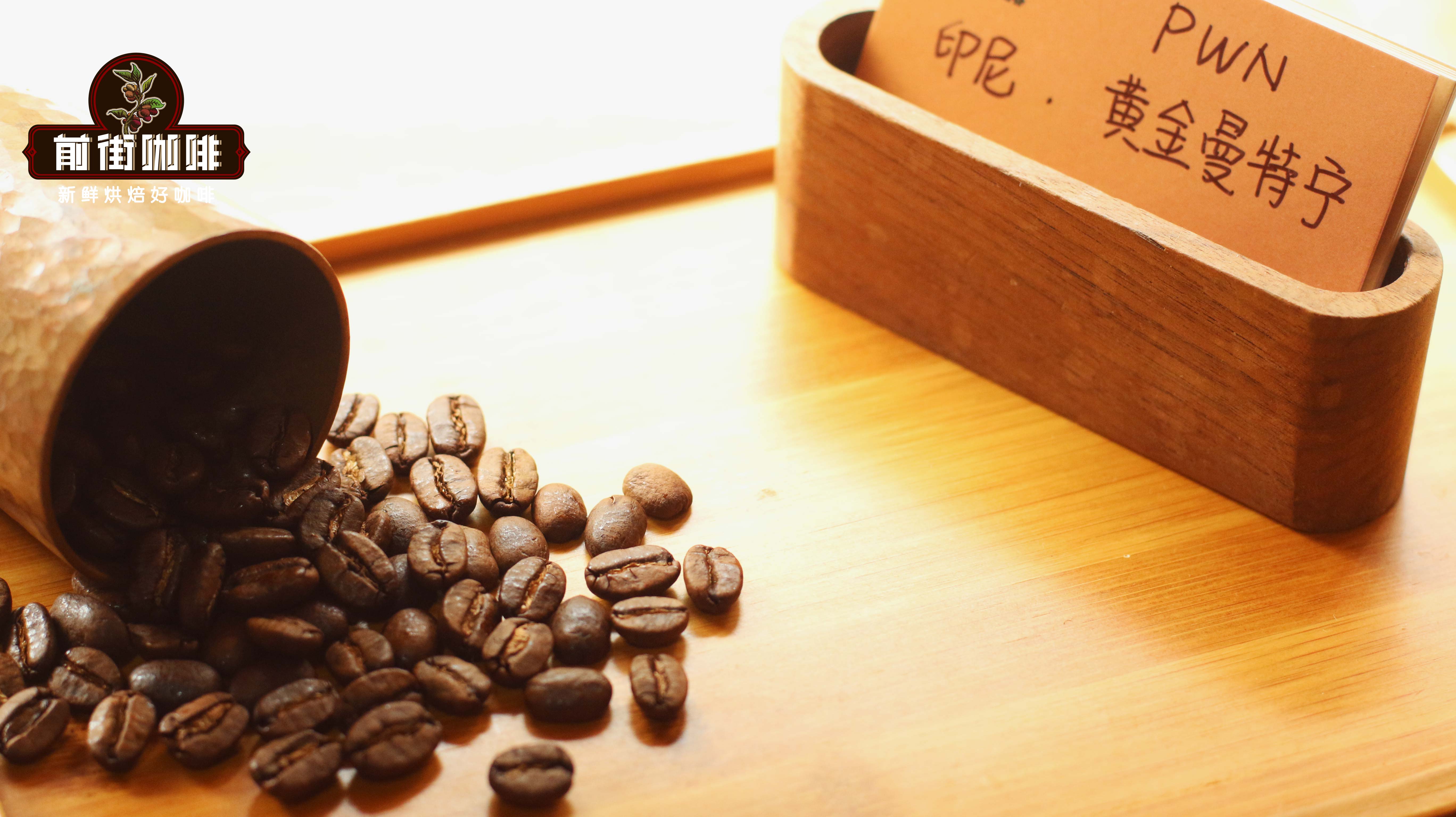
Medium roast sits between bright acidity and rich body. The roasting time is around 10–11 minutes, and when the core temperature reaches 210–215°C, the bean surface turns a uniform olive brown (corresponding to American breakfast roast or city roast). At this stage, the coffee beans retain some of their original flavors (such as nuttiness, caramel, or floral notes) while developing gentle sweetness and body through moderate Maillard reactions. This roast level is commonly used in breakfast coffees in Europe and America, pairing well with milk and sugar for a smooth and mellow taste. For espresso extraction, medium roast beans offer a more balanced ratio of acidity, sweetness, and bitterness, making them suitable for single-origin espresso or as the base for blends. If you prefer a coffee experience that isn’t overly intense but still has depth,consider choosing a medium roast blend or single-origin bean with even roast development and slight oil sheen on the surface—for example, beans from neutral-flavored origins such as Brazilian Cerrado or Yunnan Arabica, which can deliver stable performance under this roast level.
Extending further, the medium-dark roast (around 12–16 minutes, with core temperature above 220°C), also known as full-city roast, sees the bean surface turn deep brown, nearly black, beginning to show a bright oily sheen. The balance among acidity, sweetness, and bitterness becomes tighter at this stage. This roast level highlights the nutty characteristics and deeper sweetness of the coffee, while maintaining a moderate body, making it ideal for those who enjoy a coffee that is “not overly intense but still distinctive.” If you frequently use espresso machines to brew single-origin beans or explore flavor contrasts across different regions, medium-dark roast can provide clear flavor cues—for instance, Latin American beans with chocolatey undertones or Indonesian beans with spicy notes, which often present more three-dimensional flavor profiles at this roast stage.
The above content is compiled by CoffeeHunters, a coffee news website.


