







Introduction:The coffee beans from Ethiopia’s Gesha Village Estate are renowned for their distinctive flavor profiles, yet many consumers find the estate’s grading system confusing. This article delves into the differences between the five main grades — Auction, Gold, Red, Green, and Chaka — covering their production proportions, flavor characteristics, recommended brewing methods, as well as the influence of microclimates and coffee varieties across each production area to help coffee enthusiasts make precise choices tailored to their preferences.
Gesha coffee has long enjoyed immense popularity in the global specialty coffee scene, but many often confuse the offerings from Panama’s Hacienda La Esmeralda with those from Ethiopia’s Gesha Village Estate. In reality, although both origins are celebrated for their elegant floral and fruity notes, they each possess unique historical backgrounds and grading systems. This article will take you on a deep dive into the origins of Ethiopia’s Gesha Village Estate and provide a detailed breakdown of its five primary grades — Auction, Gold, Red, Green, and Chaka — helping you make the best selection based on your needs.
The story dates back to 2007, when documentary filmmaker Adam Overton and his photographer wife Rachel Samuel, while collaborating with the Ethiopian government on a coffee-themed documentary, visited the Gera Coffee Forest in the Bench Maji region. This journey inspired them to establish their own estate, and with the assistance of renowned coffee expert Willem Boot, they discovered the Gori Gesha Forest in the Bench Maji region — believed to be the origin of the Gesha variety — situated at an altitude of approximately 1,700 to 2,100 meters. This led to the creation of what is now known as the Gesha Village Coffee Estate, or the Gesha Village we know today.
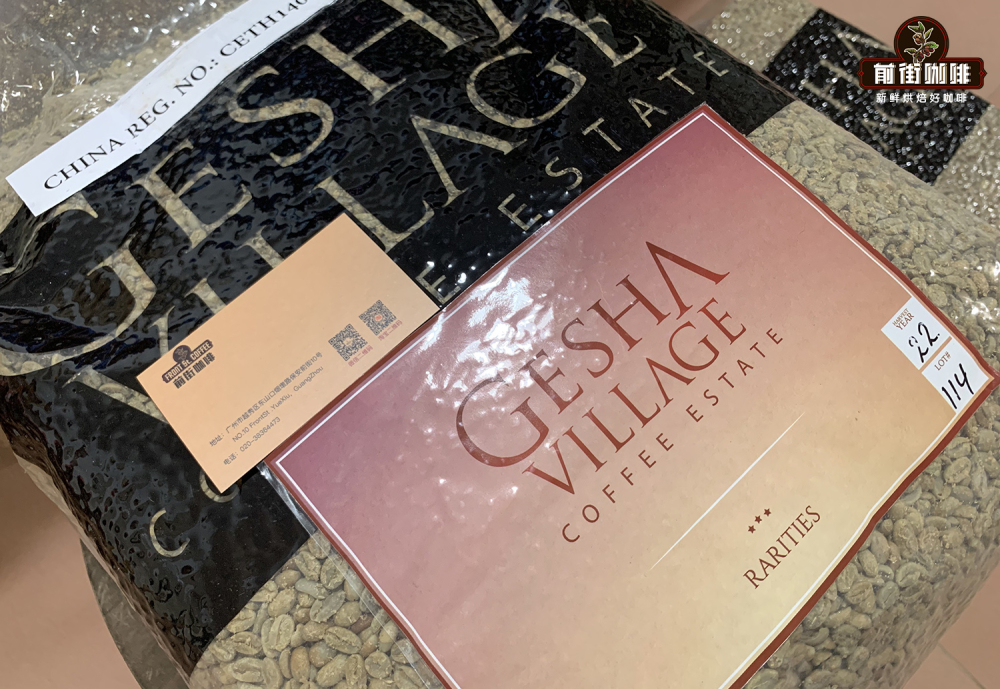
Covering a total area of 471 hectares, Gesha Village Estate is known for producing coffees with clear flavor profiles, distinct layers, and high brightness. The estate is divided into eight distinct plots, each cultivating different varieties of Gesha according to its unique microclimate, altitude, and soil characteristics, resulting in a diverse array of highly recognizable coffee flavors.
Gesha Village’s grading system is central to its coffee quality control. Based on the origin, processing method, cupping score, and rarity of the beans, the products are categorized into five main classes: Auction, Gold, Red, Green, and Chaka. Below, we will explain the features and differences of each grade one by one.
Auction-grade Gesha coffee accounts for only 3.7% of the estate’s total output and represents its highest tier, available exclusively through the annual global auction. These coffees typically score between 88.15 and 92.67 in cupping evaluations, and are further subdivided into Champion’s Reserve and Farm Reserve. For example, the famous Gesha Village 2018 Auction Lot RSV.6 falls into this category, delivering an exceptionally outstanding flavor performance and becoming highly sought after by coffee enthusiasts and professional judges alike.
Gold-grade production makes up about 5% of the output and is the next highest quality tier after the auction lots. It is a common choice among international coffee competition participants and high-end roasters. Gold-grade coffees come with complete traceability to their production areas, featuring distinct and richly layered flavor profiles. Though not as rare as auction lots, they still exhibit exceptional quality and complexity.
Red-grade lots offer a more cost-effective option while maintaining traceability, showcasing the classic flavor characteristics of Gesha Village — including bright acidity and rich fruitiness — though with slightly less intensity and complexity than gold-grade. Red-grade coffee is ideal for consumers who want to experience the Gesha Village flavor profile but have a more limited budget, making it an excellent entry point into the Gesha series.

Green-grade coffee comes from single plots and single varieties, preserving the classic flavors of Gesha Village. Although it shows slightly less layering and intensity compared to red-grade, it still delivers high-level performance and is suited for consumers who enjoy stable flavors and wish to explore the characteristics of different plots.
The Chaka-grade is a blended product that combines Gori Gesha, Gesha 1931, and the Ethiopian native disease-resistant variety Illubabor. This series aims to deliver a soft and balanced taste, featuring bright citrus and grapefruit acidity along with a sweet finish of cream, chocolate, and caramel. It is suitable for those who prefer milder flavor profiles.
The eight plots within Gesha Village each have their own unique traits, with different Gesha varieties planted according to local microclimates shaped by altitude, sunlight, and shading conditions. For instance, the OMA, SURMA, and SHEWA-JIBABU plots on the western side, being at higher altitudes, often yield more delicate flavors, while the southern plots, with greater shading, produce coffees with richer and fuller body characteristics.
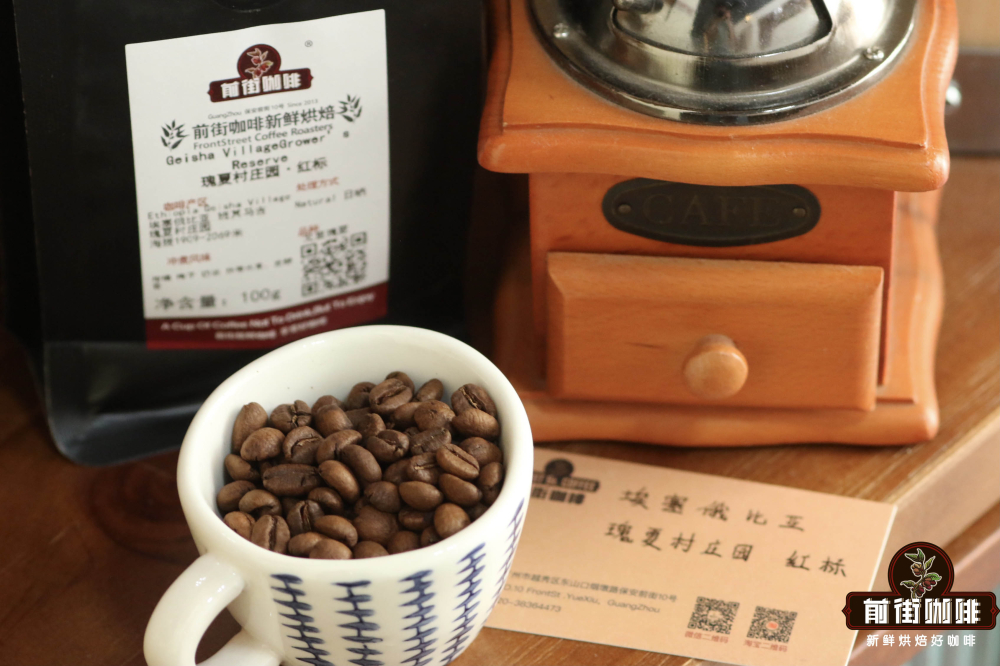
Below is a summary of the actual brewing and tasting flavor profiles of Gesha Village’s Red, Green, and Chaka-grade coffees for readers’ reference. The Red-grade coffee uses the Gori Gesha variety, processed via natural (sun-dried) method, and is grown at altitudes between 1,909 and 2,069 meters. When brewed, it presents intense fermented wine-like aromas paired with bright citrus and berry acidity, as well as a full-bodied fruit sensation. Recommended pour over parameters are: brew ratio 1:15, grind size at 80% passing through a #20 sieve, water temperature at 91°C, using medium-light roasting to enhance the fruit sweetness.
The Green-grade coffee also comes from the Bench Maji region, grown at altitudes between 1,911 and 2,001 meters, and is also naturally processed. It offers a balanced flavor profile with complex aromas including coconut, licorice, cream, chocolate, and toffee. The taste is full-bodied with a prominent nutty character. Similar pour over settings are suitable to highlight its sweetness and layered complexity.
The Chaka blend combines multiple varieties to deliver gentle citrus and grapefruit acidity alongside sweet notes of cream, chocolate, and caramel. Overall, it presents a mild and smooth flavor profile, making it suitable for everyday enjoyment or for consumers trying the Gesha series for the first time.
The above content is compiled by CoffeeHunters, a coffee news website.


