







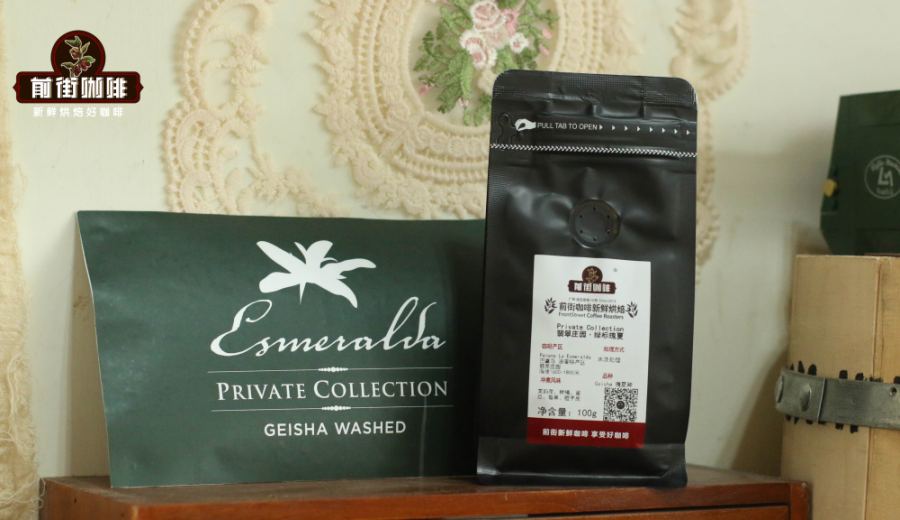
Introduction:Dive deep into the Boquete region, the hallowed ground of Panama Geisha cultivation, explore the grading logic behind the three premier lots of Hacienda La Esmeralda, and understand the differences and flavor profiles between Red Label and Green Label Geishas. This article provides practical V60 pour over recommendations and detailed flavor analysis to help you fully grasp the essence of this top-tier coffee.
Panama is a jewel in the global specialty coffee map, and Geisha (also known as Gesha) is the premium variety that has put this Central American country on the world map. Originating from the Boquete and Volcán regions in the Chiriquí volcanic area, along with finely delineated lots under Hacienda La Esmeralda such as Jaramillo, Cañas Verdes, and El Velo, factors such as altitude, microclimates, and unique processing methods come together to create the distinctive floral and citrus notes of Geisha. This article will take you through an in-depth analysis of Panama Geisha’s origin background, the development trajectory of its renowned farms, elaborate on the grade distinctions between Red Label and Green Label, and offer practical V60 pour over parameters along with comprehensive flavor descriptions — crafting a depth-rich yet practical origin-tasting guide for coffee enthusiasts.
Situated in the Central American isthmus, Panama borders Costa Rica to the north and Colombia to the south. It is not only a crucial hub connecting North and South America but also, due to the construction of the Panama Canal, has attracted international talent and capital. This canal, spearheaded by the United States, was managed by the U.S. for a long time after completion, indirectly fostering the development of local infrastructure and high-end consumer markets. It is against this backdrop that Panama’s coffee industry has gradually risen, with the Geisha variety from the Chiriquí volcanic region being the most iconic representation.
Coffee cultivation in Panama is heavily concentrated around the Chiriquí volcano, and the Boquete region, with its exceptional geographical and microclimatic conditions, has become the cradle of many top-tier coffees. The area boasts fertile volcanic soil, stable rainfall, cloud cover, and benefits from its elevation and significant diurnal temperature variation, which slows the ripening process of coffee cherries, allowing for the accumulation of richer flavor compounds. Boquete is not only scenically beautiful, but its coffee often exhibits multi-layered profiles of cocoa, fruitiness, and soft acidity.
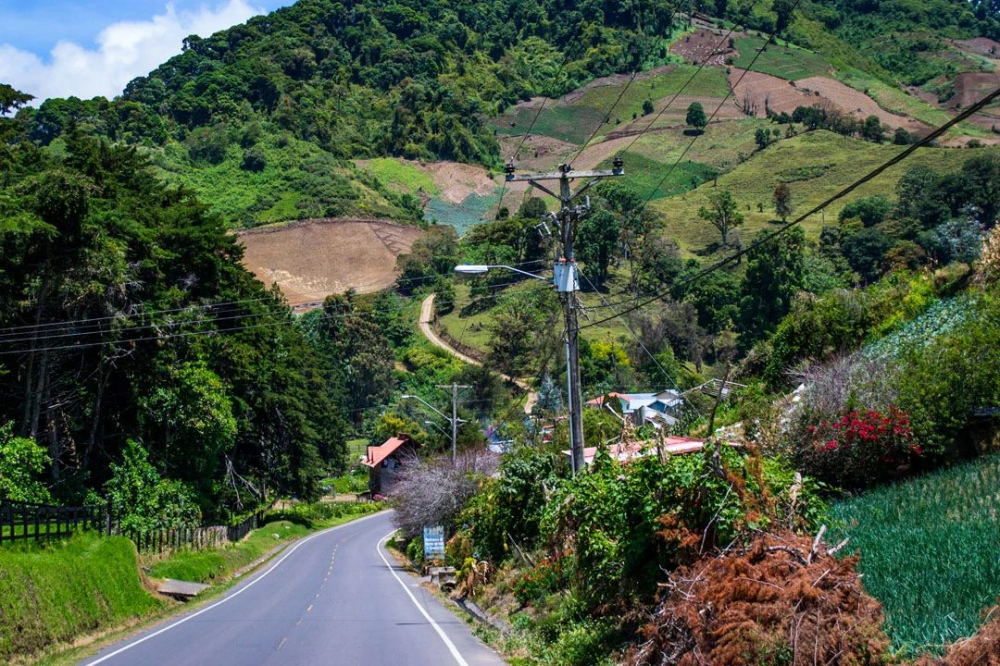
Located in the Chiriquí Province and bordering Panama and Costa Rica, Boquete is a mountain town encircled by the Barú volcano. With its stunning scenery and optimal combination of altitude and climate, it serves as an ideal cultivation site for high-quality coffee. The cool, foggy environment slows the maturation of coffee cherries, enabling the development of rich and balanced flavors even at moderately high altitudes. Cupping experience shows that coffees from this region often display diverse notes ranging from chocolate to various fruits, accompanied by elegant acidity layers.
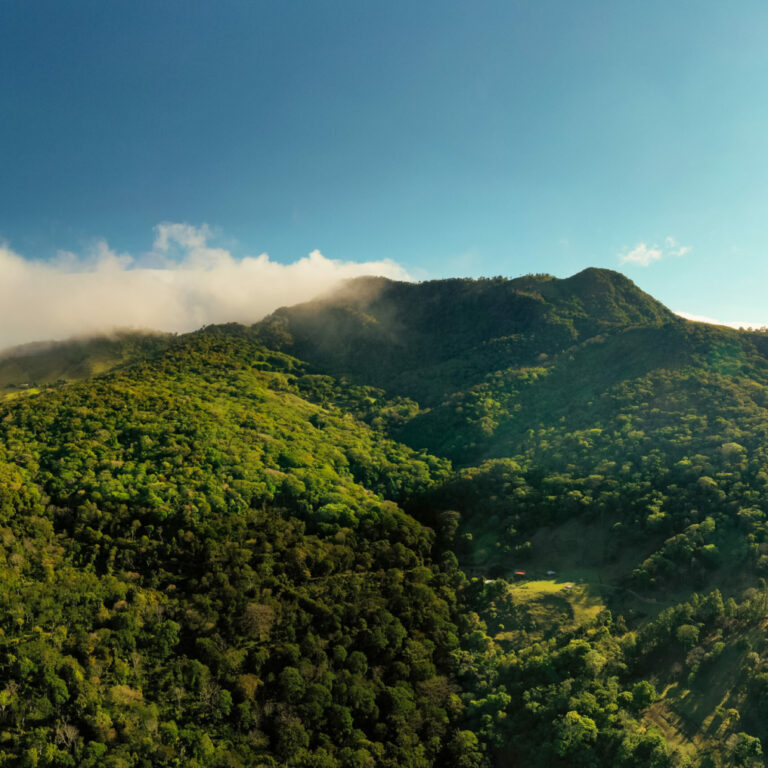
When discussing the Boquete region, one cannot overlook the Bajo Mono farm. Established in 1980 by the renowned pediatrician Dr. Renán Esquivel on the western slopes of the volcano at elevations between 1400 and 1550 meters in the Chiriquí Highlands, the farm retains diverse plantings and benefits from the unique Bajareque climate phenomenon — where moisture from the Pacific and Atlantic converges, often resulting in fog and occasional rainbows in the mountains, creating an exceptionally distinctive microclimate. Currently managed by Stefan Arwed Muller, the farm produces high-quality coffee beans under the brand Cafe Don Benjie.
Hacienda La Esmeralda is one of the most representative top-tier farms in the Boquete region. Its history dates back to 1964, when American banker Rudolph A. Peterson retired and moved to Panama, purchasing this estate originally used for livestock. It wasn’t until 1987 that his son, Dr. Peterson, switched to cultivating Catuaí and Caturra varieties, established a washed processing facility in 1994, and in 1996 acquired the neighboring high-altitude and uniquely flavored Jaramillo farm, thus beginning the legendary chapter of the Geisha variety.
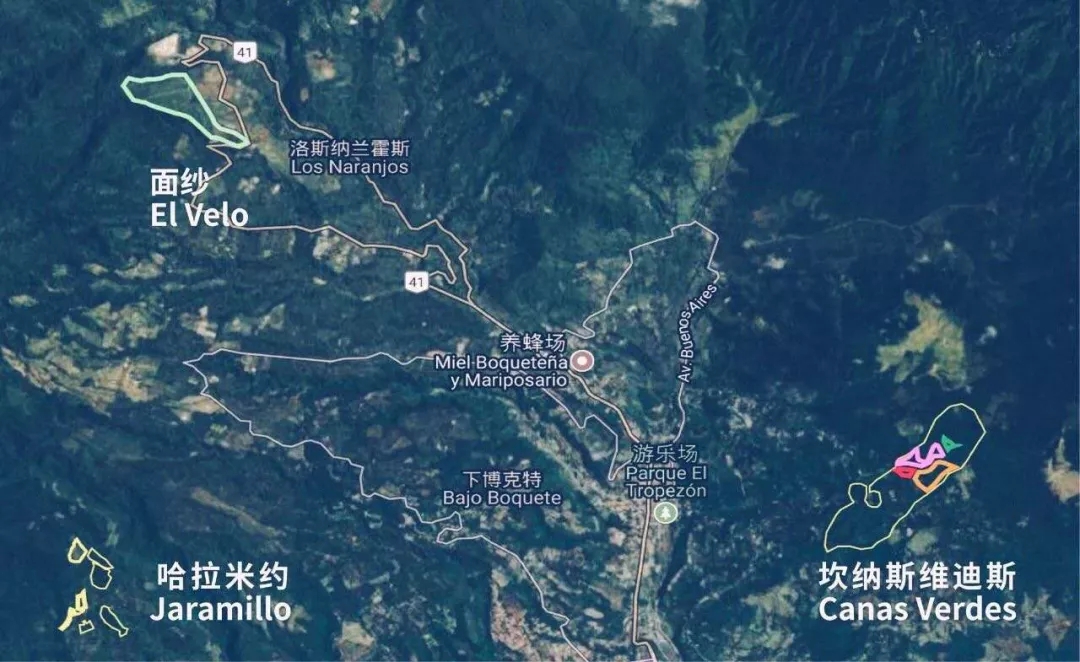
Hacienda La Esmeralda currently cultivates Geisha primarily in three lots: Jaramillo, Cañas Verdes, and El Velo. Among them, Jaramillo achieved victory in the BOP (Best of Panama) international competition with the Geisha variety as early as 2004, only later identified as originating from Ethiopia’s native strain. Meanwhile, the El Velo lot is a newer addition for Geisha cultivation, established in 2012, at even higher altitudes and with remarkable potential. Based on the altitude and cupping results of each zone, Hacienda La Esmeralda further subdivides into Red Label and Green Label grades to ensure consumers can select the Geisha quality that best suits their needs.
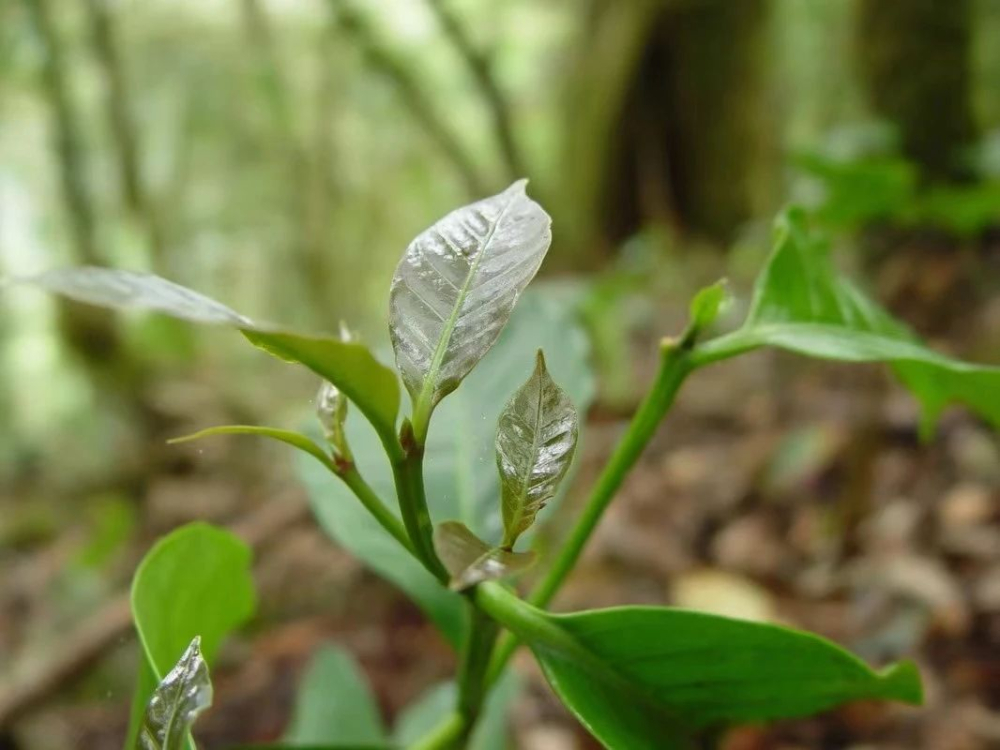
The subdivision of Hacienda La Esmeralda’s Geisha-growing lots is extremely meticulous. The Jaramillo lot sits at elevations between 1600 and 1700 meters, with annual rainfall of about 4000 mm and significant diurnal temperature variations. It is divided into five sub-lots: Mario, Noria, Reina, Bosque, and Buenos Aires. Cañas Verdes ranges from 1600 to 1800 meters in altitude, with slightly lower annual rainfall of about 3500 mm, comprising nine sub-lots including Lino, Coronado, and Fundador. The newly acquired El Velo lot, reaching elevations of 1700 to 1900 meters, cultivates Geisha along with experimental varieties such as Laurina and Pacamara, and is divided into seven sub-lots including Guabo, Portón, and Durazno.
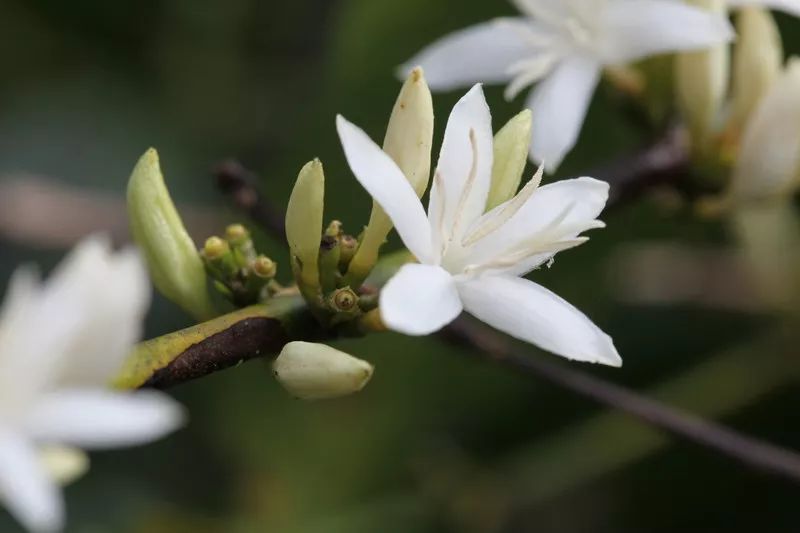
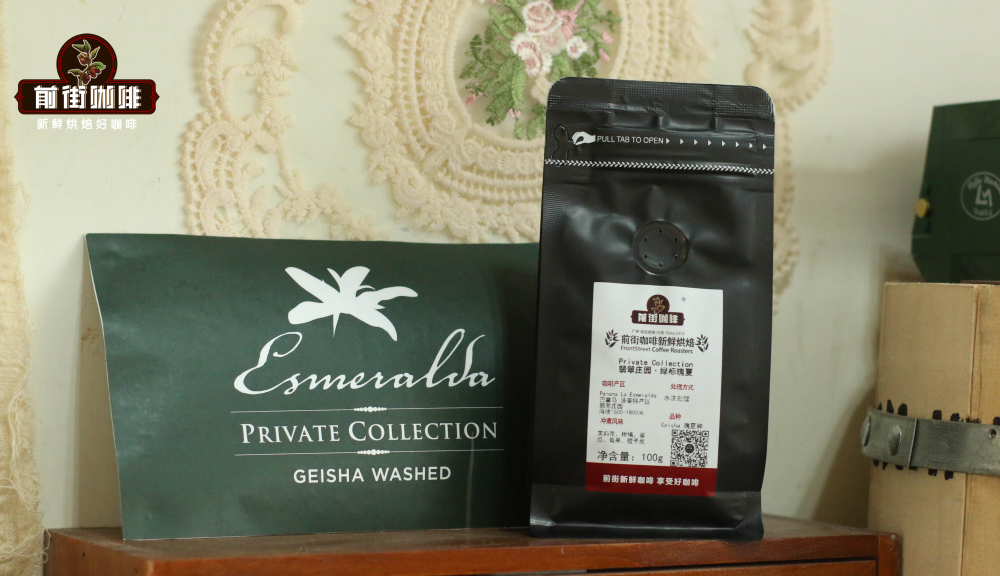
Red Label Geisha is the flagship representation of Hacienda La Esmeralda, cultivated at altitudes between 1600 and 1800 meters, often scoring over 90 points in cupping, and exclusively sourced from the Jaramillo and Cañas Verdes lots, available only through global auctions. While there is often a comparison between so-called "auction Red Label" and general "Red Label," both actually come from the same premium lots, with the difference lying solely in whether they went through the auction process. Red Label is mostly processed via washed or natural methods, showcasing ultimate floral, citrus, and tropical fruit notes. Regular Red Label Geisha also offers high quality and unique flavors, making it an excellent choice for enthusiasts eager to explore.
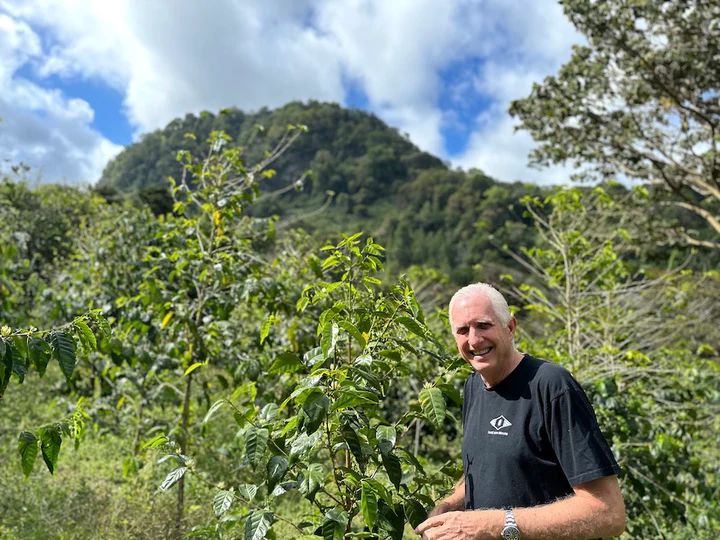
Green Label Geisha, while not participating in auctions, still maintains outstanding quality. This grade is typically a blend of batches from various lots such as Jaramillo and Cañas Verdes. Though its flavor profile is similar to Red Label, it presents a more approachable expression. Green Label also offers both washed and natural processing, highlighting Geisha’s classic floral, fruity acidity, and rich mouthfeel — making it the go-to entry-level option for experiencing Panama Geisha flavors.
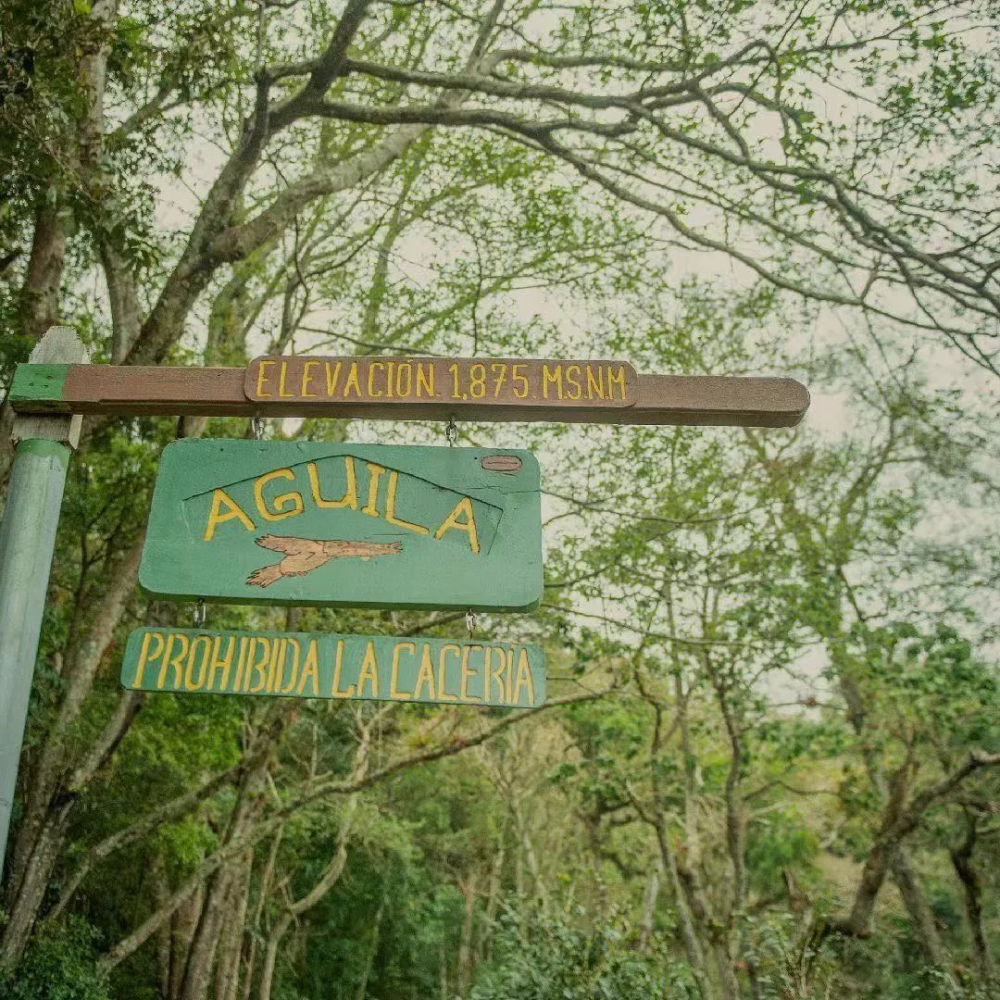
For both Red Label and Green Label Geishas, using a Hario V60 dripper for pour over is recommended. Suggested parameters are as follows: water temperature at 91°C, coffee dose at 15 grams, brew ratio of 1:15, and grind size at medium-fine (approximately 80% passing through a U.S. standard #20 sieve). Grind fineness can be verified via sieving; if no tools are available, observe the pouring speed — water flowing too fast indicates a coarse grind, while too slow may mean it's too fine.
It is recommended to use a staged extraction method: begin with a 30-second bloom using 30 grams of water, then pour in a small circular motion until reaching 125 grams for the first pour. When the water level nears the coffee bed, continue pouring to 225 grams, then remove the dripper to finish extraction, with total brew time around 2 minutes. These parameters help fully express Geisha’s delicate aromatics and complex layers.

Red Label Geisha often presents bright rose floral notes, citrus, berries, and apricot fruitiness, paired with honey-like sweetness and a rich juiciness, with a long and sweet aftertaste. Green Label leads with jasmine floral notes, blended with citrus, berries, and cantaloupe fruit tones, coupled with a creamy smooth texture and elegant citrus linger, making it ideal for those who prefer mellow, sweet-and-sour profiles.
The above content is compiled by CoffeeHunters, a coffee news website.


