







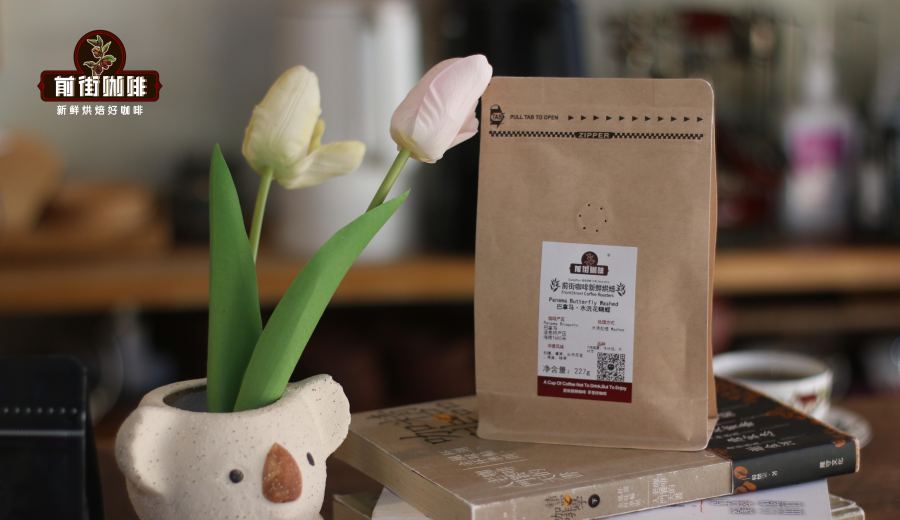
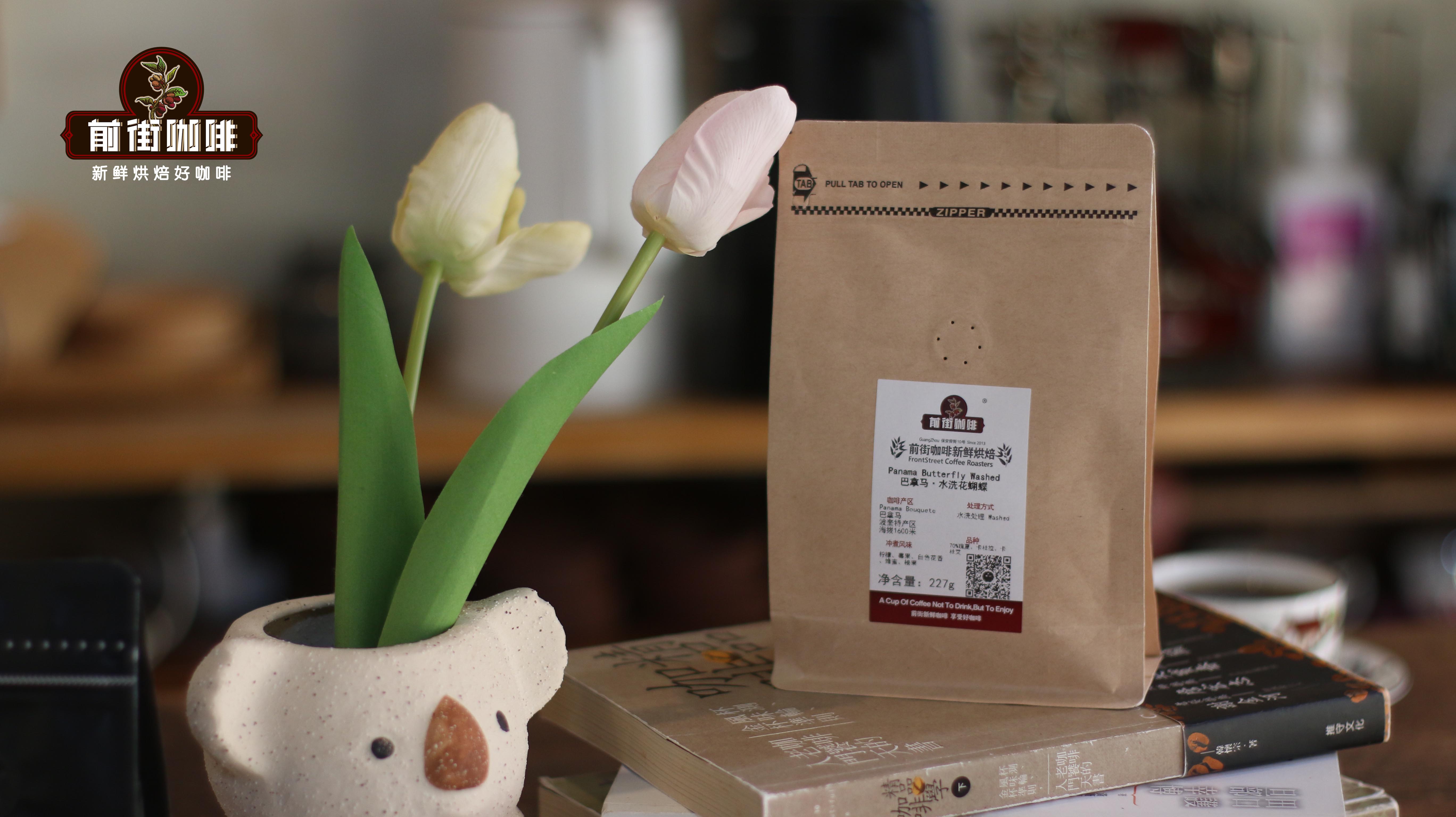
Introduction:Panama Geisha Butterfly, a blend composed of 70% Geisha and other varieties, is often regarded as an "affordable Geisha alternative." However, its identity actually lies somewhere between a single-origin and a blend. This article delves into its varietal composition, regional characteristics, and processing differences, and through cupping sessions of both the washed and natural versions, explores how these two methods influence flavor profiles. It also provides practical pour over parameters to help you better harness the potential of this popular bean.
In the specialty coffee community, Panama Geisha Butterfly is arguably one of the most eye-catching beans. It is a blend of three varieties: Geisha, Caturra, and Catuai, with Geisha making up about 70% of the mix. For this reason, this coffee from Panama’s Boquete region is often labeled as a “Geisha blend.” But is it really a single-origin bean or a blend? And why can it deliver flavors reminiscent of Geisha at such an accessible price point? This article will guide you step-by-step from varietal, region, to processing method to clarify these questions.
First, the so-called “Geisha blend” refers, as the name suggests, to a blend that includes the Geisha variety. In fact, besides Geisha Butterfly, there are other similar “Geisha blends” on the market, such as Milagro Strawberry Candy from Costa Rica or Chaka from Ethiopia’s Gesha Village. These products also feature Geisha as the dominant variety, combined with others. However, even if they contain multiple bean types, as long as they come from the same origin and are processed similarly, they are often still considered a special form of single-origin coffee.
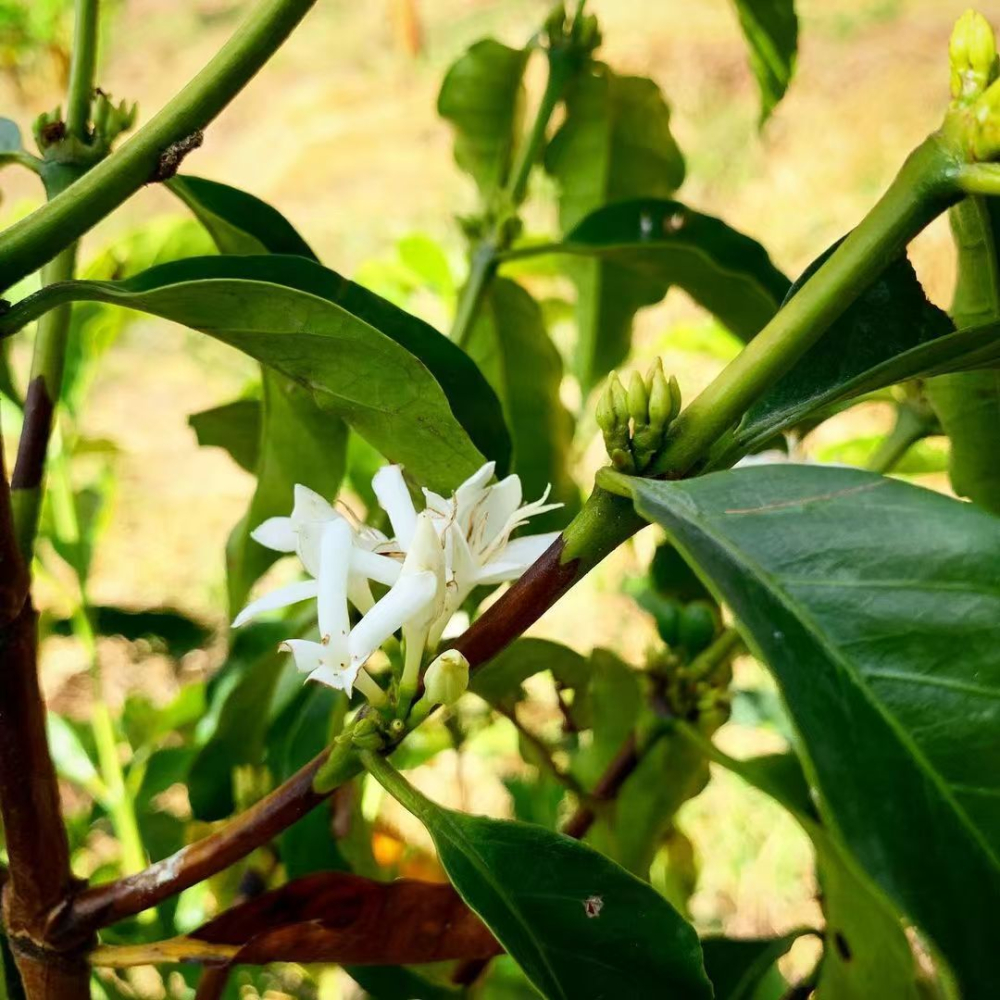
The origin of Geisha Butterfly is Boquete, Panama — a globally renowned high-altitude specialty coffee region, especially famous for producing premium Geisha. This particular bean consists of 70% Geisha and 30% Caturra and Catuai. This combination not only balances costs but also preserves the signature floral and fruity notes of Geisha. It's worth noting that all three varieties are grown, harvested, and processed using the washed method in the same area, which gives the coffee a consistently fresh base. This is one of the key reasons why, despite being a blend, it is still considered akin to a single-origin offering.
Interestingly, the creation of Geisha Butterfly was somewhat intentional. In the past, some farmers mixed Geisha with other varieties to improve yields and make better use of their land. However, during harvest, sorting each variety individually was time-consuming and costly, so many farmers opted to harvest different varieties together — a practice known as “intentional mixed harvesting.” This is especially common in regions like Ethiopia where native varieties are diverse. Geisha Butterfly, however, is slightly different: it involves blending with full knowledge of the varietal composition, and consistent processing helps maintain harmonious flavors.
In other words, despite the word “blend” in its name, Geisha Butterfly actually possesses many characteristics of a single-origin coffee: it comes from a single region, is processed uniformly, and has a distinct regional flavor profile. More importantly, its price is far lower than pure Panamanian Geisha, making it a popular choice for those looking to explore the flavor of Geisha — often referred to as the “Geisha alternative.”
Next, let’s focus on how processing methods influence flavor. Recently, I had the opportunity to taste both the washed and natural versions of Geisha Butterfly, and the differences in processing resulted in noticeably distinct taste experiences.
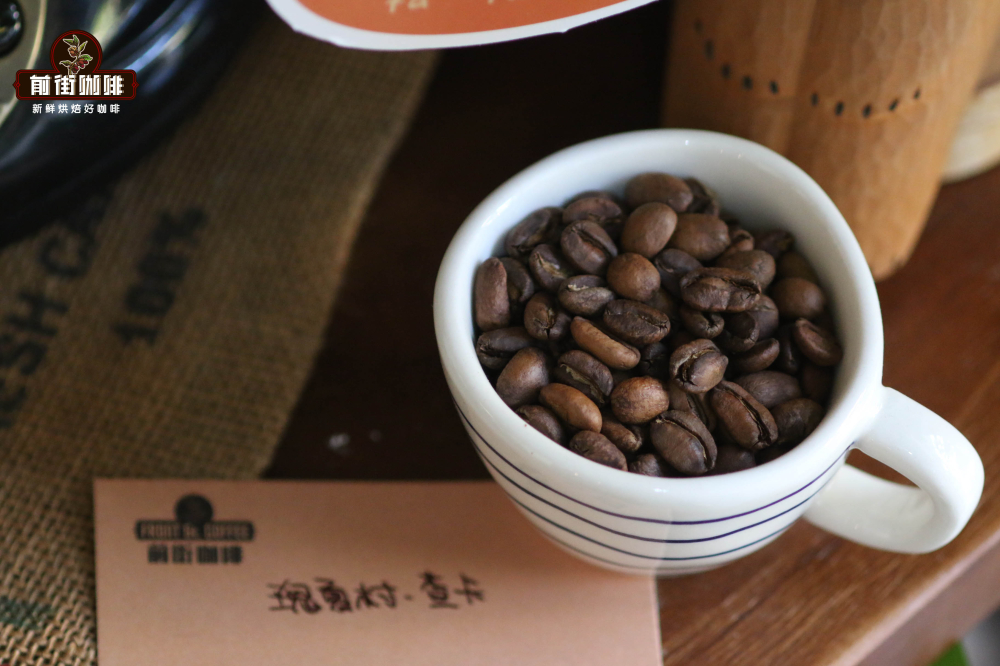
The washed process (Washed Process) is a method that uses water to remove the fruit pulp and mucilage. It typically includes steps such as flotation, pulping, fermentation to remove mucilage, washing, and drying. This technique significantly reduces the percentage of defective beans and delivers a cleaner, brighter acidity along with a clean mouthfeel. In our actual pour over test using 15 grams of coffee, a 1:15 coffee-to-water ratio, 92°C water temperature, and a V60 filter, the washed Geisha Butterfly exhibited soft citrus acidity, an black tea-like undertone, and delicate white floral notes. The overall profile was refreshing and well-layered, with an extraction time of approximately 2 minutes and 10 seconds.
In contrast, the natural process (Natural Process) involves drying the entire coffee cherry in the sun before removing the outer husk to extract the beans. This traditional method demands strict climatic conditions but imparts more intense fruitiness and sweetness to the coffee, often featuring tropical fruit and wine-like characteristics. Using the same brewing parameters, the natural Geisha Butterfly leaned more toward a wine-like profile with rich tropical fruit notes — such as pronounced aromas of citrus and pineapple — along with soft white floral hints. However, its overall clarity was slightly less pronounced compared to the washed version, with an extraction time of around 2 minutes.
From this practical test, it’s clear that the processing method plays a critical role in shaping the flavor of coffee. The washed process, by removing most of the pulp and mucilage and involving lower levels of fermentation, results in clearer, more transparent acidity and citrusy notes — ideal for those who prefer a crisp style. On the other hand, the natural process allows the fruit pulp and mucilage to ferment alongside the beans, releasing more sweetness and fruity complexity for a richer, fuller-bodied experience, making it well-suited for coffee lovers who enjoy sweet, fruity profiles.
In summary, although Panama Geisha Butterfly is called a “Geisha blend,” its single-origin-like traits — including a single region, unified processing, and distinctive regional character — bring it closer to the definition of a single-origin coffee. Whether you choose the washed or natural version, you’ll be able to experience the core flavor characteristics of the Geisha variety, albeit with the former offering a brighter, fresher profile and the latter a sweeter, more intense one. If you’re looking for a coffee bean that you can enjoy daily while still experiencing the charm of Geisha, Geisha Butterfly is undoubtedly a worthwhile option to try.
The above content is compiled by CoffeeHunters, a coffee news website.


