







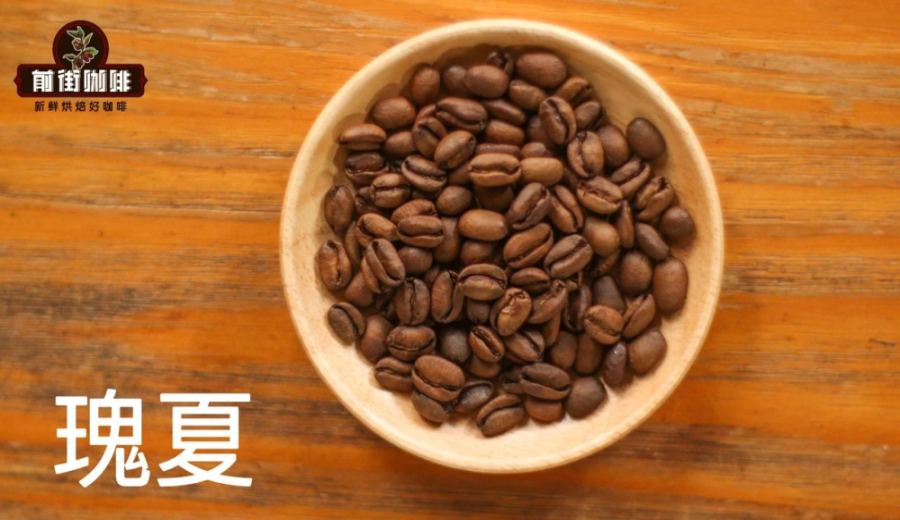
Introduction:Geisha coffee has gained immense popularity in recent years, but did you know that Geisha from Panama and Ethiopia actually differ greatly in flavor and grading? This article delves into the differences between Panama’s Emerald Red Label, Green Label, and Ethiopia’s Gesha Village Gold Label, Red Label, Green Label, and Chaka, helping you make choices based on taste and budget. It also provides step-by-step instructions and key parameters for preparing these coffees using drip bags, so you can easily enjoy high-quality Geisha flavors at home.
The Geisha (Geisha) coffee variety is arguably one of the most legendary in the specialty coffee world. When people think of Geisha, Panama often comes to mind first. However, the origin of Geisha is actually Ethiopia, where several outstanding producing regions and estates have also emerged, such as the well-known Gesha Village Estate. This article will help clarify the grading logic of Panama’s Emerald Red Label and Green Label, compare the differences among Ethiopia’s Gesha Village Gold Label, Red Label, Green Label, and Chaka, and offer a practical drip bag brewing guide to deepen your understanding of the diversity and richness within the world of Geisha.
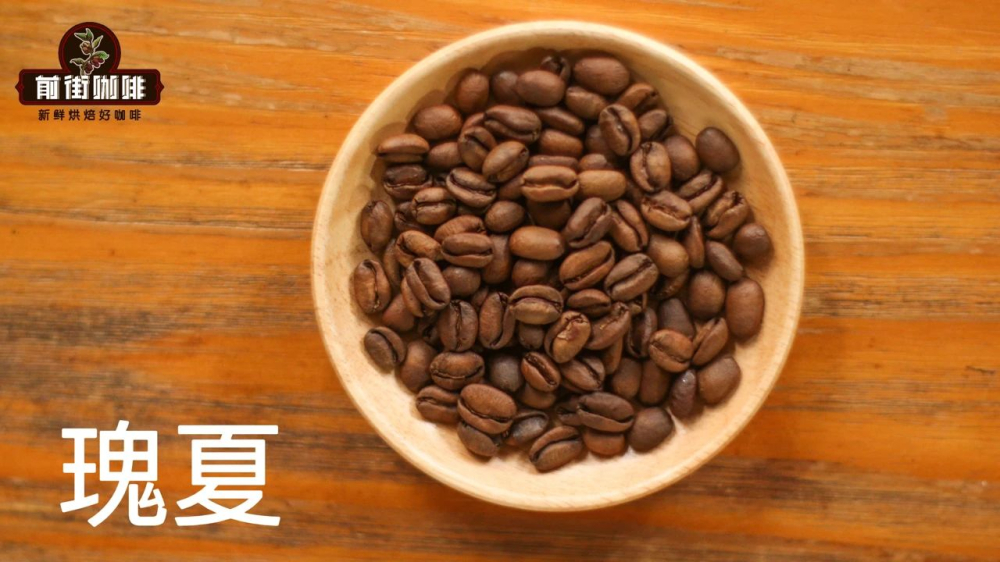
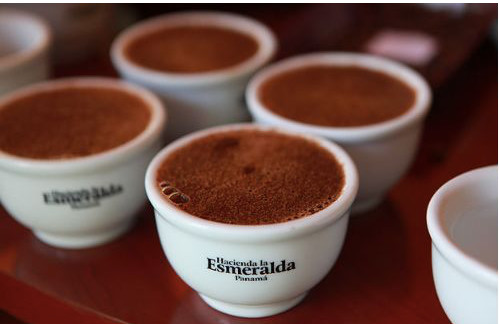
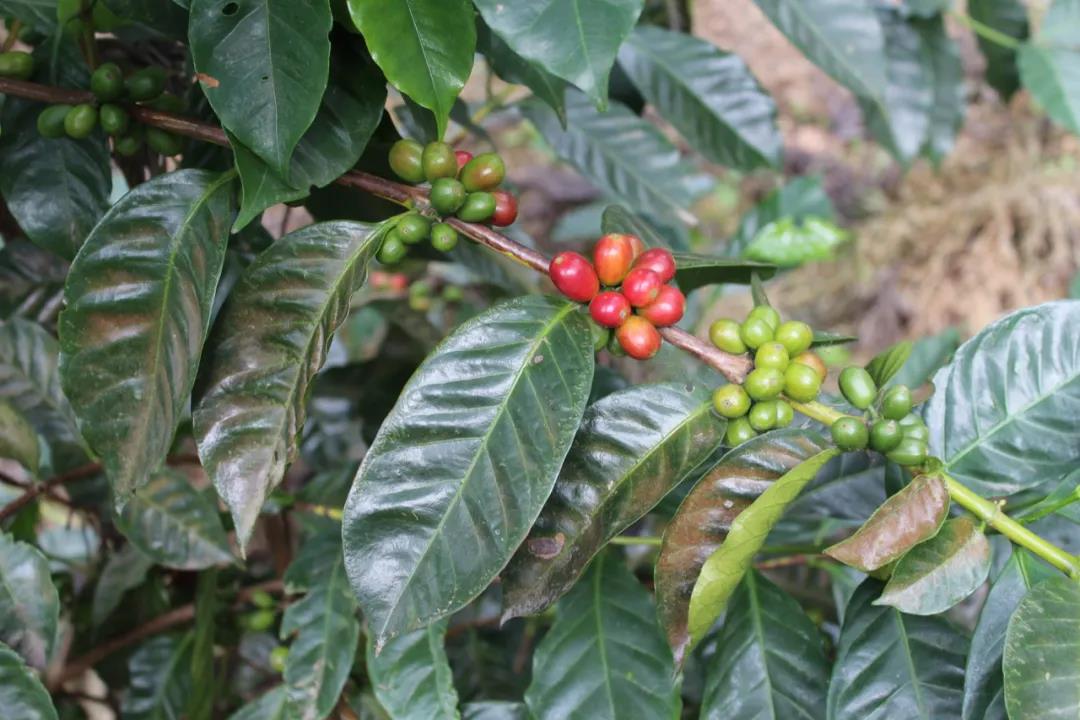
The Geisha variety first rose to fame after winning the Best of Panama (BOP) competition, instantly becoming the holy grail for many coffee enthusiasts. However, Geisha originally comes from the coffee forests of Ethiopia and was later introduced to Panama. Due to its demanding requirements for growing conditions—including altitude, microclimate, and meticulous harvesting and processing—it has inherently low yields, and estates capable of producing high-quality Geisha are even rarer. This is precisely why Panama’s Emerald Estate has stood out and developed its Red Label and Green Label grading systems.
Based on planting plots and flavor profiles, Emerald Estate categorizes its Geisha coffee into different grades. The Red Label typically comes from the highest quality, representative single plots, showcasing the most classic Geisha flavor profile and is considered a dream coffee for many connoisseurs. The Green Label is a blend from multiple plots. Though not from a top-tier single plot, it still possesses distinct Geisha characteristics and serves as a great entry point for experiencing high-quality Geisha. The previously offered Blue Label has since been discontinued. Understanding these gradings helps consumers make informed choices based on their budget and taste preferences.
Beyond Panama, Ethiopia—the birthplace of Geisha—has also cultivated highly promising Geisha-producing regions, with Gesha Village Estate being a prime example. The story behind the founding of this estate is quite legendary: in 2007, a couple of photographers, while filming a documentary for the Ethiopian government, rediscovered the Gera Coffee Forest in the Bench-Maji zone, which inspired them to create their own coffee brand. In 2011, with the help of coffee expert Willem Boot, they discovered the native Geisha variety in the remote Gori Gesha Forest and established Gesha Village Estate based on this discovery.
In just over a decade, the estate has planted multiple Geisha varieties, including Gesha1931, Gori Gesha, and the Illubabor variety provided by the Ethiopian Coffee Research Center. Each variety has its unique traits and is graded according to flavor performance. The estate’s offerings—including Gold Label, Red Label, Green Label, and Chaka—are all carefully selected premium coffees. The Gold Label usually comes from the best plots, delivering the most outstanding flavor profiles. The Red and Green Labels represent mid-to-high and entry-level grades, respectively, while Chaka represents specific processing or regional batches, offering great value and appealing to coffee lovers eager to explore diverse facets of Geisha flavors.

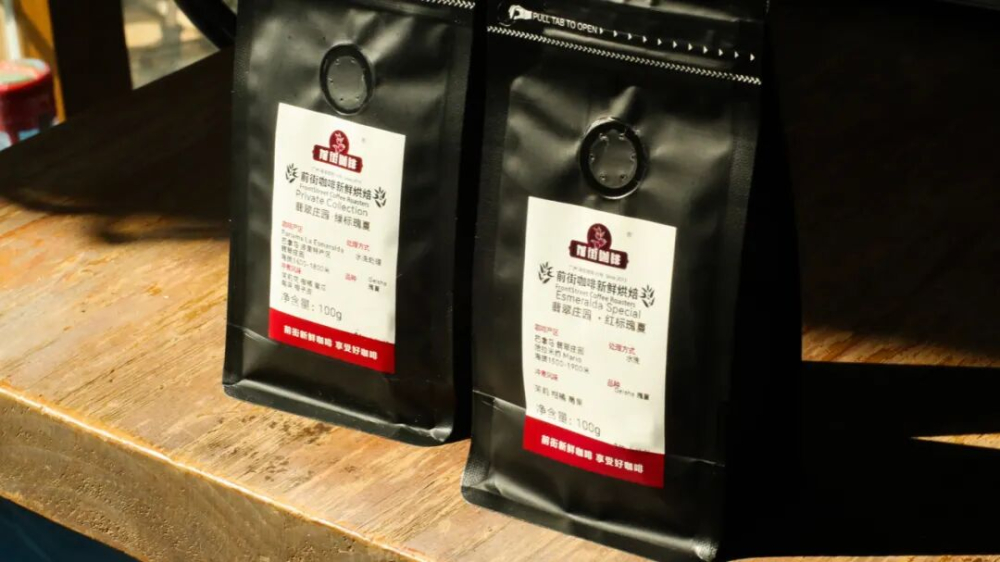
If you’re new to Geisha or wish to experience its fresh and elegant flavor profile, consider trying a certain roaster’s Boquete Geisha. This coffee is processed using the washed method, enhancing its clarity and fruity characteristics. After a medium-light roast, it showcases bright citrus and lemon acidity, along with white floral notes and a hint of green tea finish. Its layered flavors are reminiscent of a high-quality Tieguanyin oolong. This bean performs excellently whether brewed via pour over or using drip bags, fully expressing its delicate nuances. It’s perfect for everyday enjoyment or as an introductory experience to Geisha.
Brewing drip bag coffee isn’t as difficult as it may seem, but small details can greatly affect the final flavor. It’s recommended to use water that has just been boiled and then allowed to sit for 1–2 minutes, with the temperature around 90°C. This helps fully extract the aromatic compounds from the coffee grounds without causing bitterness due to overly high temperatures. Prepare a clean cup or sharing pitcher, open the outer pouch of the drip bag, tear along the dotted line to open the non-woven fabric bag, and hang the two “ears” over the rim of the cup, ensuring the filter paper is secure and leak-proof.
The first step is to pour a small amount of hot water to evenly bloom all the coffee grounds. Let it bloom for about 10–20 seconds to help awaken the coffee aroma. Then, continue pouring with a steady and fine stream, keeping the liquid level rising slowly without overflowing. Pause when the liquid nears the rim and allow the coffee to drip for a while. Finally, pour the remaining water until full. Once the coffee has completely dripped through, gently stir and enjoy a cup of well-rounded Geisha drip bag coffee.
It’s important to note that the recommended coffee-to-water ratio is between 1:15 and 1:16—that is, 10 grams of coffee grounds to 150–160 milliliters of water. This range balances richness and clarity. Additionally, consistent water flow and pouring height impact extraction uniformity. It’s advised to pour in a spiral motion from the center outward, avoiding direct impact on the edge of the filter paper to prevent channeling. Mastering these basic techniques allows you to brew Geisha-quality coffee at home, almost on par with that from a café.
The above content is compiled by CoffeeHunters, a coffee news website.


