







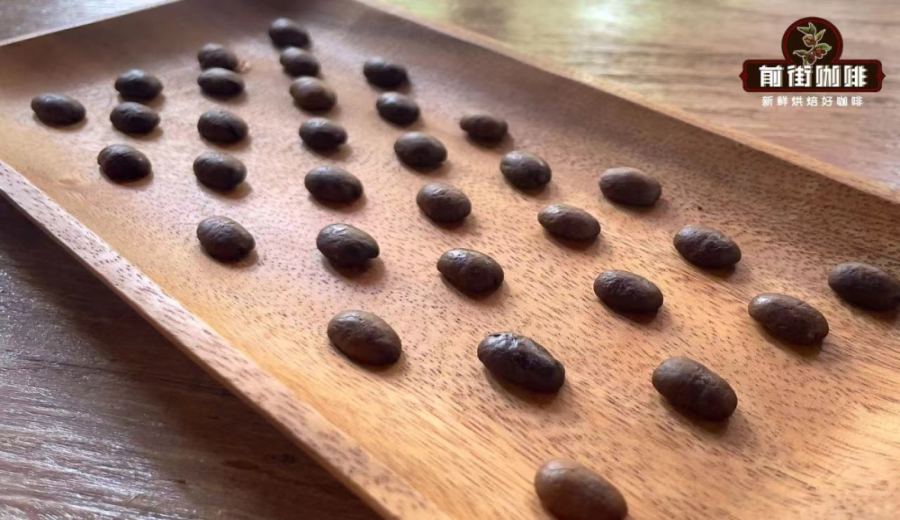
Introduction:Indonesian Mandheling is renowned for its rich, full-bodied profile with low acidity and herbal-bitter undertones, making it a top choice for coffee enthusiasts who prefer dark roast flavors. This article delves into the differences between regular Mandheling and PWN Golden Mandheling in terms of origin, processing method, grade, and price. It also provides detailed pour over brewing recommendations and actual flavor profiles for Golden Mandheling, along with guidance on how to identify authentic beans and practical tips for home brewing of dark roast beans—helping you better appreciate the charm of Mandheling.
Mandheling coffee has long been celebrated for its low acidity, full body, and distinctive herbal and spicy notes, making it a classic among those who prefer intense flavors and dislike prominent acidity. These coffees are primarily produced on Indonesia’s Sumatra Island, especially using the region’s unique "wet hulling" process, which imparts a bold and layered character to the beans.
Among the many Mandheling offerings, PWN Golden Mandheling stands out as the market’s recognized premium representation due to its stringent selection criteria and high quality. However, many consumers are often confused about the differences between "regular Mandheling" and "Golden Mandheling," particularly in terms of grade, processing methods, and final flavor profiles, which can vary significantly.
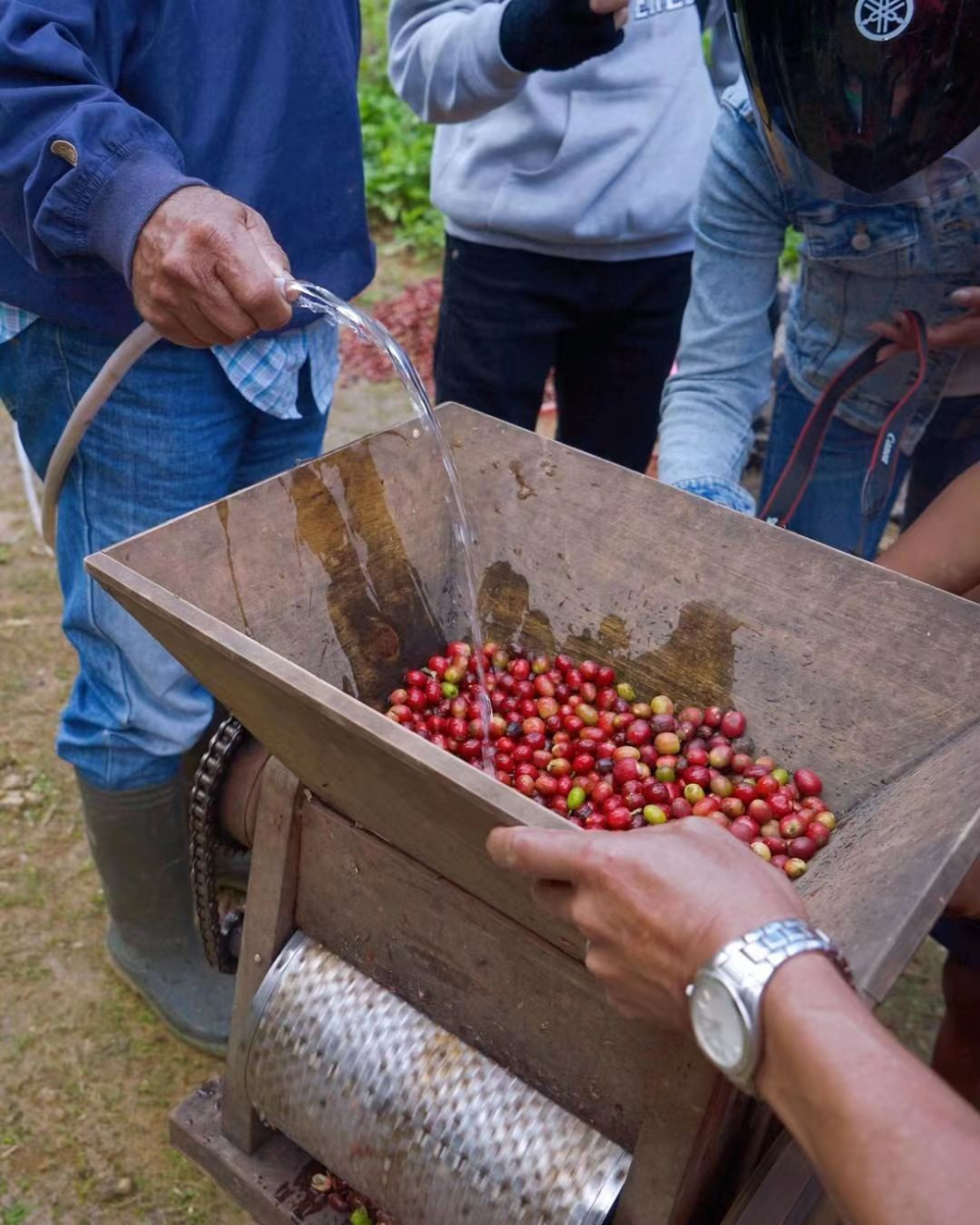
Indonesia’s climate conditions differ greatly from many other coffee-growing regions. With year-round high temperatures and humidity—often reaching 70% to 90% and annual rainfall exceeding 2000 mm—traditional sun-drying or washed processing methods become difficult to implement. To adapt to these environmental constraints, Indonesia developed the unique "wet hulling" method. This approach first removes the coffee cherry’s skin and pulp, allowing the parchment-covered beans to ferment briefly for several hours, then washes off the mucilage, followed by initial drying to a moisture content of about 30% to 40%. At this stage, the parchment beans are not yet fully dry and are sent to market for sale.
The buyers then process these semi-dried parchment beans by hulling them. Due to the high friction applied by the hulling machines, the parchment layer on the green beans is often forcefully stripped, causing some beans to be compressed, abraded, or even form what is known as "elephant ear beans." During this process, the green beans, affected by moisture and friction, often appear grayish-green and are susceptible to microbial influence, contributing to the woody, spicy, and herbal "regional characteristics" commonly found in Indonesian coffees.
When discussing the fame of Mandheling, one cannot overlook the role of Indonesia’s Pwani Coffee Company (abbreviated as PWN). This company introduced Mandheling to the Japanese market to great acclaim, becoming a key driver of premium Mandheling. Notably, the name "Golden Mandheling" has been registered as a trademark by PWN, meaning only beans produced by this company can be considered authentic Golden Mandheling.
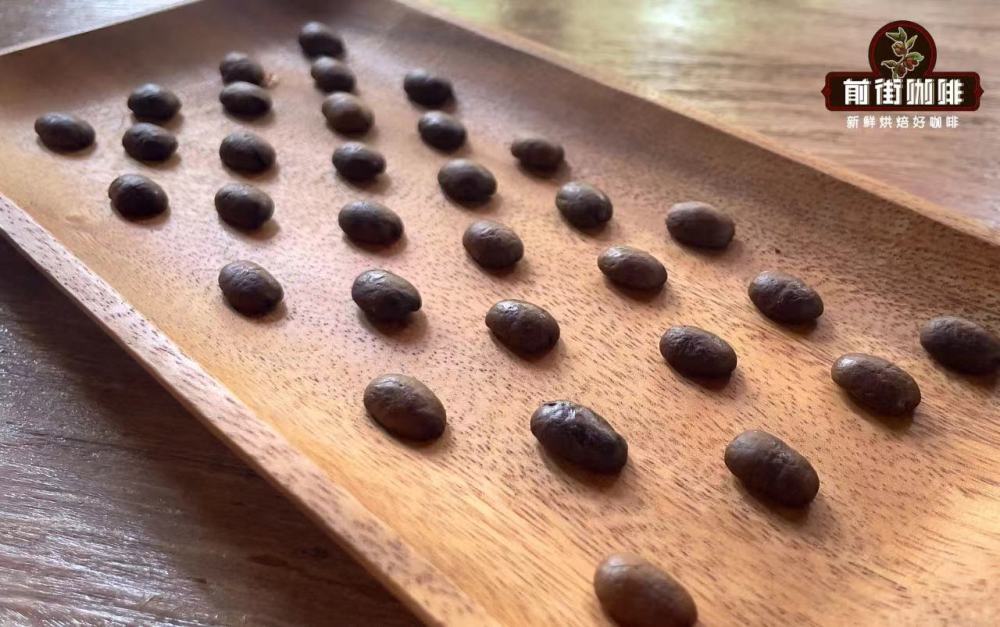
The green beans of PWN Golden Mandheling come from Indonesia’s highest-quality growing regions and are further hand-selected three times on top of the G1 grade, significantly reducing defect rates and ensuring consistent bean appearance with minimal flaws. This rigorous selection process allows PWN Golden Mandheling to stand out in flavor—free from the earthy or off-notes often found in regular Mandheling, and instead offering a cleaner, sweeter profile with more pronounced and layered aromas.
In the market, some sellers offer coffee labeled as "Golden Mandheling" without specifying the source, or even simply select beans larger than 18 mesh from the G1 grade and then perform manual sorting, attempting to resemble the appearance of genuine products. However, these beans often fall short in flavor purity and overall balance compared to authentic PWN Golden Mandheling. In fact, many baristas can accurately identify PWN’s Golden Mandheling in blind tastings, mainly due to its unparalleled clean taste and well-defined aroma layers.
For consumers, how can you confirm that you’ve purchased genuine PWN Golden Mandheling? The most direct way to identify it is by checking the packaging: authentic products are usually packed in gunny sacks bearing the PWN logo and come with official documents certifying the origin. These two pieces of information are key indicators of authenticity.
If you’ve purchased PWN Golden Mandheling, it is recommended to use the following pour over parameters to fully bring out its flavor potential: choose a KONO filter, control the water temperature at around 88°C, use a coffee dose of 15 grams, set the coffee-to-water ratio at 1:15, and aim for a grind size that allows about 70% of the beans to pass through a Chinese standard No. 20 sieve (equivalent to a medium-coarse grind commonly used for medium-dark roasts).
Since this bean is dark roasted, its flavor compounds are released more quickly. Therefore, it is recommended to use a coarser grind and slightly lower water temperature to help balance extraction and avoid over-extraction, which can lead to bitterness. The KONO filter excels in immersion-style brewing, delivering stable extraction and a rich mouthfeel—making it particularly suitable for medium-dark roasts such as Golden Mandheling or Blue Mountain No.1.
For specific brewing steps, it is advised to start with a 30-second bloom using 30 grams of hot water to release carbon dioxide, aiding subsequent stable flavor release. Then, pour in a thin stream in small circles from the center outward until you reach 125 grams of water. When the water level drops to the surface of the coffee bed, continue pouring up to a total of 225 grams of water, keeping the total brew time around 2 minutes.
Freshly roasted coffee beans are recommended to rest for 4 to 7 days to allow the flavors to stabilize. During brewing, the first bloom should use sufficiently hot water to effectively release aromas and stabilize the subsequent extraction. Additionally, if you do not have a grinder at home, while you may opt for pre-ground coffee, be aware that ground coffee has a larger surface area exposed to air, causing flavors to dissipate quickly. It is best to grind fresh and brew immediately for optimal flavor.
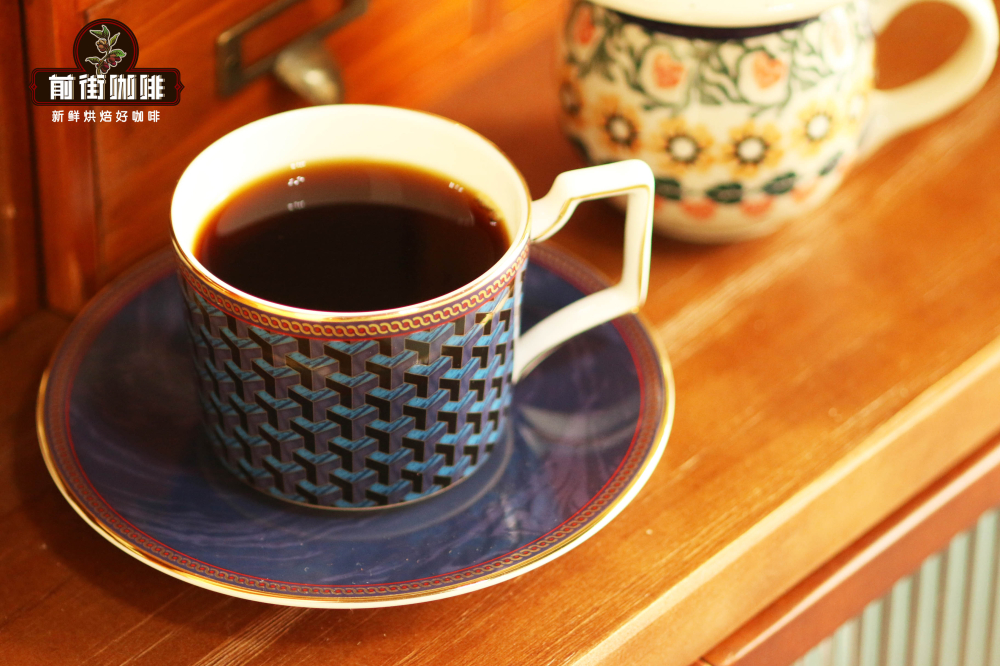
The brewed PWN Golden Mandheling offers a rich and layered flavor profile, often featuring sweet herbs, cinnamon-like spices, and citrus peel aromas. It has a full-bodied and intense mouthfeel, with a distinct caramel sweetness in the aftertaste. As the temperature cools slightly, you may even detect the delicate sweetness of melon—a truly refined dark roast coffee worthy of careful savoring.
The above content is compiled by CoffeeHunters, a coffee news website.


