







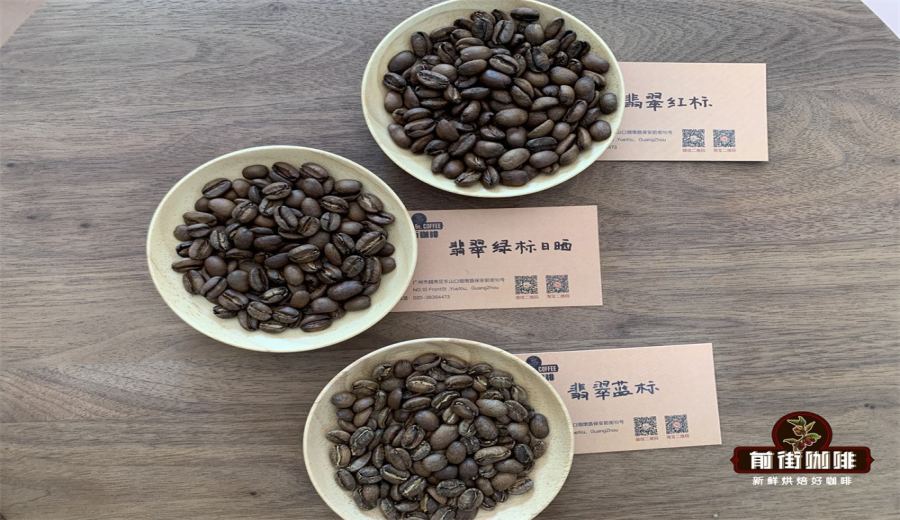
Introduction:This article delves into the Geisha coffee from the Acatenango region of Guatemala, exploring everything from the geographical conditions of the growing area, the historical background of the variety, to its delicate flavor characteristics—offering a comprehensive analysis of its layered profile that combines floral notes with honey-like sweetness. It also provides a detailed explanation of the washed processing method used in this region, as well as practical pour over parameters and techniques tailored for medium-light roasted beans. This is an essential guide for coffee enthusiasts seeking to understand the multifaceted nature of Geisha.
Geisha coffee, with its captivating citrus tones, honey-like sweetness, and nuanced mouthfeel, has long been ranked among the world’s top specialty coffees. Since its discovery in the forests of Ethiopia and its subsequent rise to fame at Panama’s Hacienda Esmeralda, it has become the dream bean for countless coffee lovers. As Geisha’s reputation spread, several other regions—including Colombia, Guatemala, and Costa Rica—began cultivating it. Although sharing the same Geisha variety, these regions showcase distinctly different flavor personalities due to their unique terroirs.
Among the many emerging producing areas, the Geisha from Guatemala’s Acatenango region stands out with its distinctive elegant floral notes and rich sweetness. Not only does this region benefit from an exceptionally favorable geography, but its high-altitude volcanic terrain and moderate climate also endow the coffee with delicate layers and a subtle smoky finish, making it well worth exploring for every coffee enthusiast.
Guatemala is located at the heart of Central America and features a subtropical climate. The country is home to numerous volcanoes, has a rugged terrain, and boasts fertile, mineral-rich soil—all of which provide ideal natural conditions for coffee cultivation. About 40% of the country’s agricultural exports consist of green coffee beans, highlighting the importance of the coffee industry to the local economy. In particular, coffee grown in high-altitude volcanic areas often carries a hint of unique smokiness in the aftertaste, one of the defining characteristics of Guatemalan coffee.
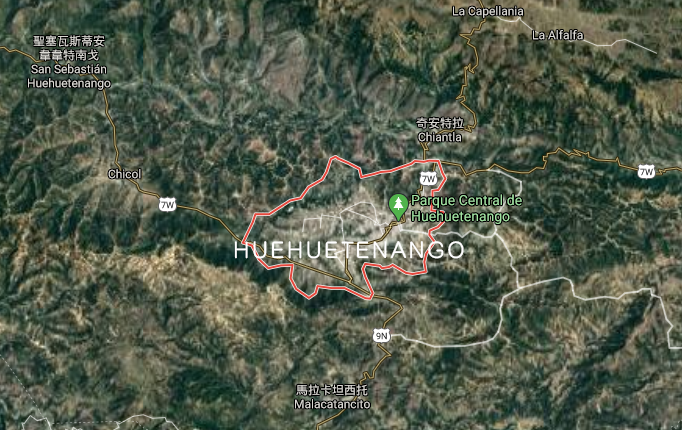
The country has eight major coffee-growing regions, each producing distinct coffee flavors due to differences in altitude, microclimate, and soil composition. Among them, the Huehuetenango and Antigua regions are especially renowned. The former is situated in high-altitude mountainous areas with dry climates and significant day-night temperature variations, often yielding coffee with bright acidity and intense fruitiness. The latter is surrounded by active volcanoes in a low-humidity environment, with fertile soil that typically imparts a rich, chocolatey, and spicy flavor profile to the coffee.
Turning to the focus of this article—the Acatenango region—it was officially established in 2007 as Guatemala’s eighth officially recognized coffee region. Located in the southwestern part of the country in Chimaltenango Department, it encompasses over 5,000 hectares of volcanic soil coffee farms, primarily distributed on the foothills of two volcanoes: Volcán de Fuego and Volcán Acatenango. Among them, Acatenango is the third-highest volcano in Central America, offering rich mineral nutrients and excellent drainage.
The region enjoys an average annual temperature ranging from 14 to 31°C and annual rainfall between 48 to 72 inches. The significant day-night temperature variation helps coffee cherries ripen slowly, allowing them to accumulate more complex flavor compounds and resulting in denser beans. Most coffee farms still employ traditional shaded planting methods, preserving native trees to maintain ecological balance. The main cultivated varieties include Bourbon, Catuai, and Caturra, while the Geisha variety has emerged as a rising star in recent years.
The Geisha coffee from the Acatenango region, sourced from the same lot as well-known green coffee supplier Sweet Maria’s, has consistently delivered outstanding flavor performance, leading to multiple purchases. This particular Geisha originates from an ancient Ethiopian variety, a natural mutation of Typica. It was introduced to Costa Rica through an experimental program in the early years and subsequently made its way to Guatemala, Panama, and Colombia. It wasn’t until 2004, when Hacienda Esmeralda in Panama featured it in a competition, that the remarkable potential of this variety became widely known, achieving remarkable success in international competitions.
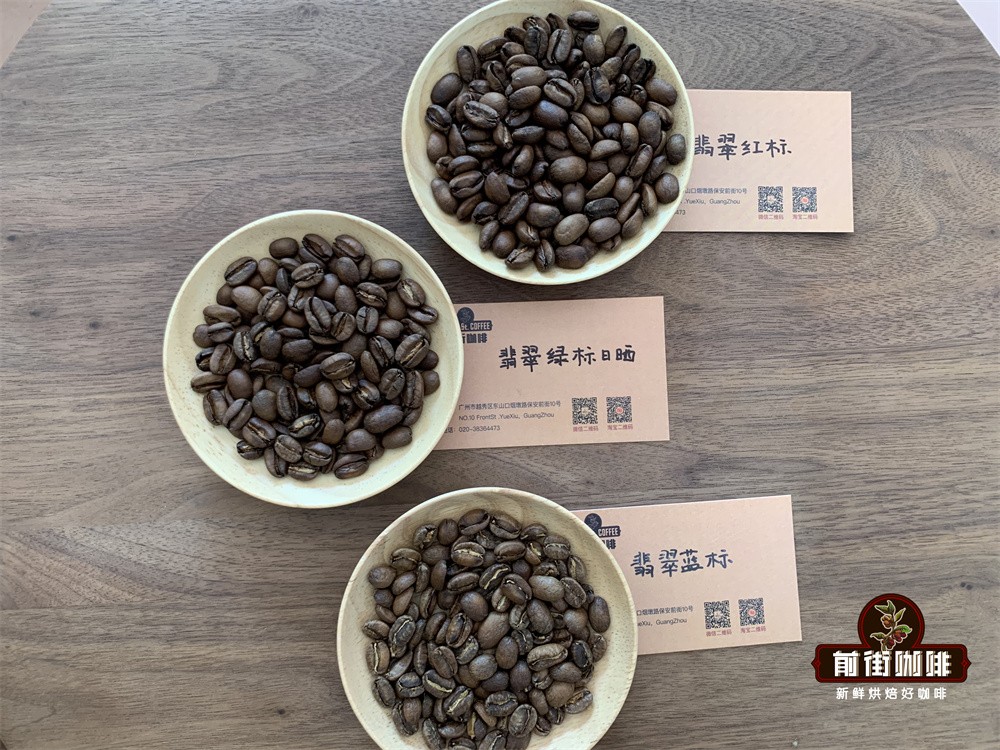
This Acatenango Geisha showcases the classic characteristics of the Geisha variety: fresh, layered floral aromas, intense tropical fruit notes, and exceptional sweetness. Its dry fragrance carries elegant white floral scents (such as jasmine), vanilla, and hints of tea leaves, along with sweet citrus and stone fruit notes. The wet aroma further releases strong floral notes reminiscent of orange blossom and honey-like sweetness. When brewed, especially at medium to low temperatures, it highlights a bright acidity led by lemon and lime, interwoven with aromas of cantaloupe, citrus, bergamot, and black tea. The aftertaste is layered and lingers delightfully.
In terms of processing, washed processing is commonly used for Guatemalan coffee, and the Acatenango region is no exception. The steps include: first screening the harvested coffee cherries, then using a pulper to remove the outer skin and some pulp; the mucilage-covered beans are then placed in water for about 24 hours of fermentation to break down the remaining pectin; after fermentation, the beans are thoroughly rinsed with clean water, and finally spread evenly on drying patios or dried using a machine to reduce the moisture content to around 12%, completing the process. This method highlights the region’s inherently clean flavors and is particularly beginner-friendly, allowing a clear experience of the essential characteristics of Guatemalan terroir.
Regarding roasting and pour over recommendations, medium-light roasting is generally used to preserve the delicate floral and fruity aromas and bright acidity of Geisha. For medium-light roasted beans like those from Acatenango, it is recommended to use a V60 filter, with a relatively high water temperature (around 91°C), a fine grind (close to the coarseness of fine sugar with 80% passing through a Chinese No. 20 sieve), and a 1:15 coffee-to-water ratio for a three-stage extraction.
For specific operation, you can refer to: first blooming with twice the amount of coffee grounds in water (e.g., 30 grams of water) for 30 seconds to help release carbon dioxide; then pouring water in small circles until reaching 125 grams for the first pour, followed by pouring up to 225 grams before stopping, and letting the drips finish before removing the filter. The total brew time is about 2 minutes. These parameters help fully express the bean’s layers and aromas while avoiding over-extraction that could lead to bitterness.
In summary, the Geisha coffee from Guatemala’s Acatenango region is a representative specialty coffee that combines the intricacies of high altitude, the characteristics of volcanic soil, and the strengths of the Geisha variety. Whether you are a beginner or a seasoned coffee enthusiast, you can discover your own flavor surprise within its diverse aromas and structure.
The above content is compiled by CoffeeHunters, a coffee news website.


