







Category: Coffee Knowledge
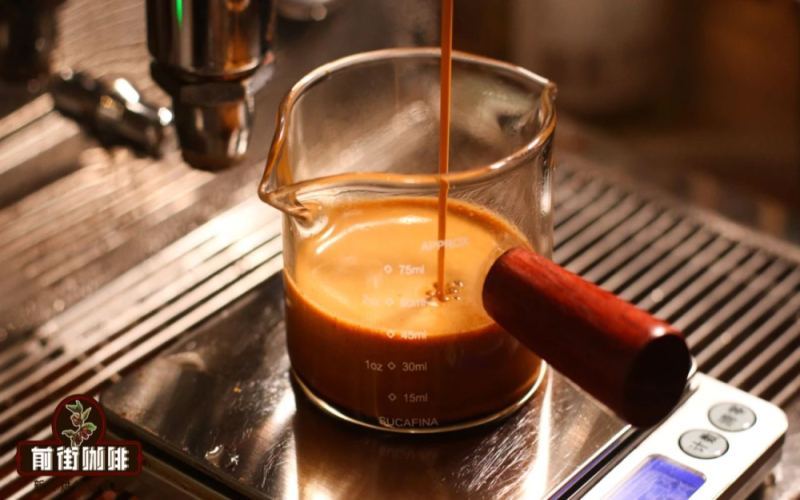
How to blend coffee beans? Analyzing the differences between espresso and single-origin blends and ideas for using Yunnan beans
Blending coffee beans involves combining beans from different regions and processing methods to create complexity and consistency that are difficult to achieve with single-origin beans alone—making it especially suitable for espresso. This article delves into the core purpose and practical principles of blending, analyzes the fundamental differences between espresso blends and single-origin blends, and shares the potential of Yunnan coffee in blends along with real-world recipes. It also introduces you to the evolution of the classic Mamba combination and the flavor profiles and usage suggestions of several practical blended beans. [more…]
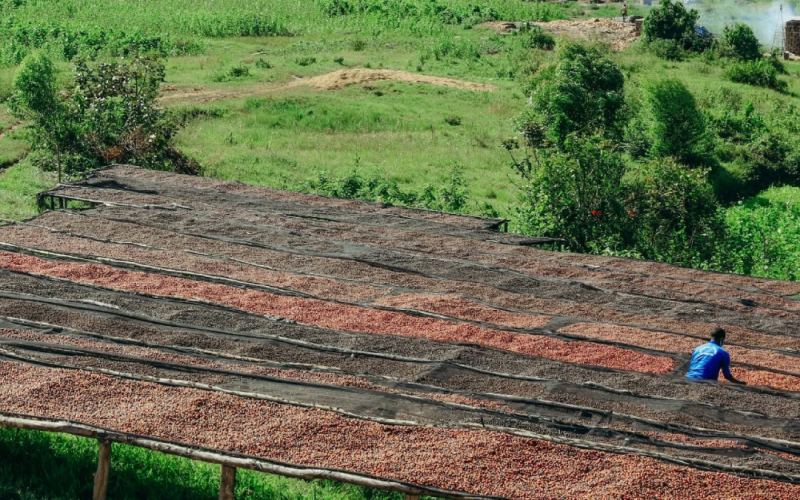
Rwanda Red Bourbon Washed Coffee: A Comprehensive Guide to the Region, Processing Method, and Brewing Parameters
As the “Land of a Thousand Hills” in Africa, Rwanda’s high-altitude volcanic soils and mild climate nurture Arabica coffee with unique flavors. This article delves into the development trajectory of its coffee industry, highlights the characteristics of the southern and western regions, details the key craftsmanship of the Red Bourbon variety combined with washed processing, and provides professional roasting profiles, cupping flavor notes, and step-by-step pour-over parameters — helping you fully grasp the essence of this high-quality washed coffee. [more…]
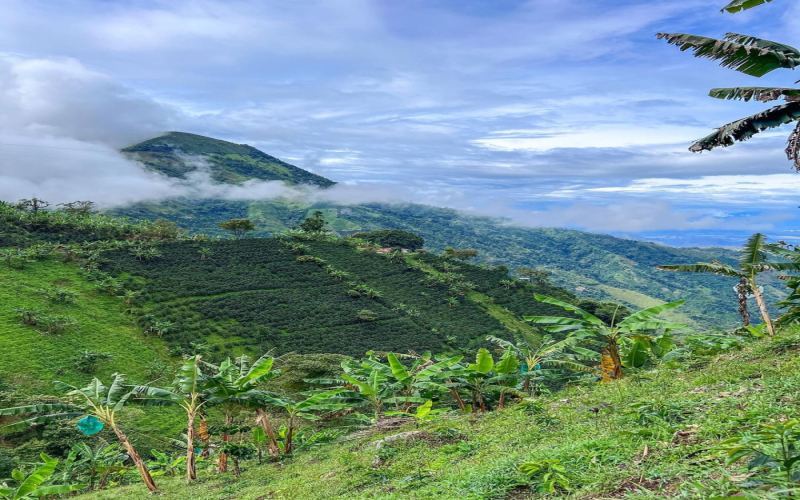
How to Choose Low-Caffeine Colombian Huila Beans? Complete Guide to Swiss Water Processing and Pour Over Parameters
Want low-caffeine coffee but worried about losing flavor? Colombian Huila’s Swiss Water processed decaf beans remove 99.9% of caffeine while preserving berry and cocoa aromas. This guide delves into the growing altitude and Typica variety characteristics of the region, explains the full-flavored water decaffeination process, and provides professional roast curves and KONO filter pour over parameters — teaching you how to brew a rich, guilt-free cup of black coffee. [more…]

High-Altitude Organic Coffee from Ecuador: A Complete Guide to Regions, Flavors, and Pour Over Parameters
Although located in South America, Ecuador is often overlooked as a potential specialty coffee origin. This equator-straddling country, with its high altitudes, volcanic soils, and unique microclimates, produces organic coffee with jammy sweetness, bright acidity, and notes of yellow fruits. This article delves into the terroir characteristics of major Ecuadorian regions such as Loja, the Galápagos Islands, and the Intag Valley, helping you understand the flavor profiles of Bourbon and Typica varieties processed via washed methods, and provides expert roast [more…]
Tanzania Kilimanjaro AA Pour Over Coffee Guide: A Complete Breakdown of Flavor & Brewing Parameters
Want to try African-flavored coffee but worried it might be too acidic? Tanzania Kilimanjaro AA is a high-quality washed coffee with a rich body, gentle acidity, and a long-lasting finish—perfect for both beginner and advanced pour over enthusiasts. This guide dives deep into its growing region, varietal genetics, processing method, and offers practical roasting suggestions and pour over parameters to help you easily bring out its layered flavors of berries, citrus, and honey. [more…]

Complete Guide to Making Medium-Roast Italian Blends: Techniques for Pre-Roast & Post-Roast Blending & Analysis of 4 Recommended Beans
To craft a balanced and rich espresso, selecting the right blend is key. This article delves into the definition and characteristics of Italian blends, compares the differences and suitable scenarios between pre-roast (green bean) blending and post-roast blending, and provides a detailed introduction to four recommended medium-roast blends—including their formulation ratios, roasting methods, and flavor profiles—to help baristas and enthusiasts master professional blending techniques and bean selection essentials. [more…]
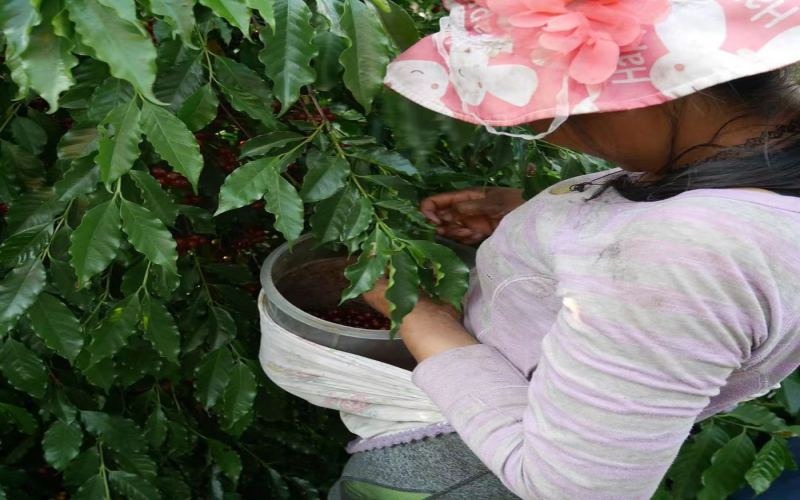
How to Brew Bolivian Yungas Coffee? Brewing Guide for Java Variety with Cocoa Natural Process
Want to understand what makes Bolivian coffee unique? This article delves into the geographical conditions of the Yungas region, the origins of the Java variety, and the innovative cocoa natural processing method. It also provides practical brewing parameters and flavor insights to help you better appreciate the charm of this niche specialty coffee. [more…]

How Did Filter-Drip Coffee Bags Come About? A Complete Guide from Japanese Patents to Home Pour-Over Convenience
Combining the flavor of pour over with the convenience of instant brewing, filter-drip coffee bags have become a daily choice for many coffee enthusiasts. But do you know about their invention history, design evolution, and why they quickly gained popularity in the East Asian market? This article will take you through the origins and market development of filter-drip coffee bags, and provide detailed brewing parameters and techniques so you can easily brew a cup of coffee that rivals the quality of pour over. [more…]

The Evolution and Brewing Techniques of Pour-Over Coffee Bags: From Tea Bag Inspiration to Recreating Pour-Over Flavors
Pour-over coffee bags combine convenience with high-quality extraction, allowing you to enjoy the pure flavors of pour-over coffee just like in a café, even when you're not there. This article traces the inspiration of pour-over coffee bags from Japanese tea bags, analyzes their commercial evolution, and delves into key production processes such as grind cleanliness, particle size control, and nitrogen preservation technology. It also provides clear, easy-to-follow brewing steps and parameter recommendations to help coffee enthusiasts brew ideal flavors at home. [more…]
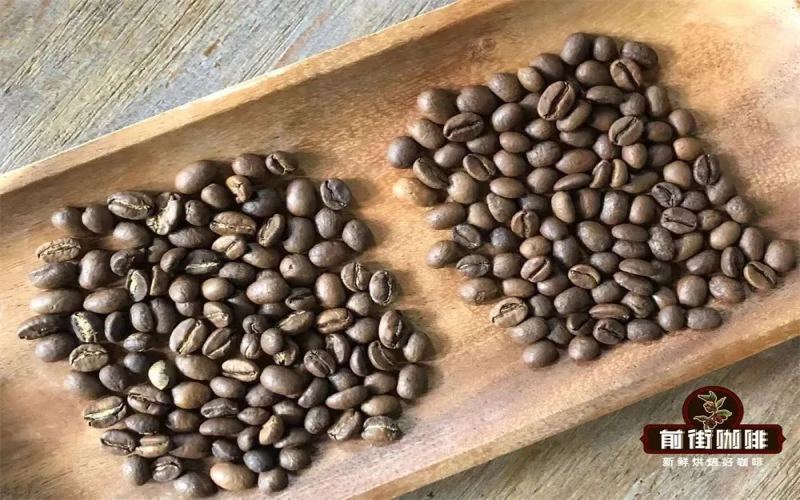
Sun-Dried vs Washed Coffee Processing Methods: Steps, Flavor Analysis, and Differences Between Green and Roasted Beans
Understanding these two common coffee processing methods—sun-dried and washed—can help you choose the beans with your preferred flavors more accurately. This article delves into the processing steps, pros and cons, and flavor characteristics of both, and compares the differences in silver skin between green and roasted beans to help you understand the root causes of coffee flavors. [more…]
From Taiwan to Yunnan: A Century of Coffee Cultivation in China and Its Global Popularity
Did you know? As early as 1884, Taiwan successfully conducted its first coffee cultivation trials, while Binchuan in Yunnan marks the starting point of coffee cultivation on mainland China. This article takes you on a journey through coffee’s transformation from an exotic beverage to a global trend, tracing China’s shift from scattered plantings to a booming consumer culture. It also explores how Europe and the Americas integrated coffee into their daily lives and uncovers how this black drink has reshaped the world. [more…]

A Complete Guide to the Origins and Brewing of Drip Coffee Bags: Why They’re Single-Use & How to Choose Based on Flavor
Drip coffee bags are known for their convenience and speed, making them a daily choice for many busy modern individuals. But do you know where they originated? Can they really be brewed multiple times? And how should you choose a drip bag that suits your taste? This article delves into the historical background of drip coffee bags, the scientific reasoning behind their single-use design, and provides detailed brewing parameters and purchasing advice to help you master this practical coffee brewing method. [more…]
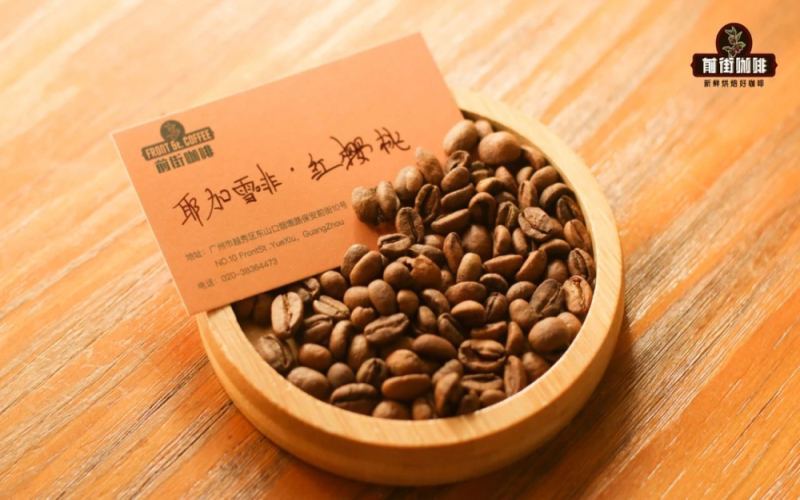
How to Choose Sun-Dried Coffee Beans? Flavor Characteristics, Processing Explained, and Two Classic Bean Recommendations
Sun-drying is the most original and representative processing method for coffee beans, capable of imparting intense fruity aromas, rich sweetness, and unique fermented flavors. This article will provide a detailed breakdown of the complete sun-drying process—from fruit selection and natural drying to subsequent treatments—while analyzing its pros and cons. We’ll also recommend two classic sun-dried beans to give you an in-depth understanding of the layered, wine-like drinking experience this method offers. [more…]
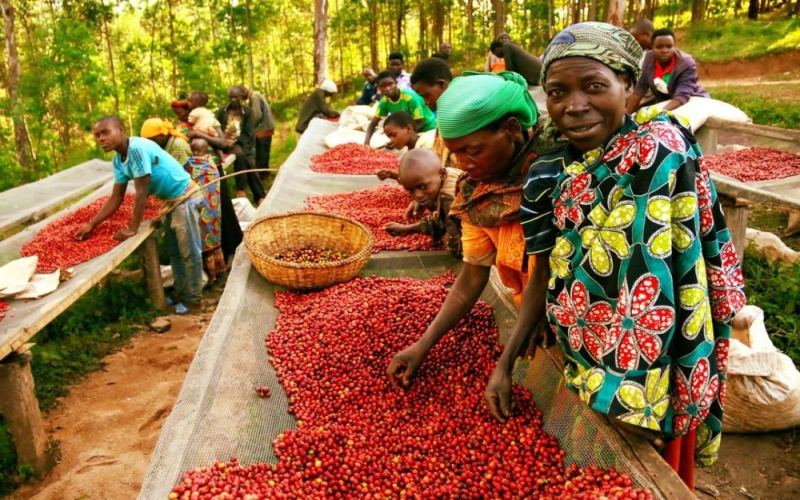
Full Guide to Yirgacheffe Natural Process Coffee Beans: Flavor Profile, Processing Steps & Brewing Tips
Learn about the complete processing flow of natural-process coffee beans from the Yirgacheffe and Guji-Hambella regions of Ethiopia — from harvest to storage. This article delves into the advantages and limitations of the natural process, detailing each step of sun-drying, including how weather affects flavor. Through real-world examples, we analyze the unique flavor profiles of two well-known natural beans — Red Cherry and Huakui — and provide practical V60 brewing parameters for medium-light roasts to help you master the optimal extraction method. [more…]
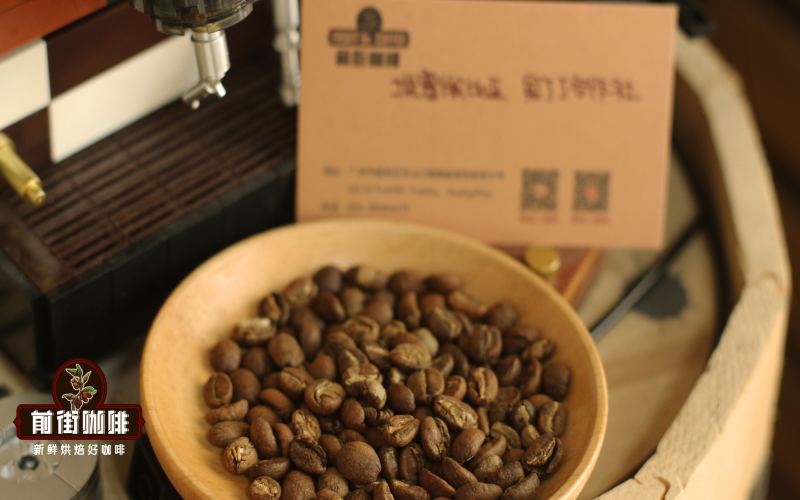
Complete Guide to Yirgacheffe Guji Dingding Washed Beans: Flavor, Processing Method, and Pour Over Techniques
Dive deep into the washed coffee beans from the Guji Dingding Cooperative in Yirgacheffe, Ethiopia. From the terroir of the producing region, the history of the cooperative, to the meticulous washed processing method, this article provides a comprehensive analysis of the unique charm of this specialty coffee. It also offers professional pour over recommendations and complete extraction parameters to help you fully highlight its citrus, floral, and berry notes. [more…]
Honduras Litchi Orchid Coffee Beans: Brandy Barrel Fermentation + Caturra Variety, Pour Over Flavor Analysis
In Honduras, besides the intense whiskey-flavored beans processed with sherry barrels, there is also the famous Litchi Orchid coffee bean known for its low-temperature fermentation in brandy oak barrels. These specialty beans from the Masaguara Mocha Estate combine the Caturra and Catuaí varieties, undergoing 30-40 days of barrel aging to impart unique layers of litchi sweetness and wine-like aromas. This article provides an in-depth analysis of the growing region, processing method, variety characteristics, as well as professional roasting profiles, V60 pour over parameters, and cupping flavor evaluations to help [more…]

Colombian Cauca Strawberry 2.0 Coffee Beans: A Complete Guide to Anaerobic Washed Flavor & Processing Method
The Strawberry 2.0 coffee beans from Paradise Estate in Colombia's Cauca region employ a double anaerobic washed processing method to bring out unique strawberry yogurt aromas and bright acidity. This article delves into the regional environment, varietal characteristics, fermentation techniques, and provides practical V60 pour over parameters along with three-stage pouring techniques to help you fully experience the delicate fruity notes and honey-like aftertaste of this high-altitude Castillo bean. [more…]
A Comprehensive Guide to Aceh Longberry Coffee from Sumatra: Varietal, Wet-Hulled Process & Pour Over Flavor Profile
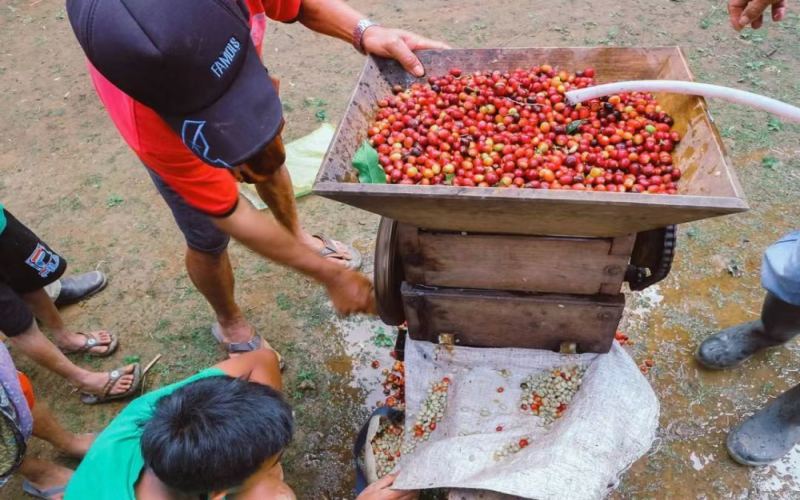
Aceh Longberry coffee from Indonesia’s Aceh region in Sumatra is a rare varietal that naturally mutated from Typica. Grown in high-altitude volcanic soil regions and processed using the wet-hulled method, it boasts unique herbal and spicy characteristics. This article delves into the varietal’s historical origins, cultivation challenges, and processing features, while offering professional roasting advice and pour over parameters to help you explore its spicy acidity and clean mouthfeel. [more…]
Papua New Guinea Bird of Paradise Estate Typica Coffee: Small Blue Mountain Flavor Analysis and Pour Over Parameters
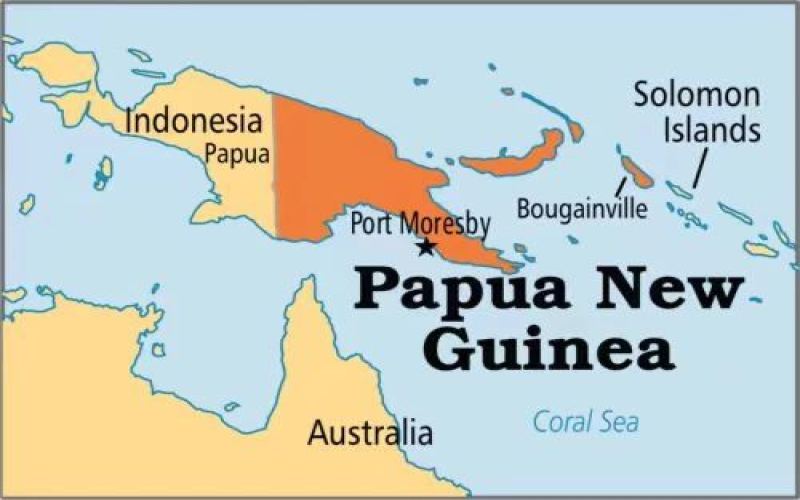
Papua New Guinea coffee is often hailed as the "Small Blue Mountain," but where does its unique flavor come from? This article delves into the Typica coffee beans from Bird of Paradise Estate in the Western Highlands, exploring everything from the regional geography and historical background to the washed processing method. We’ll uncover the origins of its nutty, cocoa, and gentle fruity acidity flavors, and provide professional roasting and pour over recommendations to help you master the brewing secrets of this high-altitude specialty bean. [more…]

Hawaiian Kona Coffee Beans Flavor Profile: How Low Elevation Forges a Specialty Legend?
Elevation isn’t the sole benchmark of specialty coffee. Hawaiian Kona coffee, grown in a relatively low-altitude island environment, owes its delicate, balanced, and elegant beans to a unique climate, volcanic soil, and meticulous management. This article delves into the history, regional characteristics, variety traits, flavor profile, and processing methods of Kona coffee, and offers practical brewing suggestions to help you fully appreciate the distinctive charm of this “Low-Elevation Coffee Queen.” [more…]