







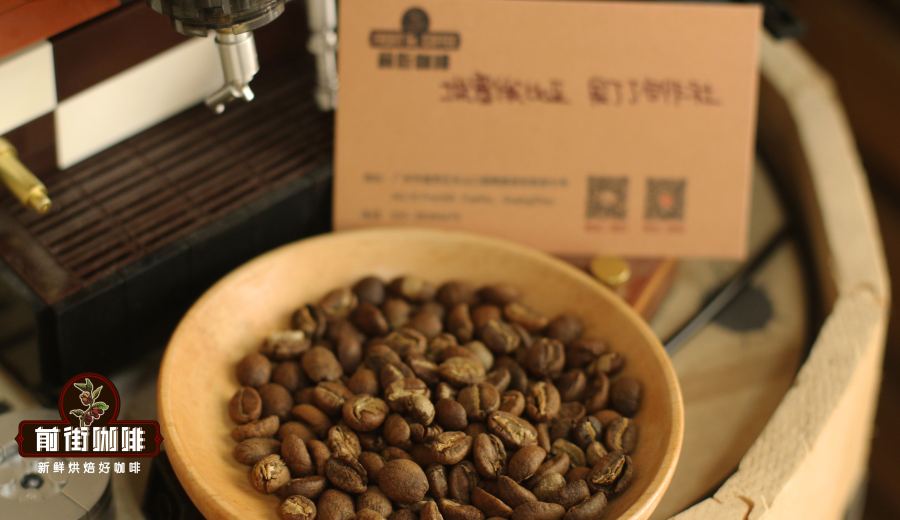
Introduction:Dive deep into the washed coffee beans from the Gedeb Cooperative in Yirgacheffe, Ethiopia. From the terroir of the producing region and the history of the cooperative to the meticulous washed processing method, this article offers a comprehensive exploration of the unique charm of this specialty coffee. It also provides professional pour over recommendations and complete extraction parameters to help you fully showcase its citrus, floral, and berry notes.
Yirgacheffe, one of Ethiopia’s most iconic specialty coffee regions, is renowned worldwide for its bright citrus aroma, delicate jasmine tones, and layered acidity. Among its many villages, the Gedeb Cooperative, located in the Gedeb district, is hailed as the “last pure land of Yirgacheffe.” Its washed coffee beans showcase the unique regional character of the area. This article will take you through the regional background, the cooperative’s history, details of the washed processing, as well as pour over suggestions and extraction parameters, giving you a complete understanding of this highly acclaimed Yirgacheffe Gedeb washed coffee.
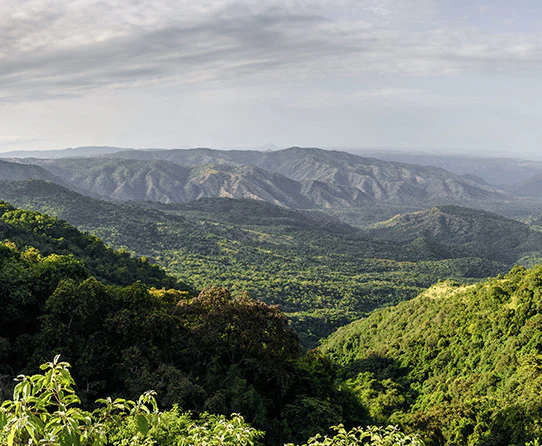
Yirgacheffe was originally a high-altitude town within Ethiopia’s Sidamo province. Its name comes from the ancient local language, where “Yirga” means “to settle” and “Cheffe” means “wetland.” The region sits at an altitude of 1,700 to 2,100 meters, with a cool, foggy climate and spring-like weather all year round—conditions that are ideal for growing specialty coffee. In fact, due to its distinctive flavor profile, Yirgacheffe later separated from Sidamo province to become an important representative of Ethiopia’s specialty coffee.
When people mention the “Yirgacheffe flavor,” they often immediately think of bright citrus acidity, subtle jasmine floral notes, and hints of peach, apricot, and tea in the aftertaste. This layered and delicate taste is often described as “flowers blooming on the tip of the tongue.” The Gedeb washed coffee introduced by a certain coffee brand fully embodies these regional characteristics—bright and vibrant on the palate, with a soft silkiness in body and a sweet, lingering finish.
Gedeb is a town located south of Yirgacheffe, administratively part of Kochere but at a higher elevation of around 1,900 to 2,200 meters, making it superior to most Yirgacheffe producing areas. Although it is categorized under the Kochere region in the ECX market, Gedeb actually possesses the same level of refinement potential and is even regarded as one of the micro-regions that represent the essence of Yirgacheffe. The area includes several well-known villages, such as Banko Gotiti (Gedeb) and Halo Bariti, all of which are famed for producing high-quality coffee beans.
The establishment of the Gedeb Cooperative stems from the specialty coffee industry’s increasing emphasis on “origin traceability.” Originally, Gedeb village was part of the Worka Cooperative under the Yirgacheffe Coffee Farmers Cooperative Union (YCFCU), with about 300 coffee farmers as members. As the market demand for single-village and single-processing-factory coffee grew, Gedeb officially split from the original structure in 2012 to form an independent cooperative. It retained traditional washed and natural processing techniques and quickly gained international attention for its high quality and consistent flavors.
The coffee processing at Gedeb Cooperative follows a rigorous washed process. First, within 6 to 12 hours of harvesting the coffee cherries, they are swiftly transported to the processing facility. The harvested fruits are first weighed, then immersed in water tanks for flotation, using buoyancy principles to remove unripe or overripe cherries. Next, a pulper is used to remove the flesh and skin, leaving behind sticky mucilage that then enters the fermentation stage.
Fermentation typically lasts between 18 to 36 hours, depending on temperature and humidity. During this period, enzymes naturally break down the mucilage, making the coffee beans easier to wash. After fermentation, the beans are moved to clean water tanks and agitated manually or mechanically to thoroughly remove any remaining mucilage and impurities. Finally, only the parchment-covered and silver-skin-coated green coffee beans enter the drying stage.
The drying phase is a crucial step that affects the final flavor of the coffee. The Gedeb Cooperative typically uses raised beds, tarps, or cement surfaces for sun drying, during which the beans are constantly turned to ensure even drying. The entire process takes about 5 to 14 days, until the moisture content of the beans drops from an initial 55% to a stable 11%. Careful management during this stage directly determines the purity of the coffee’s aroma and the consistency of its taste.
For this Yirgacheffe Gedeb washed coffee, a certain coffee brand recommends a light roast to preserve its bright acidity and delicate floral characteristics. During roasting, it is suggested to use low heat and extend the drying phase to ensure even heat distribution throughout the bean. Recommended charge temperature is 175°C, with the air damper set to 3 and initial flame power at 120; when the turning point is reached at 1’32”, and the bean surface turns yellow, adjust the air damper to 4, at which point grassy notes gradually fade. Subsequently, reduce the flame to 100 at 166°C and to 80 at 176°C, maintaining stable development until first crack.
First crack begins at approximately 9’38”. At this point, adjust the air damper to 5 and closely monitor changes in the cracking sounds. It is recommended to allow around 1 minute and 30 seconds of development after first crack, with the final roast finishing at 193.5°C to fully highlight its fruit and floral layers.
For pour over, it is recommended to use a Hario V60 dripper, with water temperature controlled at 92°C, a coffee dose of 15 grams, a brew ratio of 1:15, and a medium-fine grind (about 80% passing through a standard Chinese No. 20 sieve). Specifically, you can employ a multi-pour method: start with a 30-second bloom using 30 grams of water, then pour in a small circular motion up to 120 grams for the first pour. After the water level drops, continue pouring up to 225 grams, and finally remove the dripper when the water level is nearly gone, with total extraction time of about 1 minute and 50 seconds. These parameters effectively balance acidity, sweetness, and body, allowing the berry, citrus, and creamy aftertaste of the Gedeb washed coffee to fully shine.

In summary, the washed coffee beans from the Yirgacheffe Gedeb Cooperative not only inherit the region’s signature bright acidity and floral traits, but also boast richer tropical fruit and berry notes thanks to the high altitude and refined processing. Whether you’re a coffee novice or a seasoned enthusiast, this is a specialty coffee worthy of in-depth tasting and exploration. With the correct roasting and pour over parameters, you’ll be able to fully experience the unique terroir flavors brought by this “last pure land of Yirgacheffe.”
The above content is compiled by CoffeeHunters, a coffee news website.


