







Introduction:Hanging ear coffee combines the flavor of pour over with the convenience of instant brewing, making it a daily choice for many coffee enthusiasts. But do you know about its invention history, design evolution, and why it quickly gained popularity in the East Asian market? This article takes you through the origins and market development of hanging ear coffee, and provides detailed brewing parameters and techniques to help you easily brew a great cup of coffee that approaches pour over quality.
For busy modern people, brewing a good cup of coffee can sometimes be a luxury. Traditional pour over requires preparing equipment, controlling water temperature and ratio, which has a higher barrier for beginners; while instant coffee is convenient, it often lacks depth and flavor. The emergence of hanging ear coffee fills this market gap, allowing consumers to enjoy a coffee experience close to pour over quality at home or in the office in the simplest way possible.
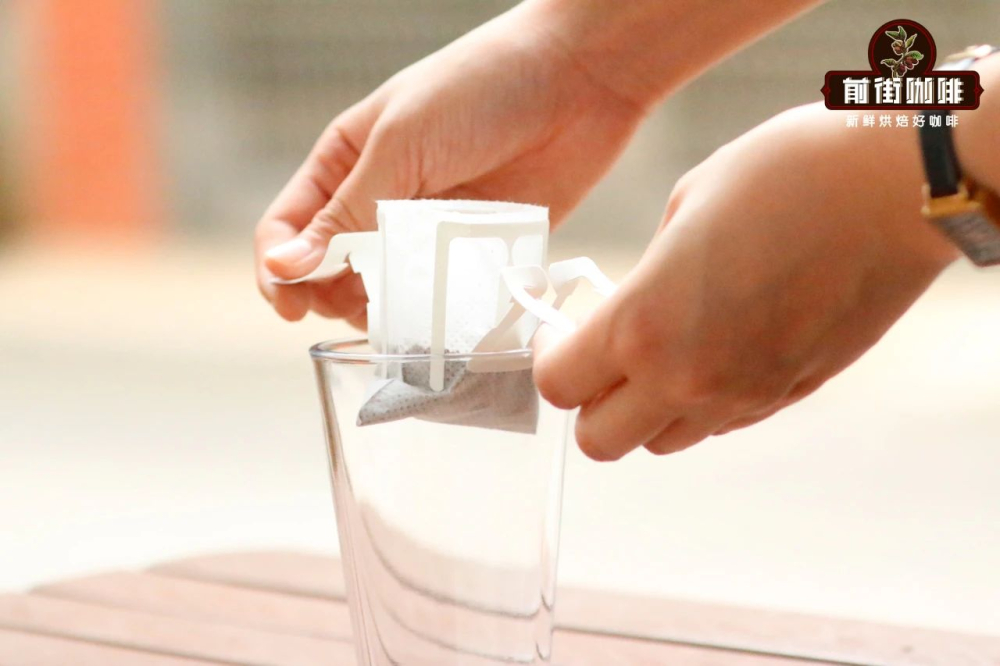
The birth of hanging ear coffee actually originated in Japan. As early as 1990, Japan’s Yamachū Sangyō Co., Ltd. was inspired by tea bags and applied the concept of filter bags and handles to coffee, attempting to create a coffee packet that is both convenient and retains brewing quality, and applied for relevant patents. However, the initial design had issues such as insufficient structural stability and poor load-bearing capacity of the filter bag, causing it to tilt or break easily during brewing, and thus could not be successfully commercialized. It wasn’t until 1998 that Daiki Shoji made significant improvements to the original design—particularly by extending the hanging ear portion outward to enhance stability and usability—evolving into the familiar prototype of today’s hanging ear coffee.
This type of filter-bag coffee, known as a drip coffee bag, rapidly gained popularity in the East Asian region. In 2011, global sales were about 1.4 billion bags, equivalent to approximately 11,200 metric tons, with up to 94% concentrated in the Japanese market—even Japanese Starbucks once launched its own line of hanging ear coffee products. Although the global market size was still limited at the time, hanging ear coffee, with its characteristic of “offering the convenience of instant coffee and the flavor of pour over,” was seen as having strong growth potential.
In the Chinese market, instant coffee long dominated, once accounting for as much as 70%, while hanging ear coffee only made up about 10%. However, as consumers began to place greater emphasis on food safety and coffee quality, and as specialty coffee culture gradually emerged, hanging ear coffee—due to its advantage of being “convenient without sacrificing flavor”—gradually gained favor. Especially in 2017, the Chinese hanging ear coffee market saw an annual growth rate as high as 30%, demonstrating a strong shift in demand.
Many people wonder, how does hanging ear coffee compare to freshly ground pour over coffee? In fact, as long as the coffee beans are fresh, properly stored, and packed in materials that effectively block oxygen, the flavor performance of hanging ear coffee can almost match that of freshly ground pour over. The key is that hanging ear coffee already sets most of the variables for you: including grind size, and a recommended coffee-to-water ratio between 1:15 and 1:16. That means, using 10 grams of coffee powder, the total brewed liquid volume should be about 140 to 150 milliliters, with water temperature ideally controlled around 90°C. If you don’t have a thermometer, you can turn off the heat after the water boils, leave the lid open and let it sit for 2 to 3 minutes to naturally lower the temperature to the desired range (at a room temperature of 28°C).
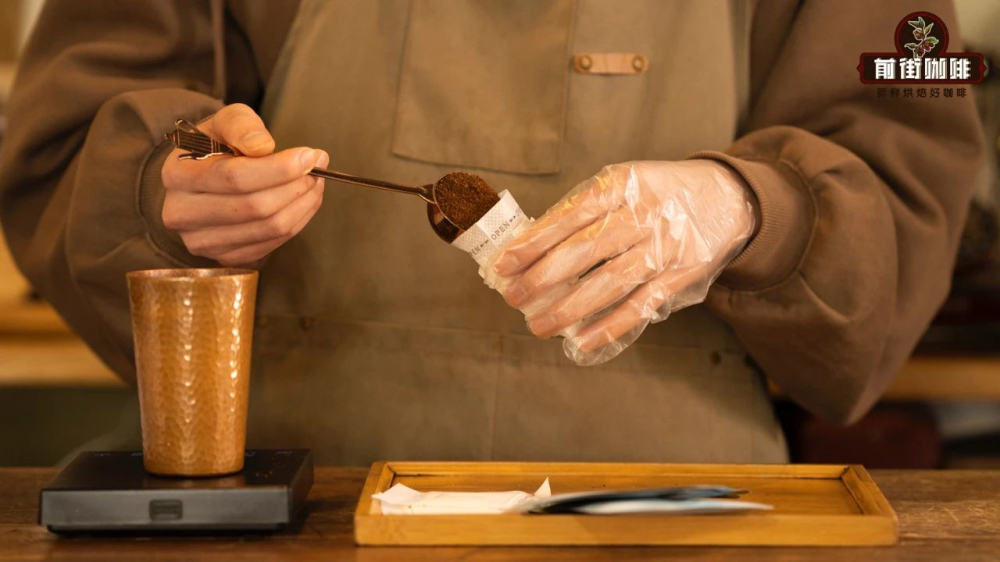
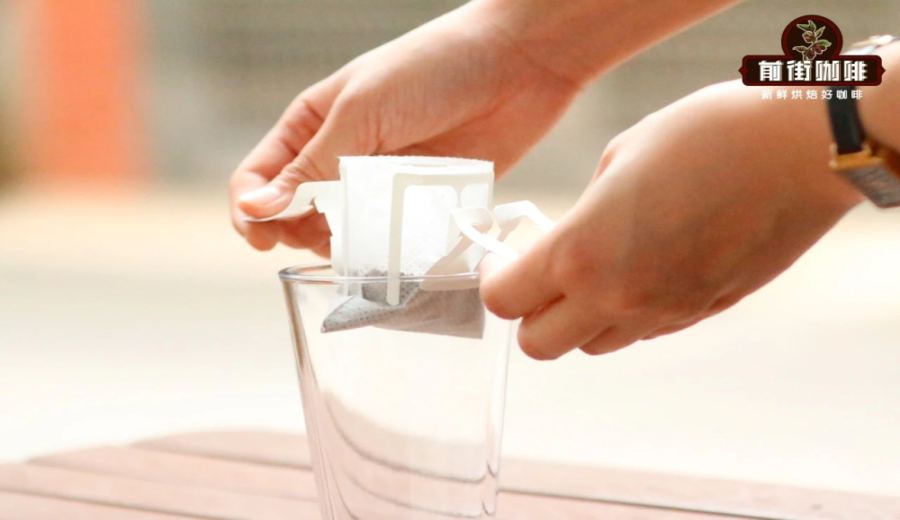
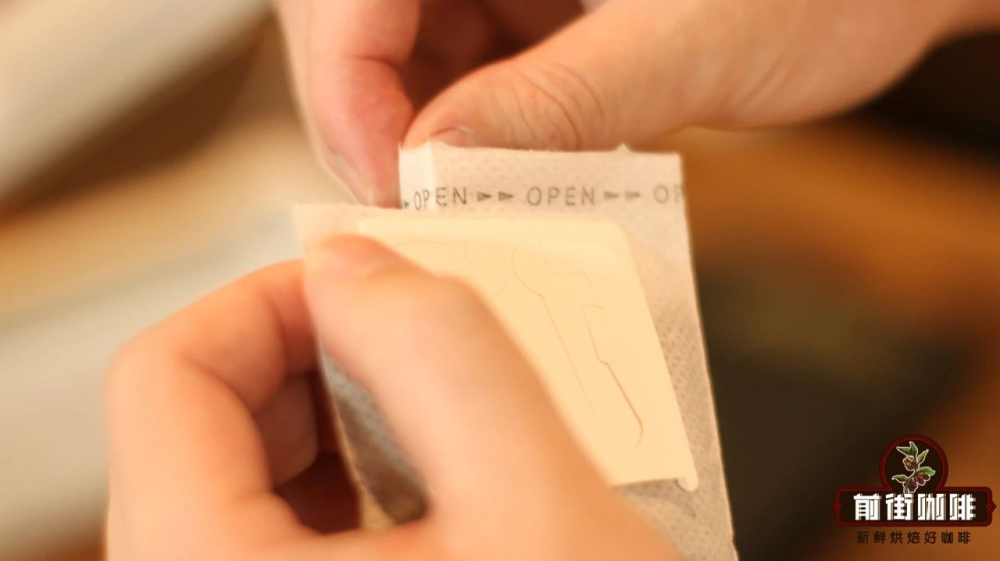
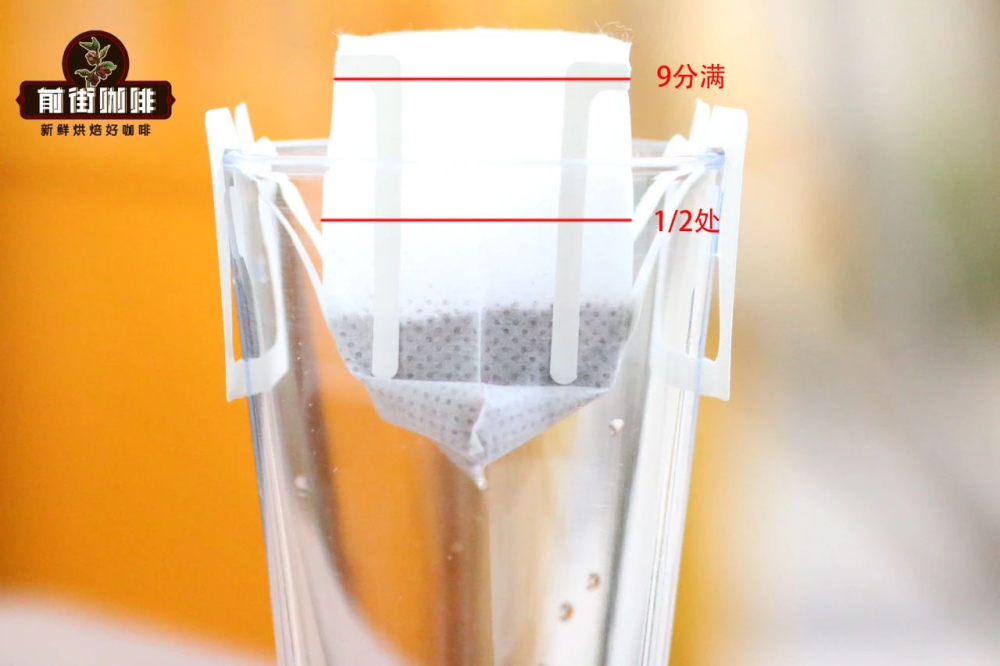
In practice, the steps are very simple: first, tear open the hanging ear packet’s seal, unfold the two “ears” on either side, and securely hang them on the rim of a mug or regular cup. Next, pour hot water in a small stream to evenly wet the coffee grounds—this step is called blooming and takes about 30 seconds, helping to release aroma and flavor. After blooming, you can begin the main pouring. Aim for a total liquid volume of 140 to 150 milliliters in the cup, slowly pouring in a circular motion, adding water in multiple steps if necessary until you reach the desired capacity. For more precision, you can also pre-measure 150 to 160 milliliters of water and pour it all into the filter bag at once, then wait for all the coffee liquid to drip through before removing the filter bag—the entire process takes about one minute.
It’s important to note that hanging ear coffee uses pre-ground coffee powder, which, compared to whole beans, has significantly shorter flavor release and shelf life. It’s recommended to consume it as soon as possible after purchase to get the best flavor performance.
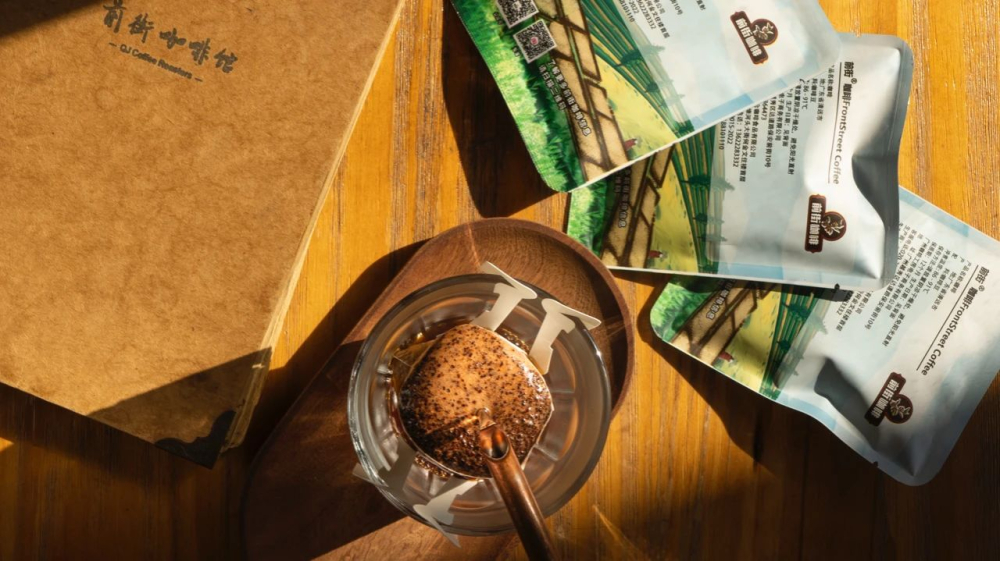
If you want to try high cost-performance, high-quality hanging ear coffee, consider some well-reviewed products on the market. For example, certain brands offer seasonally freshly roasted hanging ear coffee, each pack containing 10 grams, with ten packs per box at an affordable price—averaging just about 4 RMB per cup, which is far more attractive than café prices that often reach dozens of RMB. Especially products that strike a balance between quality and convenience are ideal for daily drinking or office use.
Take Indonesian Golden Mandheling as an example. This coffee from the well-known Indonesian green bean supplier PWN is one of the few varieties that undergo three rounds of manual strict selection and has uniformly sized beans, leading to even roasting coloration. After brewing, it delivers a clean and mellow flavor without the off-notes commonly found in typical Mandheling. Its flavor profile is clear, sometimes described as having the steady character of Guangdong herbal tea, and it is highly favored by consumers who love rich taste but also seek layers of complexity. In recent years, this bean has gained increasing market acceptance and has become the entry favorite for many hanging ear coffee users.
The above content is compiled by CoffeeHunters, a coffee news website.


