







Introduction:Drip bags combine convenience with high-quality extraction, allowing you to enjoy the pure flavors of pour over coffee even when you're not at a café. This article traces the origins of drip bags, inspired by Japanese tea bags, analyzes their commercial evolution, and delves into key production processes such as grind cleanliness, particle size control, and nitrogen preservation technology. It also provides clear, easy-to-follow brewing steps and parameter recommendations to help coffee enthusiasts achieve ideal flavors at home.
In the hustle and bustle of urban life, enjoying a high-quality cup of coffee that rivals pour over standards from a single origin isn’t always easy. While instant coffee is convenient, it often contains excessive sugar and creamers, which can be detrimental to health in the long run. To meet this demand, drip bags emerged as a practical compromise—retaining the layered complexity of pour over coffee while eliminating the need for complicated equipment or technical skills.
The birth of drip bags was actually inspired by Japan’s tea bag culture. In Japan, although pour over coffee has a solid fan base, it remains time-consuming for busy office workers. In 1990, Yamachū Sangyō Co., Ltd. first introduced the concept of tea bags to the coffee industry, creating a filter-drip style coffee and applying for a patent. However, the initial design had overly simplistic ear structures that couldn’t support the weight of the coffee liquid and tended to lose balance during brewing, making it difficult to commercialize. It wasn’t until 1998, when Daiki Shoji improved the design by extending and enlarging the ears, enhancing stability and usability, that the familiar drip bag format we know today began to take shape.
In the production of high-quality drip bags, every step affects the final flavor.Cleanliness of the grinderis crucial. Before producing each batch of drip coffee, the grinder is thoroughly cleaned to avoid flavor contamination between different beans, ensuring that each bag showcases the unique characteristics of the beans from that specific origin.
Next,grind size directly impacts the brewing flow rate. If the particles are too coarse, water flows too quickly, leading to under-extraction; if too fine, it can clog the filter paper, causing over-extraction and off-flavors. A moderate grind size ensures balanced extraction, releasing the coffee’s full aroma and acidity-sweetness profile.
Additionally,automated packaging and nitrogen flushingtechnologies are key to extending coffee freshness. The industry uses fully automated sealing equipment that injects nitrogen during packaging, effectively reducing oxygen exposure and slowing oxidation. This helps maintain the coffee’s flavor consistency and vibrancy even after opening.
Currently, common drip bag series on the market include classics like "Sun-Dried Sidamo" and "Brazil Red Bourbon," as well as blends featuring beans from five major origins. If you have a specific origin preference, customized drip bags with your desired flavor profile are also available.
Among them, "Sun-Dried Sidamo" is sourced from Ethiopia’s Sidamo region in the south. It’s important to note that this region previously included Yirgacheffe and Guji, but following adjustments to the Ethiopian Commodity Exchange (ECX) system, these have since been classified separately. Sidamo coffee is known for its bright acidity and rich floral and fruity aromas, sometimes even surpassing Yirgacheffe in flavor expression, making it ideal for those who seek a refreshing yet layered coffee experience.
Another option, "Brazil Red Bourbon," comes from the Cerrado plateau on the western side of Brazil’s Minas Gerais state, at altitudes between 750 and 1200 meters. Bourbon is a natural mutation of Typica, renowned for its stable performance and sweet profile. This coffee often features notes of nuts, chocolate, cream, caramel, and a hint of peanut, making it a great choice for those who prefer a rich and bold taste.
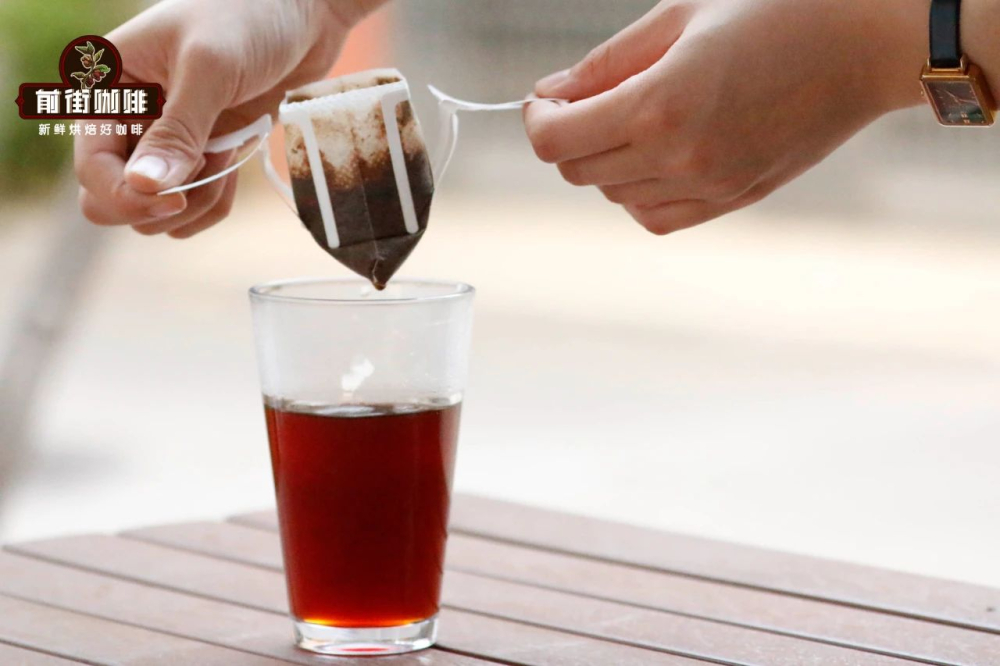
For practical use, here are the recommended brewing parameters for drip bags (using 10 grams of coffee grounds as an example):A coffee-to-water ratio of 1:15, with water temperature controlled between 90–91°C. It is recommended to use pure, low-mineral filtered water for optimal extraction.
Brewing steps are as follows:
① Carefully and neatly tear open the outer pouch along the designated opening;
② Shake out the enclosed coffee packet, tear open the inner bag, unfold the drip bag’s ears, and securely hang them on the rim of your cup;
③ It is recommended to let boiled water sit for about 1 minute to cool to 90–91°C before starting the brew. Pour the hot water steadily and evenly, first wetting the coffee grounds. Once the liquid level in the bag drops, continue pouring. When the coffee in your cup reaches about three-quarters full—or your preferred strength—you can remove the drip bag (be careful to avoid burns) and enjoy a pour over-quality cup of coffee.
Remember, each drip bag is designed for a single brew to maintain optimal flavor and hygiene. Even if it seems like a waste, it’s a sign of respect for preserving the coffee’s full flavor integrity.
The above content is compiled by CoffeeHunters, a coffee news website.


