







Introduction:Want to enjoy decaffeinated coffee without worrying about flavor loss? The Swiss Water Process decaf beans from Colombia’s Huila region retain berry and cocoa aromas with 99.9% caffeine removal. This article dives deep into the region’s altitude, the characteristics of the Typica variety, breaks down the flavor-packed water decaffeination principle, and provides professional roasting curves and KONO filter pour over parameters to teach you how to brew a rich, guilt-free cup of black coffee.
Decaf coffee has become a new favorite among coffee enthusiasts in recent years, especially for those sensitive to caffeine yet unwilling to give up the flavors of black coffee. Colombian decaf coffee is known for its stable quality and has maintained a strong reputation in the international market. Among them, the Typica variety from the Huila region, processed using the Swiss Water method, stands out with its pronounced berry notes and full-bodied taste.
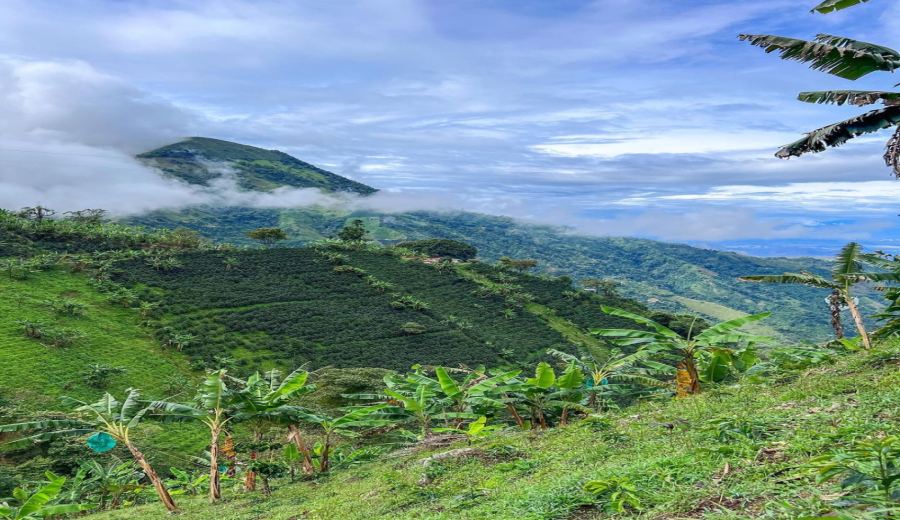
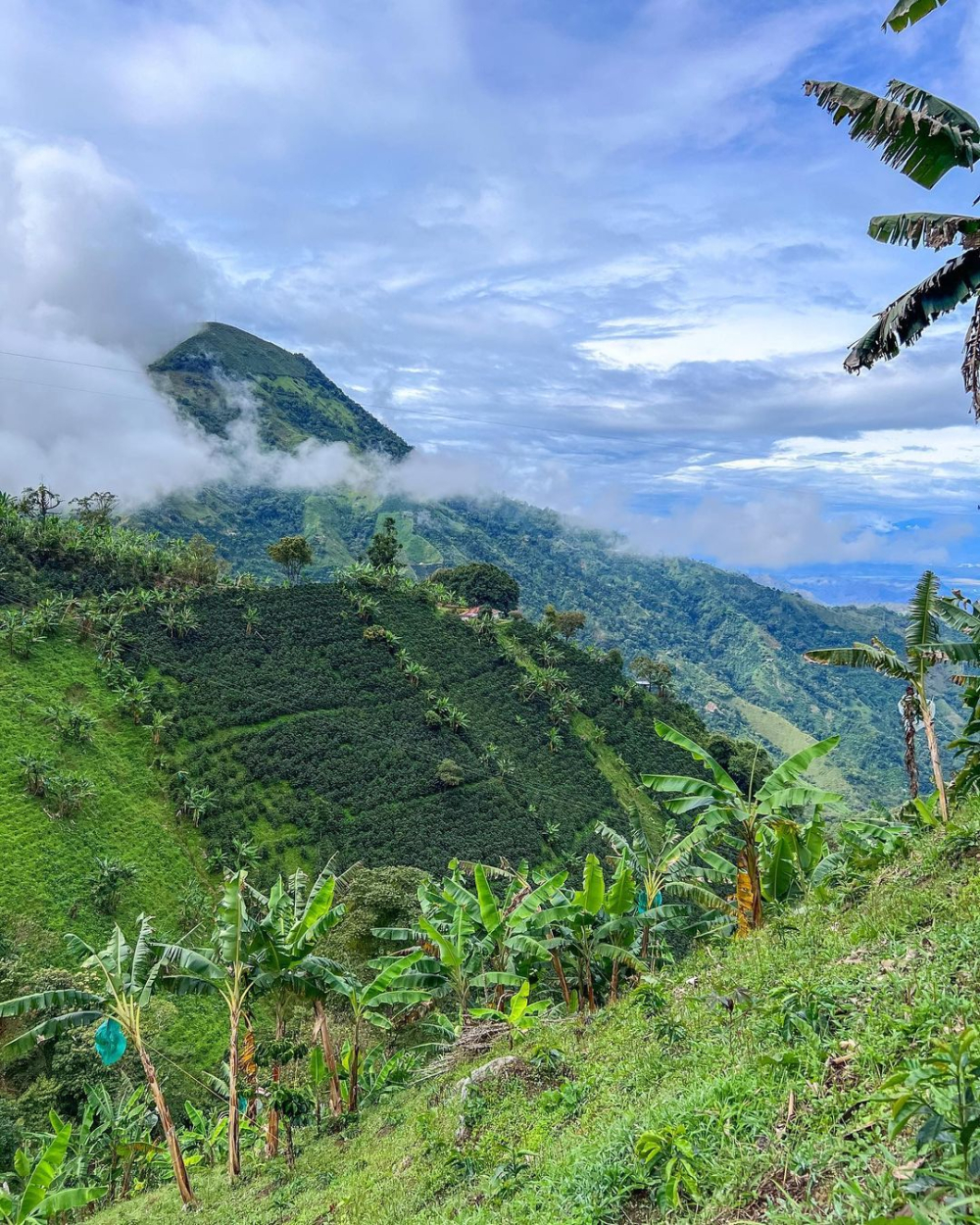
The Huila region in Colombia is located in the high-altitude area of the Andes Mountains, with an average cultivation height of 1,750 meters. Such elevation slows down the ripening process of coffee cherries, allowing them to accumulate richer sugars and flavor compounds. The coffee beans from this region undergo strict quality control during processing, from post-harvest sorting to defect removal before export, all following standardized procedures, earning it the reputation of "national treasure-level coffee."
The beans used in this decaf coffee are the traditional Arabica Typica variety, classified as Supremo grade in Colombia’s coffee grading system—the highest quality level. Many people assume decaf coffee tastes bad due to technical limitations, but the key actually lies in the choice of raw materials. Most commercial decaf coffees on the market use cheap commercial beans or Robusta, but this one uses high-quality Arabica beans that already have a solid flavor foundation before decaffeination.
The Swiss Water Process is a decaffeination technique that completely avoids the use of chemical solvents. The process begins by soaking a batch of green beans in hot water, which extracts both caffeine and all flavor compounds. These "sacrificial beans" are then discarded. Next, an activated carbon filter is used to remove only the caffeine from the hot water, leaving behind "flavor-charged water" rich in flavor compounds. Fresh green beans are then soaked in this special water solution, which removes only the caffeine while preserving the original aroma and taste, ultimately achieving 99.9% caffeine reduction.
The advantage of this method is that it doesn’t disrupt the bean’s original flavor profile, and the process is environmentally friendly with no pollution. Additionally, the flavor-charged water can be reused for subsequent batches of decaffeination, effectively controlling costs while maintaining consistent quality. Since the entire process is completed at the green bean stage, subsequent roasting can better highlight its full-bodied characteristics.
For roasting, to balance the subtle changes brought by the decaffeination process, the roaster opted for a medium roast strategy. The charge temperature was set at 165°C, with a gentle initial temperature rise to preserve acidity. About three minutes later, the heat was gradually increased to promote the Maillard reaction. When the temperature reached 153.5°C—marking the yellowing point—heating continued until 183.2°C, triggering first crack. At this point, the heat was moderated to avoid overdevelopment. The beans were dropped 2 minutes and 30 seconds after first crack, resulting in a balanced sweetness and full body. The bean surface also developed a moderate sheen due to moisture changes during the decaffeination process.
For pour over, it’s recommended to use a KONO filter with 15 grams of coffee grounds, a 1:15 coffee-to-water ratio, and a water temperature of 88°C to highlight the nutty tones of the decaf beans. The grind size should be around 62% extraction through a #20 sieve—a coarser grind that prevents over-extraction while bringing out rich flavor layers. The filter’s unique design creates a siphon effect during pouring, ensuring even coffee flow and extracting a silky-smooth mouthfeel akin to a French press.
In practice, start by pouring 30 milliliters of hot water for a 30-second bloom to awaken the beans. Then, pour in a circular motion with 150 milliliters of hot water to form a golden crema layer, and finally add 45 milliliters to complete the extraction. The entire process takes about 2 minutes and 10 seconds, fully showcasing the coffee’s dominant dark chocolate notes, complemented by berry acidity and a nutty finish—enjoyable even without added sugar or milk.
This Colombian Huila decaf coffee proves that with high-quality Arabica beans and the right processing techniques, decaf coffee can still deliver rich layers and surprisingly delightful flavors. Whether it’s for a morning pick-me-up or an evening treat, it satisfies coffee drinkers who demand high standards.
The above content is compiled by CoffeeHunters, a coffee news website.


