








Introduction:Although Ecuador is located in South America, it is often overlooked as a potential origin for specialty coffee. This equator-straddling country, with its high altitudes, volcanic soils, and unique microclimates, produces organic coffee with jammy sweetness, bright acidity, and yellow fruit profiles. This article delves into the terroir characteristics of Ecuador’s main producing regions—such as Loja, the Galápagos Islands, and the Intag Valley—and explores the flavor profiles of Bourbon and Typica varieties processed via washed methods. It also provides professional roasting and V60 pour over recommendations to help you uncover the unique charm of this new coffee frontier.
Among the many South American coffee-producing countries, Ecuador may not be as well-known as Colombia or Brazil, but it possesses ideal conditions for growing specialty coffee: low latitude, high altitude, and fertile volcanic ash soil. This equator-crossing nation has seen a gradual revival of its coffee industry in recent years, especially among Arabica varieties grown at high elevations, which demonstrate unique flavor potential.
Ecuador is one of the few countries in the world that cultivates both Arabica and Robusta. In the past, due to an economic structure heavily reliant on oil, the coffee industry was long neglected. However, with the rising global demand for high-quality coffee, local farmers have returned to specialty coffee cultivation. By renewing aging tree varieties and optimizing farming techniques, they have gradually increased both yield and quality.

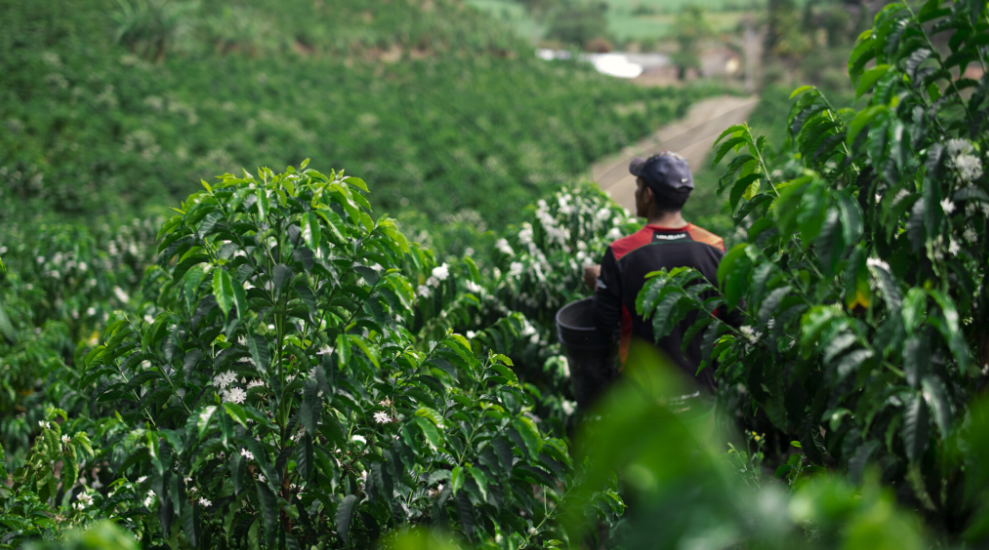
Ecuador’s geographical environment presents both advantages and challenges for coffee cultivation. The need for year-round harvesting, combined with elevation variations from sea level to over 2,000 meters, forces farmers to manage complex harvesting and processing procedures. Additionally, the equatorial climate paired with diverse terrain often results in coffee trees bearing flowers, unripe cherries, and ripe cherries simultaneously—increasing harvesting difficulty and labor costs.
The Loja region is located at the southern foothills of the Andes Mountains, with elevations ranging between 1,450 and 2,000 meters, making it one of the highest-altitude coffee-growing areas in the world. The region primarily grows Typica, using washed processing and shaded cultivation to produce coffee with complex acidity, jammy sweetness, and a mild, rounded body. Volcanic soils and the cool climate of high altitudes provide an ideal growing environment for coffee beans.
Coffee from the Galápagos Islands is renowned for its organic cultivation. These volcanic islands, located about 1,000 kilometers from mainland Ecuador, boast unique microclimates and unpolluted ecosystems. The coffee trees grow without chemical fertilizers or pesticides, resulting in beans with a gentle profile, delicate floral and fruity aromas, and caramel sweetness—making them a must-try for coffee lovers seeking natural flavors.
The Intag Valley lies at the western foothills of the Andes Mountains and is known for its Arabica coffee production. The beans from this region exhibit an excellent balance of acidity, sweetness, and bitterness, with rich layers of flavor. Compared to other producing areas, the microclimate and soil conditions of the Intag Valley give the coffee more pronounced fruity notes and brighter acidity.
The dominant coffee variety in Ecuador is Bourbon, a mutation originating from Yemen, known for its round bean shape and outstanding cupping performance. Bourbon coffee typically showcases rich fruit tones, moderate acidity, and a well-balanced sweetness, making it a classic variety in the specialty coffee world. In addition, local varieties such as those from Galápagos and Jipijapa are also gaining attention for their large bean size and bold body.
In terms of processing methods, Ecuador primarily uses the washed method, which involves strict fermentation and washing processes to remove the mucilage layer while preserving the coffee beans’ pure flavors. This method highlights bright acidity and a clean taste profile, making it suitable for drinkers who prefer a clean and balanced cup.
Flavor-wise, high-altitude Ecuadorian coffee often features juicy, complex characteristics, with pronounced aromas of yellow fruits such as citrus and peach, accompanied by soft sweetness and moderate acidity. These traits make Ecuadorian coffee an excellent choice for pour over and drip brewing.
For readers looking to brew Ecuadorian coffee at home, it is recommended to use the V60 dripper for pour over. The V60’s spiral ribs enhance extraction efficiency, making it ideal for highlighting the nuanced flavors of high-altitude coffee. Recommended parameters are as follows: water temperature 90–91°C, grind size similar to fine sugar (approximately 80% passing through a #20 sieve), coffee-to-water ratio 1:15, with 15 grams of coffee. Use a three-stage pouring method: first, pour 30 grams of water for a 30-second bloom, then pour in a small circular motion up to 125 grams before stopping; once the water level drops, continue pouring to 225 grams. Total brew time should be controlled between 2 minutes and 2 minutes 10 seconds.
In terms of roasting, a medium-light roast best optimizes the fruit acidity and sweetness of high-altitude Ecuadorian coffee. The hard bean characteristics allow it to withstand appropriate heat, and roasters are advised to use relatively high heat and drop temperatures to fully develop the coffee’s complex flavor layers.
In summary, although Ecuador’s coffee industry started relatively late, its unique geographical conditions and continuously improving farming techniques are gradually securing its place in the global specialty coffee market. Whether you’re seeking organic certification, high-altitude flavors, or want to explore emerging origins, Ecuador is worth adding to your list of coffee bean choices.
The above content is compiled by CoffeeHunters, a coffee news website.


