








Introduction:Drip bags are known for their convenience and speed, making them a daily choice for many busy modern individuals. But do you know where they originated? Can they really be brewed multiple times? And how should you choose a drip bag that suits your taste? This article delves into the historical background of drip coffee, the scientific reasoning behind single-use recommendations, and provides detailed brewing parameters and selection advice to help you master this practical coffee brewing method.
Thanks to its simplicity and proximity to the flavor of pour over coffee, drip bags have quickly gained popularity among coffee enthusiasts. However, many still have questions about their origin, whether they can be reused, and how to select the right flavor. This article will take you through the birth of drip coffee, explain why experts generally recommend brewing it only once, and detail the key points for selecting fresh drip bags along with the complete brewing process, allowing you to easily enjoy a professional-grade pour over-style black coffee at home.
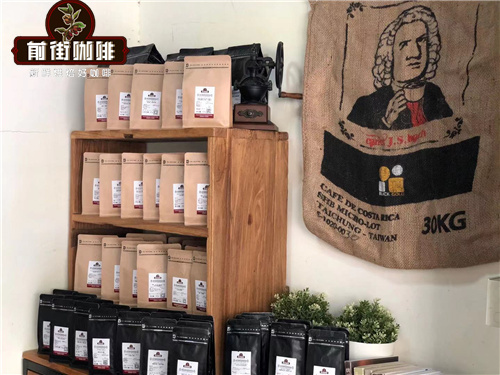
With the rise of the specialty coffee trend, more and more consumers are seeking coffee solutions that combine quality and convenience. Among the many options, drip bags stand out due to their low barrier to entry and ability to showcase the original flavors of coffee beans, making them a top choice for many. However, how to choose the right drip bag that matches your taste from the numerous products available, and how to use it correctly to achieve optimal extraction, are topics worth exploring for both beginners and advanced coffee drinkers.
As for the origins of drip coffee, it was actually first developed and launched by Japan’s UCC Ueshima Coffee. The company simplified the concept of traditional pour over brewing, allowing users to enjoy a coffee experience close to professional pour over at home through the drip bag design. This innovation enabled many consumers with no time to visit cafes to easily brew a good cup of coffee at home, and thus it quickly received positive market feedback after its launch.
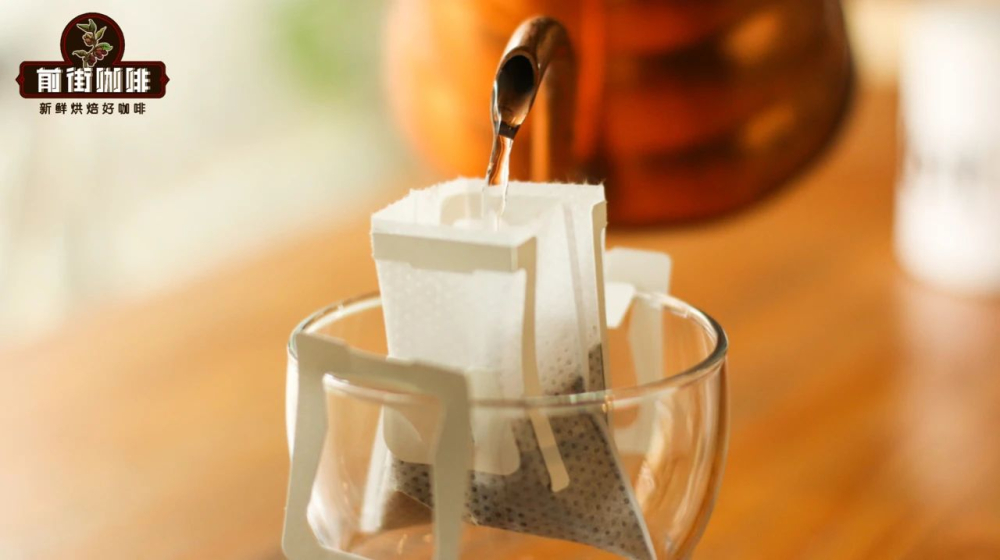
Regarding the common question of whether “drip coffee can be brewed multiple times,” the answer is usually no. This is because only about 3% of the flavor compounds in coffee can be extracted, with most of these components released during the first brew. Attempting a second or even multiple brews not only fails to release significant flavor but may also lead to over-extraction due to prolonged steeping, releasing more bitter substances and affecting the overall taste. Practical tests have shown that even if the coffee grounds appear rich in color after the first brew, most of the essence has already been lost, and reusing them will only make the coffee more bitter and dull.
Additionally, some consumers compare drip coffee with instant coffee, but the two are fundamentally different. Instant coffee is a dehydrated product that has been extracted and concentrated, and is not freshly ground coffee; whereas the coffee powder in drip bags is directly ground from freshly roasted beans and uses a drip filtration method to extract true black coffee. Therefore, it is recommended to use it in the correct manner during brewing, and avoid pouring out the residual coffee powder in the filter bag, as this can severely impact taste and flavor expression.
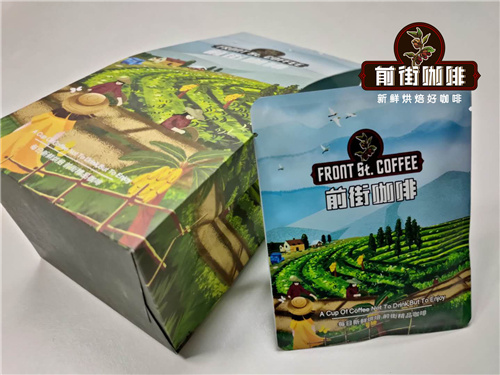
When selecting the right drip coffee, the first priority is to confirm its freshness. Since the flavor of coffee beans diminishes over time, it is recommended to check the roasting date on the packaging rather than the expiration date. Generally speaking, freshly roasted coffee beans reach their peak flavor within a few weeks after being ground. If the packaging includes a degassing valve, although it helps release gas, it may also accelerate aroma loss, so some brands choose not to include it to maintain a longer shelf life. Consumers are advised not to buy in large quantities during promotions, which could result in some products being consumed past their optimal drinking window.
In terms of flavor selection, drip coffee is usually made from single-origin beans, which clearly highlight the unique characteristics of their origin. For example, Ethiopia’s Yirgacheffe often features bright lemon and citrus notes, Panama’s Geisha showcases rich floral and tropical fruit aromas, while Indonesia’s Mandheling is known for its full body, low acidity, and herbal and earthy flavors. In addition, different processing methods also affect the final flavor profile—for instance, the natural process retains more sweetness and fruitiness, the washed process typically delivers cleaner and brighter acidity, and the honey process falls somewhere in between, often exhibiting rich caramel and creamy qualities.
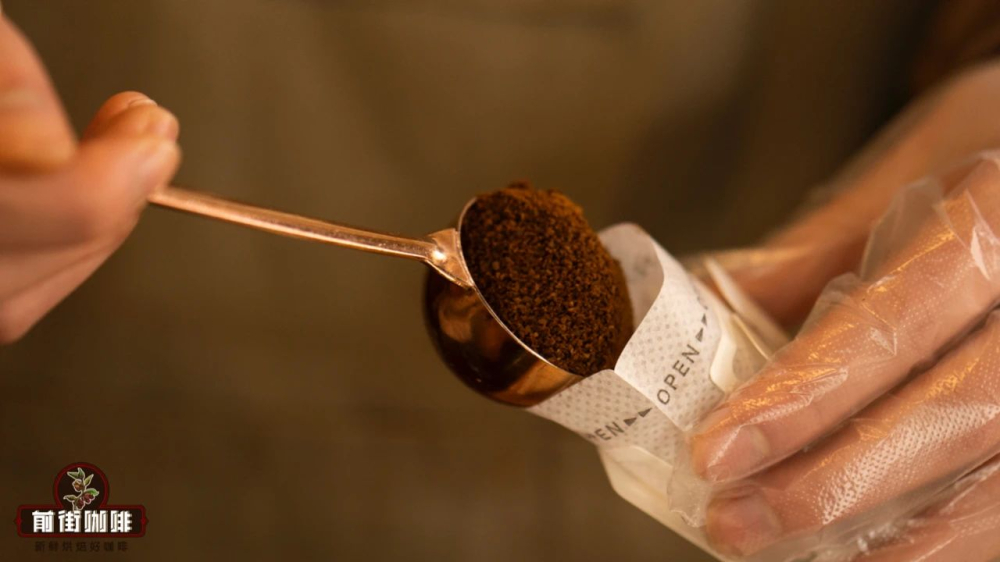
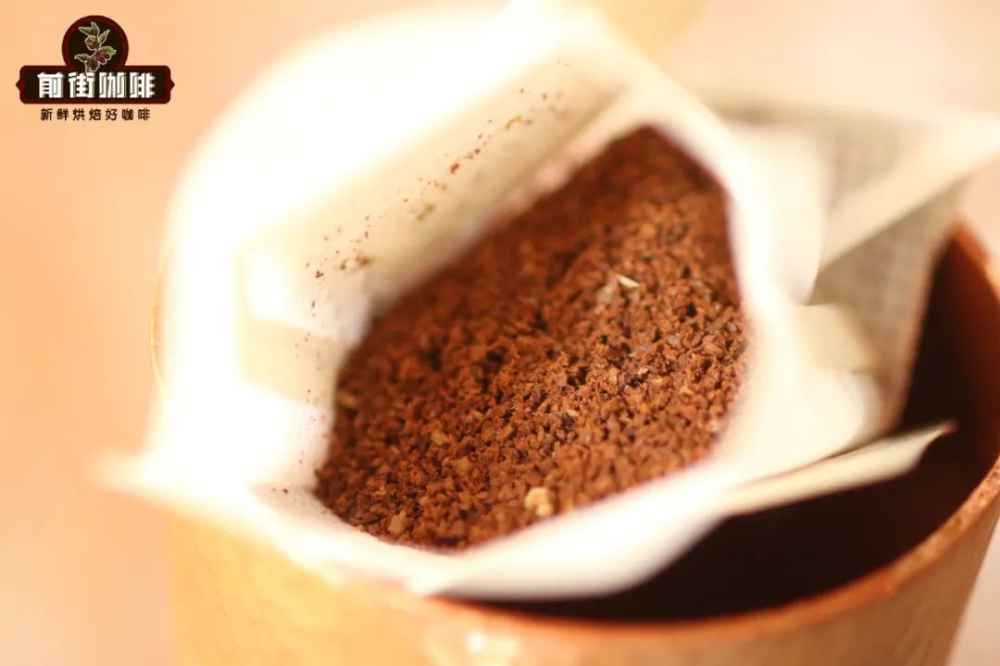
To brew an ideal cup of drip coffee, understanding the basic extraction parameters is crucial. It is generally recommended to use a medium-fine grind, similar in texture to granulated sugar, which helps balance extraction efficiency and flavor smoothness. In terms of water temperature, light roast beans are suitable for 90–92°C, which can bring out more acidity and aroma; dark roast beans, on the other hand, are recommended to be brewed at around 88°C to avoid the burnt bitterness caused by over-extraction. In practice, you can let boiled water sit for about 1 to 2 minutes to let the temperature drop slightly to the desired range.
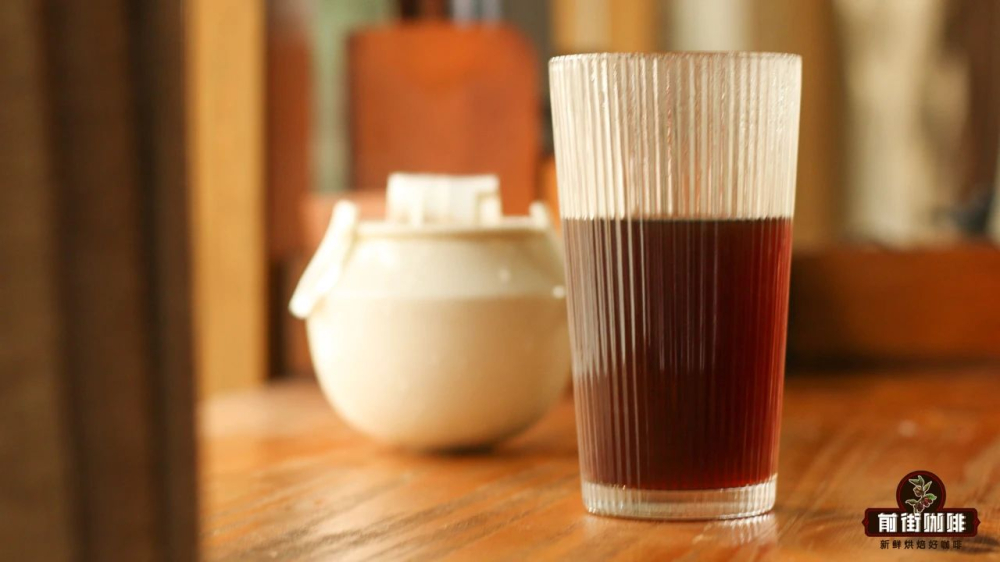
The standard drip brewing process can be divided into the following steps: First, warm the cup to help maintain coffee temperature and flavor consistency; next, shake the coffee powder inside the drip bag to avoid uneven pouring when opening; after tearing off the seal, unfold and hang the two sides of the drip bag evenly over the rim of the cup. During the pre-wetting stage, it is recommended to pour just enough water to saturate the coffee grounds, let it sit for about 20 seconds to allow the coffee to fully absorb water and expand—this step helps improve the uniformity of subsequent extraction. Finally, use a steady thin stream of water to pour, with a total extraction volume recommended to be controlled between 150–180cc. Once brewing is complete, you can enjoy it directly and adjust brewing time and water temperature according to your personal taste preferences to find the flavor profile that suits you best.
The above content is compiled by CoffeeHunters, a coffee news website.


