







Introduction:Learn about the complete processing journey of sun-dried coffee beans from the Yirgacheffe and Guji-Hambella regions of Ethiopia—from harvest to storage—and gain an in-depth comparison of the advantages and limitations of the natural (sun-dried) method. This article details every step of sun-drying, including how weather affects flavor, and through real case studies, analyzes the unique flavor profiles of two well-known natural beans—Red Cherry and Huakui. It also provides practical brewing parameters for a V60 using medium-light roasts to help you master optimal extraction.
The natural processing method is a traditional technique where the entire coffee cherry, including its fruit flesh, is left to dry naturally under the sun. This method relies heavily on stable weather conditions and has a direct impact on the final quality of the coffee beans. Compared to washed and honey processes, the natural method can more fully present the inherent characteristics of the coffee variety, delivering a richer body, more intense aromas, and unique fermented sweetness.
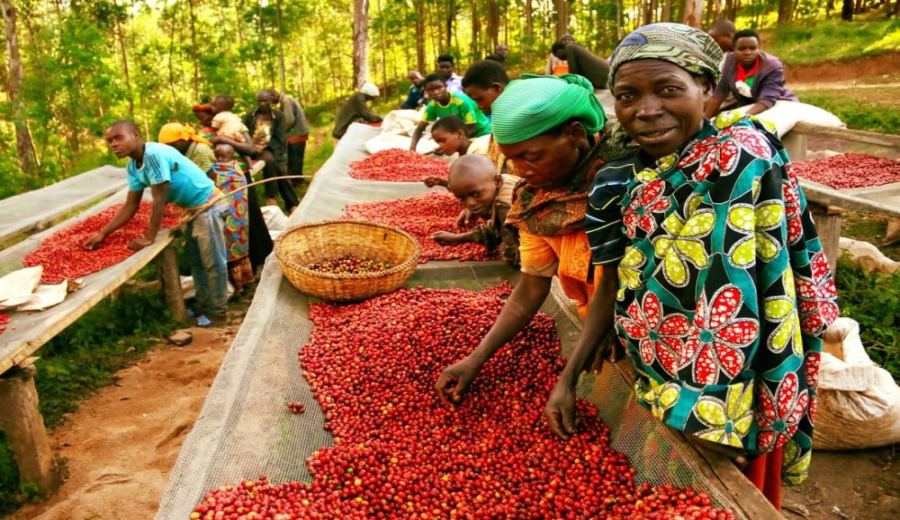
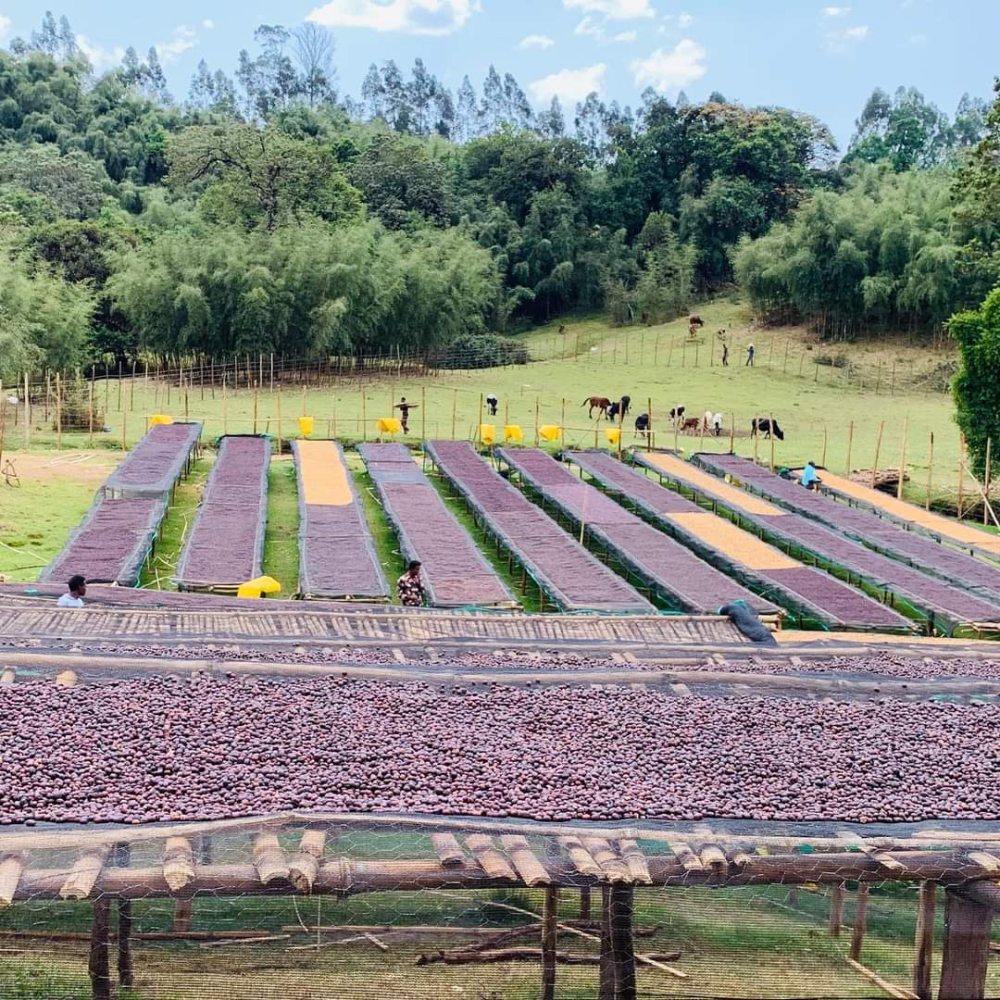
In terms of the processing workflow, the natural method is mainly divided into several key steps: the first beingsorting and screening, where unripe, overripe, insect-damaged cherries, and impurities are all removed, leaving only high-quality coffee cherries. This is followed by thedrying stage, which typically takes three to four weeks. During this period, the coffee fruits are evenly spread out on drying beds, which can be waterproof tarps, raised beds, or cement surfaces. The goal is to steadily reduce the moisture content to11%. Different regions will choose different drying methods and auxiliary tools based on their climate and available resources.
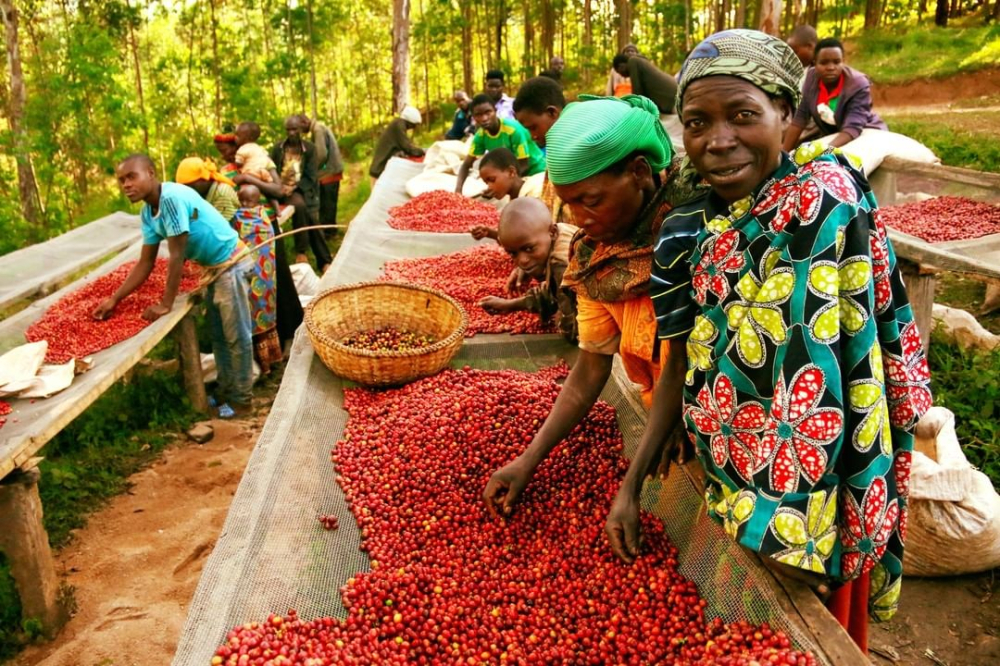
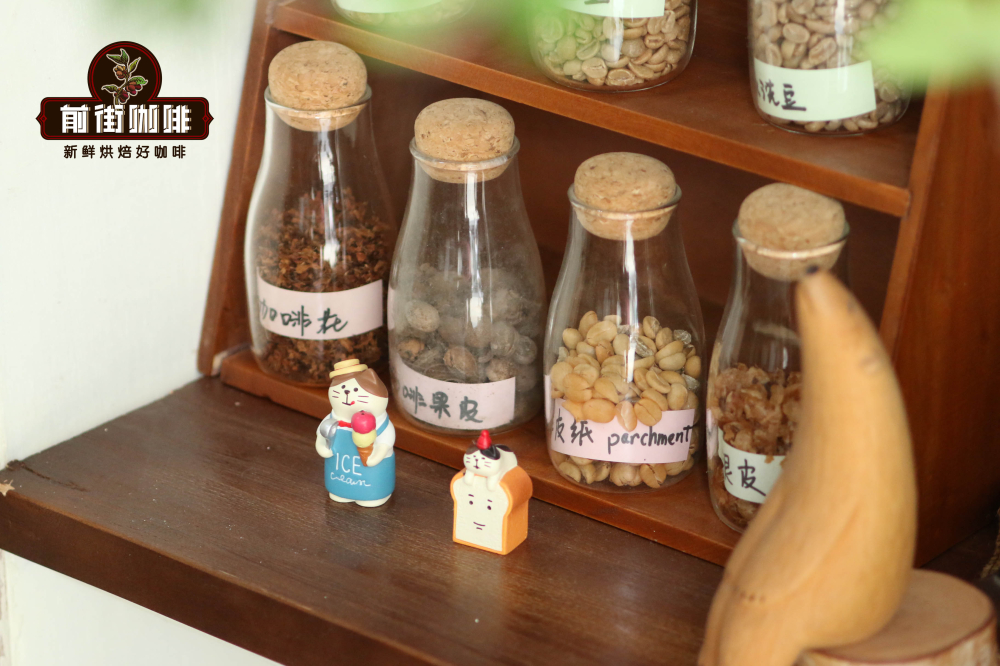
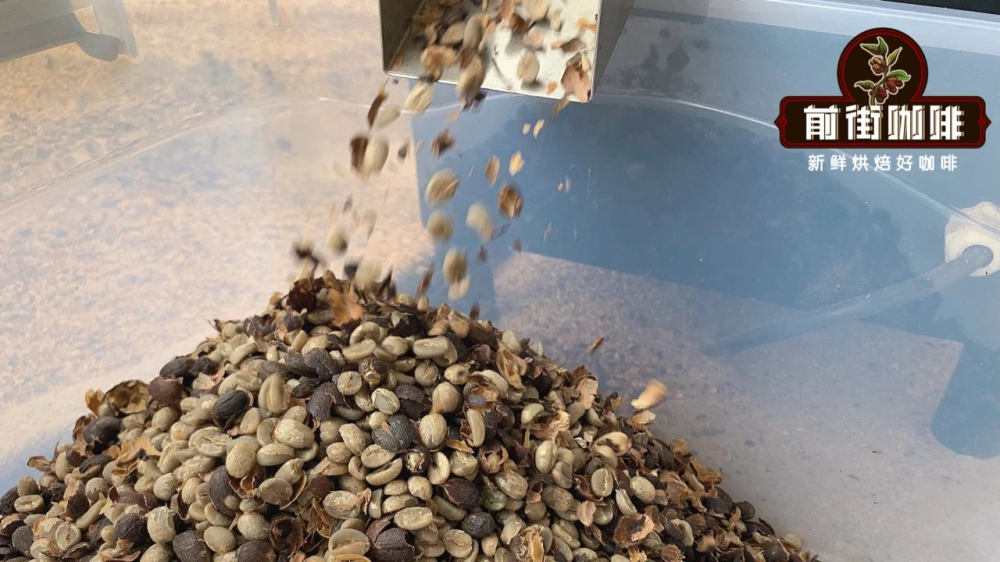
Once drying is complete, the coffee fruits are sent to a processing facility forpulp and mucilage removal. Sometimes polishing is also performed to improve appearance and shelf life. Finally, after another round of sorting and screening to eliminate unevenly dried or poorly appearing green beans, the beans are properly stored to ensure flavor stability. This stage of screening also reflects the quality of the earlier drying process: insufficient drying can lead to excessively high moisture content in the beans, making them prone to mold; over-drying makes the beans fragile, producing too many chaffs during hulling.
The greatest advantage of the natural processing method lies inwater conservation. Aside from the initial impurity screening, which may require a small amount of clean water, nearly no water is used in the rest of the process, making it especially suitable for regions with scarce water resources. Additionally, because the fruit flesh is not removed immediately, the coffee beans slowly ferment within the pulp layer, allowing for the accumulation of richer sweetness and complex flavors. This has led many high-quality farms to increasingly focus on this method, improving drying environments and selection processes to produce premium natural beans.
However, the natural method also has clearlimitations and challenges. Since it relies entirely on weather, if it encounters rainy or humid conditions, controlling the speed and evenness of drying becomes difficult, greatly increasing the risk of over-fermentation, mold, or off-flavors. Moreover, the cleanliness of the drying area directly impacts final quality—if the environment is messy, foreign objects or impurities can easily mix in. For these reasons, many believe that sun-dried coffees are generally harder to match the consistency and grade levels of washed beans.
When it comes to the flavor characteristics of natural coffee, its most notable feature is itsrich and layered profile. Because the coffee beans mature naturally within the fruit with minimal external interference, they often exhibit pronounced fermented wine-like aromas, sweetness, and fruity notes such as citrus, berries, honey, and even chocolate. Compared to the clean and bright profile of washed beans, natural beans tend to display a more bold, complex, and distinctive flavor spectrum.
Taking Ethiopia’s two renowned regions—YirgacheffeandGuji-Hambellaas examples, the natural beans from these two areas, despite belonging to the same country, each showcase distinctly different characteristics. The natural Red Cherry beans from Yirgacheffe, grown at high altitudes of1700–2200 meters, use local heirloom varieties and the natural processing method. Their flavor is anchored by a fermented wine-like aroma, blended with the bright acidity of citrus, honey-like sweetness, and a soft cocoa finish, resulting in a long and layered aftertaste. Meanwhile, the natural Huakui beans from Guji-Hambella, grown at an altitude of2350 meters, also use heirloom varieties and the natural process, but present a more pronounced citrus acidity paired with an intense blackcurrant-like fruitiness, a tea-like note reminiscent of lemon black tea, and a lasting sweetness. Their profile is bold and highly recognizable.
For these medium-light roasted natural beans, when using a pour over method, it is recommended to use a V60 cone dripperto fully highlight their nuanced flavors. Suggested optimal brewing parameters are as follows: set the water temperature to90-91°C[temperature value placeholder], which helps bring out the aromas of tropical fruits and bright acidity; the recommended powder-to-water ratio is1:15[ratio placeholder], with about15 gramsof coffee, ground to a fineness similar togranulated sugar (approximately 80% through a #20 sieve). In practice, start by pouring30 grams of water for a 30-second bloom, then pour95 grams of water (for a total of around 125 grams)over about1 minute; when the water level drops to two-thirds of the coffee bed, pour another100 grams of water (for a total of around 225 grams), aiming to complete the full extraction in about2 minutes and 4 secondsto achieve the best balance of flavor and richness.
In summary, although the natural processing method faces challenges related to weather and quality control, it is capable of delivering unparalleled depth and uniqueness of flavor. It is especially well-suited for coffee enthusiasts seeking rich textures and distinctive profiles. Whether it's the winey citrus notes of Yirgacheffe or the bold fruity sweetness of Guji-Hambella, these natural beans showcase the diverse potential of Ethiopian coffee—and are essential flavor experiences not to be missed in the world of specialty coffee.
The above content is compiled by CoffeeHunters, a coffee news website.


