







Category: Coffee Knowledge

In-Depth Analysis of Bolivian Java Coffee: From Regional Terroir to Cocoa Sun-Dried Processing
Although surrounded by two major coffee-producing powerhouses, Bolivia has developed a unique “low-altitude” coffee cultivation route due to its distinctive geographical environment. This article takes you on a journey through the Yungas and Caranavi regions, analyzing how the local climate and micro-environments influence coffee flavor profiles. It also spotlights a specialty coffee bean from the Vallecito Estate, which uses the Java variety and an innovative cocoa sun-dried processing method. In addition to a detailed introduction to its processing workflow and roasting curve, it provides practical V60 brewing parameters and cupping notes. [more…]

Analysis of the Four Core Principles of Blended Coffee Beans and Their Differences from Pour Over Single-Origin Beans
What are the differences between blended coffee and single-origin coffee in terms of flavor, production process, and usage? This article delves into the four key principles of blended coffee beans: defining the blending purpose, setting target flavor profiles, choosing between pre-roast or post-roast blending methods, and precisely controlling blending ratios. It also illustrates, through practical examples, how to combine coffee beans from different origins and processing methods to create a distinctive flavor profile. Additionally, it provides useful extraction parameters for both pour over single-origin beans and espresso blends to help you gain a more comprehensive understanding of coffee. [more…]
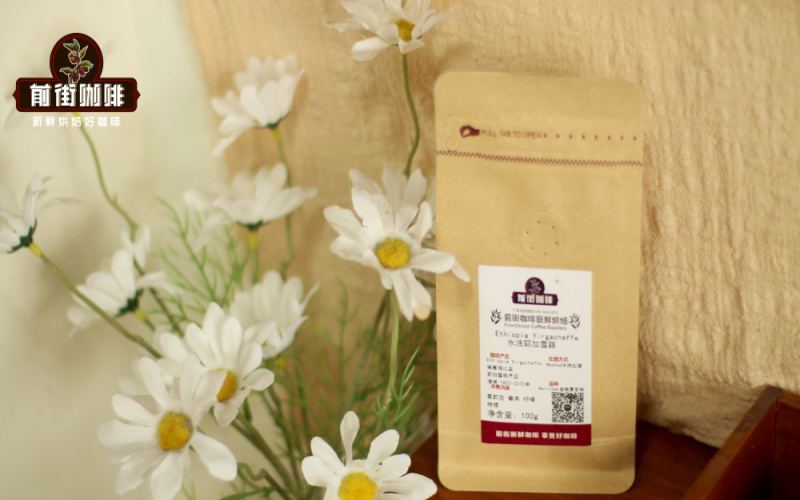
How to choose between washed and natural Yirgacheffe? Understand everything from processing methods to brewing flavors in one go
Yirgacheffe is the top choice for many beginners in specialty coffee. Its washed and natural processing methods create distinctly different flavor profiles. The washed version is known for its bright acidity and high clarity, while the natural version showcases rich sweetness and layered fruity notes. This article delves into the regional backgrounds, processing differences, key points for identifying green beans, and offers practical roasting and pour-over brewing advice to help you find your perfect match. [more…]
Exploring Brazil’s Specialty Coffee Regions: A Complete Guide to Brewing and Roasting Natural Semi-Washed Beans from Cerrado and South Minas
This article delves into two renowned Brazilian specialty coffee regions—Cerrado and South Minas. It covers everything from regional terroir and coffee varieties to the characteristics of the natural semi-washed processing method, along with practical roasting profiles and pour over parameters. You’ll learn how to extract the nutty, chocolatey flavors and rich body these beans are known for. Whether you’re a beginner or an advanced coffee enthusiast, you’ll find useful guidance on roasting and brewing. [more…]
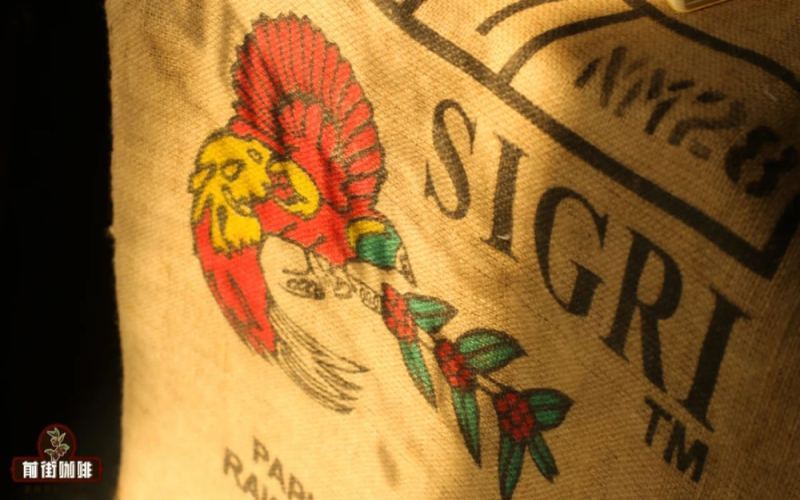
Papua New Guinea Bird of Paradise Coffee Beans: Washed Typica Flavor Profile & Pour Over Brewing Guide
Hailing from Papua New Guinea in the South Pacific, Bird of Paradise coffee is hailed as the "Little Blue Mountain" for its clean, bright floral-fruity notes and well-balanced profile. This article delves into the origin background, processing method, roast curve, and pour over extraction parameters of this washed Typica coffee, guiding you to brew its optimal flavors and master its unique aromatic layers. [more…]
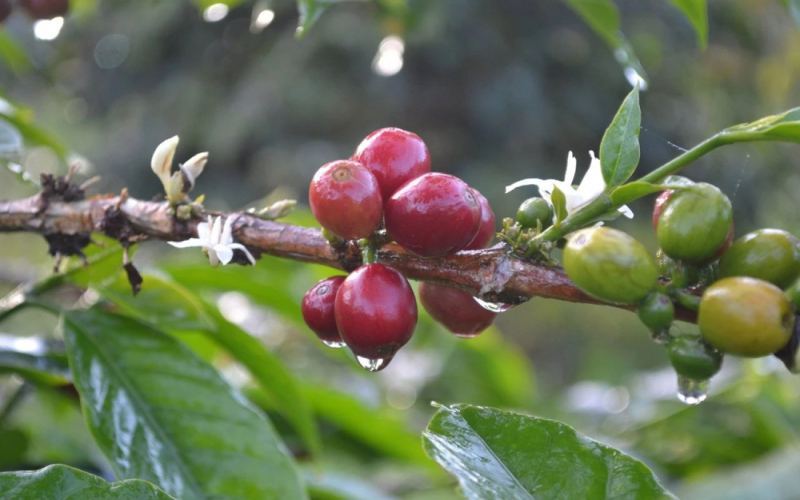
A Complete Guide to Toraja Coffee from Sulawesi, Indonesia: The Elegant Floral Notes and Flavor Characteristics of a Rare Micro-Region
Toraja coffee from Sulawesi Island stands in stark contrast to the bold, spicy flavors commonly associated with Indonesian coffees. It showcases bright acidity and delicate floral notes, making it a highly promising specialty coffee bean. This article will delve into the Toraja people, the high-altitude growing environment, the characteristics of the semi-washed processing method, as well as three renowned regional farms. It also provides practical pour over parameters and roasting recommendations to help you gain a more comprehensive understanding of this uniquely flavored coffee. [more…]
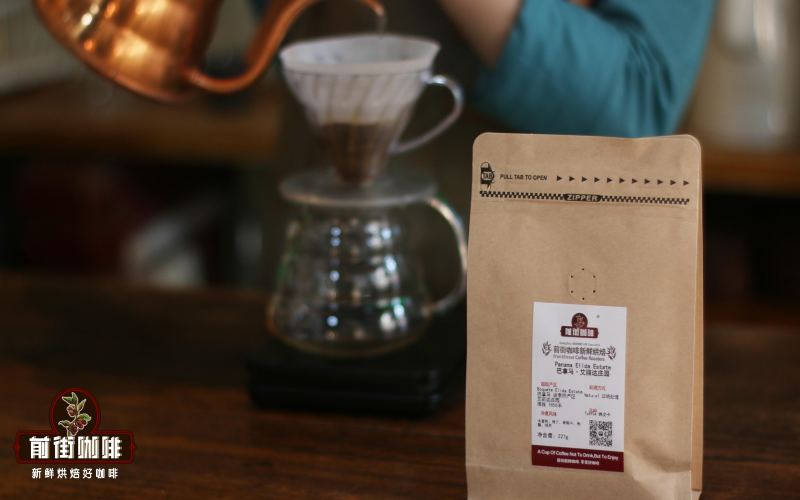
Panama Elida Estate Natural Typica: In-depth Analysis of Region, Processing, and Flavor Profile, with Pour Over Recommendations
Beyond the renowned Geisha from Hacienda Esmeralda in Panama, there are many other specialty coffee regions and estates worth exploring. This article focuses on Elida Estate in the high-altitude Boquete region, offering an in-depth look at its naturally processed Typica variety. We’ll explore everything from the microclimate of the region, the characteristics of the cultivar, the processing methods, to the cupping flavors, and provide practical pour over parameters to help you understand this classic coffee bean that delivers notes of peach, raisin, and sugarcane sweetness. [more…]

How to brew Panama Hua Hudie Geisha Blend? A complete guide to variety, processing, and V60 pour over parameters
Panama Hua Hudie coffee beans combine three major varieties—Geisha, Caturra, and Catuai—processed with washed method to bring out delicate floral aromas and citrus acidity. This article delves into its regional terroir, varietal characteristics, and processing techniques, while providing practical roasting profiles and V60 pour over recommendations. From cupping flavors to actual brewing tips, it helps you fully grasp the essence of this popular blend. [more…]
Jamaica Blue Mountain Sun-Dried Edition Makes Its First Debut!A Full Breakdown of the Flavor Differences Between Washed and Sun-Dried
Jamaica Blue Mountain coffee has long been renowned for its washed processing method, but in 2020, it made its first debut with a sun-dried version, completely redefining traditional perceptions. This article delves into the growing conditions, export regulations, and variety characteristics of Blue Mountain coffee, and provides a comprehensive comparison of the actual differences between washed and sun-dried Blue Mountain coffee—from green bean appearance, roast profiles, brewing recommendations to flavor profiles—helping you grasp the diverse facets and brewing tips of this top-tier coffee. [more…]
A Complete Guide to Ethiopia's First COE Winning Beans: Sidamo Region Flavors, Natural Processing & Pour Over Tips
In 2020, Ethiopia held its first COE (Cup of Excellence) competition, where 28 specialty coffees scoring above 87 points stood out, including 3 that surpassed 90 points — all from the Sidamo region. This article provides an in-depth analysis of the winning bean varieties, regional distribution, processing methods, and auction details from the inaugural COE. It also uses a naturally processed Typica from the West Arsi area as an example, offering practical roasting profiles, cupping insights, and pour over parameters to help coffee enthusiasts grasp the unique charm of Ethiopian coffee. [more…]
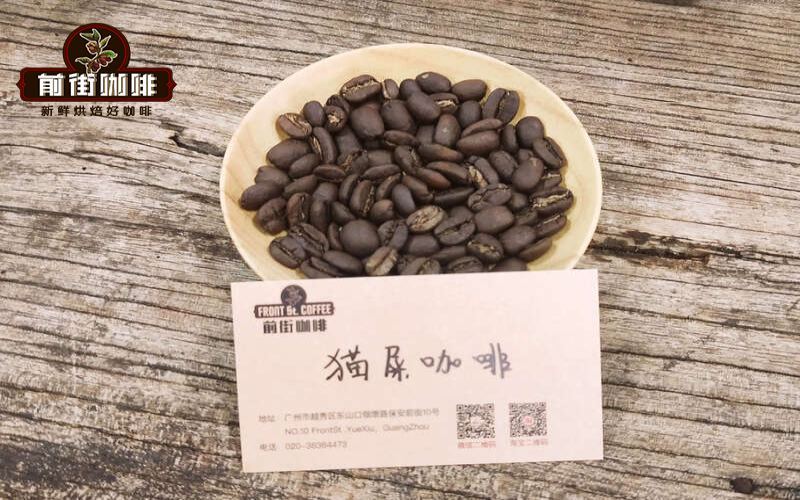
Flavor Analysis and Brewing Techniques of Indonesian Civet Coffee: From Natural Processing to Home Pour Over
Civet coffee (Kopi Luwak), with its unique "internal fermentation" processing method, is highly controversial yet fascinates countless coffee enthusiasts. This article delves into how the civet’s natural habits and digestive system influence the flavor of the coffee, breaks down the reasons behind its high price, and provides practical roasting and pour over parameters to help you understand this legendary coffee bean from Sumatra, Indonesia, and make smarter choices. [more…]
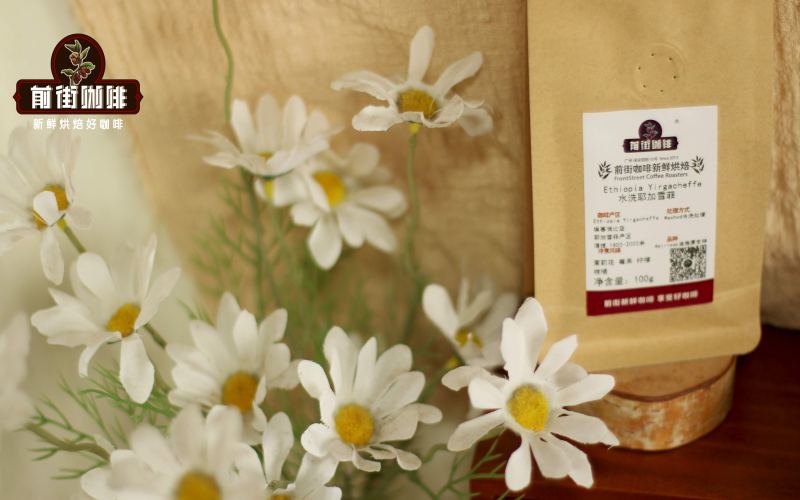
Comparison of Coffee Bean Flavors from Ethiopia’s Three Major Regions | Yirgacheffe, Guji & West Arsi Pour Over Parameters & Characteristics
Want to understand how the coffee beans from Ethiopia’s three renowned regions—Yirgacheffe, Guji, and West Arsi—differ? This article delves into the terroir, processing method variations, and actual cupping flavors of these three areas. Through the green bean characteristics, roasting profiles, and pour over recommendations of Huakui 4.0 and West Arsi beans, it helps you master the brewing methods best suited for each and discover your favorite premium Ethiopian beans. [more…]
Flavor Profile of Costa Rica Baha Coffee Beans & Best V60 Pour Over Parameters Tutorial
This article provides an in-depth analysis of the Baha coffee beans from Canet Estate in the Tarrazú region of Costa Rica, exploring how their unique raisin honey processing method imparts rich dried fruit aromas and layered fermentation notes. From the cultivation environment at 1,980 meters above sea level, the characteristics of the Caturra and Catuaí varieties, to the flavor presentation of medium roast, it also offers detailed V60 pour over parameters and steps to help coffee enthusiasts fully master the brewing essentials and flavor profile of this premium bean. [more…]
Papua New Guinea Bird of Paradise Typica Coffee Beans: Little Blue Mountain Flavor, Planting History & Pour Over Brewing Guide
Papua New Guinean coffee is often referred to as the "Little Blue Mountain," mainly because its Typica variety originates from Jamaica's Blue Mountain and has developed a unique flavor profile—bright acidity and rich floral notes—thanks to the high-altitude island environment. This article provides an in-depth look at the country’s coffee-growing regions, historical development, grading system, and two representative estates, along with professional roasting profiles, cupping comparisons, and practical three-stage pour over parameters to help you better understand this specialty coffee with Blue Mountain lineage yet a more pronounced fruity-floral character. [more…]
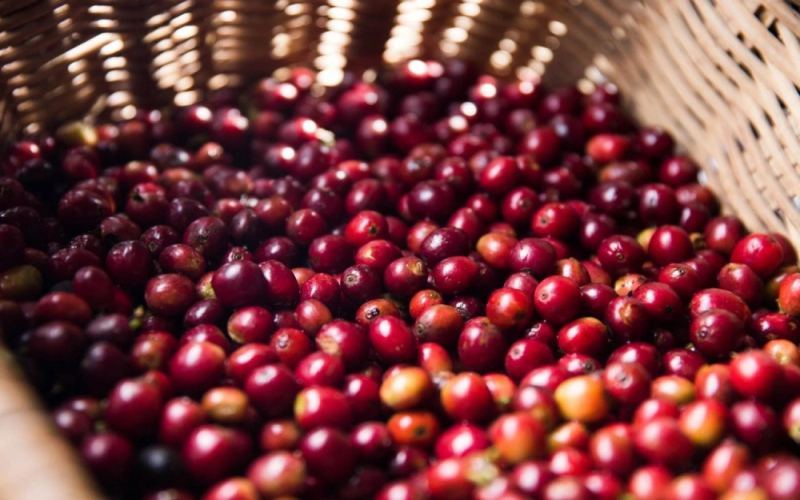
Asia Specialty Coffee Regions Flavor Guide: Brewing Parameters & Characteristics of Indonesia, Yunnan, and PNG
The Asia-Pacific coffee regions are renowned for their rich and full-bodied flavors, standing in contrast to the bright fruit acidity of Africa and the nutty, chocolatey notes of the Americas. These regions serve as essential bases for many espresso blends. This article delves into representative origins such as Indonesia’s Mandheling, China’s Yunnan small-bean variety, and Papua New Guinea’s Bird of Paradise. From varietals and processing methods to optimal brewing techniques, it provides practical pour over and brewing parameters paired with detailed flavor profiles to help coffee enthusiasts fully grasp the characteristics of Asian beans. [more…]
Complete Guide to Jamaican Blue Mountain Coffee: Washed and Natural Processing at Clifton Estate, Roasting and Pour Over Parameters
Jamaican Blue Mountain coffee is hailed as one of the world’s top-tier coffees, yet its true origin and processing methods remain little known. This article delves into Clifton Estate, a key producing region for Blue Mountain coffee, exploring the craftsmanship behind its washed and natural processing methods, and detailing the ideal roasting profiles and pour over recommendations suited for this bean variety—helping coffee enthusiasts gain a fuller understanding of the unique flavors and brewing techniques of this legendary coffee. [more…]
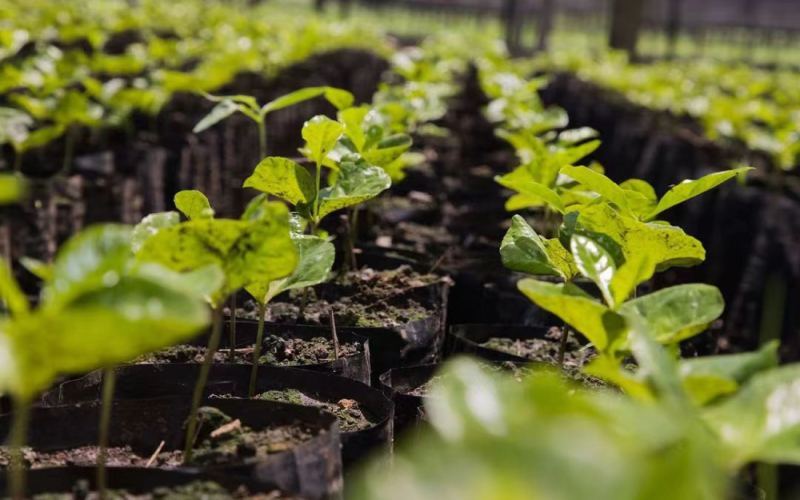
Flavor Analysis of El Salvador’s Nine Major Coffee Regions: Characteristics of Coffee Grown in Volcanic Soil and Roasting Practices
Delve into El Salvador, a Central American coffee origin renowned for its volcanic soil, and explore the unique flavor profiles and main cultivars of its nine major regions. This article analyzes everything from historical background and regional characteristics to varietal evolution, and details how roasters adjust roast curves and pour over brewing approaches for representative beans such as "Santa Ana Chocolate Lover." It offers practical insights for enthusiasts seeking a deeper understanding of Salvadoran coffee. [more…]

A Complete Guide to Ethiopia Gesha Village Gold Label: Origin, Grading & Pour Over Flavor Profile
From Ethiopia’s native Gesha to an international auction star—this article dives deep into the five-tier grading system of Gesha Village Estate. It details the unique flavor characteristics of Gold Label, Red Label, and other batches, unveils key steps in the natural processing method, and offers professional cupping data along with recommended pour over parameter adjustments to help you precisely capture the layered charm of this legendary coffee. [more…]
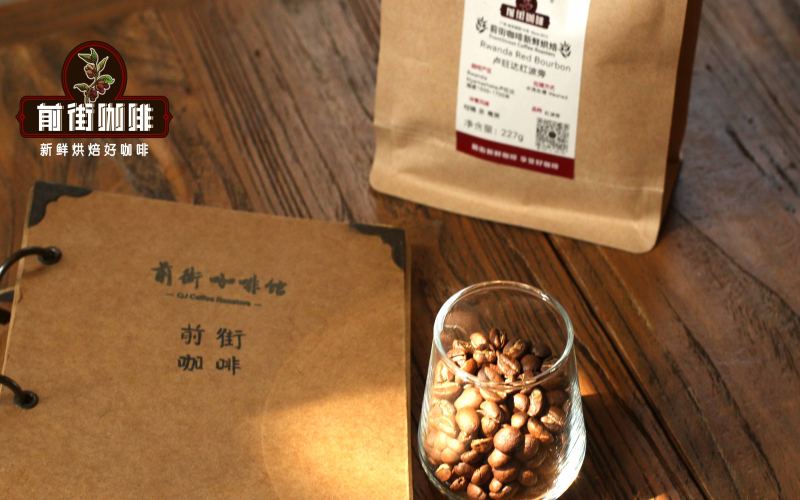
How to Brew Rwandan Coffee Beans? A Complete Guide to Washed Bourbon Flavor and Processing Methods
Rwandan coffee is cultivated in high-altitude volcanic soils, yielding unique floral and fruity characteristics. The washed processing method highlights its bright acidity and lingering black tea finish. This article delves into the region’s distinct features, varietal genetics, and the processing techniques of the Gesheke washing station, while also providing tested roasting profiles and pour over parameters to help you master the brewing essentials of this African specialty bean. [more…]
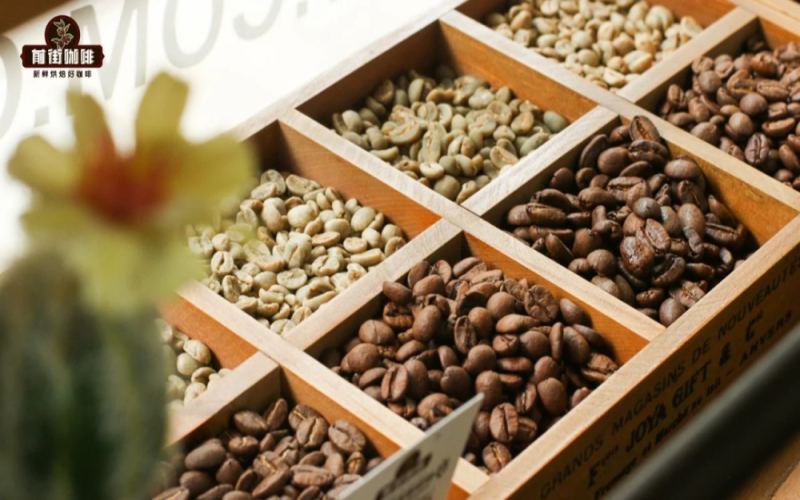
Complete Guide to Rwanda’s Coffee Industry: Exploring Bourbon Varieties, Washed Processing, and Flavor Profiles
As a landlocked African country, how has Rwanda’s coffee industry transformed from producing low-quality beans during the colonial era to becoming a key source of specialty coffee today? This article delves into the development journey of Rwanda’s coffee, its major growing regions, the characteristics of the Bourbon variety, and the washed processing method. It also offers practical roasting and pour over parameters to help you fully understand this uniquely flavorful African coffee. [more…]