








Introduction:To brew a balanced and rich espresso, choosing the right blend is key. This article delves into the definition and characteristics of espresso blends, compares the differences and applicable scenarios between green blending and roasted blending, and provides a detailed introduction to four recommended medium-roast blends, including their formulation ratios, roasting methods, and flavor profiles. It aims to help baristas and enthusiasts master professional blending techniques and bean selection essentials.
A high-quality espresso must achieve an excellent balance of acidity, sweetness, and body—all of which start with the choice of blend. While single-origin beans can showcase unique characteristics in pour over brewing, they often lack complexity and depth when used for espresso. Therefore, blending beans from different origins in specific proportions has become the mainstream approach to creating stable and expressive espresso blends.
An espresso blend refers to a composite coffee made by mixing two or more beans from different origins, processing methods, or flavor profiles, combined in specific proportions to achieve certain goals (such as espresso, milk coffee, or balanced flavor). In the early days, some roasters mixed different beans simply to mask defects, but today, blending has evolved into a key craft for shaping unique flavors and ensuring year-round supply consistency.

Professional-grade blends can maintain flavor consistency across seasons while delivering a fuller body, richer aromas, and better compatibility with milk. For coffee shops, this not only ensures product stability but also meets customers’ expectations for balanced flavors.
When making espresso blends, the roasting approach can be divided into two main types: green blending and roasted blending. Green blending means mixing unroasted beans from different origins in proportion before roasting them together, while roasted blending involves roasting each origin’s beans individually to their ideal state before blending. Both methods have their pros and cons, suited to different needs and roasting objectives.
The advantage of green blending is that all beans are roasted together in the same batch, resulting in greater consistency in roast level and relatively stable flavor expression. However, it’s important to note that the beans being blended should not differ too much in size, density, or processing method, as this could lead to uneven roasting. Roasted blending, on the other hand, allows for the design of the most suitable roasting curve for each bean, fully bringing out the unique flavor characteristics of each origin, but the overall consistency after blending relies on the roaster’s experience and blending skill.
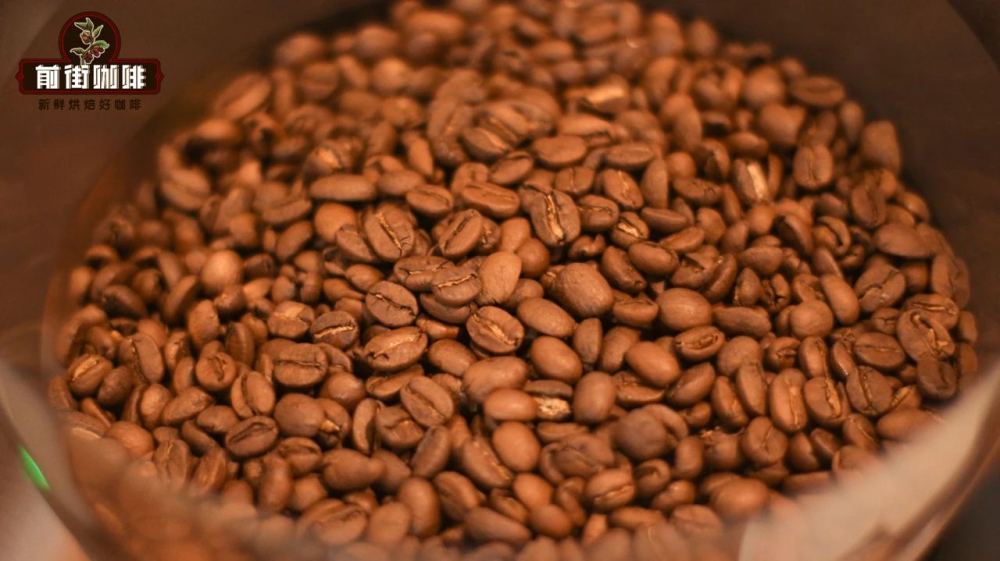
Generally speaking, if simplicity and batch consistency are the priorities, many roasters opt for the green blending method—mixing before roasting. But if the goal is to highlight the individuality of each bean, or if certain beans respond very differently to roasting, then roasted blending may be the more suitable choice. Regardless of the method chosen, the ultimate goal is to create a blend that is flavor-balanced, layered, and fit for its intended use (such as espresso, milk coffee, or an all-rounder).
Below are four commonly available and well-rated medium-roast espresso blends on the market, covering different flavor profiles and purposes, suitable for coffee shops or advanced enthusiasts to explore and try.
Sunflower Warm Sun: Made with Honduran Sherry and Ethiopian Yirgacheffe Red Cherry (sun-dried), in a 7:3 ratio, this is a roasted blend. This blend excels in bright fruit acidity, with subtle berry aromas, noticeable winey and chocolatey finishes, and a smooth aftertaste. The Sherry beans provide a rich whiskey-like aroma and cocoa nib-like notes, while the sun-dried Red Cherry adds fermented layers and berry tones. Suitable for small-batch use or shops seeking distinctive flavors, recommended to purchase in half-pound packages.
Premium Blend: Composed of Colombian and Brazilian beans in a 3:7 ratio, also a roasted blend. Its flavor profile focuses on a balanced bitterness and sweetness, with a smooth mouthfeel, carrying slight grassy notes, and an overall refreshing taste with a comfortable aftertaste. The Colombian Huila beans contribute pleasant acidity and rich sweetness, while Brazilian Cerrado delivers body and silkiness. This blend is suitable for most specialty coffee shops as a daily espresso or milk coffee base.
Commercial Blend: A mix of Colombian, Brazilian, and a small amount of Robusta in a 3:6:1 ratio, processed via green blending. Its flavor features a classic caramel sweetness, paired with aromas of nuts, cocoa, and dark chocolate, offering a harmonious sweet-and-acid balance and a long-lasting aftertaste. The addition of Robusta enhances the overall crema, body, and richness, making it suitable for coffee shops and beverage stores of all sizes. It offers high cost-performance and excellent stability.
Black Cocoa Blend: Consists of Yunnan AA and Brazilian beans in a 3:7 ratio, a roasted blend widely recommended by baristas for use with the moka pot. Its flavors are dominated by soft fruit acidity, caramel sweetness, and rich nutty dark chocolate, with a smooth mouthfeel and moderate viscosity, presenting an overall mild profile. The Yunnan beans have flavors similar to Colombian beans, offering a high-altitude character with body and fruity notes, paired with the smoothness of Brazilian beans. Suitable for small coffee shops, bakeries, or beverage shops that prioritize flavor balance.

The above content is compiled by CoffeeHunters, a coffee news website.


