







Introduction:Want to understand what makes Bolivian coffee unique? This article delves into the geographical conditions of the Yungas region, the origins of the Java variety, and the innovative cocoa sun-drying processing method, while also providing practical brewing parameters and flavor analysis to help you better appreciate the charm of this niche specialty coffee.
In the global specialty coffee market, Bolivian coffee may not be as well-known as other producing regions in Central and South America, but its unique high-altitude environment and challenging transportation conditions have given rise to distinctive, layered flavors. As the country’s primary source of specialty coffee, the Yungas region features an elevation range of 1,500 to 2,500 meters for cultivation, along with fertile soil that boasts diverse microclimates, resulting in coffee profiles that differ greatly from those of other regions. This article will explore the characteristics of the region, the story behind the Java variety, and the cocoa sun-drying processing method introduced by the Vallecito Estate, as well as share practical roasting and pour-over recommendations.
The reason Bolivian coffee remains relatively niche in the specialty market is largely due to its high-altitude cultivation environment and limited production. Since most plantations are located in mountainous areas, harvested coffee cherries must endure over ten hours of rough transport down steep mountain roads to lower-altitude processing facilities. During this journey, delays can easily lead to fermentation or spoilage, and the treacherous roads add further risks to transportation. Precisely because of these challenges, only a relatively small amount of coffee cherries arrive at processing facilities in good condition—but this also helps preserve their unique flavor potential. It is understood that Bolivian coffee from high altitudes typically exhibits deep, rich sweetness, soft acidity, and complex layers of black fruit and berries, while beans from slightly lower elevations often present balanced flavors, intense chocolate notes, mild acidity, and a finish reminiscent of malt and dried fruits.
Located in the heart of South America, Bolivia borders the globally renowned coffee-producing countries of Brazil and Peru to the north. Known as a true “land of high mountains,” its capital La Paz sits at an altitude of 3,660 meters—even cold-resistant Arabica varieties struggle to survive in such frigid highlands. The Yungas region in northeastern Bolivia lies on the eastern foothills of the Andes, west of La Paz, at an elevation of approximately 1,500 to 2,500 meters, with an average annual temperature of around 10–15°C. Not only does it have climatic conditions suitable for coffee cultivation, but its diverse microclimates and fertile soils also make it the country’s most important specialty coffee-producing area.
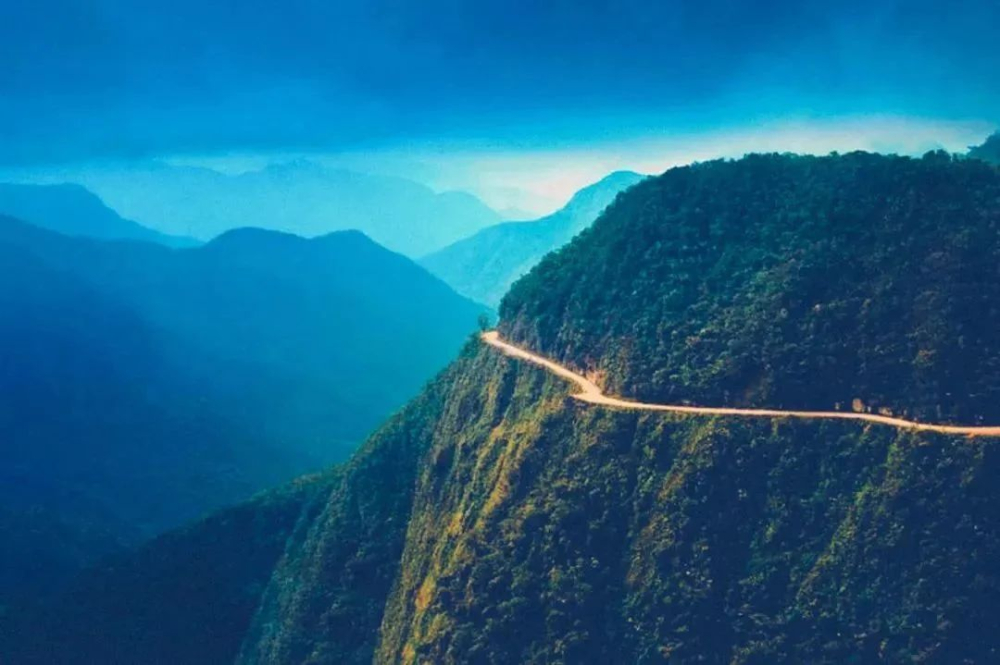
Not only is the terrain of Yungas rugged, but transportation is also extremely difficult. The roads leading to the region are perilous and known as the “Death Road,” which not only affects the timely processing of coffee cherries but also limits the development of local infrastructure. Due to the lack of large-scale washed processing equipment, farmers must risk transporting ripe coffee cherries to higher-altitude La Paz for post-harvest processing. This bumpy and dangerous journey often leads to premature fermentation or spoilage of the cherries, ultimately affecting the final flavor. Yet despite these challenges, Yungas continues to produce specialty coffee with uniquely distinctive flavors, thanks to its exceptional geographical and climatic conditions.
The Bolivian coffee beans introduced in this article come from the Vallecito Estate in the La Paz region, cultivated at an altitude of about 1,600 meters, using the innovative “cocoa sun-drying processing method” and the rare Java variety. Although Bolivia also grows varieties like Caturra, the local focus is on Typica, and the Java variety is referred to by locals as “long beans” due to its slender appearance. In fact, the Java variety originated in the primeval forests of Ethiopia, later spread to Indonesia via Yemen, and was named there. It was once mistakenly thought to be a variant of Typica, but genetic research has confirmed that its true origin is the Abysinia variety of Ethiopia, with a unique genetic lineage.
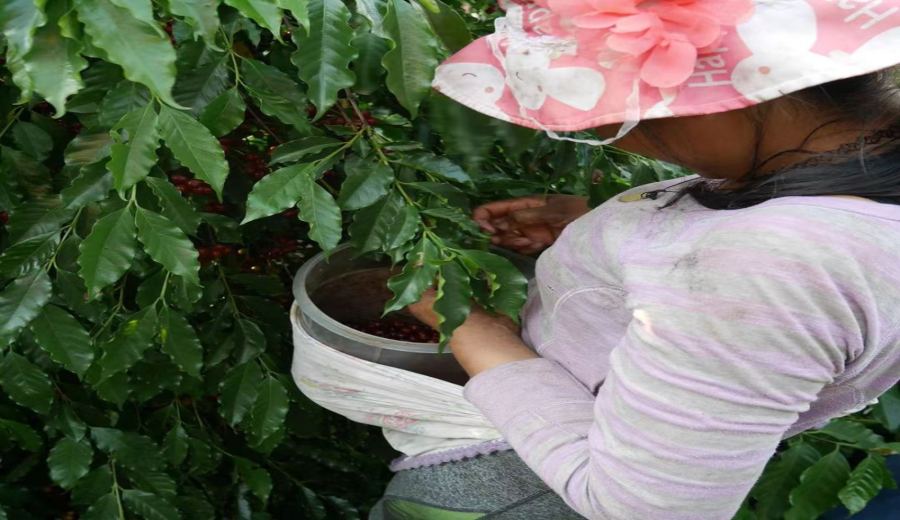
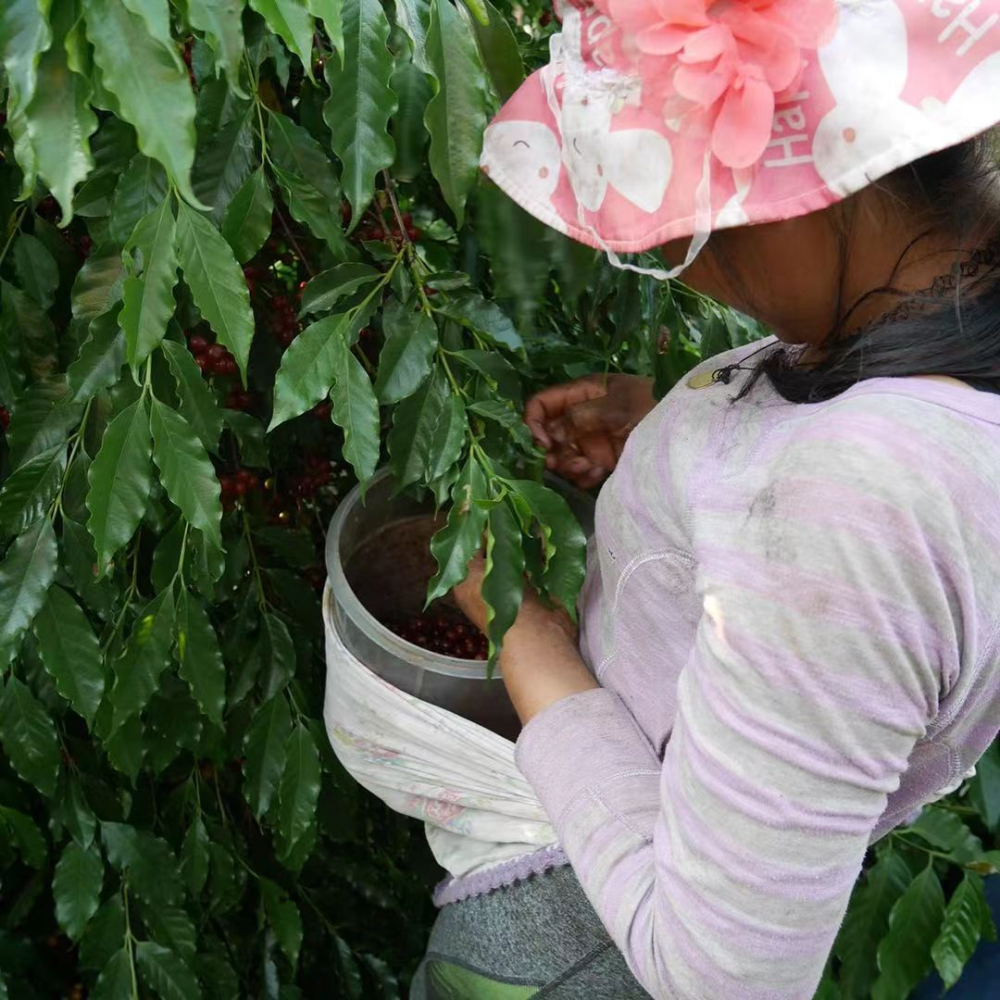
The cocoa sun-drying processing method used by the Vallecito Estate is an innovative technique developed specifically for Bolivia’s cold climate. During harvest season, the estate employs trained pickers who carefully select only fully ripe coffee cherries, harvesting them in batches to ensure optimal ripeness. The harvested cherries are first loaded into crates to prevent damage and maintain ventilation, preventing early fermentation. After cleaning, the cherries are placed on raised African beds and turned regularly for about a week. They are then transferred to low-temperature dryers originally used for cocoa beans, where they are dried in a stable and slow manner to minimize the impact of weather fluctuations on quality. Once dried, the beans are sent to La Paz for resting, and then undergo professional hulling and manual sorting at the La Luna drying facility under Agricafe to ensure each bean meets specialty standards.
For this Java variety processed with the cocoa sun-drying method, recommended roast levels range from light to medium and even dark. Dark roasting brings out rich resinous aromas and wine-like characteristics, while light to medium roasts better highlight bright berry acidity and sweet nutty or almond tones. For this particular batch, a medium-light roast was chosen to fully showcase the fermentation complexity brought by cocoa sun-drying, as well as the Java beans’ inherent floral, berry, and nutty flavors.
Brewing recommendations are as follows: control water temperature at 90–91°C, use an EK43s grinder set to 10 (approximately the fineness of granulated sugar), and set the coffee-to-water ratio at 1:15, with about 15 grams of coffee. Pour-over steps: start by pouring 30 grams of water for a 30-second bloom, then pour 95 grams of water (total weight around 125 grams) within about 1 minute; when the water level drops to two-thirds of the coffee bed, pour another 100 grams of water (total weight around 225 grams), completing the pour in about 1 minute and 40 seconds. The total dripping time should be controlled between 1 minute 55 seconds and 2 minutes to complete the extraction.
The resulting brew typically features subtle fermentation notes, grape aroma, delicate nuttiness, and elegant floral tones, with medium acidity and an overall juicy, vibrant mouthfeel—making it a fine specialty coffee worthy of careful savoring.
The above content is compiled by CoffeeHunters, a coffee news website.


