








Introduction:Natural processing is the most original and representative method of coffee bean processing, capable of imparting intense fruity aromas, rich sweetness, and unique fermented flavors to the beans. This article will detail the complete steps of natural processing—from fruit selection and sun drying to subsequent treatments—and analyze its advantages and disadvantages. We will also recommend two classic natural-processed beans to give you an in-depth understanding of the layered, wine-like drinking experience this method offers.
The final flavor profile of coffee beans is inseparable from their processing method. Among these, natural processing stands as the most traditional and historic approach, still holding its place in many coffee-growing regions today. This method relies on ample sunlight and dry climates, using natural means to dehydrate the coffee cherries, thereby influencing the flavor direction of the beans. This article will comprehensively introduce each step of natural processing and dissect its unique flavor characteristics and practical applications.
The first step in the natural processing workflow is the harvesting and initial sorting of the cherries. During the coffee harvest season, farmers carefully inspect each coffee cherry, removing unripe, overripe, damaged, or defective fruits along with any impurities, ensuring that only mature, high-quality cherries proceed to the next stage. Though this step may seem simple, it has a crucial impact on the final flavor, as defective cherries can introduce undesirable off-flavors or fermentation odors.

Once sorted, the coffee cherries are transported to drying areas for prolonged natural drying. Depending on the climatic conditions of different regions, drying methods vary slightly—this might involve raised beds, cement floors covered with tarps, or direct exposure to sunlight. This drying phase typically lasts around three to four weeks, during which the cherries must be regularly turned to ensure even heat distribution. The goal is to reduce the overall moisture content of the entire coffee cherry to11%approximately [a specific percentage, if provided]. Insufficient drying can lead to mold and bacterial growth, while over-drying can make the beans brittle and prone to breakage, affecting subsequent hulling and storage.
After the cherries are fully dried, they enter the pulping and hulling stage. At this point, the outer flesh, mucilage, and parchment-like inner skin are all removed, sometimes followed by additional polishing to enhance appearance. The hulled green beans are then re-sorted to eliminate misshapen, cracked, or unevenly colored beans. This stage also reflects the quality of the previous drying process: over-dried beans are more prone to cracking during processing, while under-dried beans may have excessively high moisture content, affecting shelf life and even leading to storage issues.
The greatest advantage of the natural processing method lies in itslow cost and minimal water usage,making it highly suitable for regions with low rainfall and long sunshine hours. Additionally, because the fruit flesh and mucilage remain in prolonged contact with the seeds during drying, complex fermentation reactions occur, resulting in intense fruity aromas, pronounced sweetness, and a full-bodied mouthfeel. Today, more and more quality-focused farms are adopting more refined approaches to natural processing—for instance, using raised beds to avoid ground contamination, strictly controlling the drying environment, and improving overall consistency through manual sorting.
However, natural processing also has its limitations. Since the entire process largely depends on weather conditions, progress and quality can become difficult to manage in the event of rain or temperature fluctuations. Moreover, the unremoved fruit flesh increases the risk of mold and spoilage, especially in environments with poor hygiene. To address these challenges, some producers employ "refined natural processing," which involves strict monitoring of fermentation levels, regular turning of the cherries, and immediate removal of abnormal beans. Though more costly, this method effectively enhances flavor stability and overall quality.
The most distinctive flavor characteristics of natural-processed coffee beans lie in theirrich fruity aromas, bright sweetness, and complex layers.Common descriptors include berries, tropical fruits, wine notes, honey, and even caramel-like finishes. These flavors make natural beans a top choice for coffee enthusiasts seeking diverse taste experiences.
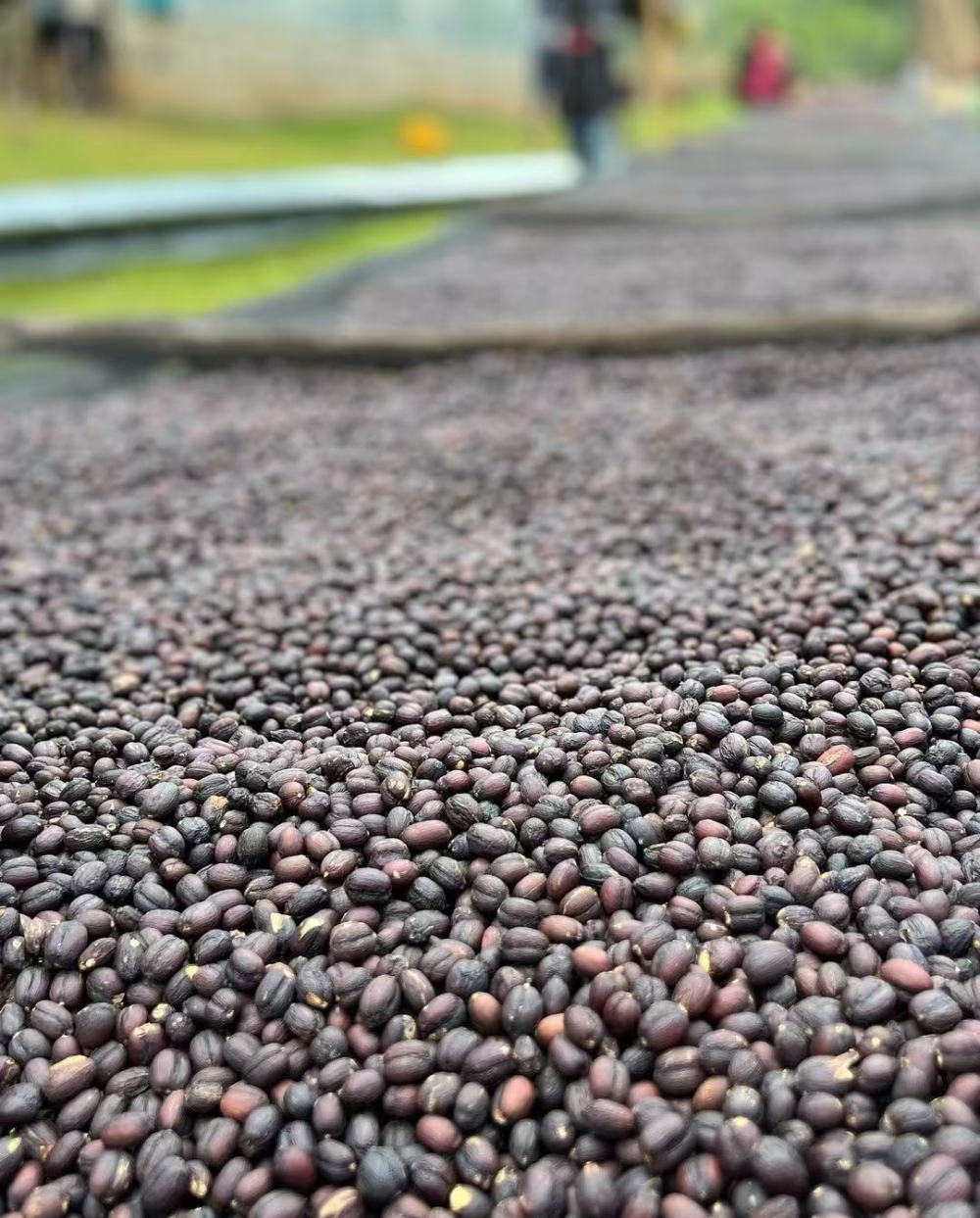
Below, we introduce two representative natural-processed coffee beans to help readers more intuitively appreciate the charm of this method.
1. Ethiopia Guji Hambella Guama (Hua Kui)
Region: Guji, Sidamo, Guama
Altitude: Approximately2350 meters
Variety: Local landrace
Processing Method: Natural
This Ethiopian natural-processed bean is renowned for its intense fruity aroma and juice-like mouthfeel. The cup presents pronounced notes of berries and tropical fruits, accompanied by unique fermented aromas. It tastes as vibrant as freshly squeezed juice, with balanced acidity and sweetness, and a long-lasting finish—making it a classic choice for experiencing natural processing flavors.
2. Panama Elida Estate Natural Typica
Region: Boquete, Panama
Altitude: Approximately1850 meters
Variety: Typica
Processing Method: Natural
Although Panama is famed for its washed processing, this Typica from Elida Estate showcases a completely different profile. Through refined natural processing, the coffee exhibits intense wine-like aromas and deep fruity notes, with sweet elements like citrus and raisins interwoven. It has a gentle acidity and distinct layers, making it an ideal choice for coffee lovers who enjoy wine notes and bold flavors.
The above content is compiled by CoffeeHunters, a coffee news website.


