







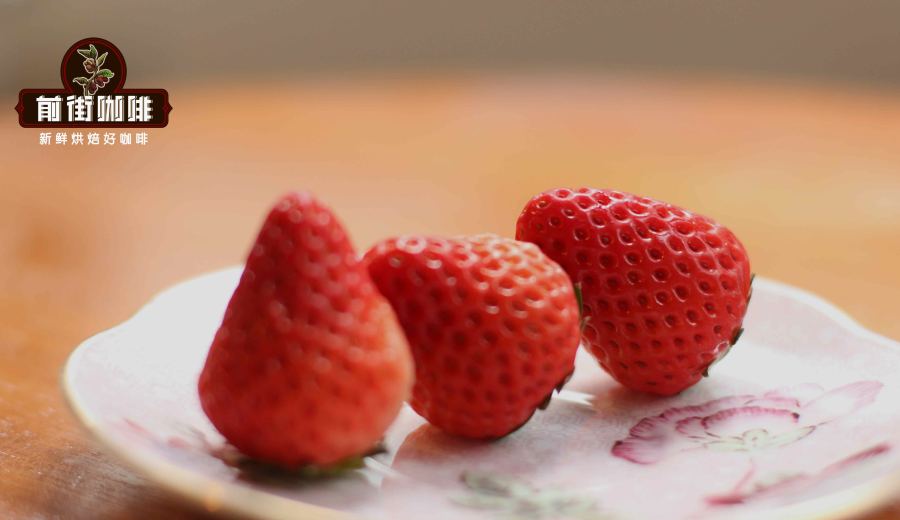
Introduction:The "Strawberry 2.0" coffee beans from Paraíso Estate in Colombia's Cauca region, processed with a double anaerobic washed method, highlight unique strawberry yogurt aromas and bright acidity. This article delves into the growing environment, variety characteristics, fermentation techniques, and provides practical V60 pour over parameters and three-phase pouring techniques to help you fully experience the delicate fruitiness and honeyed aftertaste of this high-altitude Castillo bean.
In recent years, fruity coffees have gained increasing popularity among consumers, with strawberry-flavored beans becoming a favorite among many pour over enthusiasts. The "Paraíso Estate Strawberry 2.0" from Colombia’s Cauca region, thanks to its double anaerobic washed process, successfully delivers a rich strawberry yogurt aroma, paired with a sweet and tangy strawberry juice profile and a long honey finish, making it one of the most talked-about specialty beans on the market.

This coffee is made from the Castillo variety, grown at an altitude of 2050 meters in the highlands, where the unique geographical conditions impart refined berry acidity and a rich aromatic profile. Compared to traditional washed processing, the double anaerobic washed method uses oxygen-free fermentation in a sealed environment to extend sugar conversion time, resulting in a more concentrated sweetness while preserving clear fruit notes. The roaster tailored the roast level to medium-light for the slightly higher moisture content of the new crop, enhancing its floral and fruity expression, and designed a dedicated V60 pour over recipe to add further dimensionality to the flavors.
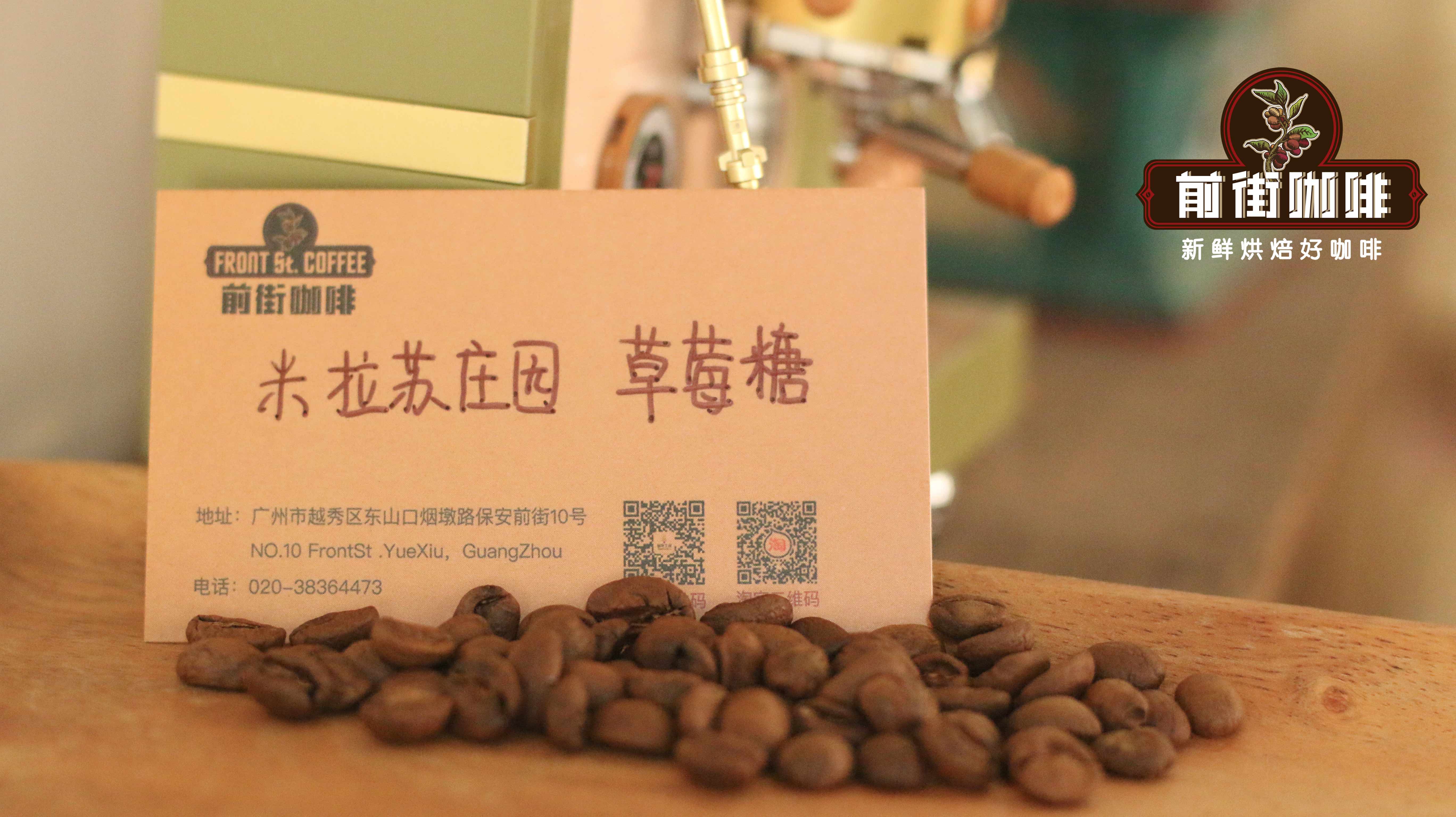
Cauca Province in Colombia, as one of the country’s certified coffee origin zones, offers ideal growing conditions with an average elevation of 1758 meters and peaks reaching up to 2100 meters. Its mild climate and fertile soil provide a perfect environment for coffee trees. The mountainous terrain features mostly small farms, averaging just 3 hectares in size. The harvest season runs from April to December, with the entire process relying on manual selection to ensure consistent ripeness. The resulting coffees typically exhibit refined acidity, berry notes, and pronounced caramel aromas, with especially notable sweetness.
Paraíso Estate, responsible for producing Strawberry 2.0, was founded in 2008 by Mr. Diego Samuel as a small family farm of just 2.5 hectares. Over the years, the estate has continuously invested in research and development for cultivation and processing techniques, and through its tech company Indestec, has developed multiple innovative methods to stabilize coffee quality. In 2015, Paraíso Estate won first place in its regional competition in its first-ever entry, establishing its reputation in the specialty coffee industry. Currently, in addition to classic varieties such as Bourbon, SL28, and Geisha, the estate is also actively expanding disease-resistant varieties like Castillo, with Strawberry 2.0 being a key representative.
Castillo is one of the most widely planted varieties in Colombia, with its greatest advantage being high resistance to coffee leaf rust. This variety originated from a Cenicafe research project in 1961, later giving rise to other disease-resistant varieties such as Tabi (a hybrid of Typica, Bourbon, and Timor) and Castillo. Introduced in 2005, Castillo remains Colombia’s primary planting choice to this day. Strawberry 2.0 selects Castillo not only for its flavor potential but also to meet the region’s sustainability and disease-resistance needs.
The core highlight of this coffee lies in its "double anaerobic washed process." Anaerobic fermentation technology is inspired by winemaking—by placing coffee cherries in a sealed container filled with carbon dioxide and removing oxygen, the natural breakdown of pulp sugars is slowed, extending fermentation time. This results in a rounder sweetness and more balanced flavors. The double anaerobic washed method takes this further by first conducting an initial anaerobic fermentation to remove the skin and pulp, then placing the mucilage-covered beans in another sealed environment with added enzymes for a second fermentation. This composite process intensifies specific aromas like strawberry and yogurt while preserving the coffee’s clarity of acidity and layered complexity.
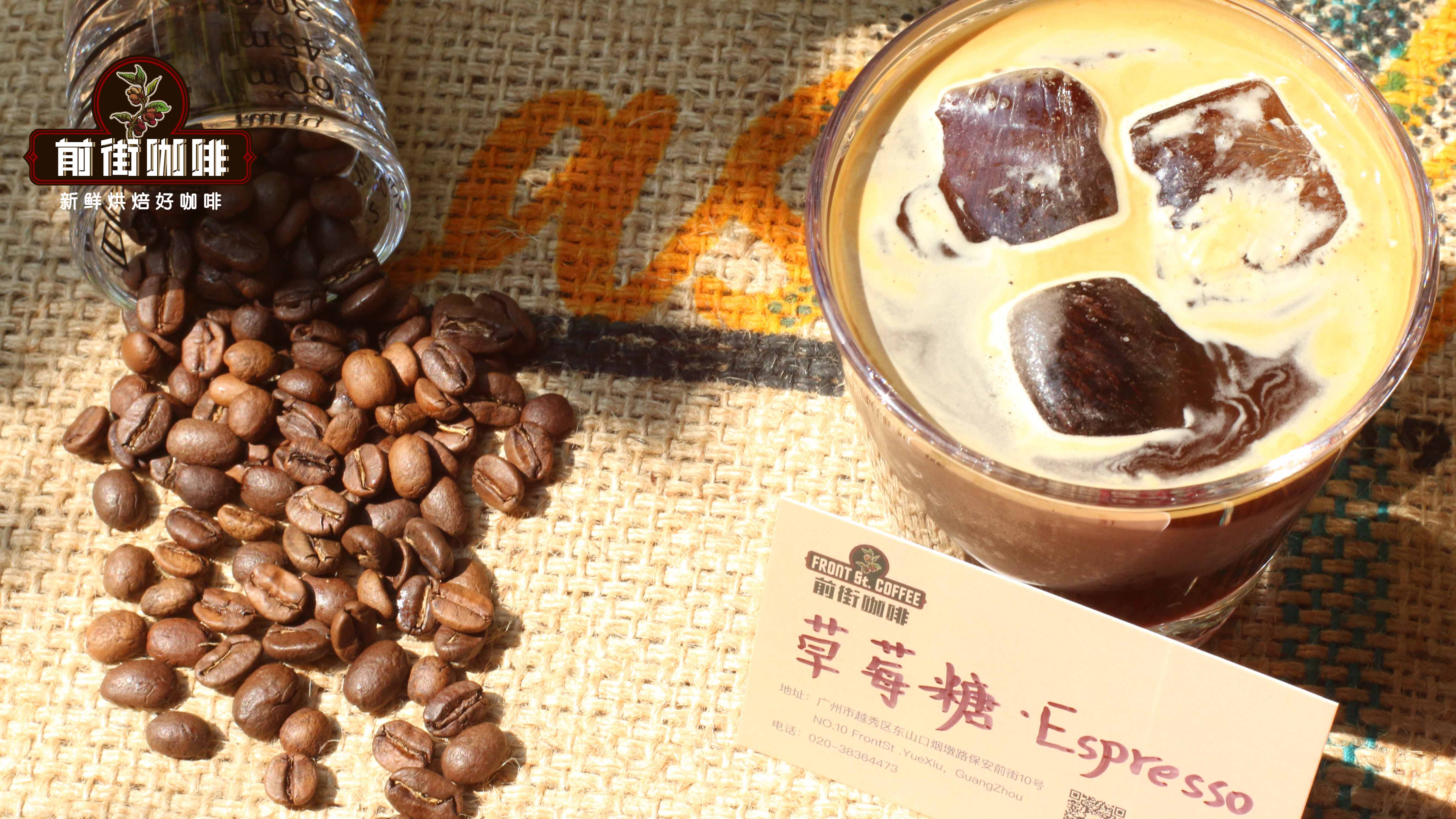
For the 2024 new crop of Strawberry 2.0, the roaster specially adjusted the process to accommodate its higher moisture content. During roasting, the drying phase was extended to ensure even heat distribution between the bean surface and core, and a medium-light roast strategy was adopted to fully express its floral and fruity characteristics. Cupping results show that the beans exhibit a distinct strawberry yogurt aroma, lively strawberry juice acidity, and a jam-like fermented complexity, with a honey-like smooth sweetness in the aftertaste.
If you'd like to recreate this coffee’s unique flavors at home using pour over, we recommend using a V60 dripper with the following parameters: 15g of coffee, ground to a fine sugar-like consistency (approximately medium-fine), with water temperature controlled at 90–91°C. This temperature range helps enhance the release of aromatic compounds from light-roast beans while avoiding under-extraction due to the beans’ harder texture, which can lead to sourness. The V60’s wide opening and spiral ridges facilitate air expulsion, further improving extraction efficiency.
During actual brewing, we suggest using a three-phase pouring technique: start with a 30g bloom pour for 30 seconds to awaken the coffee grounds; then pour 95g of water within 1 minute (total around 125g) to allow even expansion of the grounds; once the water level drops to two-thirds of the coffee bed, pour the final 100g (total around 225g), completing the pouring process in about 1 minute and 40 seconds. The total brew time is approximately 2 minutes and 3 seconds. These parameters effectively balance acidity, sweetness, and aroma, delivering the refreshing qualities of strawberry yogurt, the vibrant acidity of fruit juice, and the lingering sweetness of honey.
The above content is compiled by CoffeeHunters, a coffee news website.


