







Introduction:Indonesian Mandheling coffee is renowned for its rich herbal aroma and distinctive regional flavors, making it a classic favorite among many coffee enthusiasts. This article delves into the grading system of Mandheling, the characteristics of its major producing regions, and the commonly used wet-hulled processing method. It also highlights five popular Mandheling offerings from a well-known coffee brand — including Golden, Lintong, Aged, Tiger, and Sun-Dried varieties — providing detailed flavor profiles, roasting recommendations, and pour-over brewing parameters to help you find your perfect Mandheling match based on personal preference.
Mandheling coffee beans are one of Indonesia’s most iconic specialty coffee offerings, celebrated for their pronounced herbal notes and bold, full-bodied taste that captivate countless coffee lovers. Among the many Indonesian regional coffees, Mandheling not only boasts strong regional character but also owes its unique flavor profile to the special wet-hulled processing method.
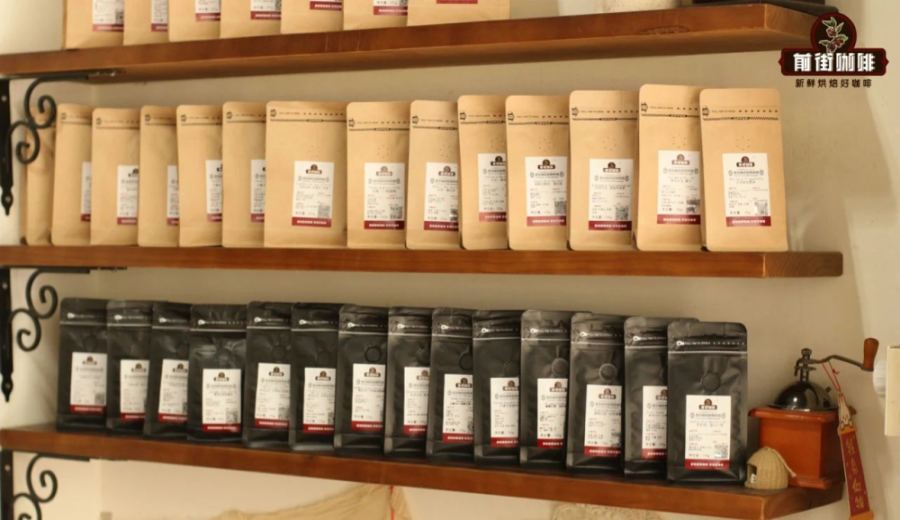
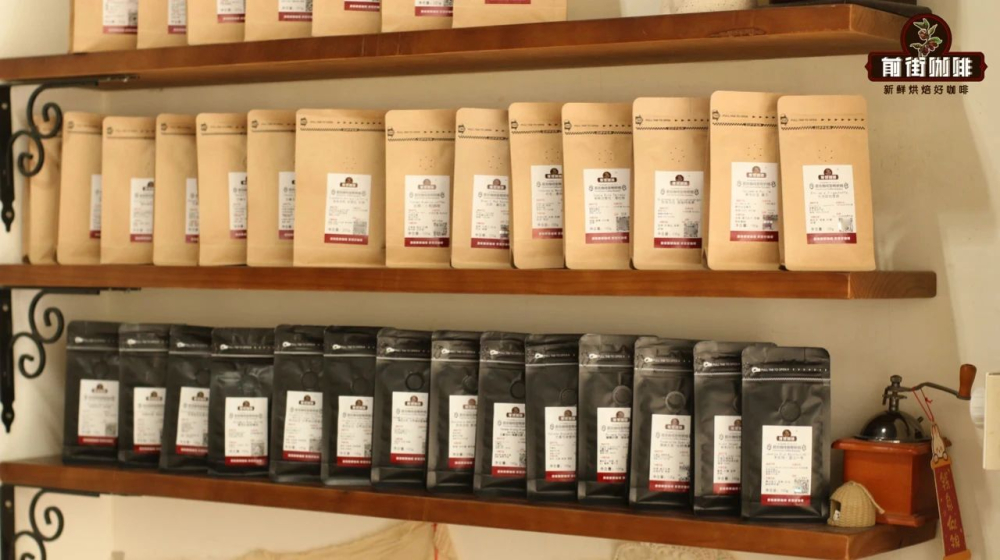
In the selection of a certain well-known coffee shop, five Mandheling coffee beans with distinctly different flavor profiles are offered, including the widely praised Golden Mandheling, the classic Lintong Mandheling, the rare Aged Mandheling, the balanced and mellow Tiger Mandheling, and the uniquely sun-dried Mandheling. Each showcases the diverse expressions of Mandheling under varying processing and roasting conditions.
Many first-time Mandheling drinkers are often either amazed or hesitant due to its intense and slightly medicinal flavor. As one of the most typical representatives, Lintong Mandheling features a strong herbal and bittersweet profile, often likened to the taste of traditional Chinese herbal soup. However, for those who appreciate a full-bodied mouthfeel and deep aftertaste, this is precisely where its charm lies.
This article will provide a detailed introduction to Mandheling’s grading logic and regional distribution, compare the flavors of four classic Mandheling offerings from a certain popular coffee shop — Golden, Lintong, Aged, and Tiger Mandheling — and offer professional pour-over brewing suggestions and parameter settings, enabling you to brew the ideal Mandheling flavor according to your personal taste.
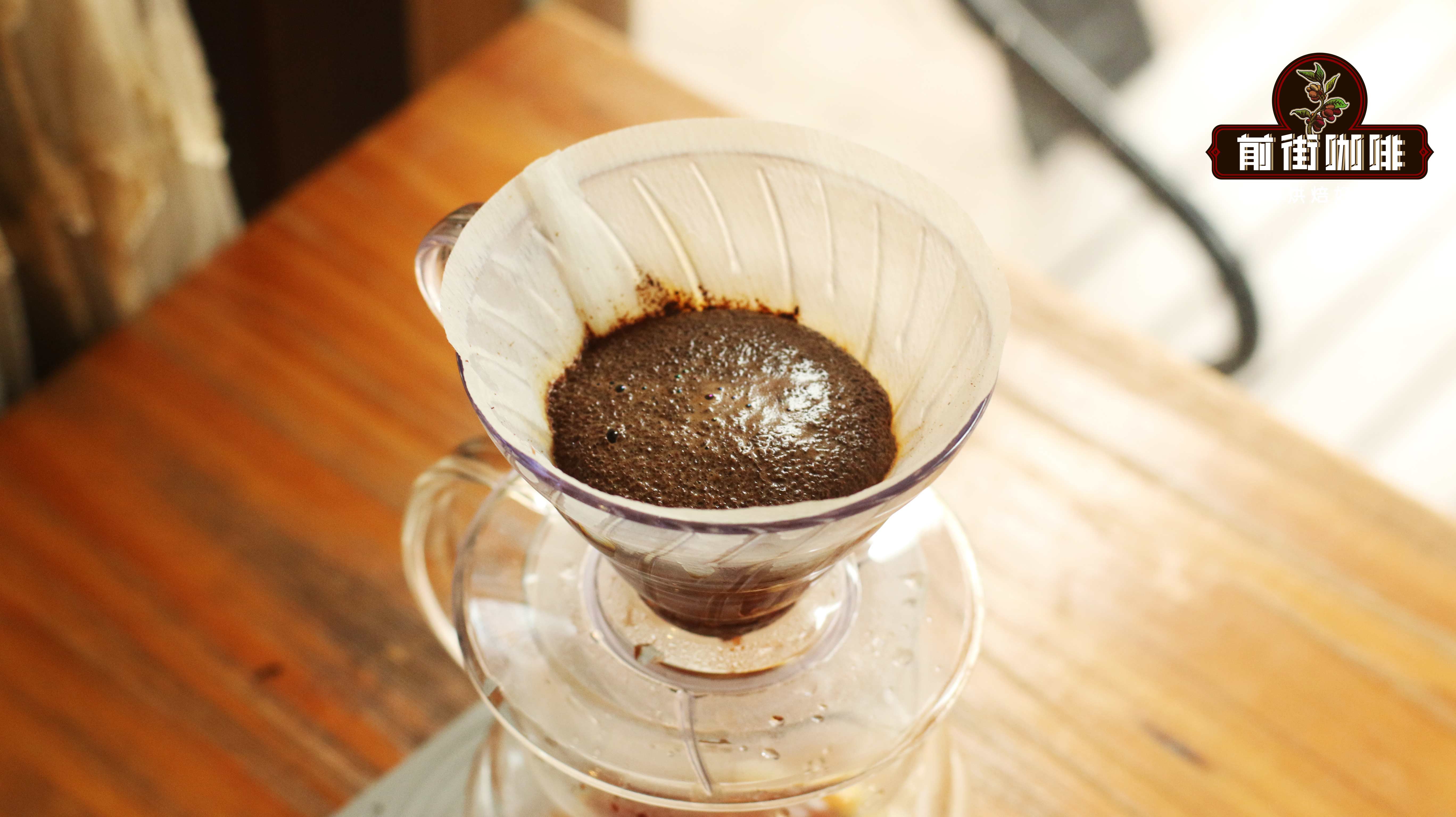
First up is Golden Mandheling, which is typically roasted to a medium-dark level. A certain well-known coffee shop usually completes the roast after the second crack to fully bring out the unique spice and herbal aromas brought by the wet-hulled process. For pour-over, it is recommended to use a KONO filter cone with a medium-coarse grind size, setting the coffee-to-water ratio at 1:13. Use 20 grams of ground coffee with water temperature controlled at 87°C, enhancing flavor intensity by reducing the coffee-to-water ratio. Cupping results show that Golden Mandheling has a clear yet non-aggressive herbal character, appearing softer compared to the Lintong variety, with prominent caramel sweetness and moderate fruity acidity.
Lintong Mandheling comes from the Lintong mountainous area in north-central Sumatra, near the famous Lake Toba, and is one of the most representative producing regions of Mandheling coffee. This coffee is also medium-dark roasted to enhance its intense spice and herbal core, along with a full-bodied mouthfeel. Under the same pour-over conditions, Lintong Mandheling immediately delivers strong herbal and forest-like notes upon tasting, followed by the sweetness of dark chocolate and caramel, with a long-lasting sweet aftertaste.
Aged Mandheling is a special member of the Mandheling family. The green beans of this coffee typically undergo careful storage for two to three years, akin to the aging process of fine wine. During storage, the acidity of the green beans gradually transforms into richer sugars and body-enhancing compounds, while the bean appearance turns into a deep yellowish-brown or dark brown. The acidity of Aged Mandheling is significantly reduced, but its sweetness and mouthfeel density are greatly enhanced. The dominant flavors include ripe pu-erh tea, caramel, herbs, and chocolate, delivering an overall more delicate and mellow performance.
Tiger Mandheling features round and plump green beans with a yellowish tint and high uniformity, along with relatively high moisture content. To highlight its full-bodied yet balanced characteristics, a certain well-known coffee shop opts for a medium roast. During cupping, Tiger Mandheling exhibits distinct herbal and nutty dry aromas. After brewing, it presents a viscous and smooth mouthfeel with prominent agarwood notes, noticeable sweetness, and a long-lasting aftertaste, making it an ideal choice for coffee lovers who enjoy medium-bodied richness and stable performance.
These four Mandheling coffees from the Sumatra region, though each showcasing different flavor emphases, all employ Indonesia’s unique wet-hulled processing method. This technique first removes the coffee fruit’s skin and pulp, followed by brief fermentation and sun drying, then the removal of the mucilage and parchment layer, and finally continued drying until the moisture content reaches about 12%. Because the parchment layer is removed while the beans still have high moisture content, cracks often form during processing, giving the beans a horseshoe-like shape, hence the nickname “horse hoof beans.”
It’s worth noting that Indonesia did not initially adopt the wet-hulled method directly but went through multiple trials, from the washed process to a semi-sun-dried technique similar to Brazil’s. However, due to the local high-humidity environment, which is unsuitable for prolonged sun drying, coupled with the cost limitations of washed equipment and technology, the wet-hulled method suited to the local climate and economic conditions was eventually developed.
Currently, Indonesia is one of the world’s major coffee-exporting countries, with key producing regions including Java, Sumatra, and Sulawesi. Among them, Sulawesi mainly produces Robusta, while Sumatra and Java primarily grow Arabica, which is also the main source of Mandheling coffee. As for the name “Mandheling,” it actually originates from a mishearing and transliteration of the Indonesian Mandailing ethnic group, rather than being a native region or variety name.
The above content is compiled by CoffeeHunters, a coffee news website.


