








Introduction:On hot summer days, iced pour over has become the go-to choice for many coffee enthusiasts. However, even within iced pour over, the two methods of "adding ice first" and "adding ice later" can lead to drastically different flavor experiences. This article provides an in-depth comparison through practical testing, analyzing the differences in extraction parameters and flavor profiles between the two techniques, and offers practical recommendations on brew ratios, water temperature, grind size, and pouring methods. These tips will help you master the key skills to brew a vibrant, fruity, and layered iced pour over.
As temperatures rise, many pour over lovers begin seeking a more refreshing way to enjoy their coffee, making iced pour over a popular choice. However, using ice in two different ways—“placing ice in the filter cone beforehand” versus “pouring ice into the finished hot brew”—can actually have a significant impact on the final coffee flavor.
This article uses a naturally processed Ethiopian Yirgacheffe coffee bean as an example, comparing the pour over process using both the “ice added first” and “ice added later” methods. We observe and compare the specific differences in the brewing process and flavor presentation. The test found that coffee brewed with ice added first tends to have a simpler flavor profile with less layering, while ice added later brings out rich fruitiness and a honey-like sweetness, resulting in a more vibrant and layered cup overall.
For equipment, this experiment used a Hario V60 filter cone. Compared to some filter cones with straight flow paths (such as the Kono cone), the V60’s spiral ridges extend the water’s path, allowing the coffee grounds and water to have longer contact time. At the same time, the spiral grooves guide the water flow toward the center, creating a downward squeezing effect when water pressure drops, which helps enhance the overall layering and detail in extraction.
Regarding water temperature settings, since the coffee beans used in this test are medium-light roasted and sun-dried, they naturally exhibit prominent sweetness, so it is recommended to use 91~92°C water temperature for extraction, which helps fully bring out the sugar compounds and fruity acidity. If the water temperature is too low, it may only extract sharp acidity without body; if too high, it could lead to over-extraction, resulting in bitterness and astringency. For medium-dark roasted beans, it is recommended to lower the temperature to 88~89°Cto avoid excessive extraction.
In terms of brew ratio, because ice will be added later to dilute the coffee, this experiment used a 1:10 coffee-to-water ratio, along with an additional 100 grams of ice. The actual amount of coffee grounds used was 15 grams, yielding a final liquid volume of about 150 milliliters, which after dilution with ice results in a coffee beverage that is more refreshing and balanced in taste.
As for grind size, according to SCAA cupping standards, the typical cupping grind is 70–75% passing through a #20 sieve. For this medium-light roasted iced pour over, it is recommended to set the grind size to around 80% , which ensures smooth water flow while maintaining sufficient extraction time to highlight the delicate flavors of the coffee. For medium-dark roasted beans, the grind size can be adjusted to around 75%.
Next, let’s take a look at the two different brewing processes and their actual effects on flavor:
[Method One: Adding Ice First]
First, place 100 grams of icein the decanter. Then, without preheating the filter cone or wetting the filter paper, directly add 15 grams of coffee groundsinto the V60 filter cone lined with filter paper. Pour in 30 grams of hot water for the bloom, for about 30 seconds, allowing the coffee bed to expand into a “hamburger” shape. Next, proceed with the second pour, using a steady and vertical water stream circling from the center outward. Maintain an even flow rate to allow the coffee grounds to release bubbles and cover the entire coffee bed. Let the liquid level rise to the shorter ribs of the filter cone, reaching a total pour volume of 90 grams, at which point the timer should read about 50 seconds.
Once the water temperature drops slightly, proceed with the third pour, again using the “aroma-focused” pouring method, circling from the center outward. Pour until the total volume reaches 150 grams, at which point the liquid level falls back to the previous height and the foam color changes from dark brown to light yellow. After all the coffee liquid has dripped through, remove the filter cone, mix the coffee with the ice, and stir. Finally, taste. The resulting coffee has a subtle berry-like acidity, with notes of almond and nuts. While the mouthfeel is smooth, the overall flavor lacks layering and feels somewhat thin.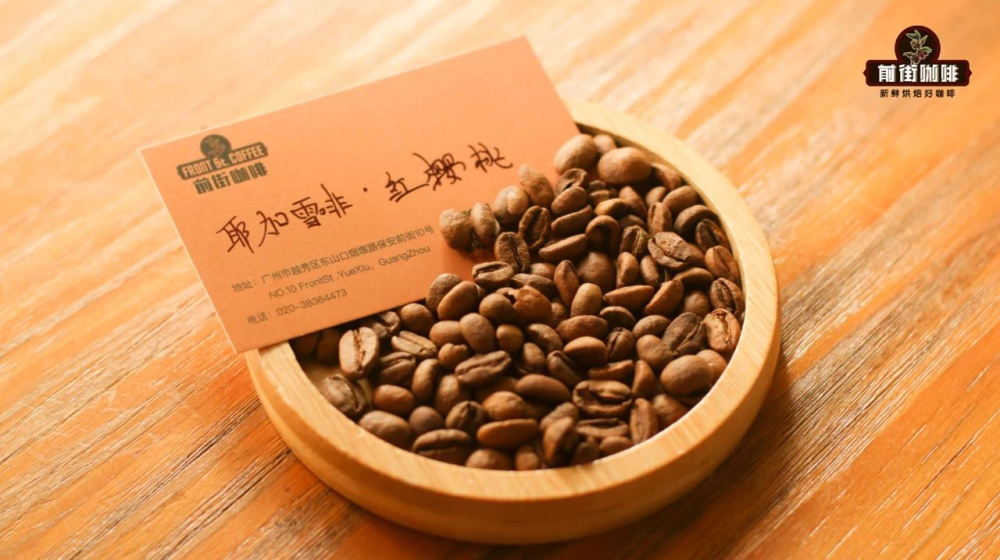
[Method Two: Adding Ice Later]
Again, start by preheating the filter cone and decanter, and wetting the filter paper. Add 15 grams of coffee groundsinto the filter cone, then pour in 30 grams of hot water for the bloom, waiting 30 seconds for the coffee bed to expand. The second pour also circles from the center outward with a stable stream to release bubbles, pouring a total of 90 grams, taking about 50 seconds. Then, when the water temperature drops to about halfway through the coffee bed, proceed with the third pour, using an “aroma-style” pour circling from the center outward until the total volume reaches 150 grams. The foam turns light yellow, the liquid level stabilizes, and the total extraction time is about 1 minute and 40 seconds. After extraction is complete, do not immediately mix in the ice. Instead, pour the coffee liquid into another pre-chilled decanter containing 100 grams of ice , shake well to mix thoroughly, and then taste.
This method produces coffee with a fuller berry juice-like flavor, bright acidity, smooth mouthfeel, and a distinct honey-like sweetness. The overall flavor is richly layered, making it the more recommended iced pour over method.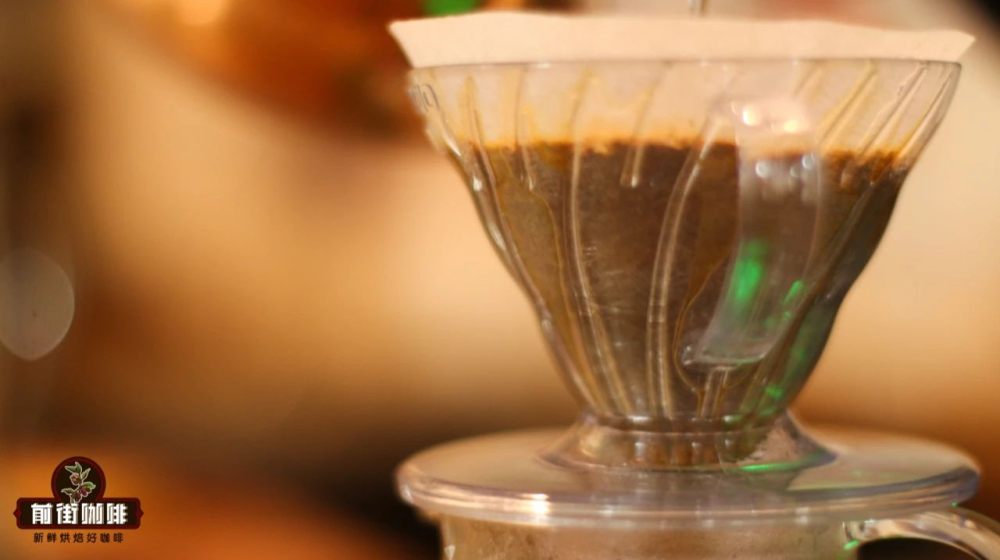
So why is there such a noticeable difference in flavor between the two methods? The key lies in the design of the V60 filter cone, which extracts diverse flavor compounds at different stages—for instance, early-stage aroma, mid-stage acidity and sweetness, and late-stage body. If ice is placed under the filter cone from the beginning, each drop of extracted liquid is quickly diluted by the ice, preventing the full expression of each flavor stage and resulting in a flat overall profile. However, if you complete the full hot water extraction first and then mix the uniform coffee liquid with ice, each flavor compound can interact fully with the ice, delivering a more three-dimensional and layered taste experience.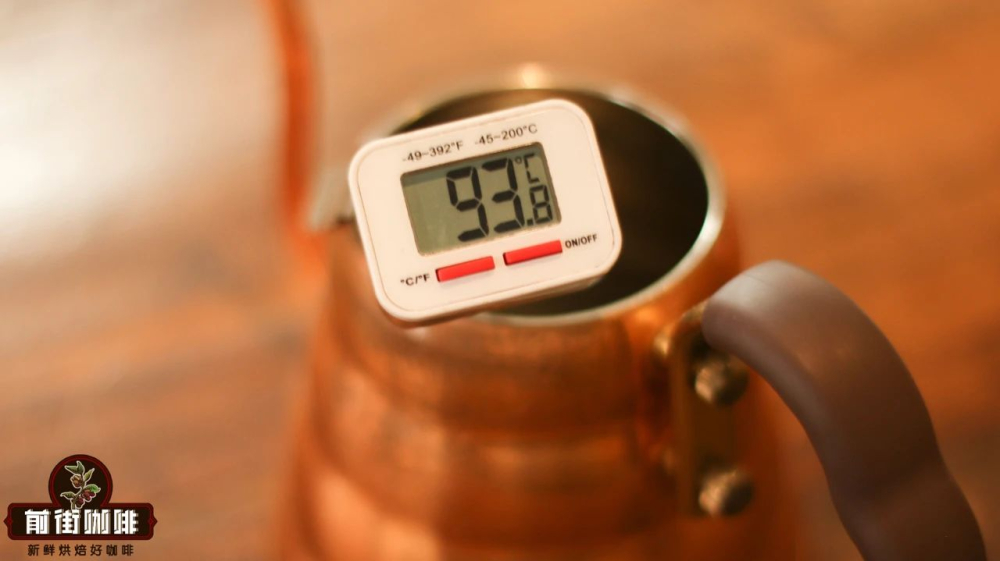
The above content is compiled by CoffeeHunters, a coffee news website.


