







Introduction:Although both cold drip and cold pour over are types of iced coffee, they differ greatly in extraction temperature, time, and flavor presentation. This article delves into the fundamental differences between the two brewing methods, helping you understand the key distinctions between slow extraction with ice water and high-temperature extraction followed by chilling. It also provides a practical comparison of how each method affects the flavor profile of the same coffee bean, along with useful parameters such as coffee-to-water ratio, water temperature, and time to help you find your preferred iced coffee choice.
In the world of specialty coffee, the two methods of making iced coffee—cold drip and cold pour over—are often compared. Although both ultimately serve chilled coffee, they differ significantly in brewing principles, steps, and final flavor profiles. Cold drip uses extremely low-temperature ice water that drips slowly through coffee grounds, often taking several hours or more, while cold pour over involves fast extraction at room temperature or slightly higher, followed by cooling with ice cubes. These differences directly affect the release efficiency of acids, sugars, and aromatic compounds in the coffee, resulting in distinctly different taste experiences.
Temperature is one of the key factors influencing coffee extraction. In high-temperature environments, acidic compounds, oils, and sugars in coffee are released more quickly, which typically results in coffee with pronounced fruit acidity, aroma, and strong body. However, it can also easily lead to off-flavors caused by over-extraction. In contrast, low-temperature extraction is a slower process that helps preserve the delicate aromatic molecules in coffee, reducing bitterness and impurities from excessive release, but it generally requires a longer time to complete the extraction.
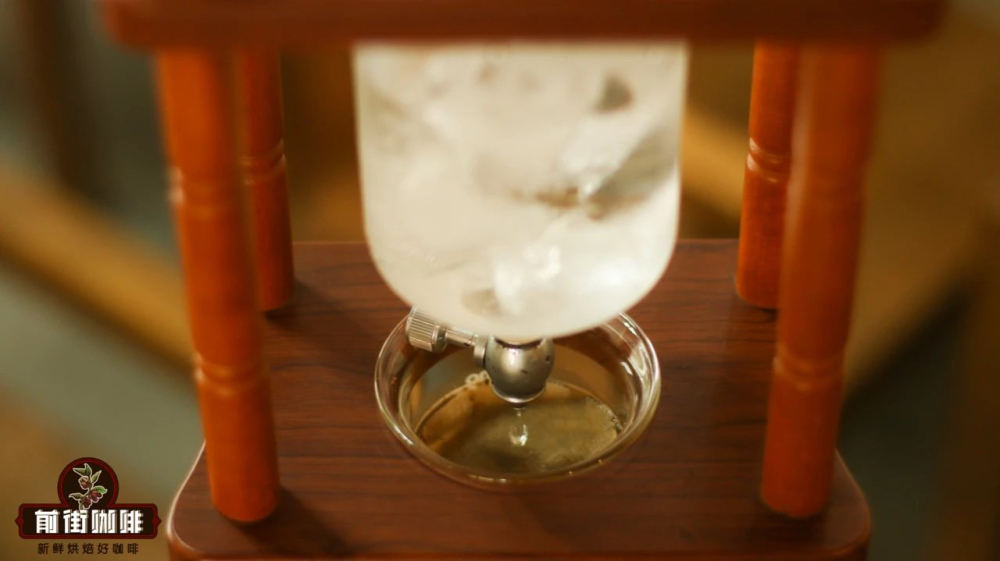
Cold drip coffee can be considered the representative of low-temperature slow extraction. Its extraction temperature is close to room temperature or even lower, with ice water dripping drop by drop through the coffee grounds, slowly extracting the flavor compounds. This process usually takes between 4 to 12 hours, depending on the equipment and settings. Due to the low temperature, many volatile aromatic compounds are “locked” in the liquid, and when the coffee is consumed in a cooled state, these aromas often burst on the back of the tongue, creating a surprisingly rich flavor layer.
The basic parameters for cold drip coffee are as follows:A commonly used coffee-to-water ratio is 1:10, for example, 60 grams of coffee grounds to 600 milliliters of ice water. The grind size is usually similar to coarse sugar, close to a medium-coarse grind used in pour over. When using a cold drip brewer, it is recommended to place filter paper at the bottom of the filter to ensure even water flow, and to pre-wet with a small amount of ice water for a “pre-infusion,” similar to the bloom step in pour over, which helps initiate extraction evenly. The overall process should maintain a stable dripping speed, generally controlled at around 7 drops per 10 seconds. After extraction, it is recommended to let the coffee liquid sit in the refrigerator for at least 8 hours to allow the flavor compounds to fully integrate and release, achieving the best taste.
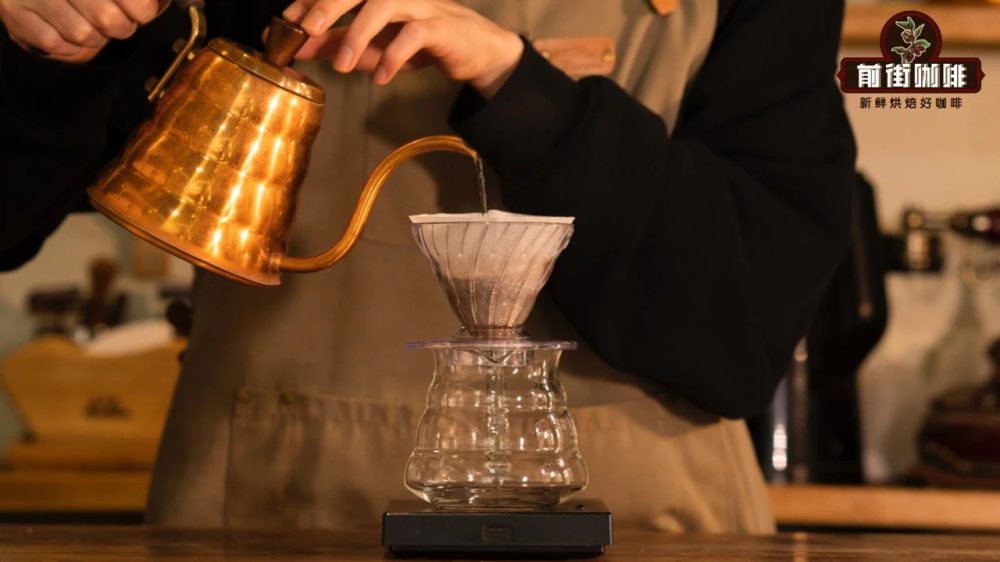
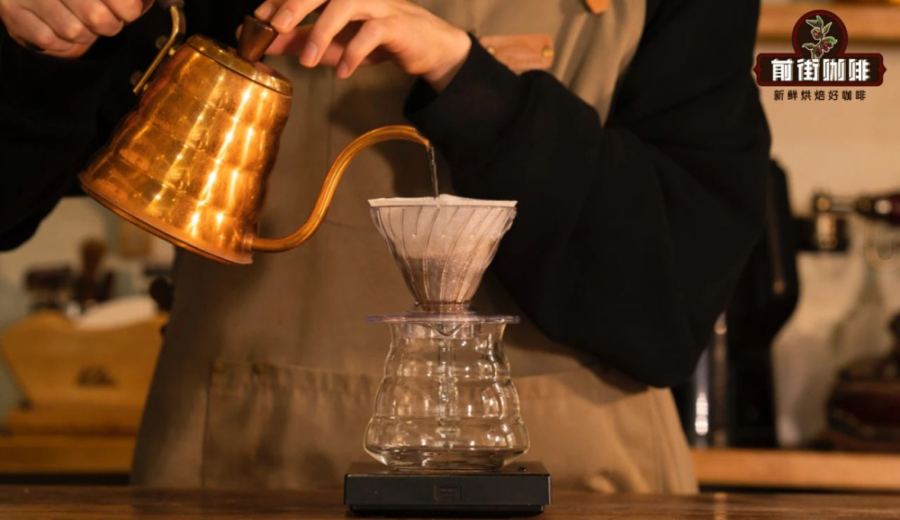
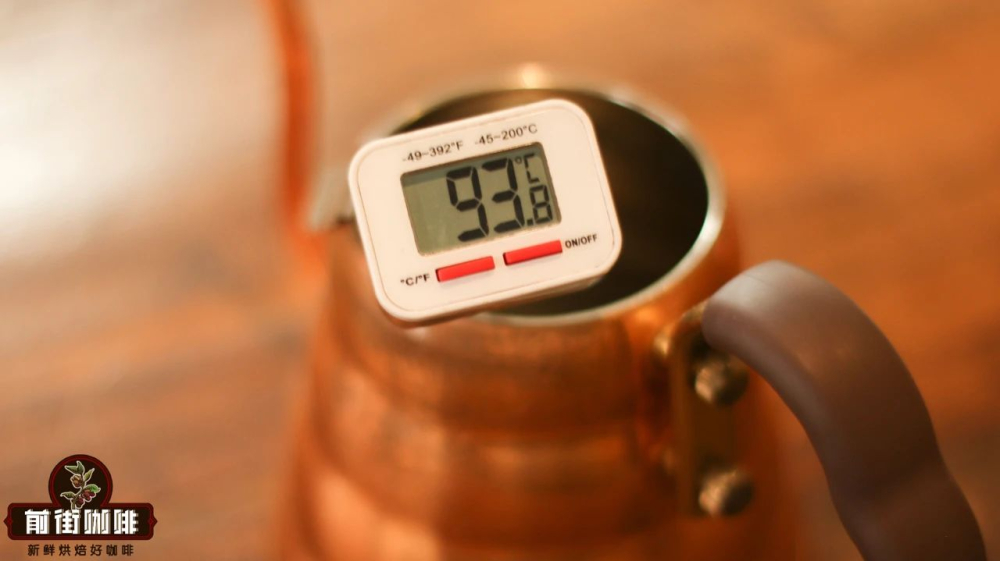
As for cold pour over, it involves fast extraction using a higher water temperature (typically 85–93°C) via the pour over method, followed by rapidly cooling the hot coffee with ice cubes. The advantage of this method is that it can quickly capture the bright acidity, floral and fruity notes, and sweetness of the coffee, but the flavor layers are usually more direct and less nuanced than those of cold drip. Additionally, cold pour over has a shorter brewing time, making it suitable for situations where you want to enjoy iced coffee quickly.
Taking the Hario V60 dripper as an example, the suggested parameters for cold pour over are as follows:Use about 15 grams of coffee, with a coffee-to-water ratio of 1:10, and a medium-fine grind (approximately 80% passing through a #20 sieve). Control the water temperature at around 91°C. The first step is a pre-infusion of about 30 seconds, pouring 30 grams of hot water to allow the coffee grounds to expand into a dome shape; then proceed with the second stage, pouring in a circular motion from the center outward, totaling 90 grams, over approximately 50 seconds; the final stage pours up to 150 grams, with a total extraction time of about 1 minute and 40 seconds. After extraction, pour the coffee liquid into a pre-chilled server, then mix with a large amount of ice cubes to cool down, resulting in a cool and smooth cold pour over coffee.
To more intuitively compare the differences between the two extraction methods, we used a Sherry-processed coffee bean from Honduras’ Mocha Estate as an example, brewed using both cold drip and cold pour over, and observed their flavor profiles. The coffee bean varieties include Caturra, Catuai, and Pacas, grown at altitudes between 1500–1700 meters, and processed through meticulous washed and whiskey barrel fermentation. It inherently possesses a distinct base of wine-like aroma and sweetness.
In the cold drip version, due to the low-temperature and long-duration extraction, the flavors are more restrained and layered. Upon tasting, you can perceive a rich whiskey aroma, paired with a vanilla cream-like sweetness and silky mouthfeel, with a finish that carries a subtle hint of liqueur chocolate. The overall profile is full-bodied yet refreshing, suitable for coffee enthusiasts who enjoy delicate flavors and savoring their drink slowly.
The cold pour over version, on the other hand, exhibits a more expressive flavor profile. The front features a distinct whiskey aroma, the middle brings out gentle fruity acidity and a vanilla cream-like smoothness, but the latter part may come with slight astringency, along with nutty and cocoa undertones. The overall flavor layers are richer, making it suitable for consumers who prefer bright acidity and quick access to iced coffee.
Overall, cold drip coffee is ideal for coffee lovers who seek delicate, aromatic intensity and are willing to invest time waiting for it; whereas cold pour over stands out for its speed, convenience, and bold flavors. Regardless of which method you choose, understanding the underlying brewing principles and parameter settings can help you better appreciate the diverse charm of iced coffee.
The above content is compiled by CoffeeHunters, a coffee news website.


