








Introduction:Want to understand how anaerobic processing changes coffee flavors? This article delves into the differences between anaerobic enzyme washed, anaerobic natural, and anaerobic washed processes. Using Colombian Rose Valley coffee beans as an example, it takes you through green bean processing methods, roast curve selection, and professional pour over parameters to help you master brewing techniques for special processed beans, and experience unique flavor profiles of strawberry jam, wine notes, and berry layers.
Modern coffee drinkers are pursuing increasingly refined flavors. While traditional washed and natural processing methods can showcase regional characteristics, they often fail to meet diverse taste preferences. The emerging anaerobic processing technology, by controlling the fermentation environment, brings unprecedented complexity to coffee. This article will detail the principles and classifications of anaerobic fermentation, compare the differences between natural fermentation and artificially temperature-controlled fermentation, and explore in depth the three mainstream techniques: anaerobic natural, anaerobic washed, and anaerobic enzyme washed.

With the rise of specialty coffee trends, consumers are no longer satisfied with just the pure flavors of origin. Anaerobic fermentation processing, which ferments in low-oxygen environments, creates richer sweetness and more complex aromas. This technique can be subdivided into various types, including anaerobic natural, anaerobic enzyme washed, anaerobic double washed, and anaerobic honey processes. It’s worth noting that even traditional washed and natural processes actually include a fermentation stage.
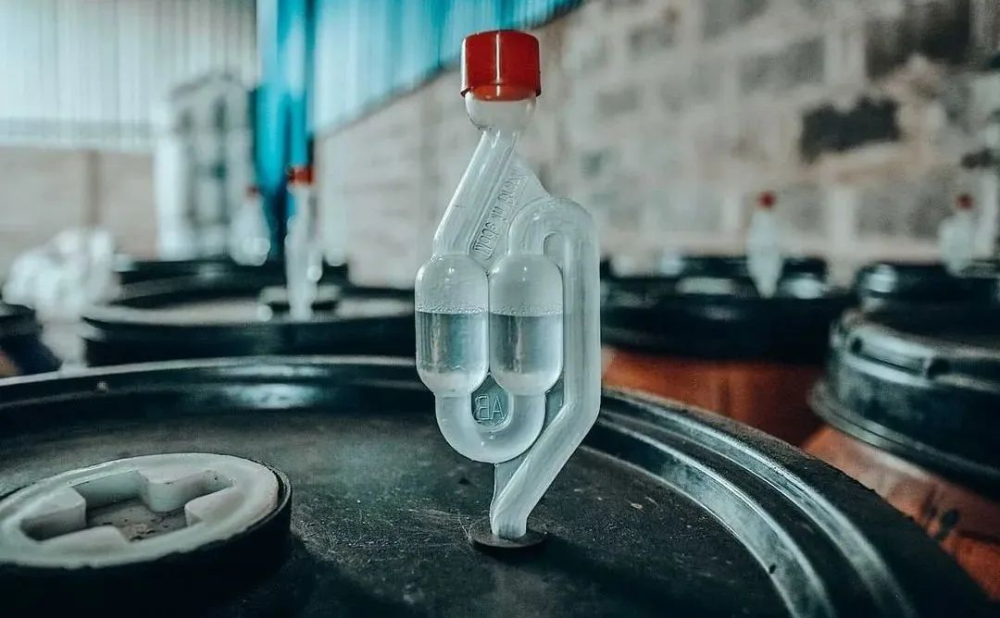
In traditional washed processing, after removing the outer skin and pulp of the coffee cherry, it is soaked in water for 12 to 18 hours for natural fermentation. This process breaks down the mucilage but does not add external enzymes. Natural processing, on the other hand, retains the whole fruit and dries it in the sun for two to four weeks, relying on natural temperatures to ferment the mucilage. While these natural fermentation processes can produce rich aromas, there are risks of over-fermentation or contamination by stray microbes, leading to unstable flavors.
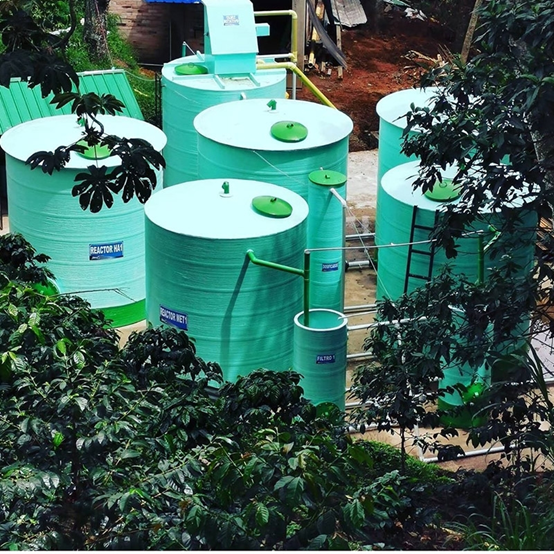
Anaerobic fermentation technology uses sealed stainless steel tanks to precisely control temperature, pH, and fermentation time, creating more consistent quality. Take the Hua Yue Ye coffee beans from Colombia’s Huila region as an example. They undergo low-temperature anaerobic fermentation for over three days, with the fermentation temperature maintained at 10–15°C to slow microbial activity, significantly enhancing sweetness. In cupping, you can distinctly perceive flavors of strawberry jam and subtle wine notes.
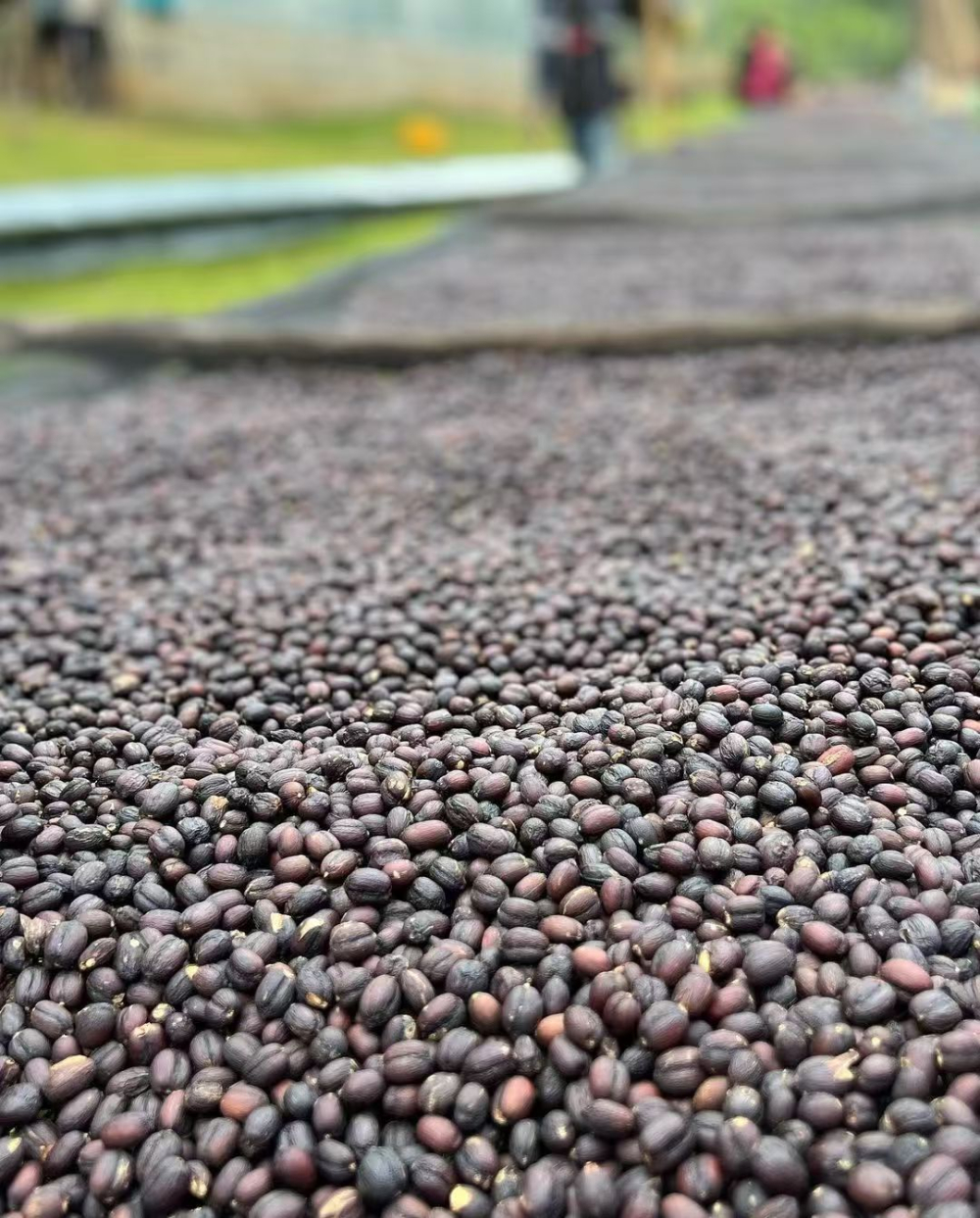
The anaerobic washed process is more complex, involving dry fermentation, mucilage removal, and a second sealed fermentation. Ripe coffee cherries first undergo 12 hours of dry fermentation, then the pulp and skin are removed before being transferred to plastic buckets for 24 hours of sealed fermentation. Finally, the beans are dried on raised beds to reach a moisture content of 11–13%. Compared to anaerobic natural, this method produces brighter acidity but slightly lower sweetness and aroma intensity.
The anaerobic enzyme washed process introduces a special group of enzymes during fermentation to accelerate the generation of specific flavor compounds. Colombia’s Grand Tree Estate Rose Valley coffee uses this technique. After testing three different roast curves, the roaster found that Curve One best highlights flavors of peach and cranberry, with prominent aromatics and balanced mouthfeel.
For hands-on pouring of the Rose Valley coffee beans, it is recommended to use 15 grams of coffee beans, with a medium-fine grind setting and a 1:15 coffee-to-water ratio. Use a Hario V60 filter cone, whose conical design helps enhance extraction layers. Set the initial water temperature to 91°C. The first stage involves pouring 30 grams of water for a 30-second bloom to release CO₂. Then pour 100 grams of water for mid-stage extraction, wait 10 seconds, follow with another 95 grams, and finish with 25 grams using a center pour method to avoid over-extraction.
The brewed Rose Valley coffee presents multi-layered flavor changes: it starts with bright citrus acidity, develops into dark berries and caramel cocoa tones in the mid-palate, and finishes with lingering fermented fruit aromas. As the temperature drops, berry flavors take the lead, with dark chocolate and whiskey notes gradually emerging, creating a sustained fermentation-driven aftertaste. This processing method successfully transforms traditional regional characteristics into a more modern taste experience.
The above content is compiled by CoffeeHunters, a coffee news website.


