







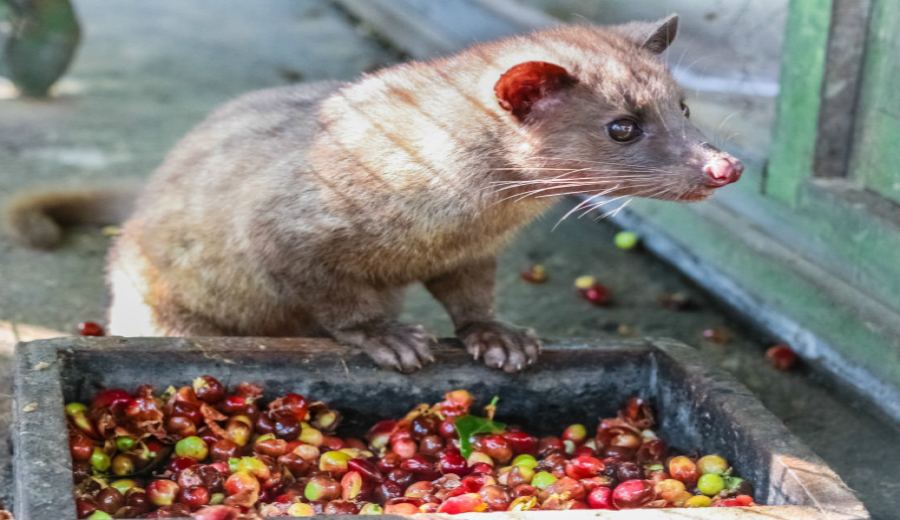
Introduction:Indonesian civet coffee, commonly known as "cat poop coffee," is renowned for its unique syrupy body and refreshing minty aftertaste, yet it remains highly controversial due to its mysterious origins and exorbitant price. This article unveils the rare background and flavor characteristics of this coffee, explores the ethical issues surrounding the captive breeding of civets, analyzes the true nature of cheap imitations on the market, and recommends several high-quality and humane alternative beans—helping readers enjoy a delicious cup while making more responsible choices.
In the world of specialty coffee, Indonesian civet coffee, often referred to as "cat poop coffee," has long been a topic of fascination. What makes this coffee most memorable is its rich, syrup-like mouthfeel and the delicate, lingering minty coolness that remains after each sip. This distinctive sensory experience has attracted many coffee enthusiasts, but the sourcing and production process behind it conceal many dark truths that few know about.
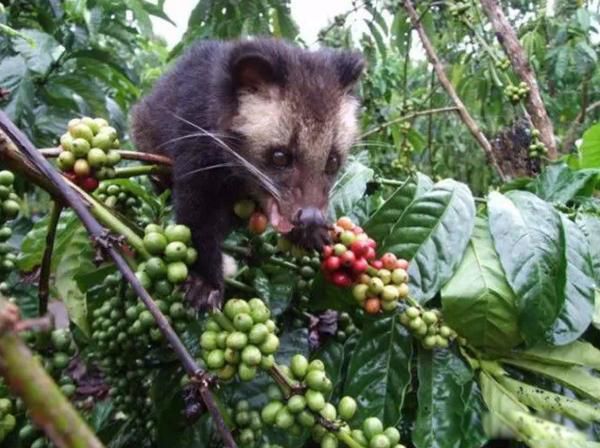
The authentic origins of civet coffee can actually be traced back to the Dutch colonial period in Indonesia. It is said that at the time, the Dutch prohibited local residents from drinking coffee from the plantations, but they unexpectedly discovered that wild civets, after consuming coffee cherries, would excrete beans that had undergone fermentation in their digestive tracts, resulting in a completely different flavor profile. These coffee beans, excreted by civets (scientific name: Paradoxurus hermaphroditus) and properly processed afterward, became what is now famously known as "Kopi Luwak"—or cat poop coffee as it’s commonly called.
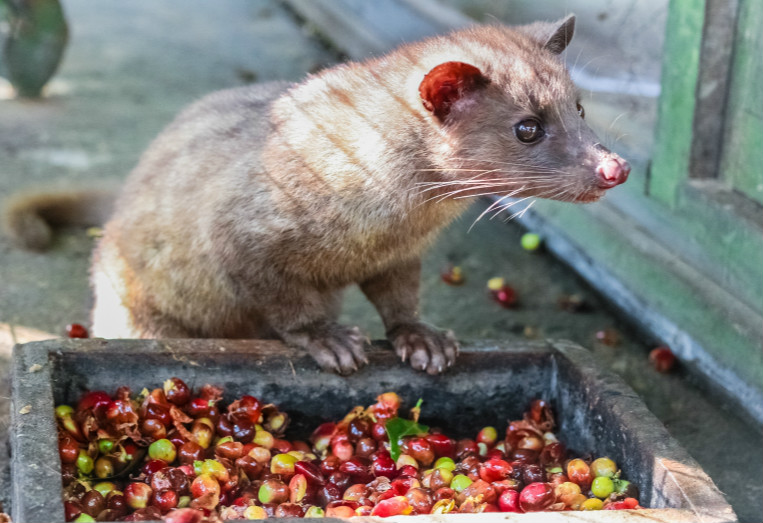
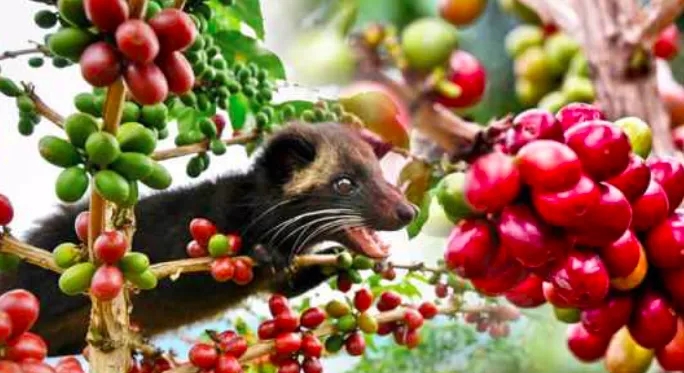
Civets are omnivorous wild animals that prefer to select ripe, sweet red coffee cherries to eat. The coffee pulp is digested in their intestines, while the hard coffee beans, being indigestible, are excreted in their feces. During this prolonged digestive process, the coffee beans undergo a natural form of "fermentation," where some proteins are broken down, thereby reducing acidity and bitterness, while also developing a unique aroma and rich mouthfeel. Additionally, it is said that when civets defecate, the beans may come into contact with musk oils secreted by their reproductive organs, further enhancing the complexity of the aroma.
Precisely because of this special "natural processing," the flavor of cat poop coffee is often described as rich, full-bodied, and infused with deep herbal, nutty, and dark chocolate notes, sometimes accompanied by subtle fermented aromas. Without sugar or milk, it presents a smooth, sweet taste with almost none of the sharp acidity or astringency commonly found in regular coffee—even when cooled, it maintains a rounded and full-bodied flavor structure.
However, authentic civet coffee is extremely limited in production. Due to the small population of wild civets and their elusive nature, only local villagers familiar with the forest can find and carefully collect their droppings in the pristine jungles. It is estimated that globally, fewer than 400 kilograms of coffee beans are produced annually by wild civets. Such scarcity naturally drives up its price—typically, 50 grams of beans can cost as much as 1,500 RMB, yielding only 3 to 4 cups, which equates to over 400 RMB per cup, far beyond the reach of the average consumer.
Due to high market demand, many unscrupulous businesses have begun mass-breeding civets in captivity, force-feeding them coffee cherries solely to harvest their droppings. These civets, confined in small iron cages, are forced to consume excessive amounts of coffee cherries over the long term. Not only do they live in poor conditions, but they also endure immense physical and psychological stress. Common tragic outcomes include fighting among themselves, self-mutilation, and even death due to digestive system issues. The resulting "cat poop coffee" not only raises serious animal welfare concerns, but its flavor and quality also often fall far short of authentic wild-produced varieties.
It is worth noting that many products on the market labeled as "cat poop coffee," especially cheap instant versions from places like Vietnam, are not made from civet-digested beans at all, but merely flavored with additives that mimic the taste. Though these products may look and brew similarly, they contain no actual civet coffee beans, offer an affordable price, but lack the soul and unique layered flavors that define this coffee.
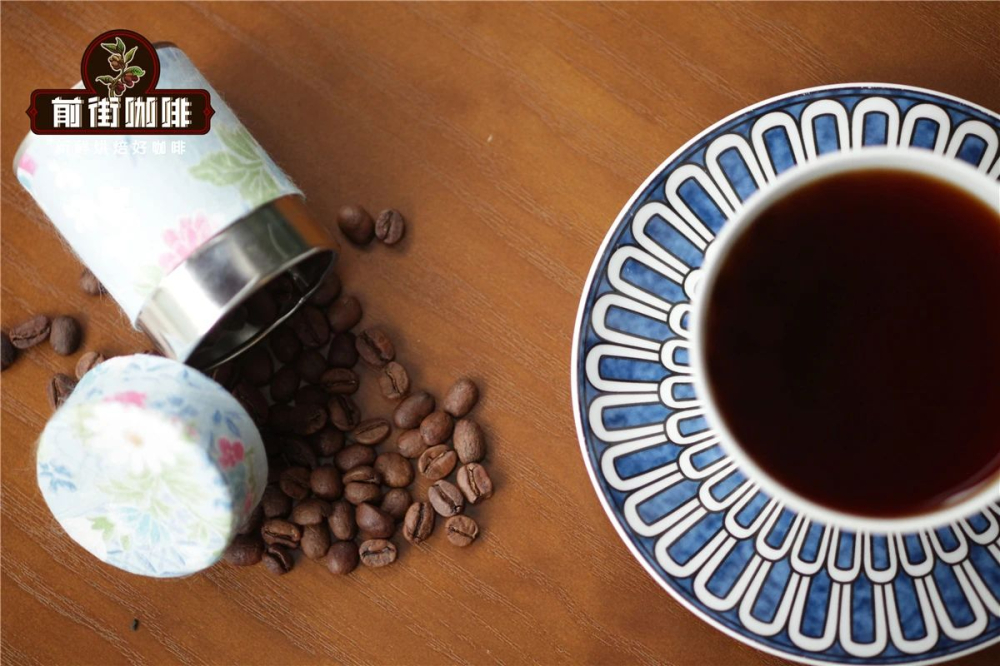
For those who truly wish to experience civet coffee, the brewing method is also crucial.It is recommended to use medium-dark roasted beans and avoid adding sugar or milkto fully appreciate its original flavors. Generally, using a KONO filter dripper for pour over is advised, with water temperature controlled at 88°C, a coffee-to-water ratio of approximately 1:15, and a medium-fine grind (about 75% passing through a No. 20 Chinese standard sieve). This brewing approach enhances its herbal, nutty, and dark chocolate core notes, while showcasing a rich and smooth mouthfeel.
For coffee lovers seeking high quality and ethically produced alternatives, there are actually many excellent options on the market. For example, those who enjoy floral and fruity acidity might try Geisha coffee from Panama; those who prefer bright berry and black tea notes will find Ethiopian Huila beans an excellent choice; if you’re drawn to a balanced nutty and caramel profile, Brazilian beans are a solid recommendation; and if you still want to experience the bold, heavy body characteristic of Indonesian coffee, Golden Mandheling—with its low acidity, full body, and high cleanliness—is also a premium option worth considering.
In summary, although authentic Indonesian civet coffee possesses an unparalleled and unique flavor, its ethical controversies and extremely limited availability make it more of a luxury and novelty item in today’s specialty coffee market. For most consumers, choosing a high-quality bean from a well-known origin, with outstanding flavor and a production process that aligns with animal welfare and sustainability principles, not only delivers an exceptional taste experience, but also makes every sip more reassuring and meaningful.
The above content is compiled by CoffeeHunters, a coffee news website.


