








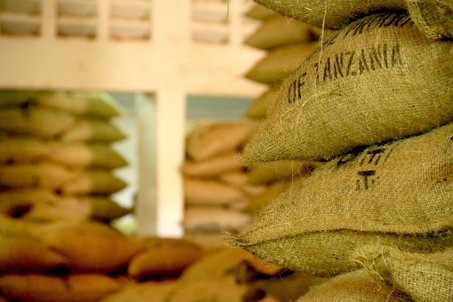
Introduction:Tanzanian coffee is renowned for its two major producing regions — Kilimanjaro and the Southern Highlands — each showcasing distinct flavor profiles. This article delves into the varieties, processing methods, and roasting strategies of both regions, and provides professional three-stage pour over parameters to help coffee enthusiasts select the Tanzanian beans that suit their taste preferences while mastering key extraction essentials.
As an important fine coffee-producing region in East Africa, Tanzania’s coffee culture blends a unique backdrop of geography and history. Among them, Mount Kilimanjaro and the Southern Highlands are the two most representative regions, each nurturing coffee beans with vastly different flavors. From the sweet fruity notes born from volcanic soil to the gentle berry aromas shaped by highland climates, understanding the differences between these two areas is key to appreciating Tanzanian coffee.
Kilimanjaro RegionLocated in northeastern Tanzania, it boasts a unique geographical environment with Africa’s highest peak. Although situated near the equator, the area features distinct climate stratification due to its elevation. The foothills receive about 800 to 900 mm of rainfall annually, while the high-altitude windward slopes can get up to 1600 to 1800 mm. The fertile, slightly acidic volcanic soil offers excellent drainage, providing ideal growing conditions for coffee trees.
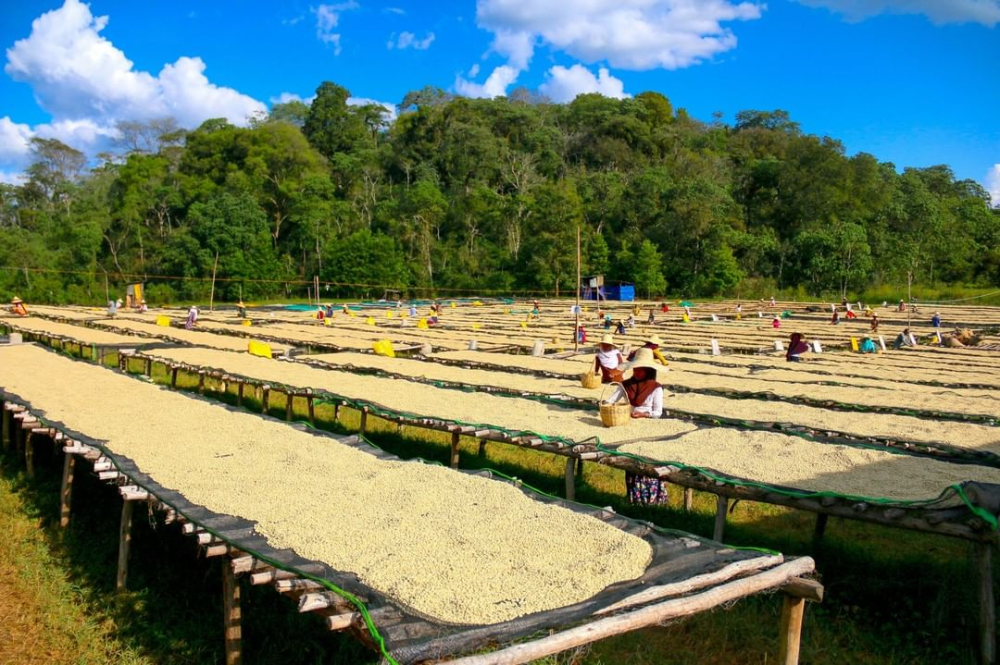
The most notable characteristic of coffee beans from this region is their pronounced sweetness and bright acidity, with common flavors including citrus, nuts, honey, and cocoa undertones. These traits stem from the widely usedwashed processing method: harvested coffee cherries are first sorted to remove impurities, then depulped, fermented in tanks to remove mucilage, thoroughly washed, and dried with precise moisture control, achieving a final moisture content of around 11%. This process not only preserves the purity of the coffee but also enhances the complexity of its flavors.
In terms of variety, the Kilimanjaro region primarily grows the ancientTypica, known for its long, plump beans. Though it has lower yields and is susceptible to leaf rust, it is famed for its outstanding flavor profile. Due to the higher moisture content of the new crop from this Kilimanjaro coffee bean, amedium-light roaststrategy is specifically employed: extending the roasting time after the first crack to promote caramelization and enhance sweetness. During cupping, citrus and nutty aromas are distinctly perceptible at higher temperatures, gradually transforming into cocoa and spice notes as the temperature cools.
For brewing this coffee, it is recommended to use aV60 filter with 15 grams of coffee, a 1:15 coffee-to-water ratio, 90°C water temperature, and a medium-fine BG#6M grind. In practice, a three-stage pouring method is applied: the first stage involves 30 grams of water for a 30-second bloom, followed by pouring in small circles to reach 125 grams before a pause, then continuing until 225 grams when the coffee bed is nearly exposed (total brew time of about 2 minutes). This method highlights the dominant citrus and nut tones while reducing potential astringency after cooling, with a honey-like sweetness and subtle spice layers lingering in the finish.
In contrast,the Southern Highlands regionof Tanzania presents a distinctly different flavor profile. Although also using washed processing and the Bourbon variety, the lower altitude and differing climatic conditions produce coffee beans with richer floral and berry notes, and relatively softer acidity. Cupping reveals distinct berry and fermentation aromas in the dry stage, shifting to floral notes in the wet stage; post-brewing flavors are grounded in citrus, caramel, and nuts, accompanied by lingering fermented aromas.
It’s worth noting that beans from the southern region also maintain a medium-light roast, but the flavor direction emphasizes floral and fruity expressions more prominently. Upon actual tasting, standout berry acidity and soft floral notes can be discerned, with nutty undertones emerging later in the cup. This characteristic makes southern region coffee suitable for drinkers who prefer bright and fresh flavors, offering an interesting contrast to the rich sweetness of Kilimanjaro beans.
From regional characteristics to processing techniques, Tanzanian coffee showcases the diversity of African coffee. The volcanic soil and high-altitude climate of the Kilimanjaro region impart a mineral-like, clear sweetness to the coffee, while the southern region excels in floral-fruity aromas and gentle acidity. Regardless of which beans you choose, it is recommended to adjust grind size and brewing parameters according to personal taste preferences — for example, shortening the bloom time if you prefer stronger fruit acidity, or increasing the coffee-to-water ratio if you seek a fuller body. Through systematic comparison and hands-on tasting, one can better appreciate how Tanzanian coffee earned its reputation as the “gentleman of coffees.”

The above content is compiled by CoffeeHunters, a coffee news website.


