







Introduction:Anaerobic enzymatic washed processing has sparked heated discussions in the specialty coffee community. How exactly does controlling the fermentation environment allow coffee to exhibit a juice-like, bright flavor profile? This article delves into the principles of double anaerobic fermentation, introduces the practical operations at Colombia’s Granja La Esperanza estate, and explores the characteristics of the Caturra variety — guiding you through processing methods, roasting, and pour over parameters to fully grasp the essence of the Rose Valley coffee’s flavors.
In the world of specialty coffee, innovation in processing methods continues to evolve. Techniques such as anaerobic fermentation, enzymatic intervention, and carbonic maceration have emerged one after another, becoming key factors that influence coffee flavor. Among them, anaerobic enzymatic washed processing, while once debated, can actually impart highly distinctive aromas and taste profiles when applied. This article takes Colombia’s Granja La Esperanza estate “Rose Valley” as an example, starting with the principles of anaerobic enzymatic washed processing, and exploring how this technique affects the coffee’s acidity-sweetness balance and fruity expression. It also provides an in-depth analysis of the Caturra variety’s characteristics, as well as recommended roasting and pour over approaches.
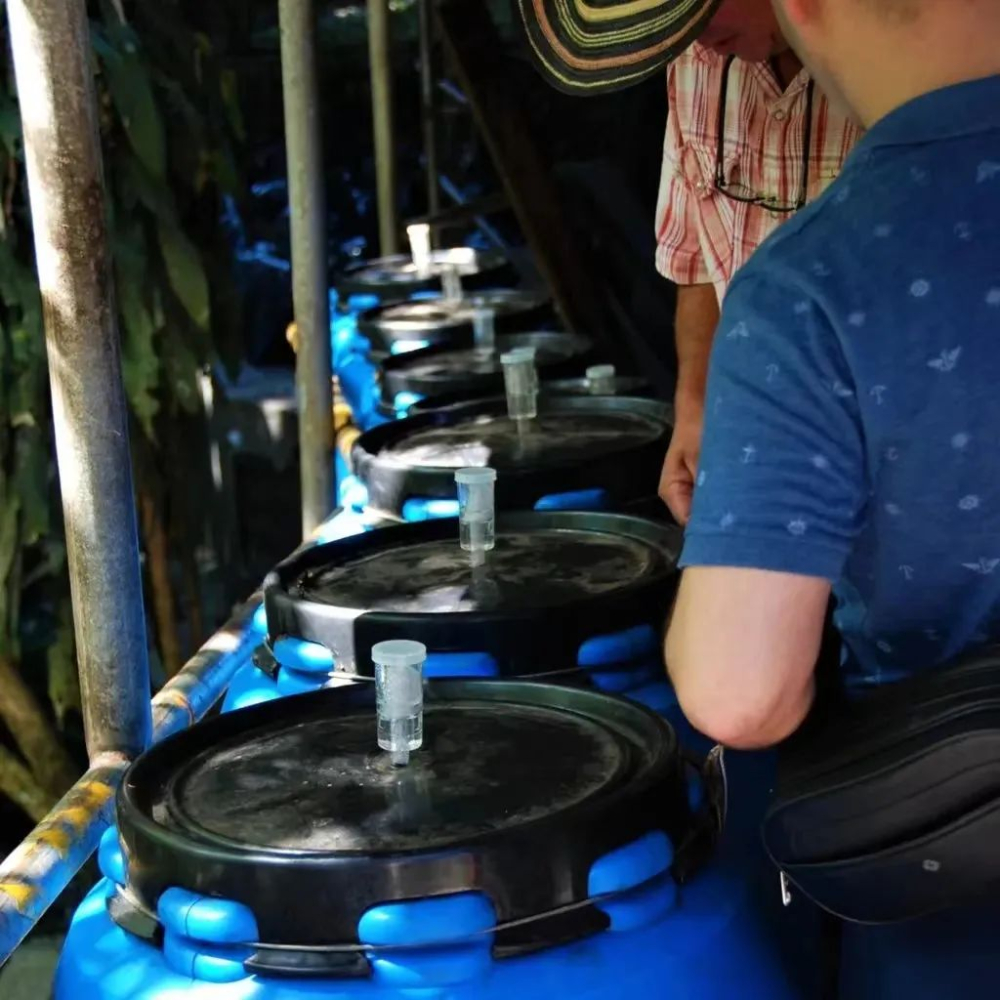
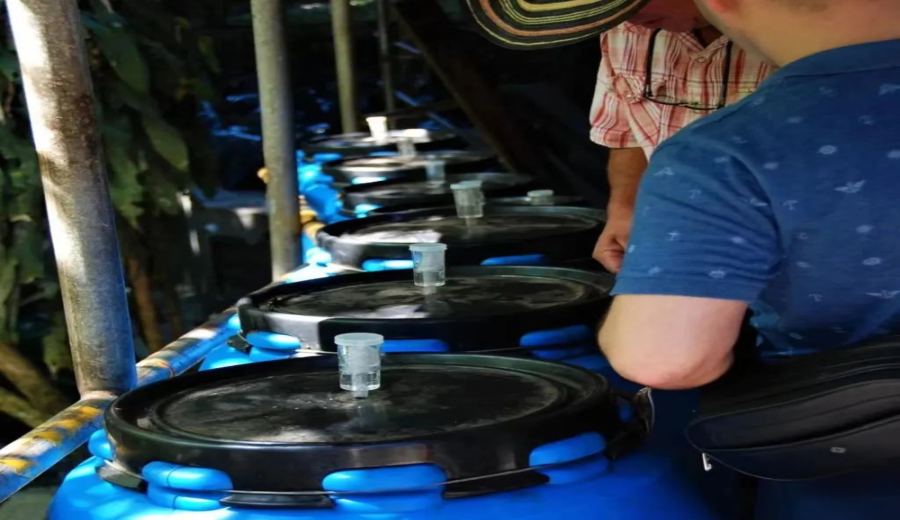
Anaerobic enzymatic washed processing is one of the innovative techniques that has garnered significant attention in recent years. Its biggest difference from traditional washed processing lies in the control of the fermentation environment. Traditional washed processing mainly relies on natural microbes to break down the mucilage, whereas anaerobic enzymatic washed processing occurs in an oxygen-free environment where specific enzymes are artificially added to precisely regulate the fermentation process, thereby guiding out more concentrated and layered flavors. The core of this technique involves using a sealed container and injecting carbon dioxide to displace oxygen, allowing the coffee beans to ferment slowly under anaerobic conditions. This effectively extends the fermentation time while suppressing over-acidification, thus preserving sweetness and fruity notes more fully.
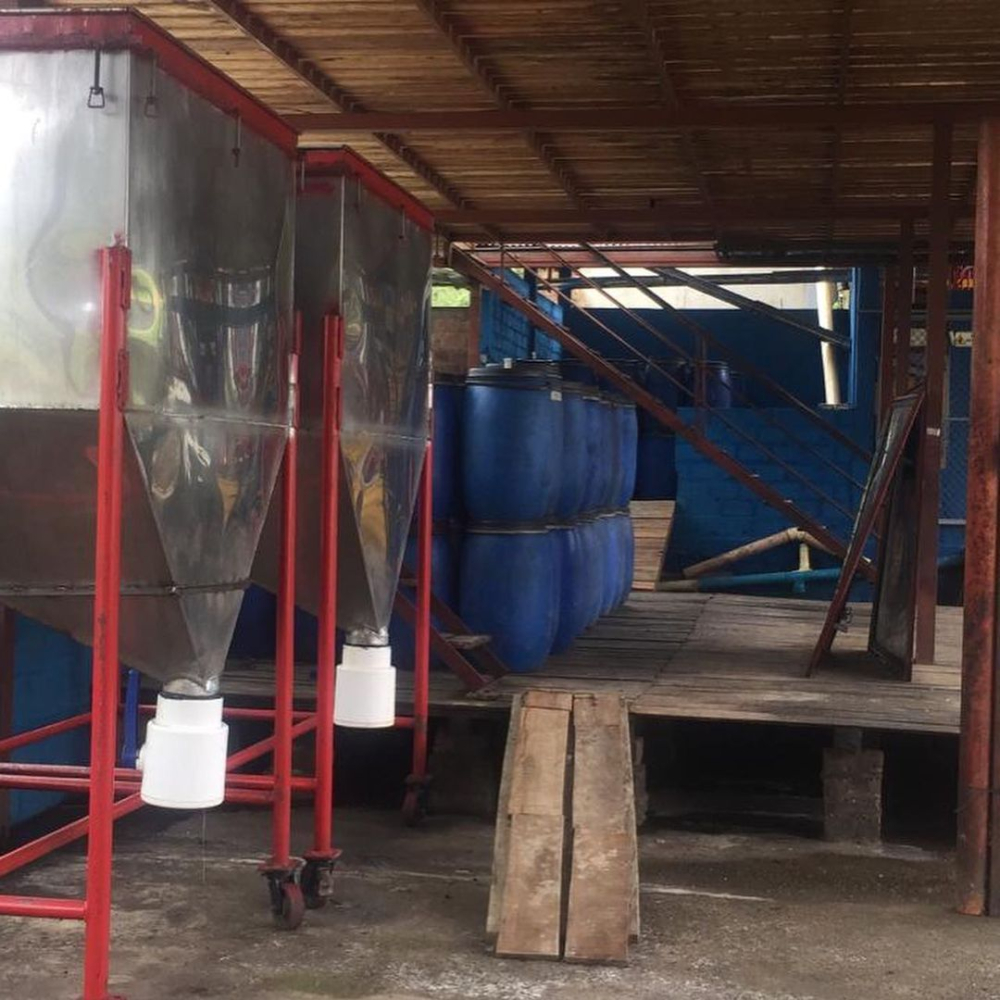
Colombia’s Granja La Esperanza estate is a representative case of this processing method. Its “Rose Valley” coffee beans received widespread acclaim upon launch. The estate has been managed by the experienced farmer Vargas for over twenty years, maintaining strict standards for both harvesting and processing. During the harvesting phase, only fully ripe coffee cherries with bright red skins are selected, and initial sorting removes defective beans via washing. Then, two rounds of anaerobic fermentation are carried out, with carefully proportioned enzyme blends added to further enhance the production of specific flavor molecules. Temperature control is also emphasized during drying, adopting a low-temperature slow-drying approach to ensure stable flavor development.
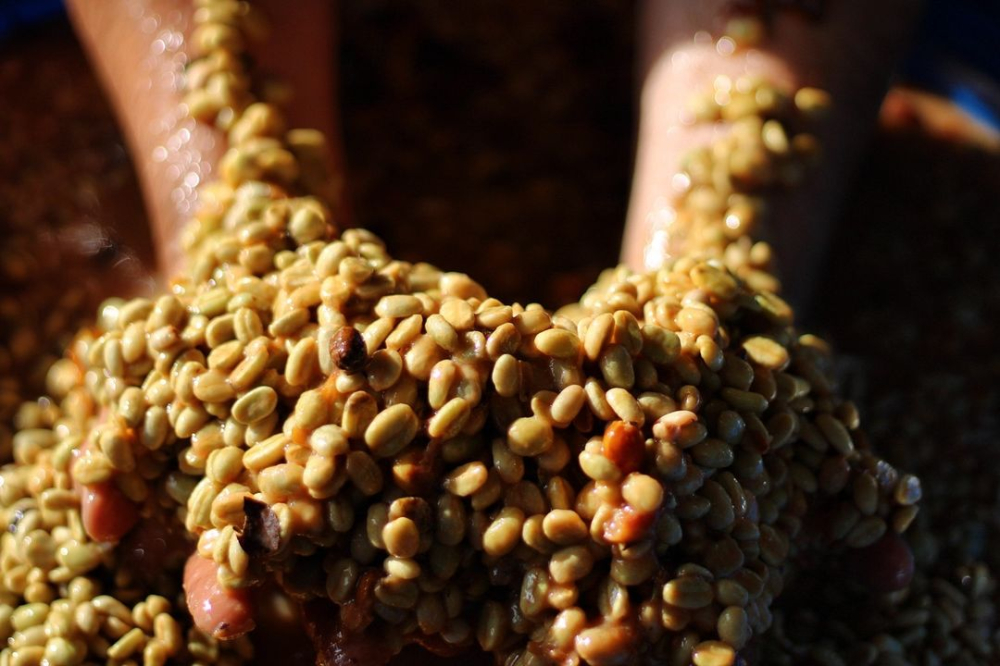
The key to this anaerobic enzymatic washed process is: first removing unripe beans and impurities via washing, then placing the coffee beans into a completely sealed fermentation tank where carbon dioxide replaces oxygen to create an anaerobic environment. This reduces the rapid breakdown of sugars in the mucilage, making the pH change more gradual, thereby extending the overall fermentation time. Ultimately, it fosters richer sweetness and softer acidity, giving the coffee a silky texture similar to juice.
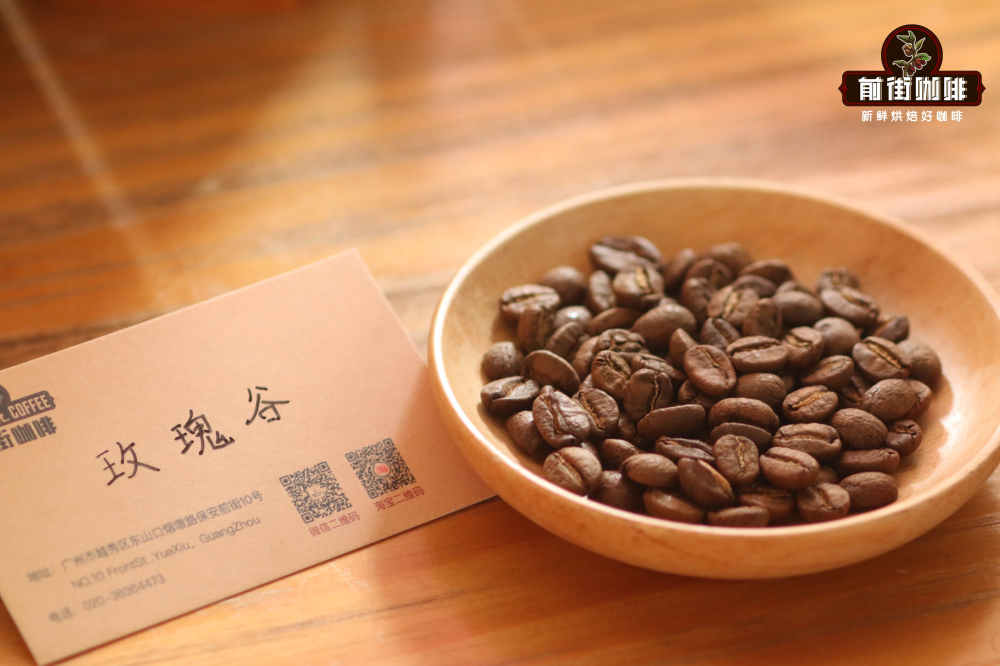
A certain coffee brand’s offering of Colombian Rose Valley is precisely a classic anaerobic enzymatic washed product from Granja La Esperanza. This bean exhibits pronounced peach aroma, along with subtle hints of rose fragrance. The overall flavor is layered, with intense fruitiness and a clear acidity-sweetness balance apparent upon the first sip.
In terms of variety, Rose Valley uses Caturra, a natural mutation of the Bourbon variety. Caturra was first discovered between 1915 and 1918 in a plantation in Minas Gerais, Brazil. At the time, some Bourbon plants underwent genetic mutations that altered their growth patterns, resulting in noticeably shorter plants resembling dwarfs — referred to locally as Caturra, meaning “small,” and sometimes also called Nanico. This mutation not only changed the plant's appearance but also improved planting efficiency.
The compact stature of Caturra makes it suitable for high-density planting, with branches growing closely together to yield more coffee cherries per unit area, significantly higher than traditional varieties. Moreover, the short tree height facilitates harvesting, effectively reducing labor costs and picking losses. In Colombia, Caturra is one of the main cultivated varieties, accounting for about half of the country’s total coffee production. This variety generally features bright acidity, rich aromatic expression, and good sweetness, making it an ideal base for showcasing flavors across many processing methods.
In terms of roasting, since Rose Valley undergoes double anaerobic enzymatic washed processing, to fully express its fruity character and vibrant acidity while maintaining clarity and balanced flavors, the roaster at a certain coffee brand opted for a medium roast. Specific roasting parameters are as follows: using a Yangjia 800N roaster, with a charge of 480 grams, initial drum temperature set to 180°C, air damper at 3, and heat at 130. The turning point occurs around 1 minute and 36 seconds; when the drum temperature drops to 140°C, the air damper is adjusted to 4; at 151.6°C, the yellowing stage begins (around 6 minutes), with the bean surface turning yellow and grassy notes disappearing, followed by the dehydration phase; around 8 minutes and 17 seconds, the bean surface shows wrinkles and dark spots, with toast bread aroma transitioning to coffee aroma — signaling the pre-first crack stage; first crack begins at 9 minutes and 48 seconds. At this point, the air damper is fully opened, and at 188°C the heat is reduced to 80, then at 192°C further reduced to 50. First crack continues for 2 minutes and 10 seconds, with the final drop at 197°C, aiming to preserve optimal fruity acidity and sweetness.
As for pour over recommendations, a Hario V60 #01 filter cone can be used with 15 grams of coffee grounds, a 1:15 powder-to-water ratio, and a medium-fine grind (approximately 80% passing through a #20 sieve), with water temperature controlled at 91°C. The specific extraction steps are as follows: start with a 30-gram bloom for about 30 seconds to allow the coffee grounds to fully expand into a “hamburger” shape — if this isn’t observed, consider whether the beans are fresh or the grind too coarse. The second pour is 125 grams at the 50-second mark, then wait until the water level drops to 2/3 of the coffee bed before the third pour. The third pour is 225 grams at 1 minute and 40 seconds, and once all the coffee has dripped through, the total extraction time is about 1 minute and 50 seconds. Gently swirl before serving.
In terms of flavor, thanks to the double anaerobic enzymatic washed process, Rose Valley coffee exhibits bright acidity, with an overall profile reminiscent of juice — interwoven with sweet notes of grape and strawberry, accompanied by soft floral layers. By contrast, other processing methods like “Floral Moonlight” offer a more balanced expression, featuring floral and berry tones alongside hints of dark cocoa in the finish and a touch of creaminess, with fermentation notes being more restrained.
The above content is compiled by CoffeeHunters, a coffee news website.


