







Introduction:Ethiopian Gesha Village coffees enjoy an outstanding reputation in the specialty coffee world, with a rigorous grading system that includes multiple tiers such as Auction, Gold, Red, Green, and Chaka. This article delves into the origin, proportion, flavor characteristics, and target audience of each grade. Through practical cupping and pour over brewing processes, it helps you grasp the unique personality and optimal extraction method of each bean. Whether you're a beginner or an advanced coffee enthusiast, you can find a Gesha option that suits you.
Located in Ethiopia, Gesha Village is one of the world’s important specialty coffee producing regions. Although the Gesha variety grown here shares the same roots as Panamanian Gesha, it exhibits a distinctly different flavor profile. To help consumers better understand the positioning and quality of each coffee, Gesha Village has established a clear grading system comprising five main batches: Auction, Gold, Red, Green, and Chaka. Each grade has its own unique production volume, scoring criteria, and market positioning.
First, let’s talk about the top-tier Auction batch. This is the crème de la crème of Gesha Village, selected through multiple layers of screening each year, accounting for only about 3.7% of total production. This type of coffee is available exclusively through global auction channels and is highly sought after by collectors and top-tier coffee shops. Auction-grade Gesha typically boasts extremely high cupping scores and complexity, representing the pinnacle of the specialty coffee pyramid.
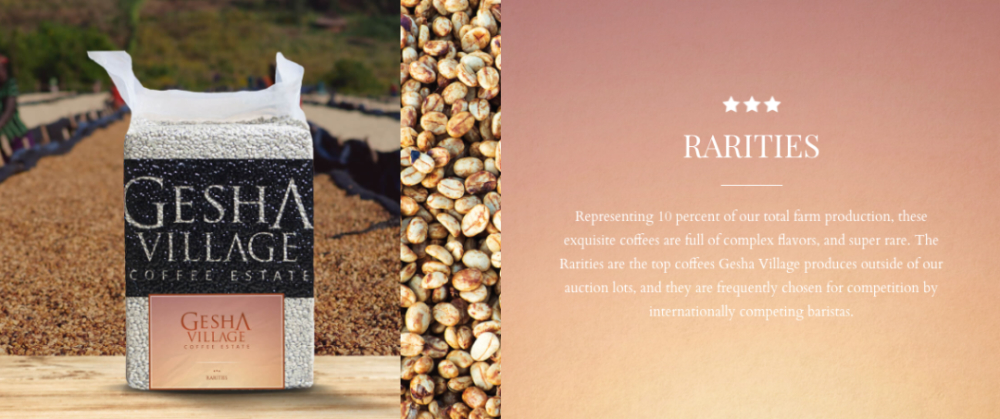
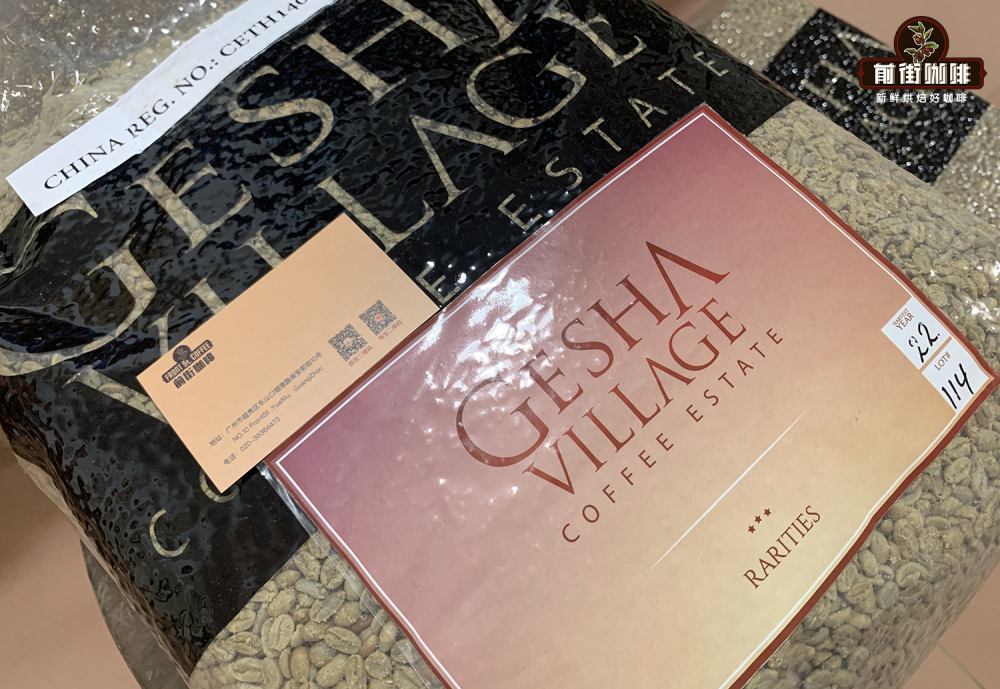
Next is the Gold batch, officially named "Rarities" and commonly referred to as "Treasures" in Chinese. Although this batch does not participate in auctions, it remains the standout among Gesha Village’s non-auction products, accounting for about 10% of the entire estate’s output. In the past, Gold-grade performances may not have been particularly eye-catching, but the quality has improved significantly in recent years. According to actual cupping observations, its flavors can now showcase citrus, jasmine, honey, and tea notes reminiscent of Panamanian Gesha, which is truly impressive.
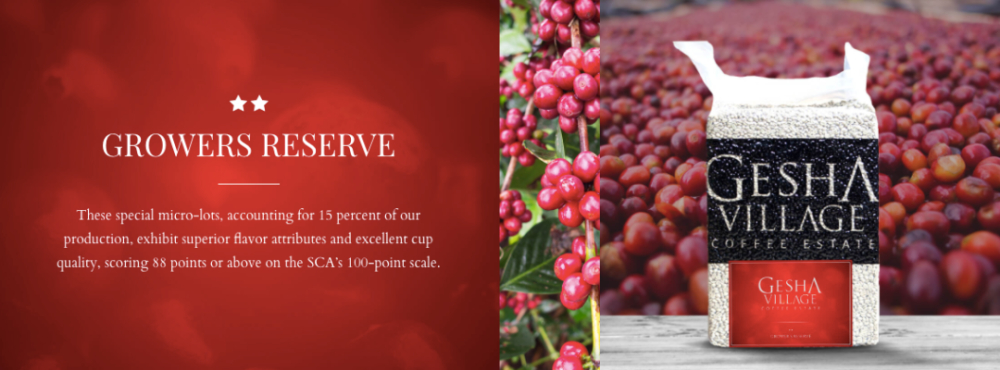
The Red batch, officially called "Growers Reserve" or "Growers’ Protection Area," accounts for about 15% of the estate’s total production. The SCA cupping scores for this grade are generally above 88, with distinct and highly recognizable flavor characteristics. Compared to Gold, Red is slightly inferior in intensity and complexity, but it offers excellent value for money and is very suitable as a single-origin bean for everyday drinking.
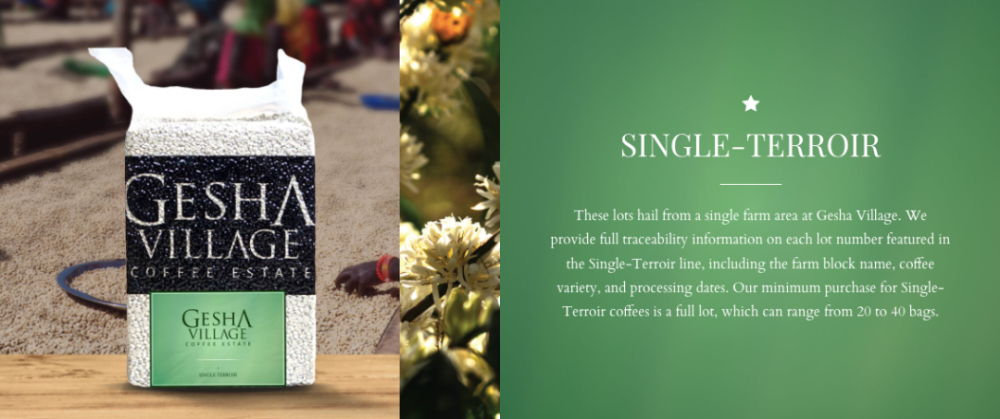
The Green batch is named "Single-Terroir," emphasizing the concept of "single terroir." This series of coffees provides extremely detailed origin information, including specific plots, varieties, processing methods, and harvest times, making it a true single-origin coffee in the fullest sense. Green focuses on traceability and terroir expression, making it ideal for consumers deeply interested in coffee regions and processing details.
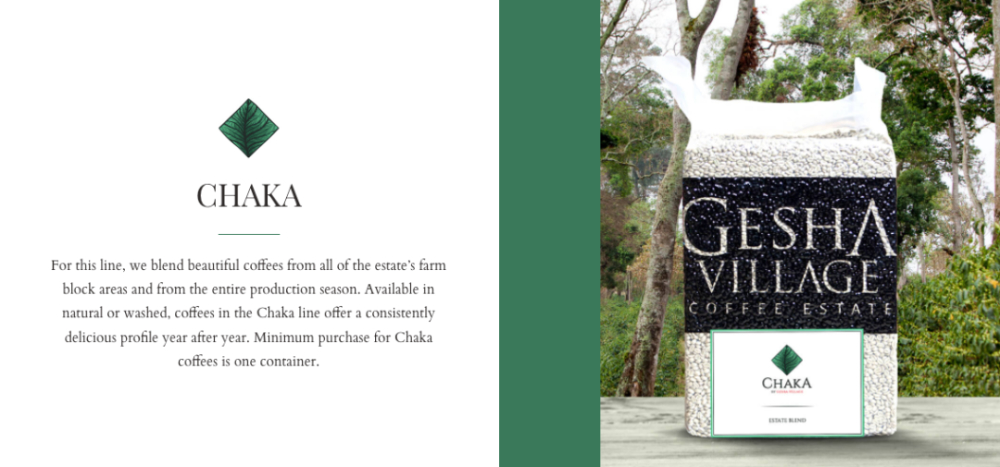
As for the Chaka batch, it is the most accessible option from Gesha Village. This batch blends coffee beans from different plots and varieties without emphasizing fine segmentation or screening, thus representing the entry-level standard of Gesha Village products. Although its flavor complexity is not as rich as other grades, it remains a good choice for those new to Gesha or seeking high-value coffee.
To more intuitively compare the performance of each grade, a professional cupping team conducted detailed evaluations of these beans. During the cupping process, 11.3 grams of coffee beans were used per sample. After grinding, the dry aroma was first sniffed, followed by pouring water at 94°C. Wet aroma changes were recorded within four minutes, and finally, the cupping spoons were used for slurping evaluation. Observations showed that Gold-grade Gesha emitted intense fruity aromas in the dry stage, with floral and berry notes becoming even more pronounced after pouring water. Upon tasting, citrus and creamy tones were evident, with soft acidity and a long-lasting sweetness. The finish had a slight fermented note, and the overall performance was quite balanced.
Among the Red batch, the Gori Gesha exhibited fresh notes of tropical fruits, bergamot, and lemon, accompanied by creamy sweetness and mild fermentation undertones. As the temperature dropped, jasmine floral notes emerged, with the aftertaste shifting toward the sweetness of toffee and almonds. The Green-grade Gesha stood out with its berry sweetness, offering a full-bodied mouthfeel with layers of cherry, red berry, and honey. The fermented aroma lingered in the aftertaste, resulting in a rich and vibrant overall flavor.
In terms of roasting and processing, Gesha Village mostly employs medium-light roasting to preserve the floral and fruity sweetness brought by sun-drying. During the sun-drying process, coffee cherries are first floated to remove impurities, then placed on African raised beds in thin layers and covered with plastic sheeting to control the drying environment. The entire drying process lasts 18 to 30 days, during which the beans are repeatedly sorted to remove defective ones, ensuring the highest final quality.
For pour over brewing recommendations, many enthusiasts use a 1:15 coffee-to-water ratio, with water temperature around 90°C and a medium grind size. One team recommends a three-stage pouring method: the first stage involves pouring 30 grams of water for a 30-second bloom, the second stage uses a small stream to circle-pour up to 125 grams, and after the water level drops, the third stage continues pouring up to 225 grams. The total extraction time is controlled to around two minutes. This method fully highlights the delicate flavors and layered complexity of Gesha beans.
Overall, the Gold batch is the most popular for its intense jasmine floral notes and citrus juice-like mouthfeel, with a honey and fruit-sweet aftertaste. The Red batch excels in balanced flavor and prominent nutty notes. The Green batch features noticeable acidity and a rich mouthfeel, with a fermented wine-like aroma in the aftertaste. The Chaka batch is dominated by mild citrus and grapefruit acidity, making it suitable for beginners looking to explore.
The above content is compiled by CoffeeHunters, a coffee news website.


