







Introduction:Delve into the tradition and refined craftsmanship of the coffee bean natural processing method, and explore its profound impact on flavor. This article details the step-by-step differences between natural and honey processing, analyzes their performance variations in aroma, sweetness, and acidity, and recommends five highly acclaimed natural-process pour over coffee beans. These include information on origin, altitude, variety, and nuanced flavor profiles to help you find your own natural coffee experience.
A significant part of a coffee’s unique flavor stems from its processing method, and among these, the oldest and most iconic is the natural process. This article will begin with the basic steps of traditional natural processing, analyzing its pros and cons and how it shapes coffee flavor. It will then delve into the specifics of honey processing, using Ethiopia’s Yirgacheffe as a case study to examine its more meticulous processing steps and the resulting complex layers. Finally, we’ll recommend five highly representative specialty-grade natural-process coffee beans, providing pour over enthusiasts with a comprehensive buying reference covering origin, altitude, variety, and flavor profile.
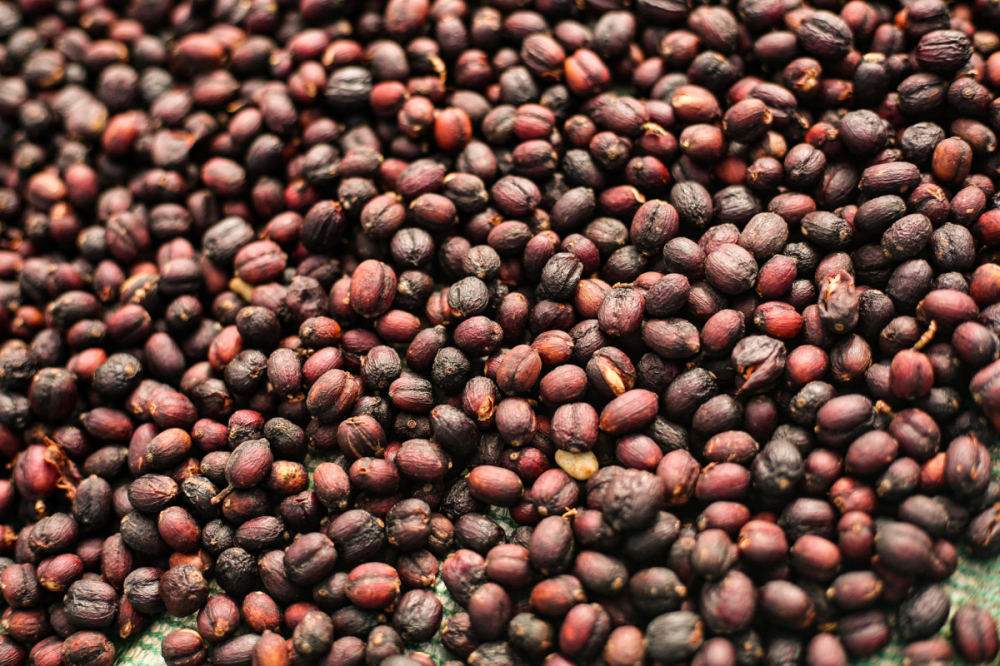
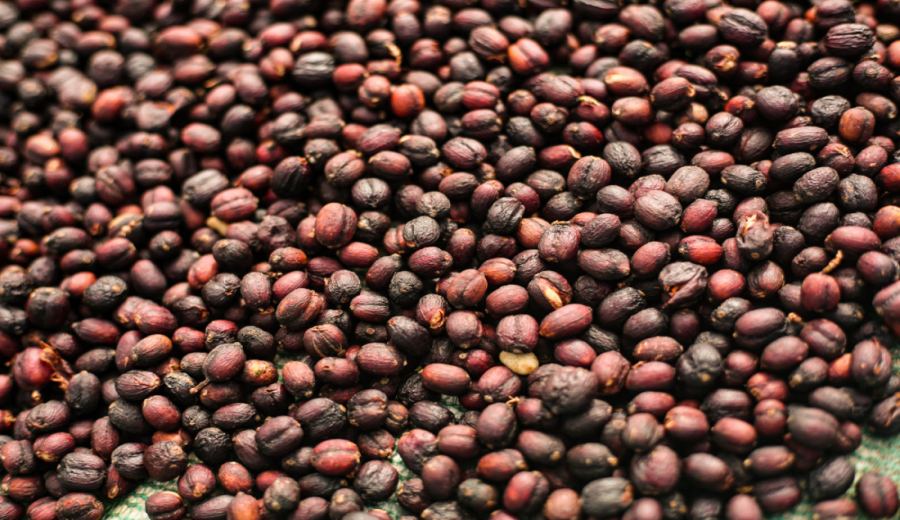
Traditional natural processing, simply put, involves naturally drying the entire coffee cherry in the sun. After harvesting ripe red cherries, farmers evenly spread them on drying beds to be continuously exposed to sunlight for about a week—though the actual duration is flexibly adjusted based on local weather conditions. During the drying process, the cherries must be frequently turned to ensure even drying. Once the skin and pulp are fully dried and blackened, turning a deep brown, a hulling machine is used to remove the outer hard pulp and parchment layer. The beans are then manually sorted to eliminate defective ones, completing the entire process.
The advantage of this processing method lies in its very low cost, as it requires no additional energy or equipment and relies solely on natural sunlight. For this reason, natural processing is also one of the oldest and most traditional coffee processing methods in the world. However, it has quite a few limitations—for example, it requires large drying areas, making it unsuitable for regions with limited land resources or rainy climates. Additionally, because it’s difficult to precisely control the moisture content of each coffee bean during drying, poor management can easily lead to uneven fermentation or mold, resulting in a relatively higher defect rate. Nevertheless, in terms of flavor, because the pulp naturally ferments during drying, natural-processed coffee typically has richer fruitiness, sweetness, and wine-like notes, with softer and more subdued acidity, delivering an overall full-bodied and warm flavor.
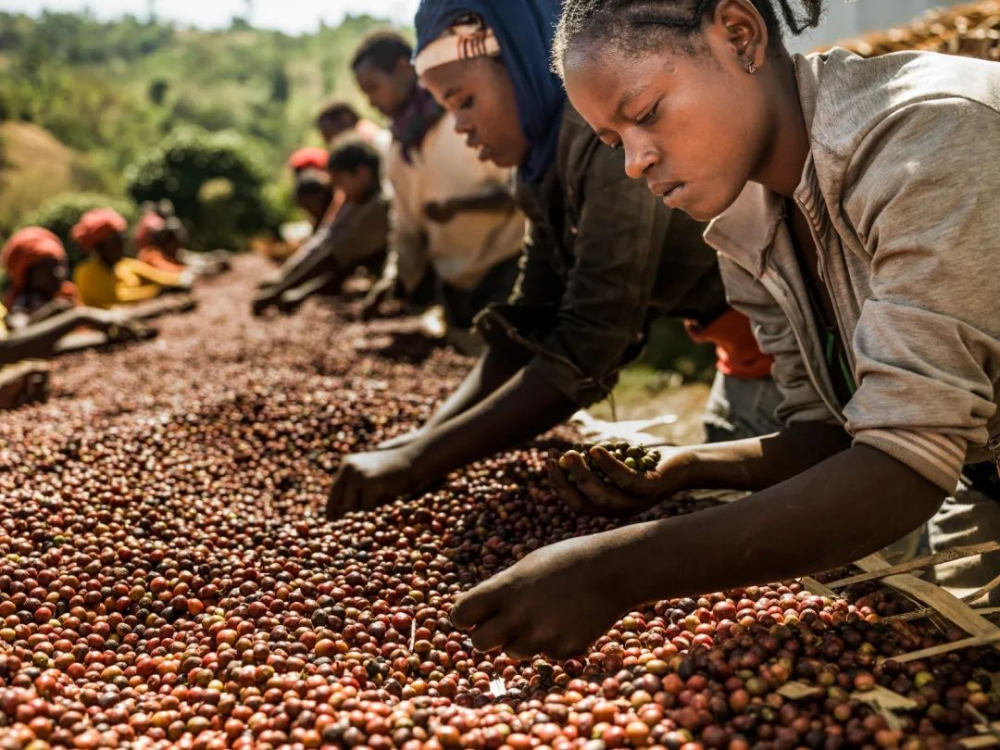
Compared to traditional natural processing, honey processing is more meticulous in its steps, especially in Ethiopia’s Yirgacheffe. During the harvesting stage, farmers first conduct strict manual sorting to remove unripe beans, overripe fruits, insect-damaged cherries, and other defective ones, keeping only the highest-quality red cherries. Next, these pre-selected coffee cherries are sent to specialized drying sites. Depending on the conditions of the producing area, they may be dried under waterproof tarps, on raised beds, or—most commonly—on African-style raised beds. The drying period usually lasts 27 to 30 days, during which the cherries are frequently turned to ensure even heat exposure until the outer appearance turns dark purple and the moisture content is stably reduced to around 11%, at which point the processing is complete.
With such meticulously managed natural processing, Yirgacheffe often exhibits greater richness and complexity. In terms of flavor, in addition to pronounced sweetness and wine-like fermentation notes, it often carries more delicate fruit tones and a higher overall balance. Though the acidity is soft, it is more three-dimensional, making it a paragon of specialty-grade natural processing in the eyes of many coffee lovers.
If you want to personally experience the charm of natural-process coffee, it’s recommended to choose a well-reputed specialty roaster. They usually have stricter quality control over bean sourcing, processing details, and roast levels. When selecting, pay special attention to information about origin, altitude, and variety—all of which directly influence the final flavor expression.
Below are five specialty-grade natural-process coffee beans that have received excellent market feedback. Each offers unique flavor characteristics, suitable for pour over brewing and for further exploring the diverse expressions of natural processing:
The above content is compiled by CoffeeHunters, a coffee news website.


