







Introduction:How did the Hua Kui coffee evolve from the 2017 TOH champion bean to today’s Hua Kui 8.0? This article delves into the Japanese cultural roots behind the name “Hua Kui,” traces its relationship with Geisha (Artisan) coffee, and details the origin, variety, processing method, and flavor evolution of each version from Hua Kui 2.0 to 8.0. It also provides professional roasting and pour over parameter recommendations to help coffee enthusiasts fully understand this popular Ethiopian bean.
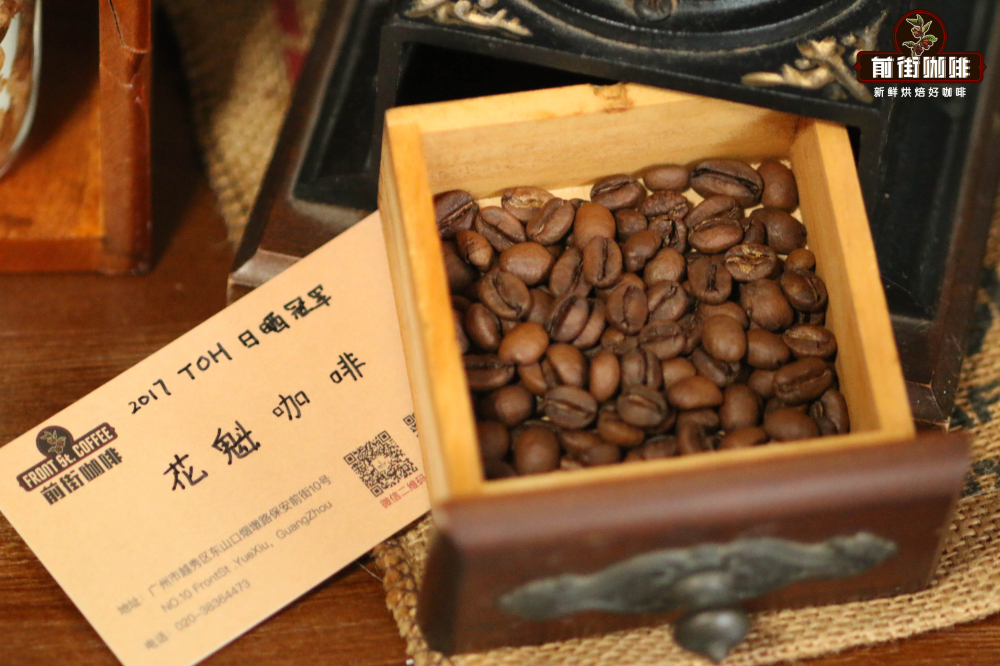
Hua Kui and Geisha, both names originate from the Japanese term for performing artists, but in the coffee world, they represent two distinct beans with unique flavor profiles. The rise of Hua Kui coffee began in 2017 when a natural lot from Ethiopia’s Buku Abel washing station won the TOH (Taste of Harvest) green coffee competition with its intense strawberry and creamy aroma. Later introduced to the Chinese market, this bean outperformed many Geisha entries and was thus named “Hua Kui,” meaning “the foremost geisha,” symbolizing its exceptional status.
The Origin of the Name “Hua Kui” and Early Development
In 2017, Ethiopia’s DW Coffee Company submitted several of its beans to the TOH competition, where a natural lot from Buku Abel washing station stood out and won the Ethiopian regional championship. These beans were not only aromatic but also helped contestant Li Jianfei secure second place in the China Brewers Cup. Among many Geisha entries, this natural lot from Buku Abel shone brightly, hence earning the title “Hua Kui,” signifying its top-tier position in the competition. It is important to note that strictly speaking, only the 2017 championship lot can be called the “original Hua Kui.” However, due to strong market response, Hongshun Coffee continued to import beans from Buku Abel in the Hambella region and subsequently released versions Hua Kui 2.0, 3.0, up to 6.0 and 8.0.
Evolution and Flavor Differences Across Hua Kui Versions
Since the launch of the original Hua Kui in 2017, Hongshun has successively imported lots from various harvests of Buku Abel washing station in the Hambella region, naming them Hua Kui 2.0, 3.0, 3.1, 4.0, 5.0, 6.0, and the latest 8.0 based on year and batch. Though all from the same broad region, these beans vary slightly in flavor due to yearly differences in climate, processing details, and varieties. For example, Hua Kui 3.0 had less pronounced strawberry notes, Hua Kui 4.0 featured more prominent berry sweetness, Hua Kui 5.0 exhibited a bright citrus tone and yellow floral character, while the 2024 Hua Kui 8.0 is distinguished by complex fruit aromas including floral, jackfruit, dried fruit, and apricot, along with a rich juiciness.
It’s worth noting that many consumers mistakenly believe “Hua Kui” is an official Ethiopian region name, but internationally, only Hambella is recognized. “Hua Kui” is a unique term used in the Chinese market for this series of premium natural beans. To confirm authenticity, check whether the beans were imported by Hongshun Coffee, rather than relying solely on flavor.
Regional Background and Variety Characteristics
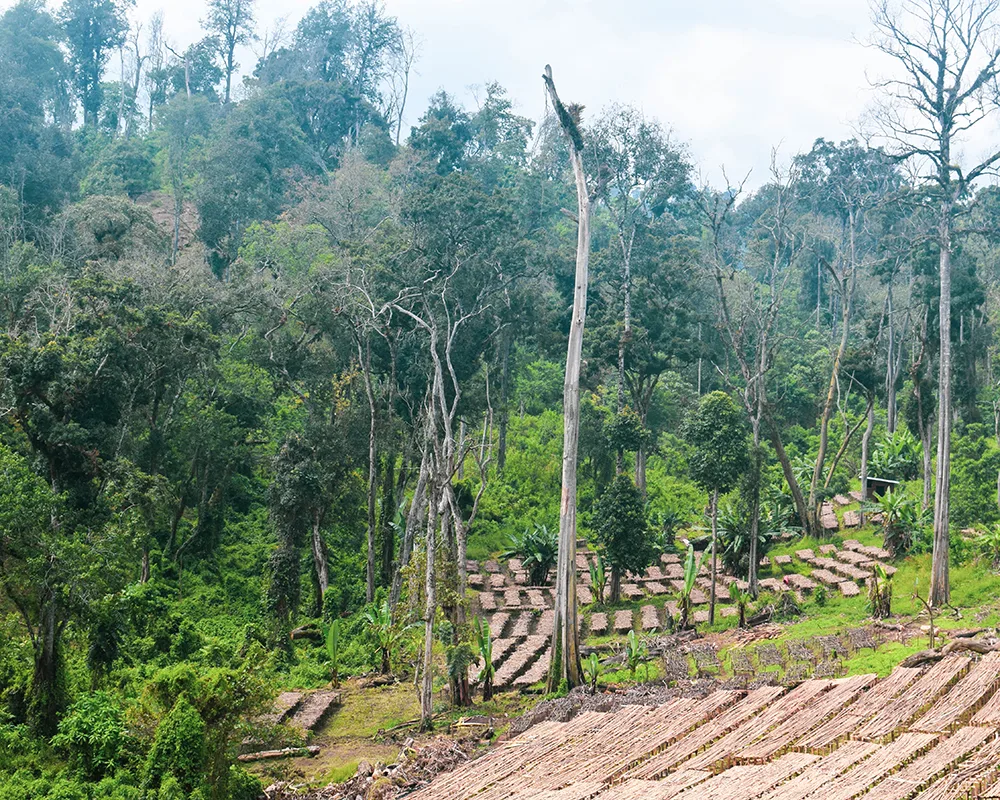
The Hua Kui series mainly comes from the Buku Abel washing station in the Hambella area of the Guji region, Sidama Province, Ethiopia. This village is located on the southeastern plateau at an altitude of about 2350 meters, within a primitive tribe of around 30,000 people, surrounded by wild coffee forests with minimal human intervention. Local farmers often intercrop coffee trees with native banana trees. The variety used in Hua Kui 4.0 is Dega, which was among the top 28 finalists in the 2020 Ethiopia Cup of Excellence (CoE). Regarding the origin of the name Dega, some say it was inspired by a type of flint wood, while others explain it means “highland and shaded area” in Amharic, highlighting its suitability for high-altitude cultivation.
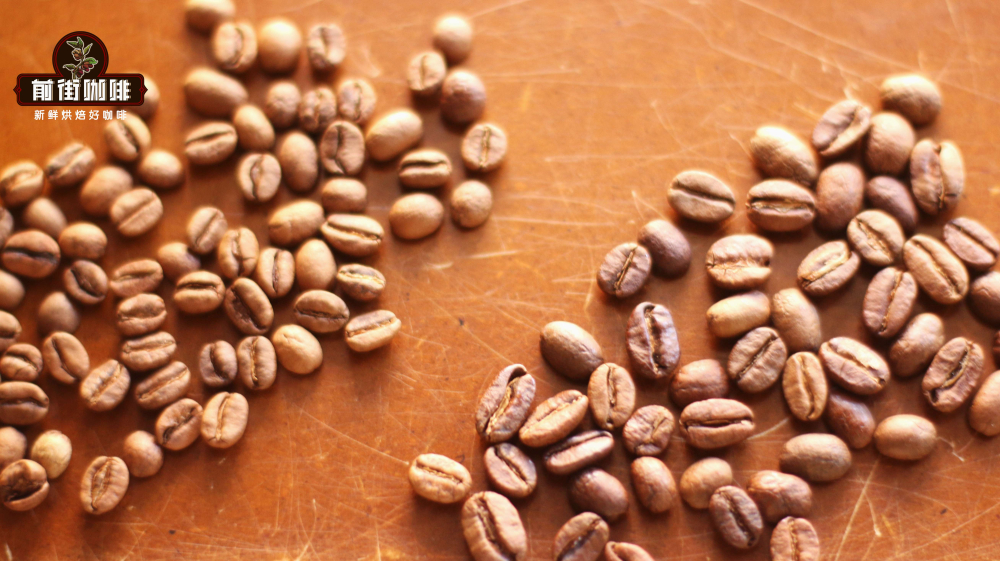
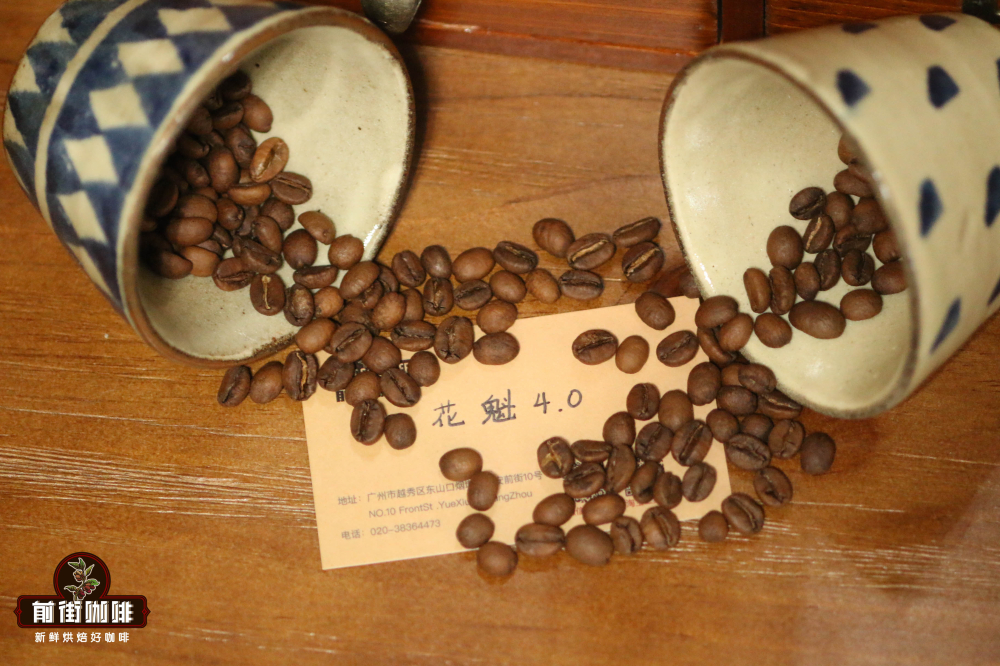
Additionally, Hua Kui 3.0 mostly consists of Ethiopian native varieties with relatively uniform bean size and screening. In contrast, Hua Kui 4.0 switched to the Dega variety, featuring smaller and unscreened beans of varying sizes, which is one of the key visual characteristics for identifying the batch.
Processing Method and Roasting Recommendations
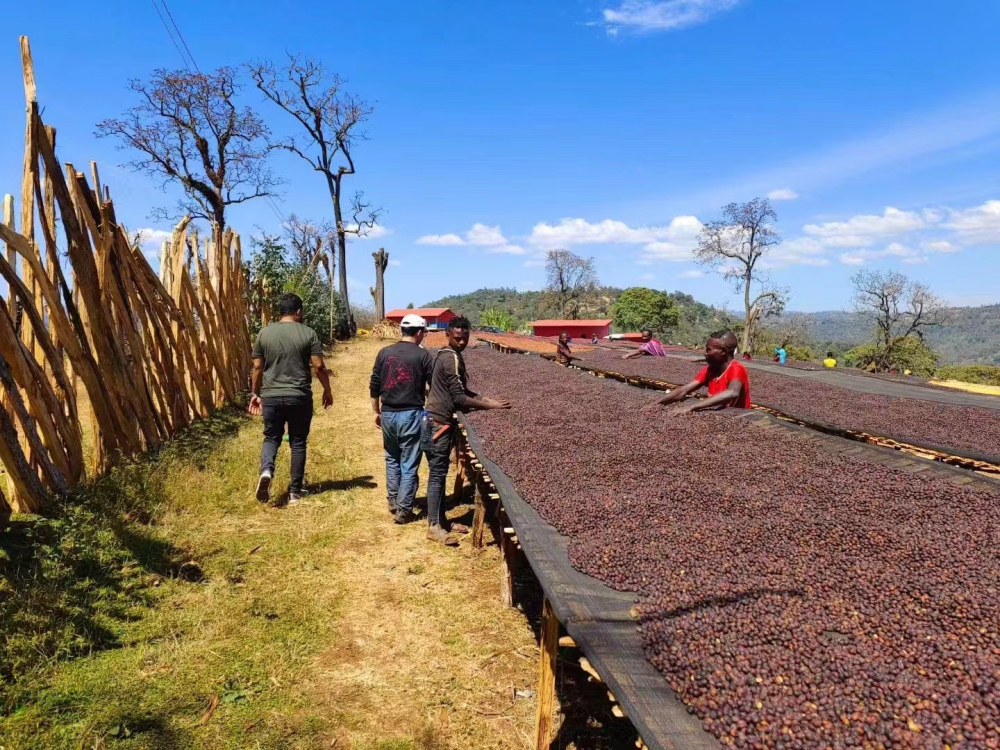
All Hua Kui series beans are processed using the natural (sun-dried) method to enhance sweetness and fruity notes. As the series expanded, DW established additional washing stations such as Buku Saysay, Haro Soresa, and Tirtiro Goye, broadening their sourcing. Therefore, starting from Hua Kui 5.0, it has become difficult to clearly identify which washing station the beans came from. For roasting, it is recommended to use medium-light to medium roast levels to highlight its floral and fruity profile while retaining moderate caramel notes. Using a Taiwanese Yangjia 800N roaster as an example, suggested parameters are: inlet temperature 190°C, reaching the yellowing point around 150–153°C, first crack starting at approximately 9 minutes 50 seconds, with first crack development time controlled between 1 to 1 minute 30 seconds. Adjust the air damper and heat as needed, and the beans can be dropped when a strawberry jam aroma is detected around 193°C.
Pour Over Parameters and Extraction Recommendations
To fully showcase the rich layers and fruity character of Hua Kui coffee, it is recommended to use a V60 filter cone with higher water temperature and finer grind size, while controlling extraction flow rate to avoid over-extraction. Suggested parameters are: water temperature 90°C, coffee-to-water ratio 1:15, 15 grams of coffee, grind size passing 80% through a Chinese No. 20 sieve. Use a three-stage pouring method: the first pour 30 grams for blooming over 30 seconds; the second pour 120 grams in a circular motion from the center outward, taking about 1 minute total; the third pour 90 grams, then remove the V60 once dripping finishes, aiming for a total brew time of around 2 minutes 05 seconds. This method highlights Hua Kui’s citrus acidity, juicy body, and black tea-like finish.
Flavor Profile of the Latest Hua Kui 8.0
In 2024, the Hua Kui series welcomes its eighth generation—Hua Kui 8.0. Following previous naming conventions, this batch also hails from the Sidama Guji Hambella region, at an altitude of about 2250 to 2350 meters, and is processed naturally using local native varieties. In terms of flavor, Hua Kui 8.0 presents pronounced floral, jackfruit, dried fruit, and apricot aromas, coupled with a rich juice-like mouthfeel, making it ideal for coffee lovers who enjoy vibrant fruitiness and layered complexity.
The above content is compiled by CoffeeHunters, a coffee news website.


