







Introduction:Honey processing is a hallmark technique of Costa Rican coffee, where varying levels of mucilage retention shape unique sweetness and complex aromas. This article delves into the steps of honey processing, the grading logic behind yellow, red, and black honey, compares key differences with washed and natural processes, and further presents flavor profiles of each method through cupping tests—along with pour-over parameter recommendations to help you find your ideal beans.
The processing method of green coffee beans is one of the key factors that determine a coffee’s flavor profile. Beyond the common washed and natural processes, honey processing—with its unique technique of retaining mucilage—has gained widespread popularity in Central America, especially in Costa Rica, becoming one of the most representative processing methods in the region. This article will thoroughly break down the operational procedures of honey processing, the basis for different honey color grades, compare its core distinctions from washed and natural processes, and also guide you through an intuitive understanding of how various processes affect sweetness, acidity, and aroma through actual cupping, along with pour-over suggestions to help you identify the beans that suit your taste best.
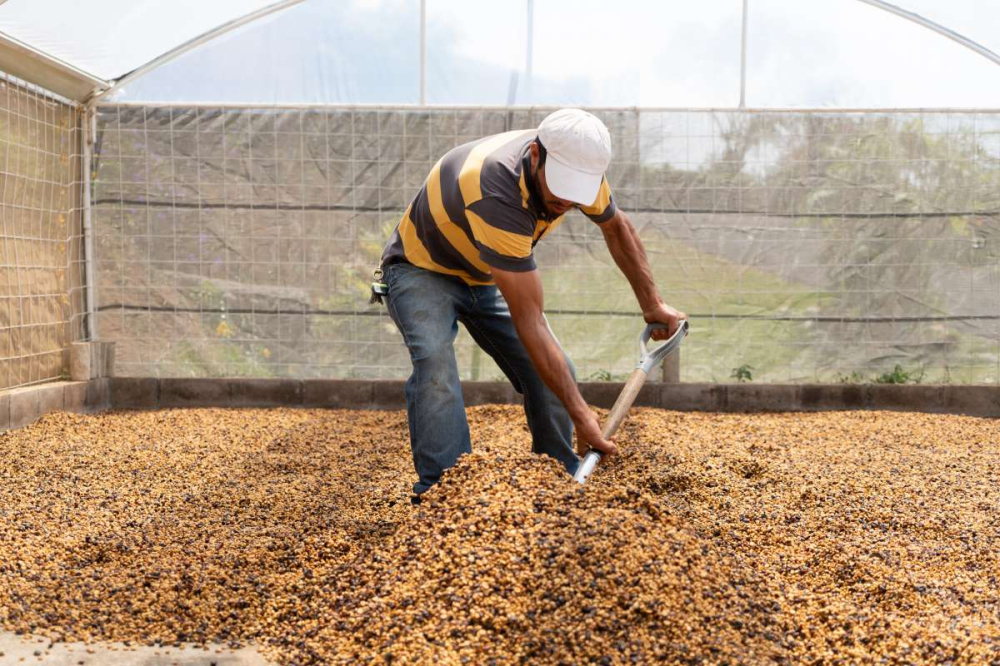
 Currently, the global processing methods for green coffee beans can be mainly divided into three categories: washed, natural, and honey. Additionally, Indonesia has its distinctive wet-hulled method. Among these, Costa Rica almost exclusively adopts the honey processing technique, which is also extremely popular in the Central American region. The standard procedure for honey processing is as follows: first, the coffee cherries are placed in a water tank for flotation to remove unripe or defective beans; then the skin and pulp are removed, but the sticky mucilage layer is deliberately retained—resulting in the coffee beans being coated with a significant amount of mucilage; finally, these mucilage-covered beans are directly spread out to dry under the sun.
The dividing line between honey and washed processing lies in the retention or removal of mucilage. In the washed method, after removing the skin and pulp, the beans are soaked in a water tank, allowing the mucilage and pectin to naturally dissolve and detach in the water, so that the final beans have almost no mucilage on their surface; whereas honey processing retains this mucilage layer entirely—that is the most fundamental difference between the two. When the moisture content of the beans drops to about 11%, the honey processing is considered complete.
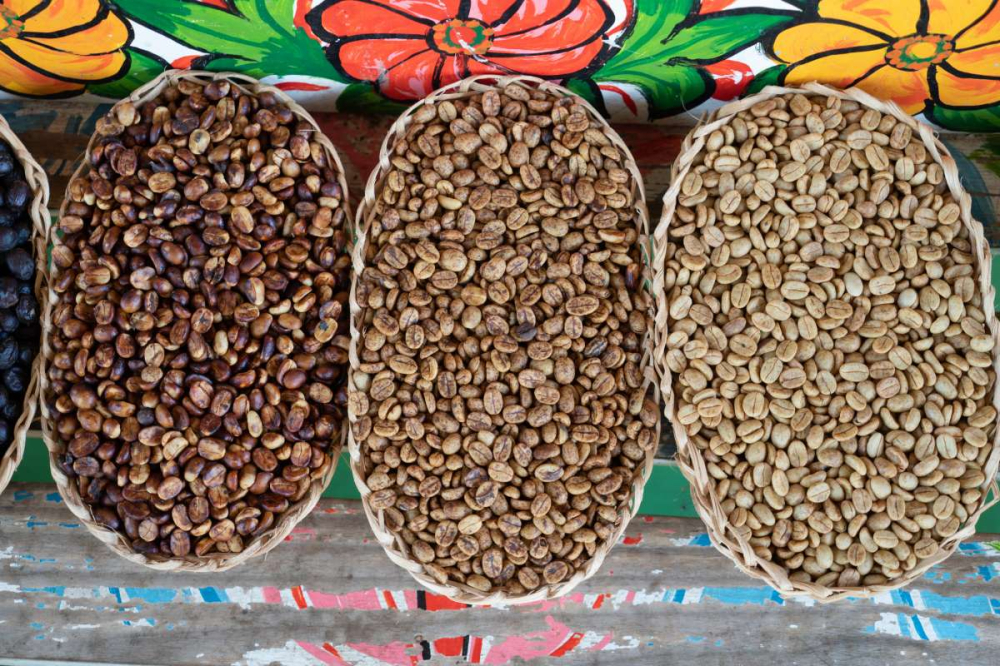
 It’s worth noting that honey processing is further subdivided into grades based on the proportion of mucilage retained. Typically, beans with about 40% of the mucilage removed are called “yellow honey”; those with 25% removed are classified as “red honey”; and those where none of the mucilage is removed—100% retained—are called “black honey.” These different honey color grades directly influence the final flavor expression of the coffee—generally, the more mucilage retained, the richer the sweetness and the more complex the aroma.
During the drying stage, honey-processed beans require extra attention. Due to the residual mucilage on the surface, the beans are prone to sticking together; if not turned in time, this may lead to mold or over-fermentation. Therefore, the drying process of honey processing is more time-consuming and labor-intensive compared to natural processing—natural drying involves laying out the entire coffee fruit to dry directly, which, although free from the issue of bean adhesion, takes a longer overall drying period due to the presence of the fruit husk.
Costa Rica has also developed a derivative technique of honey processing—anaerobic honey processing. Taking the well-known Mozart Coffee as an example, this technique involves artificially controlling the fermentation environment to further stabilize and enhance flavor expression. A common practice is: after removing the outer skin and pulp of the coffee cherry, the mucilage is retained and placed into a sealed fermentation tank, where it undergoes a three-day fermentation at a low temperature of 10 to 15 degrees Celsius, followed by sun drying. This process locks in specific aromatic molecules, making the coffee flavors more concentrated and consistent.
What specific flavor differences do various processing methods actually bring to coffee? We conducted a direct comparison through actual cupping tests, using the pour-over method to more precisely capture the characteristics of each process.
Take the raisin honey-processed coffee beans from Costa Rica’s Miramar Estate (yellow honey grade) as an example. This bean highlights the natural sweetness of honey processing with a light roast, while preserving fruity notes and delicate floral aromas. For pour-over, it’s recommended to use a water temperature of 91 to 92 degrees Celsius (a higher temperature such as 88°C, though suitable for some subtle flavors, may weaken the richness of the honey process), with a 1:16 powder-to-water ratio and a standard dosage of 15 grams. Employ a three-stage pour-over method: first, wet the filter paper and preheat the equipment; the first pour adds 30 grams of water for a 30-second bloom; the second pour uses a small stream to circle and add water up to 125 grams, then pause and wait for the water level to drop; the third pour continues until 225 grams, with a total extraction time of about 2 minutes. These parameters can fully extract the bean’s rich mouthfeel and high sweetness.
Cupping results show: the Miramar Raisin Honey processed coffee exhibits distinct jasmine floral aromas, with notes of raisin sweetness and strawberry taffy-like sweetness on the palate, and a texture as smooth as nutty cream; the washed Yirgacheffe features bright citrus and lemon acidity as the main axis, paired with intense jasmine floral notes, and a light and elegant mouthfeel, similar to a refreshing lemon tea; the natural Red Cherry displays mature tomato aromas and vivid floral notes, with flavors of cherry tomatoes and black plums on the palate, lively acidity, pronounced berry sweetness, and a lingering finish with the warmth of brown sugar; the Lintong Mandheling has a base of herbal and medicinal notes, accompanied by dark chocolate and caramel aromas, with a sweet aftertaste.
Overall comparison reveals: among the four processing methods, honey-processed coffee beans have the highest sweetness and rich floral notes; natural processing comes next in sweetness but presents a more expressive overall profile; washed processing excels in bright acidity and a refreshing mouthfeel; the Indonesian wet-hulled method imparts unique spice and herbal flavors, with a special sweet aftertaste. These differences are precisely the unique charm that various processing methods bring to coffee.
The above content is compiled by CoffeeHunters, a coffee news website.


