







Introduction:Jamaican Blue Mountain coffee is globally renowned for its balanced acidity, sweetness, and bitterness, coupled with a rich mouthfeel. However, to fully showcase its classic flavor profile, precise control over water temperature, filter choice, and pouring rhythm is essential. This article delves into the key pour-over parameters for medium-dark roasted Blue Mountain No. 1, including a water temperature of 88°C, the Kono filter, a 1:15 coffee-to-water ratio, and a step-by-step breakdown of the bloom and three-stage pouring technique. It also compares it with Blue Mountain Geisha, helping you master the brewing essentials and flavor potential of this legendary bean.
The reason Jamaican Blue Mountain coffee is the dream choice of coffee enthusiasts worldwide lies not only in its exquisite balance of acidity, sweetness, and bitterness, along with its rich mouthfeel, but also in its unique growing region and stringent grading system. To truly brew Blue Mountain coffee to its classic standard, selecting the right beans is only part of the equation—water temperature, filter type, and pouring rhythm are equally indispensable. This article begins with the background of Blue Mountain coffee’s regional certification, combines practical pour-over experience, and provides a detailed analysis of the brewing parameters for medium-dark roasted Blue Mountain No. 1: including the recommended 88°C water temperature, the suitable Kono filter, a 15-gram dose with a 1:15 coffee-to-water ratio, and a step-by-step guide to the three-stage pouring method after the bloom. Additionally, it compares the performance of Blue Mountain Geisha to help you gain a more comprehensive understanding of this legendary coffee’s flavor characteristics and brewing essentials.
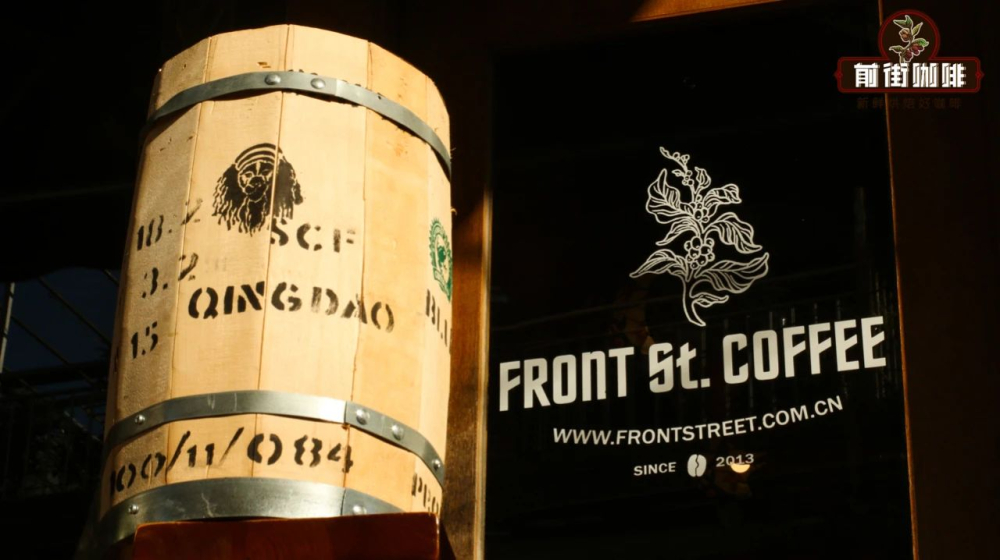
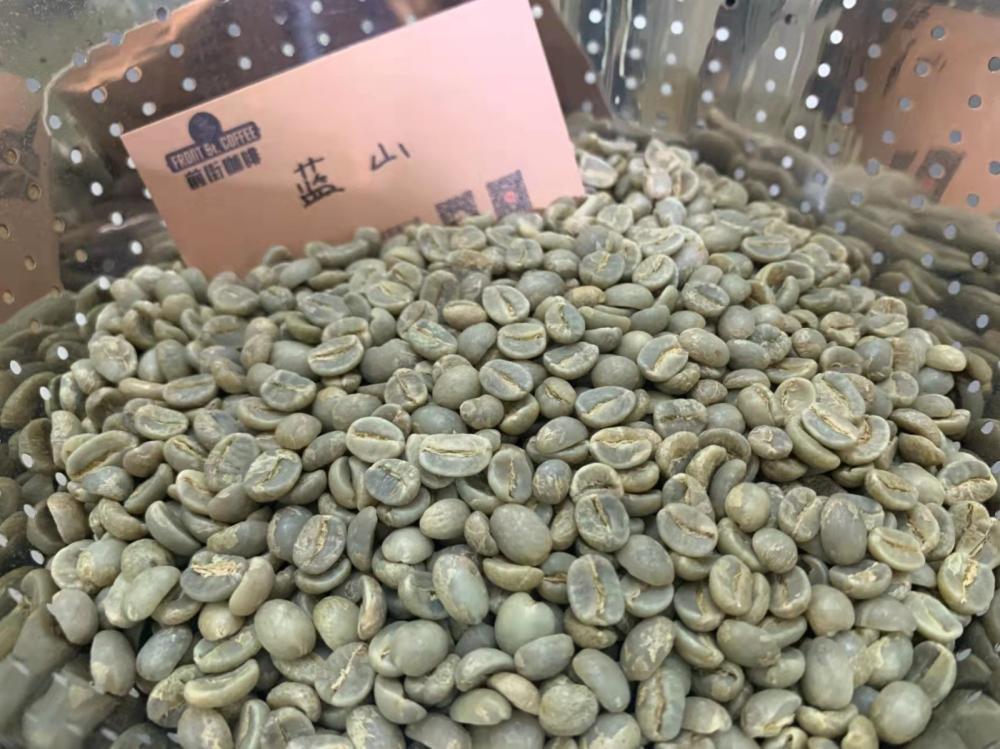
Enjoying an authentic cup of Jamaican Blue Mountain No. 1 coffee is actually not as out of reach as one might think. But to confirm its authenticity, there are a few simple yet crucial identifiers: First, the beans must come with a Blue Mountain coffee certification issued by the Jamaican government; second, the green beans are imported in wooden barrels, not the common burlap sacks; finally, the wooden barrels will feature the green frog logo of the Rainforest Alliance certification on the exterior. These three features are key indicators for distinguishing genuine Blue Mountain No. 1.
However, does that mean any coffee grown in the Blue Mountain region can be called Blue Mountain coffee? The answer is no. According to the strict standards of the CIB (Jamaica Coffee Industry Board), only coffee grown at elevations above 1,000 meters in the Blue Mountain region qualifies as Jamaican Blue Mountain coffee. In contrast, coffee grown in the Blue Mountain region at elevations below 1,000 meters is classified as High Mountain coffee. While its flavor and quality are slightly inferior to Blue Mountain coffee, it is still considered high-quality and is often referred to as the “sibling variety” of Blue Mountain coffee. It’s important to note that only coffee grown within the Blue Mountain region can bear the name “Blue Mountain coffee.” Even if it is located within Jamaica but outside the Blue Mountain area, it is strictly prohibited from using the Blue Mountain name.
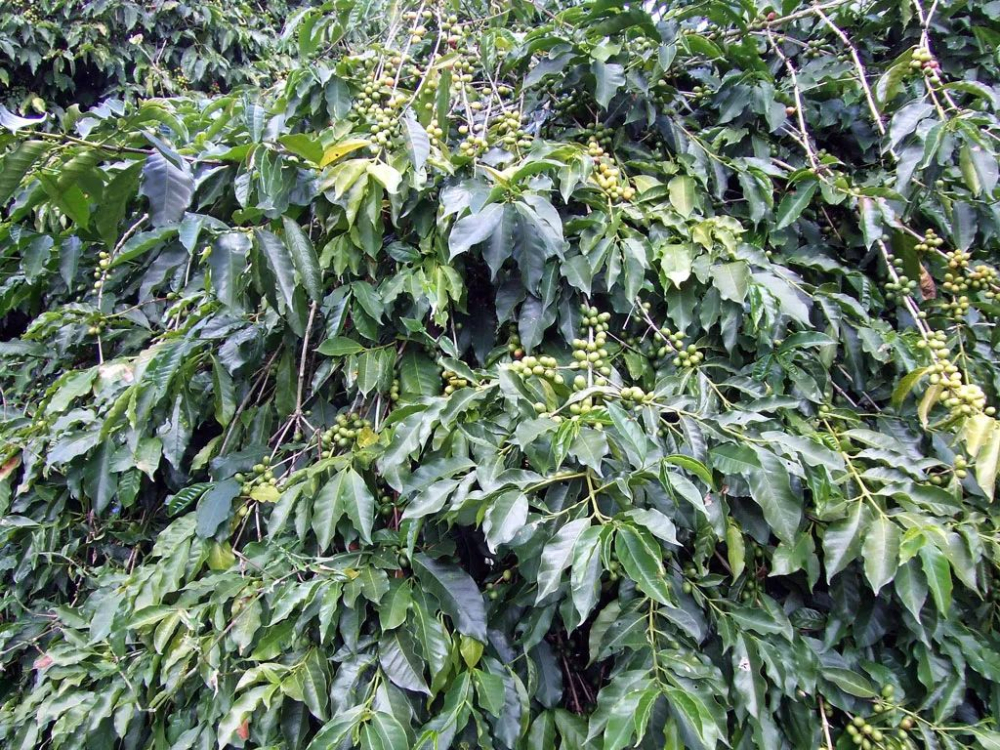
The CIB has designated approximately 6,000 hectares of exclusive growing areas within the Blue Mountain range and strictly stipulates that only Typica variety coffee produced in this region can be named “Blue Mountain coffee.” Coffee produced in other areas is classified as High Mountain coffee or Jamaican Prime coffee. According to CIB’s classification, the main growing elevations for Blue Mountain coffee range between 910 and 1,700 meters, distributed across the parishes of St. Thomas, St. Mary, St. Andrew, and Portland, which together account for about one-third of the total Blue Mountain growing area.
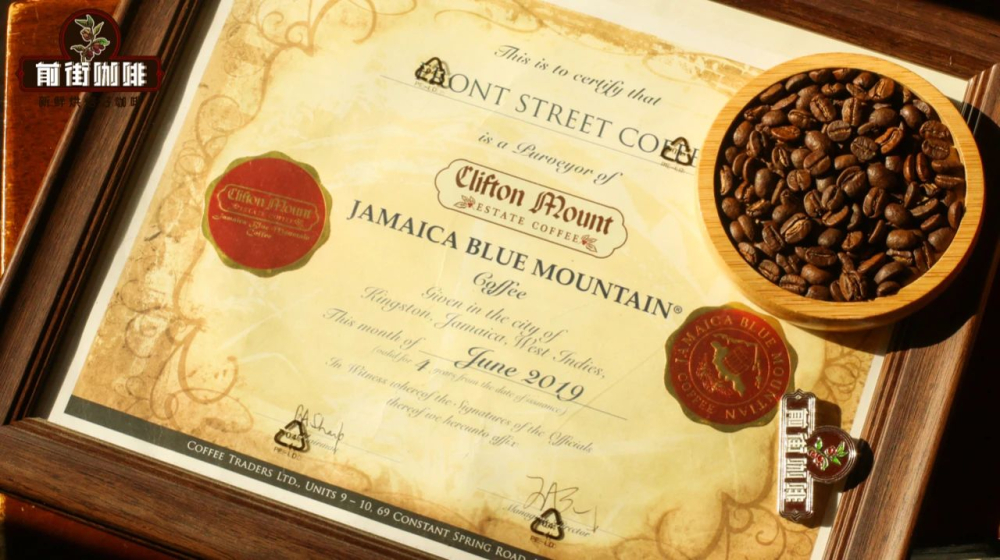
The well-known Blue Mountain No. 1 favored by many coffee enthusiasts mostly comes from the Clifton Estate, located at an elevation of 1,310 meters within the Blue Mountain region. This estate is one of the largest coffee plantations in the area, though by international standards, it is still considered small-scale. Many of the estate owners here are small landholders whose families have been cultivating coffee for over two centuries. The Clifton Estate is recognized as a world-renowned source of premium Blue Mountain coffee and is the only coffee plantation in the Blue Mountain region to have received Rainforest Alliance certification. As a result, the barrels exporting Blue Mountain No. 1 from this estate bear the green frog logo of the Rainforest Alliance.
When it comes to the varieties of Blue Mountain coffee, the most traditional and classic is Typica. The Typica variety in Blue Mountain was first introduced from Martinique in the 1720s and has taken root in the Jamaican Blue Mountain region for over 200 years. Over this long period, Blue Mountain Typica has gradually developed stronger disease resistance, particularly notable for its significantly better resistance to berry disease compared to typical Typica. However, the unique sweet and fragrant flavor profile of Blue Mountain Typica is difficult to replicate outside Jamaica’s distinctive microclimate.
It’s worth mentioning that in 2020, a certain well-known estate launched coffee beans of the Geisha variety. According to reports, these Geisha beans may have originated from Panama’s Elida Estate, though this claim has not been officially confirmed. The Geisha variety typically requires high-altitude conditions to express its rich floral characteristics, such as the renowned Finca Elida, where Geisha is grown at elevations of over 1,500 meters. In contrast, the average elevation of the Blue Mountain coffee-growing region is only about 1,310 meters. Therefore, cupping tests by a certain brand revealed that the floral notes of Blue Mountain Geisha are not pronounced, with only a faint hint of jasmine detectable upon careful tasting.
So, is Blue Mountain coffee really delicious? How does it perform in terms of flavor? If you ask professional baristas, they often describe it as: “Blue Mountain No. 1 defines the benchmark flavor of a great cup of coffee.” This is because Blue Mountain coffee is celebrated for its exceptional balance of acidity, sweetness, and bitterness, along with outstanding richness. While it may not match the captivating floral and fruity notes of Geisha in terms of flavor complexity; nor the bright and vibrant acidity of Ethiopian beans; nor the direct and pronounced sweetness of Brazilian beans; nor the full-bodied texture of Southeast Asian varieties like Mandheling—it is precisely this balanced and classic flavor profile that has made Blue Mountain coffee a long-standing favorite among global coffee enthusiasts. Drinking Blue Mountain is not just about savoring a cup of coffee, but also experiencing a piece of history and culture.
How can you brew Blue Mountain coffee to fully highlight its unique flavor? Taking medium-dark roasted Blue Mountain No. 1 as an example, a certain brand’s roasters aim to emphasize its balanced acidity, sweetness, and bitterness by choosing a roast level between medium-light and medium-dark. The specific roasting parameters are as follows: the drum temperature is set to 165°C when charging the beans, with an initial flame power of 130 and an air damper opening of 3; at the turning point of 1 minute and 32 seconds, the drum temperature drops to 95.8°C, with the flame power remaining unchanged; at 3 minutes, the air damper is adjusted to 4, and at 4 minutes, the flame power is increased to 140. When the drum temperature drops to 153.3°C, the bean surface turns yellow and the grassy aroma completely dissipates, marking the start of the drying phase; by 8 minutes and 36 seconds, the bean surface shows distinct wrinkles and dark spots, and the coffee aroma shifts to a toasted bread-like scent, signaling the pre-first crack stage. After hearing the first crack, it begins around 10 minutes and 6 seconds and continues to develop for 3 minutes, with the beans finally dropped at 198.5°C.
Due to the medium-dark roast level of Blue Mountain coffee, its flavor release and extraction method also require special adjustments. Baristas from a certain brand typically opt for the Kono filter for pour-over brewing, as its design effectively enhances the coffee’s richness. The Kono filter features radially arranged ribs, distinctly different from the spiral ribs of the V60, and its smaller filtration holes result in a slower filtration speed, leaning more toward immersion-style extraction. This helps achieve a fuller expression of the coffee’s flavor.
Regarding brewing water temperature, since Blue Mountain coffee is medium-dark roasted, a water temperature of 88°C is recommended. This temperature ensures that the coffee’s flavor compounds are fully released during brewing while avoiding over-extraction due to excessively high temperatures or under-extraction caused by temperatures that are too low.
The specific brewing parameters are recommended as follows: use the Kono filter, a 15-gram coffee dose, a 1:15 coffee-to-water ratio, a medium-coarse grind size (approximately 75% extraction through a standard 20-mesh sieve), and a water temperature controlled at 88°C.
During actual brewing, it is suggested to start with a 30-gram bloom for 30 seconds, followed by slow circular pouring from the center outward using a small stream of water, adding a total of 95 grams (scale reading 125 grams). Once the coffee bed has settled to about half its height, switch to a larger stream to pour 100 grams of water, bringing the total water volume to 225 grams. After all the coffee liquid has dripped through the filter, remove the filter to end the extraction. The total brewing time is approximately 1 minute and 59 seconds. Due to the use of a multi-stage extraction method, it is recommended to stir the coffee liquid thoroughly before drinking to achieve a more uniform flavor experience.
The final brewed Blue Mountain coffee typically presents flavors of black chocolate and nuts upon entry, with a clean and bright mouthfeel, moderate richness, and a well-balanced acidity, sweetness, and bitterness. It is a brew that fully showcases the classic traits of Blue Mountain coffee.
The above content is compiled by CoffeeHunters, a coffee news website.


