







Category: Coffee Knowledge
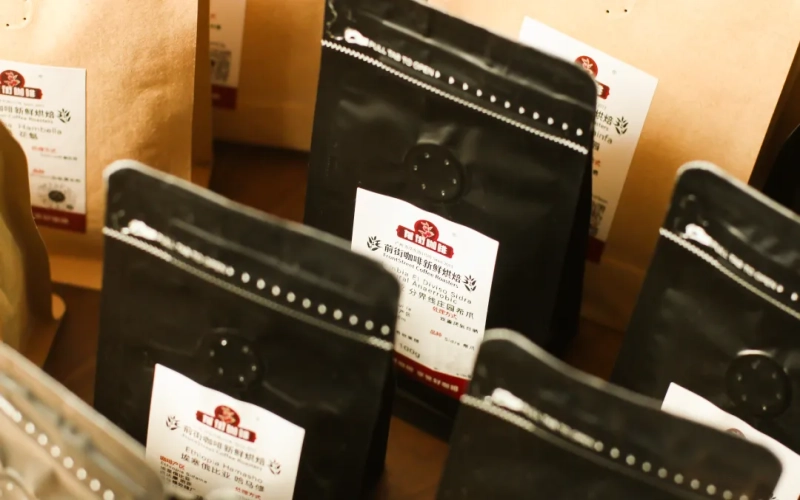
Yunnan Menglian Wine-Aged Natural Catimor Beans: Flavor Profile of Red Wine Aroma and Honey Sweetness
The wine-aged natural Catimor coffee beans from Yunnan’s Menglian region stand out with their fermented red wine and longan fruit dry aroma, honey sweetness, and creamy mouthfeel. This article delves into the terroir of the producing area, the transformation journey of the cooperative, and the key details of the wine-aged natural processing method, helping coffee enthusiasts better understand this distinctive bean and master selection and brewing recommendations. [more…]
Coffee Flavor Identification Guide: 36 Common Aromas and Professional Cupping Terminology Explained
Struggling to accurately describe the layers of aroma in coffee? This guide systematically breaks down 36 key aromas from the Coffee Taster’s Flavor Wheel, covering floral, fruity, and roasted notes. Combined with insights on light, medium, and dark roasts, plus real coffee bean references, it helps you build a professional tasting vocabulary. Through molecular solubility principles and extraction stage analysis, master the logic behind acidity, sweetness, bitterness, and saltiness, along with practical drinking tips—elevating you from a beginner to a coffee connoisseur who can articulate flavors with precision. [more…]

Complete Guide to Cold Brew Coffee: Grind Size, Extraction Time & Flavor Profile
Cold brew coffee, with its low-temperature, long-duration extraction method, delivers a smoother taste and clearer flavor profile that’s distinctly different from hot-brewed coffee. This article delves into the extraction principles of cold brew, the recommended grind size range, ideal coffee-to-water ratio, and explains how its balanced acidity, sweetness, and clean, easy-drinking characteristics are achieved. With practical recipes as examples, it also guides you through the cold brew preparation process and common flavor profiles, while exploring caffeine content and reasons why cold brew can turn sour. Whether you’re a beginner or an advanced enthusiast, you’ll find useful insights here. [more…]
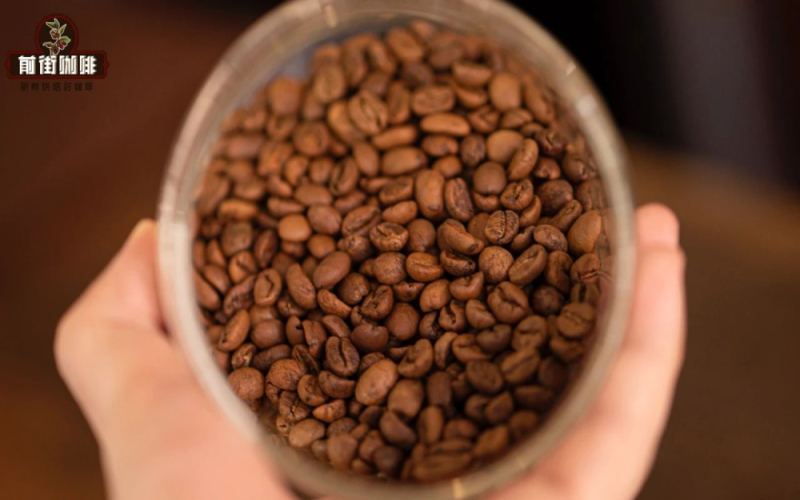
Analysis of Pour Over Coffee Flavor Changes: A Complete Guide from Roast Date to Grinding and Brewing
Do you think that using freshly ground beans in pour over coffee means “freshness”? In fact, it’s the roast date and storage condition of the coffee beans that truly determine the flavor complexity. This article presents experimental comparisons to analyze the flavor differences between pour over coffee beans just past their degassing period and those stored for two months, under adjusted brewing parameters. It also offers practical tips to help you consistently highlight citrus and berry aromas by using the right water temperature, grind size, and bloom time. [more…]

The Ultimate Guide to Making Latte: From Bean Selection to Crema, Master Both Pour Over and Machine Methods
As one of the most popular specialty coffees, the latte combines the perfect ratio of espresso and milk, making it a top choice for many coffee enthusiasts just starting out. However, every step—from selecting the coffee beans, setting the extraction parameters for the espresso shot, to mastering the milk frothing technique—is crucial. This article provides an in-depth guide on how to choose the right Italian-style blend beans and fresh milk, along with stable extraction and milk frothing techniques. Whether you're using a professional machine or making it at home by hand, this guide will help you create a latte with rich crema and excellent flavor. [more…]
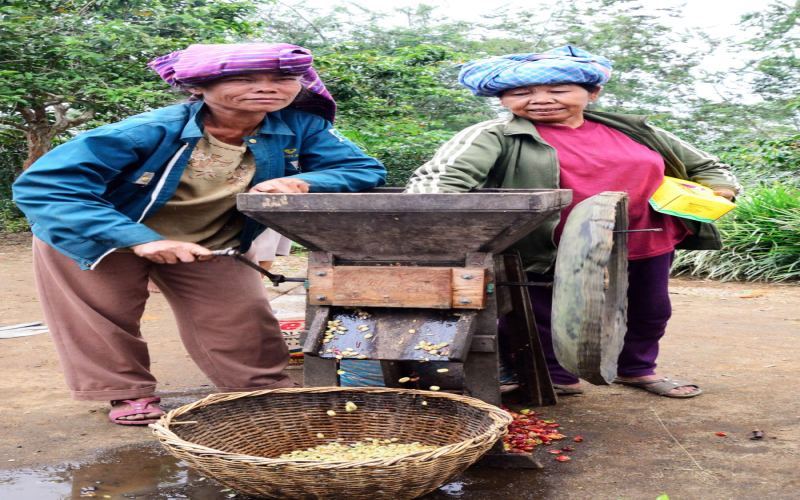
Indonesian Wet-Hulled Process, Honey Process, and Pulped Natural: A Complete Guide to Flavor Differences and Brewing Techniques
The Indonesian wet-hulled process, Brazilian pulped natural, and Central American honey process—three common coffee processing methods—each have their own unique flavor profiles and processing logic. This article breaks down their operational procedures, moisture content control, roasting characteristics, and pour-over brewing recommendations in detail. It also compares acidity, sweetness, and aroma performance through practical examples to help you choose the right coffee beans based on your taste preferences. [more…]
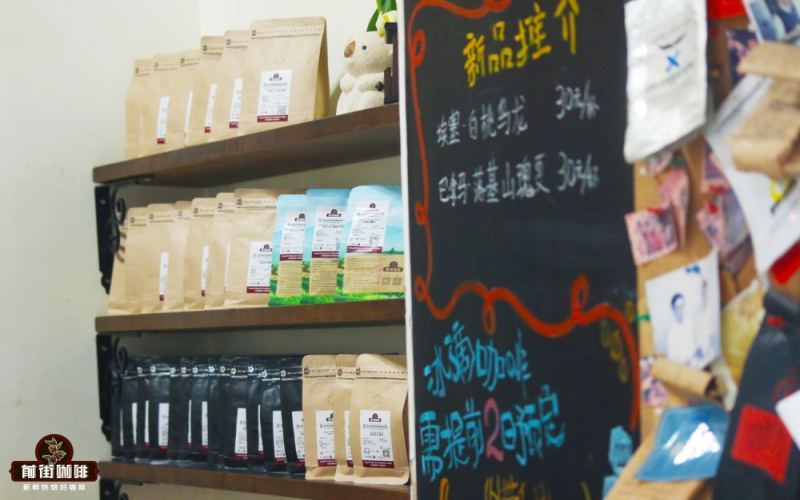
Global Coffee Region Flavor Guide: From African Floral Notes to Rich South & Central American Pour Over Brews
From Ethiopia’s floral citrus notes to Colombia’s nutty chocolate profiles, the world’s major coffee-growing regions cultivate distinctive flavor characteristics due to variations in geology, altitude, and climate. This article provides an in-depth analysis of representative coffee-producing countries across Africa, Asia, Central America, and South America. It details the aroma profiles, acid-sweet balance, and mouthfeel structure of beans from each region, along with practical flavor descriptions to help you find the coffee beans that best suit your palate—enhancing your pour over brewing and tasting experience. [more…]
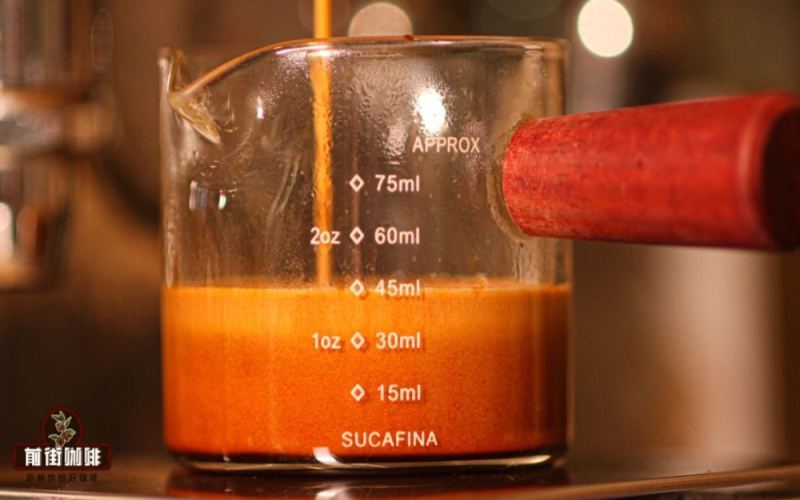
Complete Guide to Espresso Extraction: Mastering the Golden Parameter Settings from Dose to Flow Rate
To brew a well-balanced shot of espresso, the key lies in precisely controlling each extraction parameter. This article will delve into the core elements such as dose selection, coffee-to-water ratio, extraction time, flow rate adjustment, pressure and water temperature settings, and explain how to evaluate extraction results through concentration and extraction yield, guiding you step-by-step to find the optimal recipe for your coffee beans. [more…]
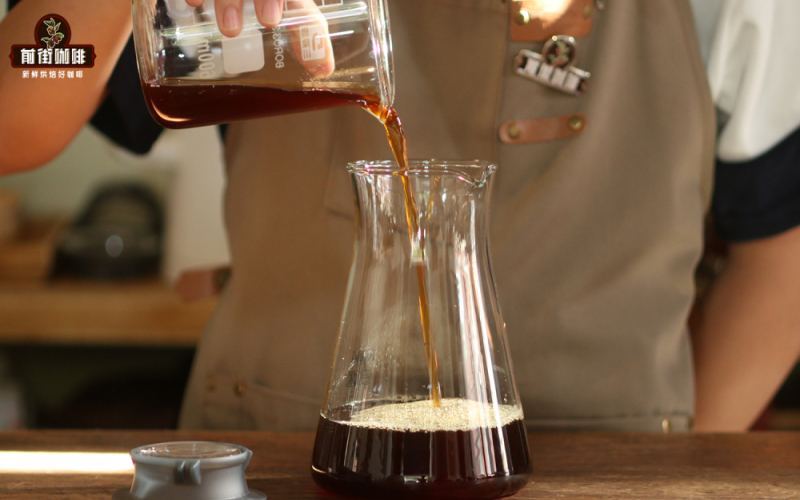
How to Choose Cold Brew Coffee Beans? Taiwanese Recommendations with Flavor Analysis of Yunnan and Yirgacheffe
Cold brew coffee, made through a low-temperature slow extraction method, delivers a uniquely smooth and non-bitter flavor profile, making it a top choice for many coffee enthusiasts to enjoy at home in recent years. But did you know that selecting the right coffee beans for cold brew is actually quite a nuanced process? This article delves into an in-depth analysis of the processing methods and regional characteristics that are well-suited for cold brewing. It also introduces specific bean varieties with distinct flavor profiles—such as Yirgacheffe and Panama Geisha Honey—as practical examples. Additionally, it shares various creative ways to enjoy cold brew, along with firsthand experiences testing it with room-temperature water, to help you master the art of cold brewing. [more…]
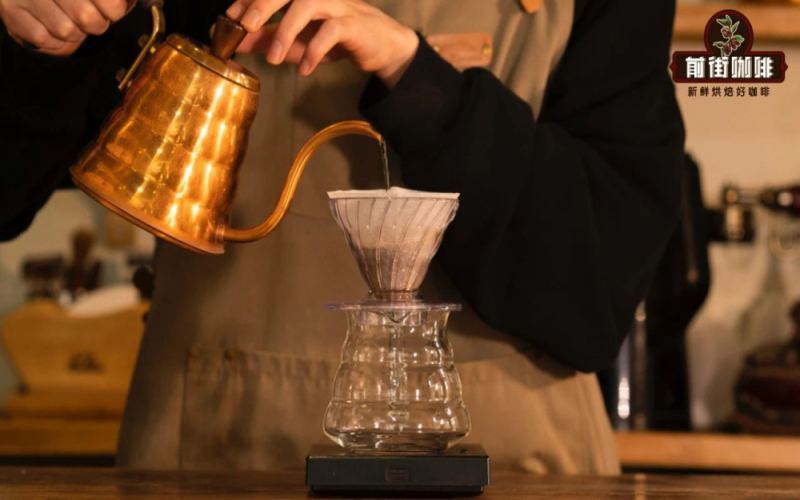
A Detailed Guide to the Three-Stage Pouring Technique for Pour Over Coffee: Water Flow Control and Practical Parameters for Yirgacheffe
The flavor performance of pour over coffee hinges on the precise coordination of pouring technique and parameters. This article delves into the three-stage pouring method, breaking down key aspects of water flow control from the bloom to fractional extraction. Using Yirgacheffe Gu Ding Ding as an example, it provides complete practical parameters including a 1:15 coffee-to-water ratio and a brewing temperature of 91–92°C, helping coffee enthusiasts master the core logic of stable extraction. [more…]

What’s the difference between a latte, cappuccino, and flat white? A complete guide to milk ratios, foam thickness, and extraction parameters
Lattes, cappuccinos, and flat whites are the three most common milk-based coffees in Italian-style cafés. Although all three combine espresso with milk, they each have unique characteristics when it comes to extraction parameters, milk ratios, and layers of foam. This article delves into the historical background and preparation differences of these three classic coffees, and provides a detailed comparison of espresso shot volume, milk usage ratio, and foam thickness to help you better understand their flavor profiles—and master the key points whether you’re making or tasting them. [more…]
How to Brew Anaerobic Fermented Coffee Beans? A Complete Guide to the Wine Processing Method and Pour Over Parameters
Anaerobic fermentation and the wine processing method are innovative techniques in the specialty coffee scene that have garnered significant attention in recent years. By simulating the environment of winemaking, these methods impart intense fruity aromas and complex layers to coffee beans. This article delves into their scientific principles, contrasts them with traditional washed and natural processes, and provides practical roasting and pour over recommendations. Featuring two classic examples — Colombia’s Flower Moon Night and Panama’s Hartmann — it will help you master the brewing techniques for this type of coffee. [more…]
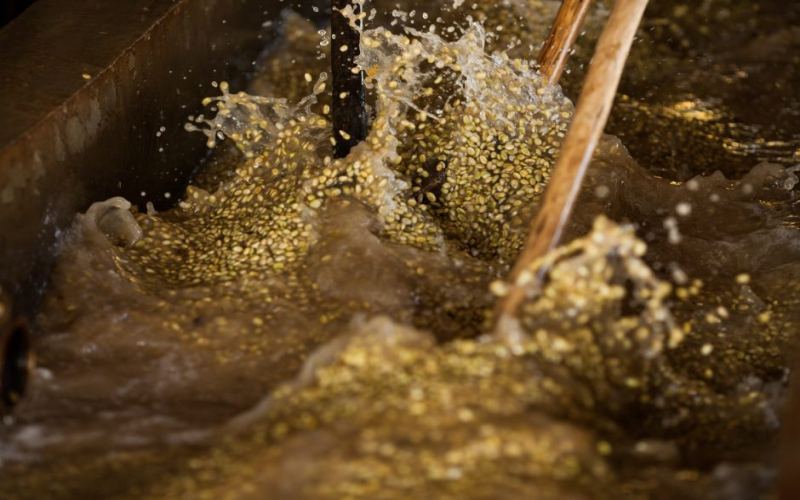
The Complete Guide to Kenya K72 Washed Process: Master Flavor, Growing Regions, Auctions, and Pour Over Parameters All at Once
Kenyan coffee is renowned for its distinctive intense acidity and complex flavors, the key to which lies in the K72 double washed process and its rigorous grading system. This article provides an in-depth analysis of the development of Kenyan coffee, mainstream processing techniques, regional characteristics, and varietal genetics, along with practical explanations of the auction system and pour over brewing recommendations. It helps coffee enthusiasts fully grasp the essence of Kenyan coffee from bean to cup. [more…]

Complete Guide to the Washed Process: Key Steps from Fermentation to Flavor and Character Analysis
Understand how the washed process shapes the flavor profile of coffee beans—from float bean selection, mucilage fermentation to drying and hulling. This guide fully breaks down each step and key detail of this high-quality processing method. It also delves into its pros and cons, with real-world comparisons of washed beans to help you more accurately grasp how different regions, altitudes, and varieties influence flavor. [more…]
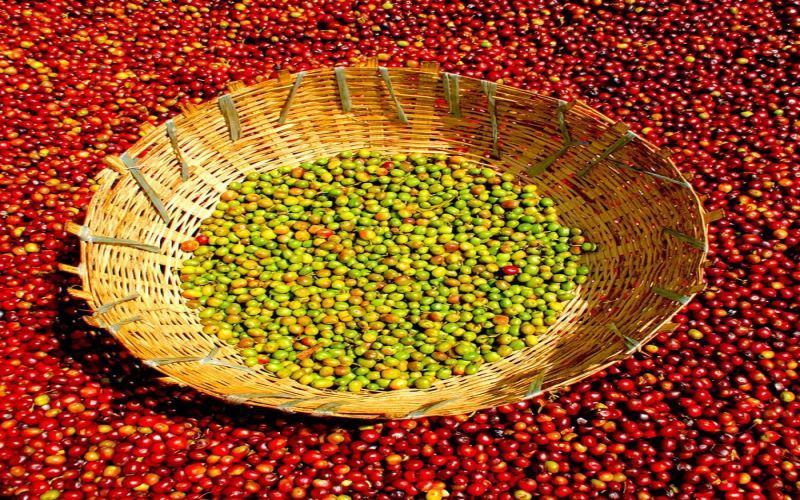
The Complete Guide to Sun-Dried Coffee Beans: From Harvesting to Flavor Analysis and Pour Over Recommendations
Sun-drying is the most traditional and natural processing method for green coffee beans. Though it doesn’t require complex equipment, it is highly dependent on stable weather conditions, and the entire process can take over a month. This article will provide a detailed breakdown of the sun-drying method—from fruit selection, sun drying, depulping, to storage—explaining why the beans often have a yellowish appearance and what makes their flavor profile unique. Featuring three classic sun-dried beans as examples, we also offer practical pour over parameters and flavor tasting references to help you better understand the charm and application of natural drying methods. [more…]

A Comprehensive Guide to Arabica Coffee Varieties: Flavor and Origin Deep Dive of Typica, Bourbon, Geisha, and More
Arabica coffee is the core variety of specialty coffee worldwide, encompassing classic cultivars such as Typica, Bourbon, Caturra, and Geisha, each with unique flavor characteristics and ideal growing environments. This article will delve into the origins, regional distributions, processing method impacts, and flavor profiles of these major varieties. It will also provide recommended brewing parameters for pour over or other extraction methods, helping you find the Arabica beans that best suit your taste. [more…]
The Complete Guide to Typica Coffee Varieties: Origins, Evolution, Flavor Profiles & Brewing Tips
Typica is one of the earliest Arabica coffee varieties. Although it has relatively low yields and weaker disease resistance, its elegant and balanced flavor has always been highly regarded. This article delves into the origin and history of Typica, its plant characteristics, its experience with leaf rust disease, as well as the many well-known sub-varieties derived from it. Combined with brewing and roasting suggestions for actual coffee beans, it offers a more comprehensive understanding of this classic coffee lineage. [more…]
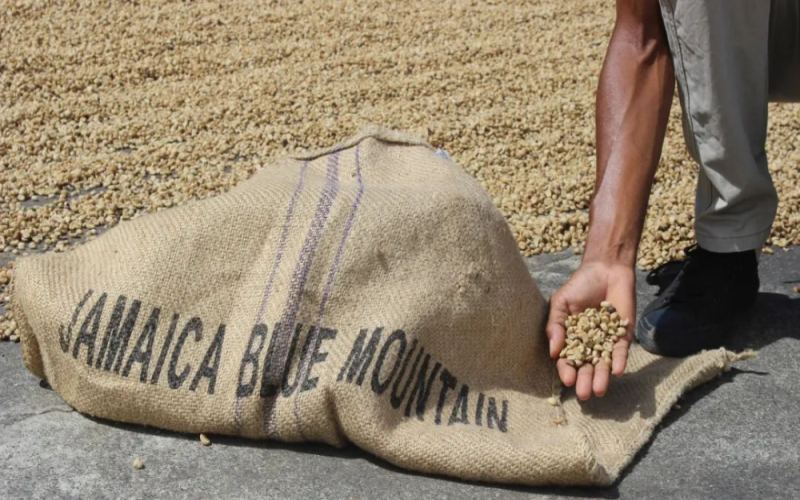
A Complete Guide to Jamaican Blue Mountain Coffee: Introduction & 7 Brewing Methods – From Region to Flavor Profile
Renowned worldwide for its delicate and balanced flavor, Jamaican Blue Mountain coffee is nonetheless a nuanced choice—selecting, understanding, and brewing this premium bean requires expertise. This guide starts with the natural conditions and historical background of the Blue Mountain region, analyzes its grading system, and explores both washed and natural processing methods. It also delves into key aspects of roasting and storage. More importantly, it provides seven practical brewing techniques—including pour over, espresso, siphon, and cold drip—along with detailed parameters and flavor descriptions to help you choose the right method for your taste. [more…]
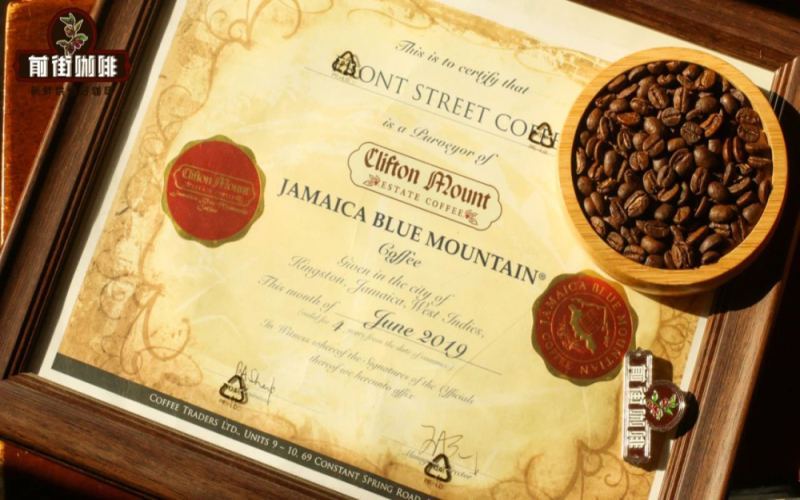
Complete Guide to Jamaican Blue Mountain Coffee: Learn About the Region, Processing Methods, Authentication, and Pour Over Parameters in One Go
Jamaican Blue Mountain coffee is hailed as one of the world’s top-tier coffees, yet the market is flooded with products labeled as “Blue Mountain,” making it hard to distinguish the genuine from the fake. This article delves into the history, regional distribution, variety characteristics, processing methods of Blue Mountain coffee, and how to authenticate it by appearance, aroma, and flavor. It also provides expert pour over recommendations and an explanation of the CIB certification system, helping you master every aspect—from bean selection to brewing—of this legendary coffee. [more…]
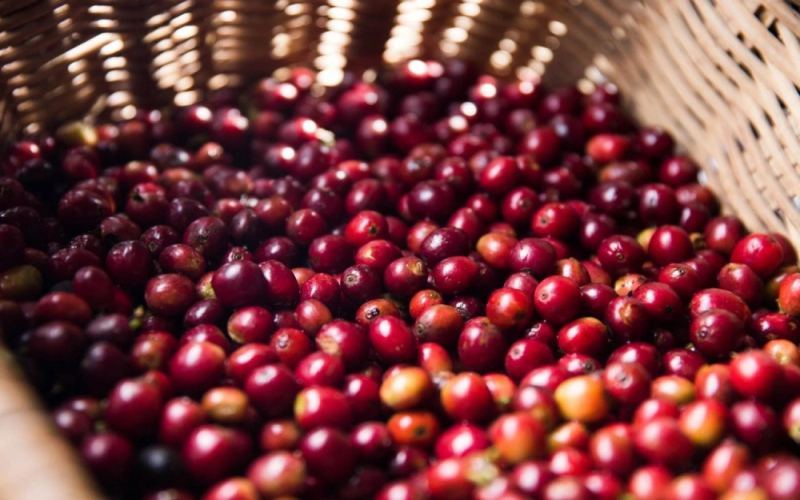
Unveiling the Flavor Profiles of Asia’s Three Major Coffee Regions: Indonesian Mandheling, Yunnan Peaberry, and Processing Methods Explained
Dive deep into three renowned coffee regions in Asia—Indonesia, Yunnan in China, and Papua New Guinea—to explore how their unique geographical environments shape the flavor profiles of their coffees. This guide not only introduces classic processing techniques such as Indonesian wet-hulling, Yunnan washed process, and Indian monsooned aging, but also details representative regional bean varieties, brewing recommendations, and flavor characteristics, providing pour over enthusiasts with valuable insights for bean selection and extraction. [more…]