








Introduction:Cold brew coffee, with its low-temperature, long-duration extraction method, delivers a soft mouthfeel and clear flavor profile that is distinctly different from hot-brewed coffee. This article delves into the extraction principles of cold brew, the recommended grind size range, ideal coffee-to-water ratios, and explains how its balanced acidity and sweetness, along with its clean taste, are achieved. Real recipes are also provided to help you understand the cold brew preparation process and common flavor profiles, while exploring factors such as caffeine content and why cold brew can turn sour. Whether you're a beginner or a seasoned enthusiast, you’ll find practical insights here.
Cold brew coffee extracts flavor compounds slowly from ground coffee through a low-temperature environment and extended steeping time, creating a taste experience that is markedly different from traditional hot brewing. This method not only preserves the delicate aromas of coffee but also reduces intense acidity and the bitterness caused by over-extraction, making it ideal for those who prefer a refreshing taste. The following sections will explore key parameters such as grind size, coffee-to-water ratio, and extraction conditions, giving you a comprehensive understanding of the core techniques behind cold brew.
So-called cold brew (Cold Brew Coffee) involves mixing ground coffee with cold water and letting it steep for at least 12 hours, using time to enhance extraction efficiency, and finally separating the coffee liquid through a filter. For a stronger flavor, the steeping time can even be extended to 24 to 48 hours. Broadly speaking, any coffee extraction method that uses low temperatures can be categorized as a cold brew process. Low temperature and long steeping time are the defining characteristics that set cold brew apart from other brewing methods.
The extraction principle of cold brew is vastly different from that of hot brewing. In a low-temperature environment, only small-molecule flavor compounds—such as floral and fruity notes—are easily dissolved in water, while larger molecules like smoky and woody flavors are less likely to be released. This results in cold brew coffee generally having a softer acidity, lower bitterness, and a refreshing, clean taste profile, which is particularly well-suited for highlighting the unique terroir characteristics of different coffee-growing regions.

The flavor profile of cold brew coffee is known for its gentle sweetness and acidity, as well as its clean and smooth mouthfeel. Due to the low-temperature extraction process, it effectively suppresses over-extraction, reducing the release of harsh bitterness and impurities. Compared to the high-temperature intensity often found in hot brewing, cold brew better showcases the fruitiness and natural sweetness of the coffee. As a result, most beans suitable for pour over—especially those with medium to light roasts—are also great for cold brew. Beginners are recommended to start with medium to light roasted beans, such as those with prominent fruity and citrus notes, which can better highlight the refreshing charm of cold brew.
When preparing cold brew, selecting the right coffee-to-water ratio is crucial. The generally recommended range is 1:10 to 1:16, which can be adjusted based on personal taste preferences for strength. The most common and balanced choice is 1:15, where the coffee flavor is moderate—not too diluted nor overly strong. For those who prefer a stronger taste, a 1:10 low-water-ratio setting can also be tried, resulting in a more concentrated and intense coffee flavor.
Regarding grind size, because cold brew achieves extraction through prolonged soaking, the coffee grounds do not need to be ground as finely as for hot brewing. In fact, grinding too finely can lead to over-extraction, resulting in a murky or bitter taste. It is recommended to adjust the grind size to be slightly coarser than what is typically used for pour over, to help maintain balanced extraction and avoid fine particles settling and affecting filtration.
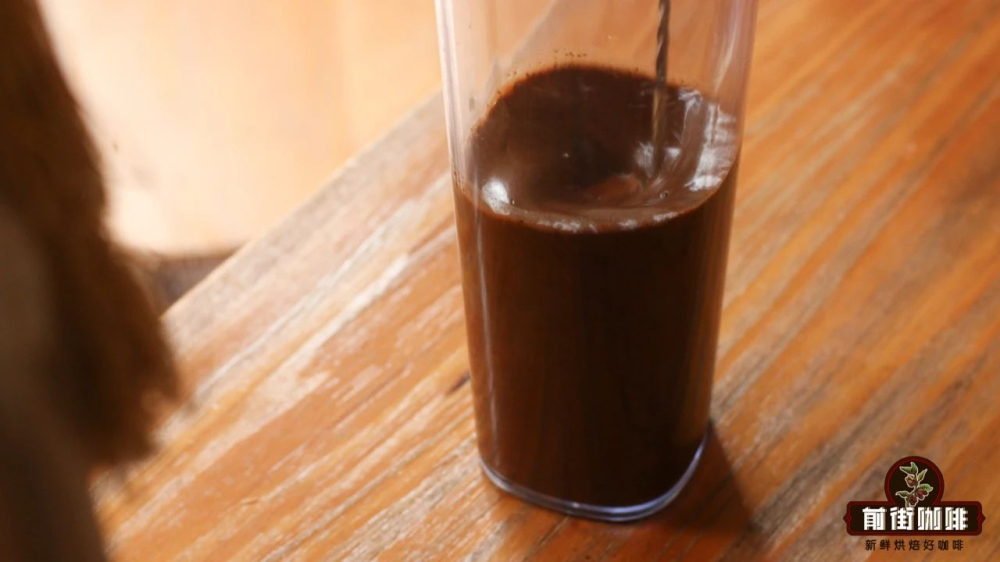
Here is a commonly used cold brew recipe for reference: use 20 grams of coffee grounds, with a coffee-to-water ratio of 1:12 (i.e., 240 milliliters of water), and set the grind size to be slightly coarser than the usual pour over grind. The recommended steeping time is 8 to 10 hours, and it can be left to steep in the refrigerator. During preparation, first place the coffee grounds into a container, add cold water, mix evenly, and seal it. Then let it sit in a refrigerated environment for about 13 hours to allow the coffee grounds and water to interact fully. Afterwards, filter the coffee liquid using a cloth filter or paper filter to complete the cold brew coffee.
Common flavor notes of this recipe include prominent floral notes, citrus tones, and berry aromas. If the finished product is refrigerated for a few more hours, the berry flavors become even more pronounced. The flavor is refreshing with a citrusy entrance, a mildly sweet overall taste, a smooth and clean aftertaste, and is suitable for pairing after meals or as a refreshing summer beverage.
The advantage of cold brew coffee lies in its ability to amplify the aromatic layers of the coffee while reducing overall acidity, resulting in a smoother and more palatable mouthfeel. Since it undergoes no high-temperature processing, it not only avoids the release of impurities and excessive bitterness but also results in a fresher and purer flavor. Additionally, cold brew coffee often tastes more intense after refrigeration, and drinking it colder allows you to better appreciate its subtle flavor nuances.
However, there are some considerations with cold brew coffee, one of which is its generally higher caffeine content. Due to the long contact time between water and coffee grounds, although the extraction is gentle, the cumulative amount of caffeine is not negligible. It is estimated that a 200-milliliter cup of cold brew coffee (using 20 grams of coffee beans) contains about 200 milligrams of caffeine, making it suitable for moments when you need a boost, but portion control should still be noted.
Additionally, some readers may notice concerns about cold brew becoming sour under certain circumstances. In reality, due to its low-temperature nature, cold brew is actually less prone to spoilage issues. Compared to hot brewing, where high temperatures can cause oils and acidic compounds in coffee beans to be rapidly released and oxidized, leading to increased bitterness and acidity, cold brew’s slow extraction at low temperatures captures sweet flavor compounds more effectively while avoiding the release of unnecessary impurities. Therefore, when prepared correctly, cold brew is not only less likely to turn sour but can also present a more balanced and clean flavor structure.
The above content is compiled by CoffeeHunters, a coffee news website.


